
What Happens When You Eat Chicken Breast Everyday: Benefits and Risks
What happens when you eat chicken breast every day depends on the rest of your diet, your cooking method, and your total protein needs. Chicken breast can help you meet your protein target, support muscle repair, and keep meals simple.
If you eat chicken breast every day, you get a steady supply of lean, high-quality protein. However, you may also miss out on nutrients from other protein foods, especially healthy fats and fiber.
That balance determines whether daily chicken fits your goals.

Many people wonder if chicken is healthy and safe to eat every day. Usually, you can eat chicken daily in moderation if you vary your meals and prepare chicken in a healthy way.
What Daily Chicken Breast Does for Your Body

Chicken breast provides lean protein, and skinless chicken breast gives you a lot of protein with very little fat. This makes it an efficient protein-rich food for people who want simple meal planning and steady energy.
It also helps with easier portion control.
How It Supports Muscle Repair, Fullness, and Energy Needs
Your body uses protein to repair tissue, build muscle, and make enzymes and hormones. If you exercise or recover from workouts, eating chicken daily can help you reach those protein needs without many extra calories.
Protein helps you feel full longer.
Why Chicken Breast Counts as a Complete Protein
Chicken is a complete protein, containing all nine essential amino acids your body cannot make on its own. According to EatingWell’s review of chicken nutrition, chicken can help you meet your daily protein goals.
Complete proteins give your body the building blocks it needs for muscle, immune function, and cell repair.
Key Nutrients You Get Regularly
Chicken nutrition includes more than protein. Chicken breast gives you niacin (vitamin B3), vitamin B6, selenium, and phosphorus.
These B vitamins support a healthy metabolism, and selenium helps protect cells from damage.
Where a Daily Habit Can Fall Short
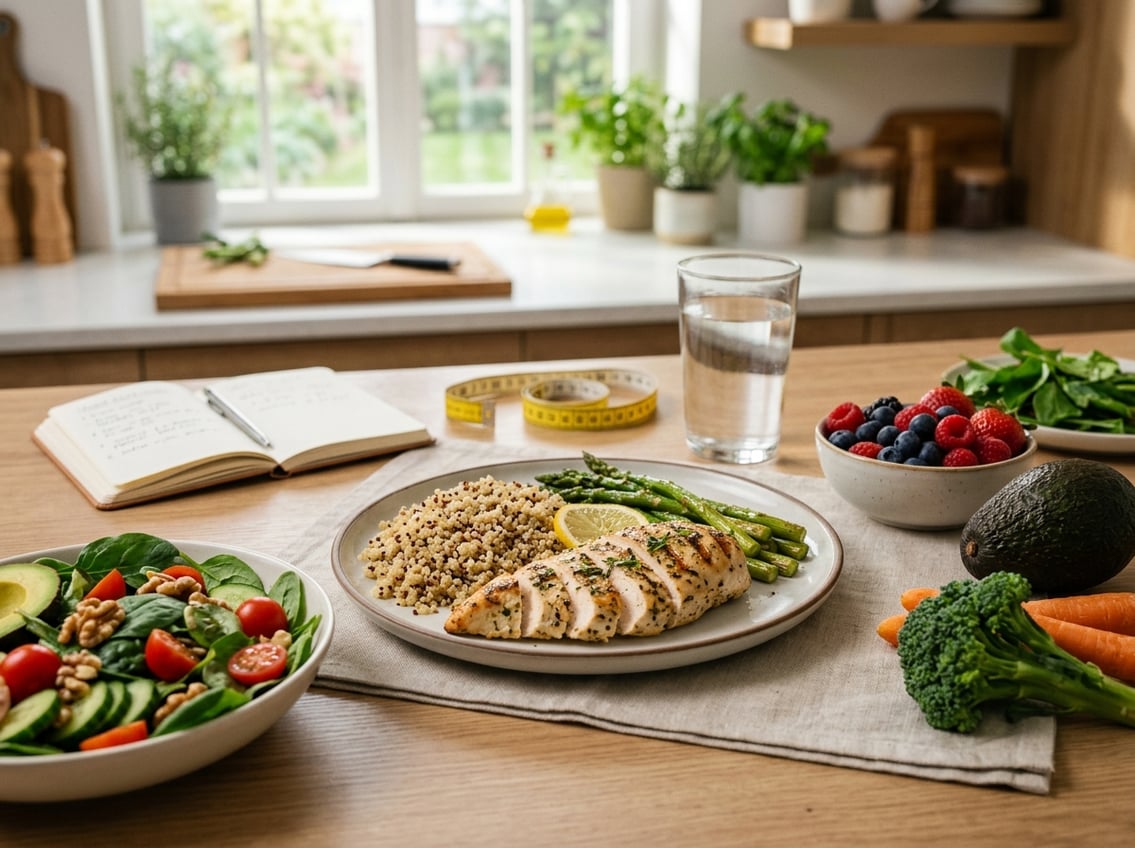
The main risk of eating chicken every day comes from relying on one protein too often. If you let chicken replace other protein sources all the time, your diet may become low in fiber, healthy fats, and some key micronutrients.
Nutrient Gaps From Relying on One Main Protein
When you lean too heavily on one food, you reduce variety in your diet. That can mean fewer omega-3 fatty acids, less fiber, and fewer plant compounds you would get from foods like salmon, tofu, beans, lentils, eggs, and shrimp.
Plant-based proteins and pulses, including peas, beans, and lentils, add fiber and minerals that chicken does not provide in the same amount.
Fat, Cholesterol, and Preparation Tradeoffs
Skinless chicken breast is low in fat, which can help with calorie control. It can also leave your diet short on healthy fats if you do not add them elsewhere.
Preparation matters. Fried chicken, creamy sauces, and heavy breading add more saturated fat and sodium.
A simple grilled or baked chicken meal is very different from fried chicken or heavily processed chicken products.
When Processed Options Change the Health Picture
Fresh chicken breast is not the same as processed chicken products. Deli cuts, nuggets, patties, and breaded frozen items contain more sodium, fillers, and added fats.
If you eat mostly processed chicken, your nutrition may suffer. Choosing less processed protein sources gives you more control over nutrition and ingredients.
How to Make It a Healthy Routine

You can include chicken daily in a healthy diet if you keep the cooking method simple and the plate balanced. The goal is to make chicken one part of a varied routine.
Best Cooking Methods for Keeping It Lean
Grilled chicken, baked chicken, and poached chicken are some of the best choices if you want to keep it lean. Grilling and baking avoid the extra oil that comes with frying.
Skinless chicken breast works well with these methods. You can season it with herbs, citrus, garlic, or spices to keep the meal light.
Smart Portioning and Meal Balance
A palm-sized serving works as a guide for many adults. Your needs may be higher if you train hard or have bigger energy demands.
Add vegetables, a whole grain or starchy side, plus a source of healthy fat. Pairing chicken with avocado, olive oil, nuts, yogurt, or a mixed salad can help your meal feel more complete.
When to Rotate Other Proteins Into the Week
You do not need chicken at every meal to meet your protein needs. Rotating in salmon, tofu, beans, lentils, eggs, shrimp, and other plant-based proteins improves variety and nutrient intake.
Pulses like beans, lentils, and peas bring fiber that chicken lacks. If you eat chicken several times a week, you can still keep it in your routine while making room for other lean protein options like yogurt or fish.
Safety and Sourcing Considerations

Chicken can be a safe everyday food if you handle it properly. The biggest food safety issue comes from contamination, not daily chicken consumption itself.
Foodborne Risks and Safe Handling Basics
Raw chicken can carry campylobacter, a bacteria that causes foodborne illness. Wash your hands after handling raw chicken, keep it separate from other foods, cook it to a safe internal temperature, and clean surfaces well.
These habits matter even more if you eat chicken often, since repeated exposure raises the chance of a handling mistake.
What to Know About Antibiotics and Labels
Many shoppers ask about antibiotics in chicken and whether labels matter. Terms like raised without antibiotics and free-range chicken describe how the birds were raised, but they do not automatically make the chicken healthier or safer.
Focus on freshness, safe handling, and a balanced diet. Labels can help you choose products that match your preferences, but they do not replace good cooking habits.
Signs Your Overall Diet Needs More Variety
If most of your meals look the same, you may need to add more variety to your diet.
Low energy, low fiber intake, digestive issues, or meals that lack color can signal that you rely too much on one food.
If you keep asking whether eating chicken every day is a problem, consider whether your weekly meals include enough fish, beans, vegetables, fruit, whole grains, and healthy fats.
You can keep chicken on your plate, just not as your only protein source.


