
What Happens if You Eat Chicken Breast Everyday? Health Effects
What happens if you eat chicken breast every day depends on the rest of your diet, your portion size, and how you prepare the chicken. For many people, skinless chicken breast serves as a useful lean protein that supports muscle repair and helps you meet daily protein needs.
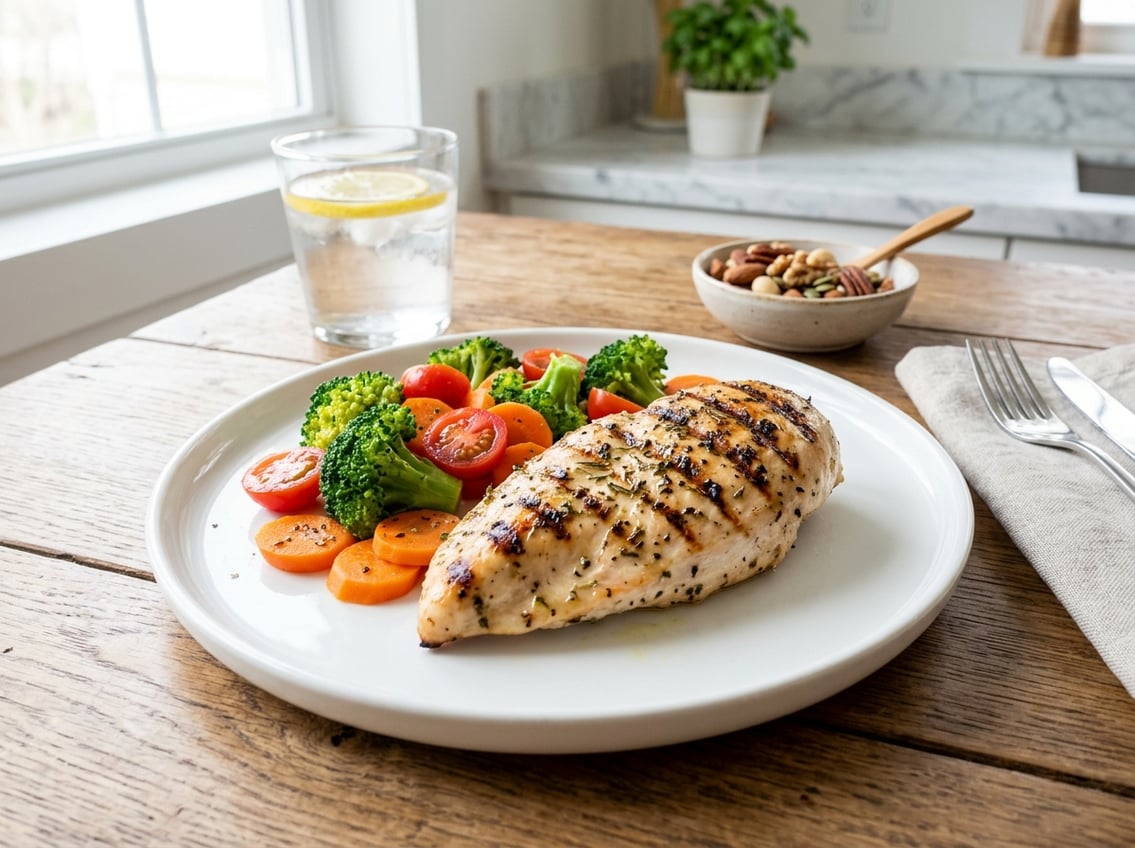
Eating chicken breast daily can be healthy when it fits into a balanced diet. Relying on it too heavily can leave gaps in fiber, healthy fats, and other nutrients you get from varied protein sources.
Chicken is popular because it is affordable and easy to cook. The real question is whether eating it every day gives your body enough variety to stay well supported.
What Daily Chicken Breast Does for Your Body
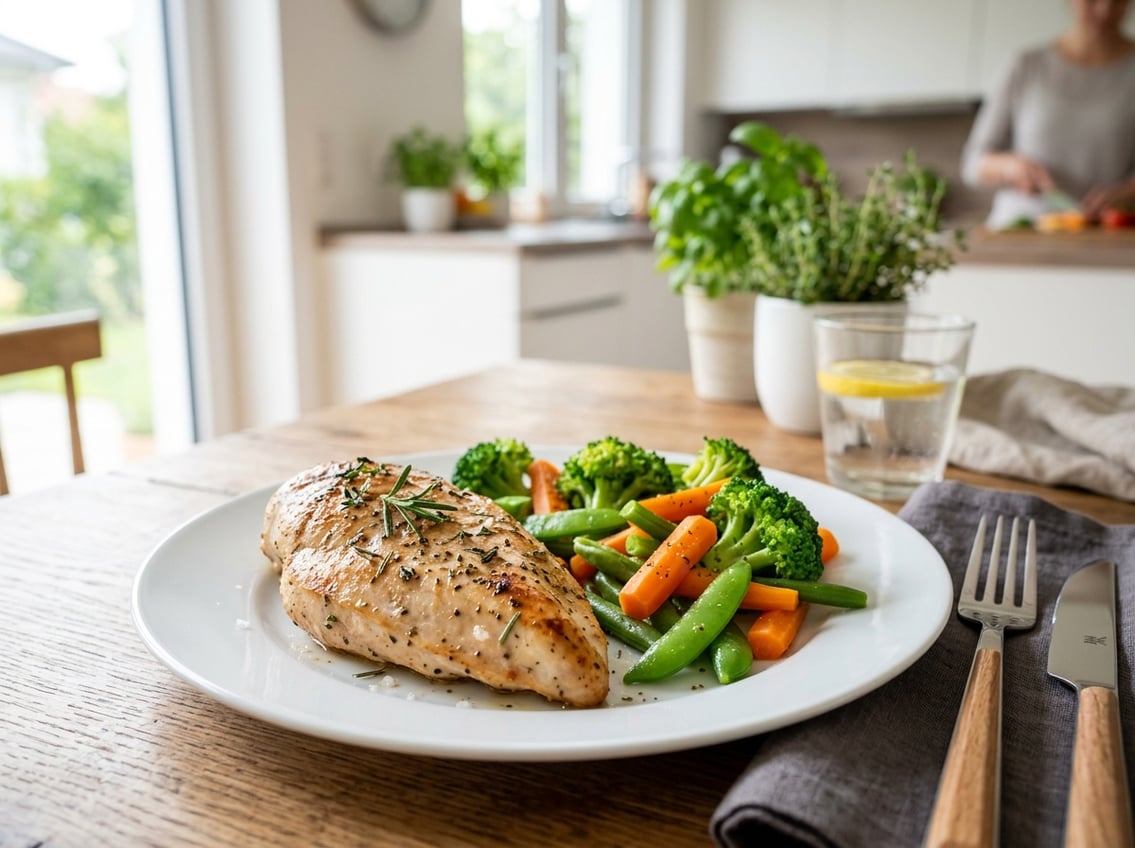
Chicken breast is one of the most common lean protein sources. It offers strong nutritional value with very little fat.
A skinless chicken breast gives you high-quality protein and essential amino acids your body cannot make on its own.
How It Supports Protein Intake and Muscle Repair
Chicken breast contains all nine essential amino acids. These amino acids help with muscle repair and tissue maintenance.
If you are active, eating chicken every day can make it easier to hit your protein target. A 4-ounce serving can provide about 35 grams of lean protein.
Why It Helps With Satiety and Weight Management
Protein keeps you full longer than refined carbs. That can help with satiety and make it easier to manage hunger and portion sizes.
Chicken breast is easy to measure and pair with other foods, so it can fit into a calorie-conscious plan.
Key Nutrients in Chicken Breast
Chicken breast also contains B vitamins, including niacin, vitamin B3, and vitamin B6, which support energy metabolism and normal cell function. Chicken provides minerals like selenium and phosphorus.
When Eating It Too Often Can Backfire
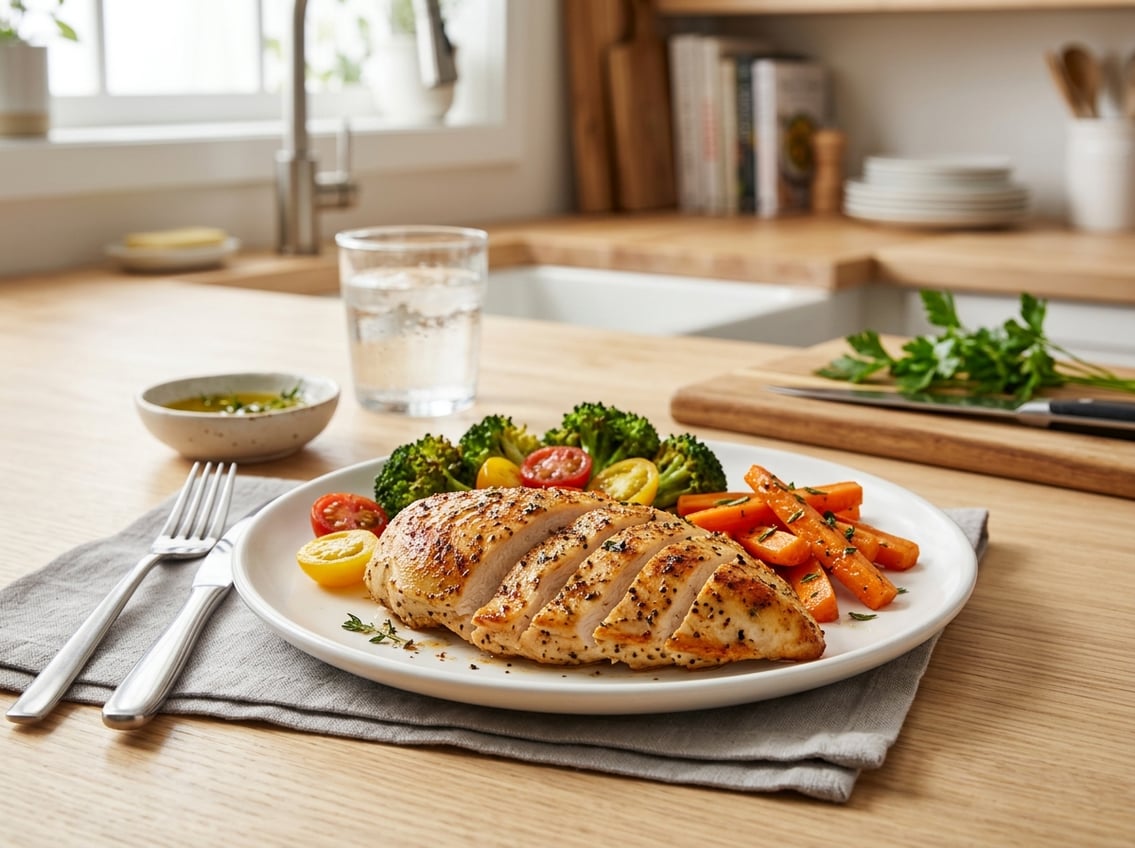
Eating chicken breast every day can crowd out other foods you need for better nutrient balance. The main concerns are nutrient gaps, food safety, and the quality of the chicken you buy and cook.
Nutrient Gaps From Skipping Other Protein Sources
If you eat only chicken as your main protein, you may miss nutrients found in other sources. Salmon gives you omega-3 fatty acids and healthy fats.
Eggs and yogurt add different vitamins. Tofu, lentils, beans, peas, and other pulses provide more fiber.
Relying on chicken alone can leave you short on omega-3s, fiber, potassium, iron, calcium, and other useful nutrients.
Food Safety, Campylobacter, and Kitchen Handling
Raw chicken can carry campylobacter, a common cause of foodborne illness from poultry. Safe handling matters every time you cook it.
Wash your hands, use separate cutting boards, and cook chicken to a safe internal temperature. Cross-contamination is a bigger risk than many people realize.
Antibiotics, Sourcing, and Processed Chicken Concerns
Antibiotic concerns usually focus on how the birds were raised and how the product was handled. Labels like “raised without antibiotics” can matter if sourcing is important to you.
Processed chicken products like breaded or fried options often have more sodium, fat, and calories than plain chicken breast.
How to Make It a Healthy Habit

You can eat chicken breast often without making your diet narrow. The key is portion size, the healthiest way to cook chicken, and what you serve with it.
Best Portion Size and Weekly Frequency
A practical portion size is about 3 to 4 ounces of cooked chicken breast per meal. That amount gives you plenty of protein without pushing other foods off your plate.
You do not need chicken at every meal to meet your protein needs. Rotating among lean protein sources across the week, including fish, tofu, beans, lentils, and eggs, gives you a stronger nutrition mix.
The Healthiest Way to Cook Chicken
Grilled, baked, or poached chicken keeps added fat and sodium lower than fried or heavily breaded chicken. These methods help maintain the health benefits of chicken breast.
If you want better flavor, marinate chicken breast with herbs, spices, olive oil, yogurt, garlic, citrus, or vinegar. That helps keep the meal simple without depending on heavy sauces.
What to Pair With Chicken Breast for Balance
Pair chicken breast with vegetables, whole grains, and healthy fats to create a complete meal.
Add olive oil, avocado, nuts, seeds, or yogurt-based sauces for healthy fat.
Build meals around beans and lentils for more fiber.
Include brown rice, quinoa, or whole-grain bread to help you feel full.


