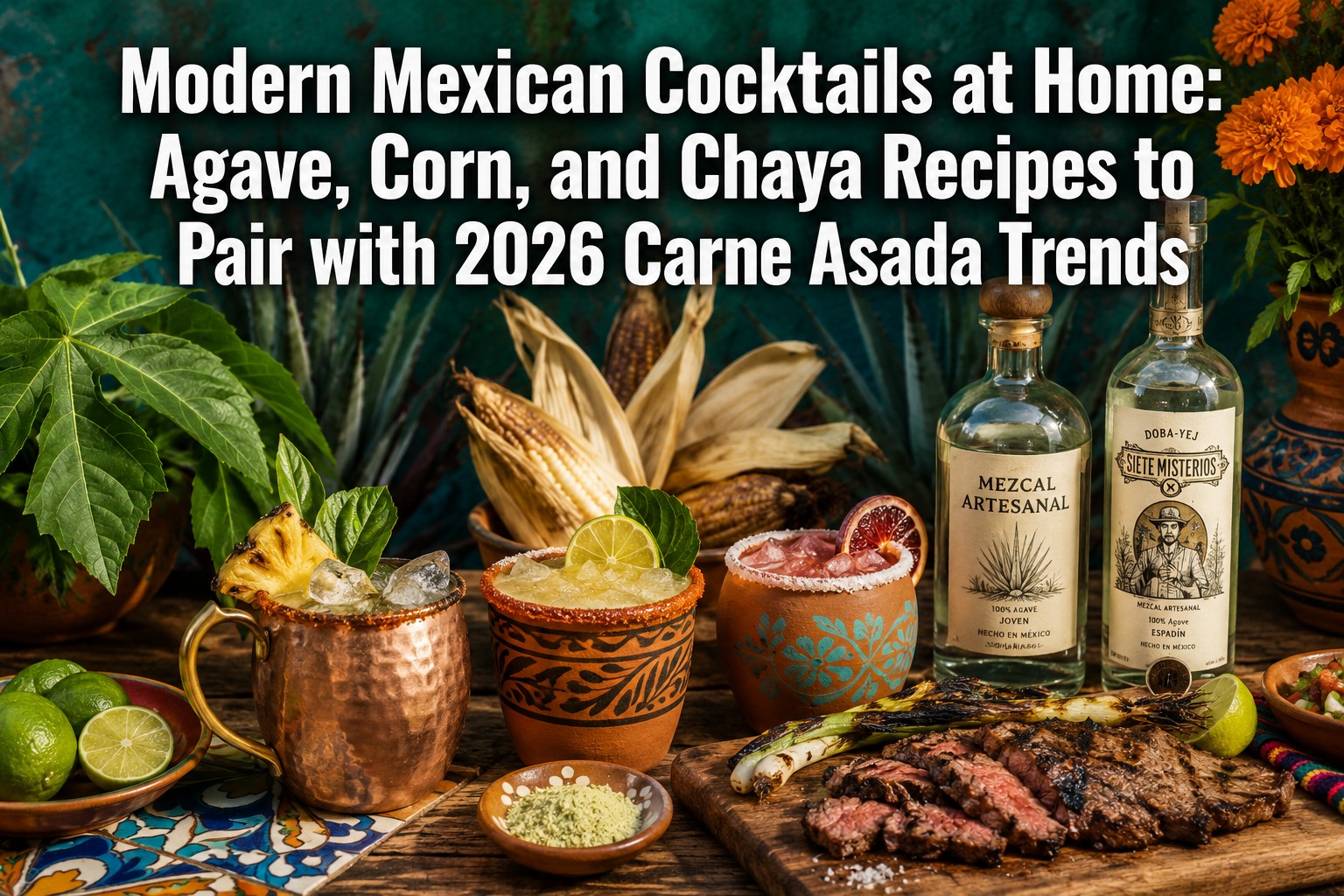
Modern Mexican Cocktails at Home: Agave, Corn, and Chaya Recipes to Pair with 2026 Carne Asada Trends
Last updated: July 5, 2026
Quick Answer
Modern Mexican cocktails at home in 2026 focus on three key ingredients: agave spirits (mezcal and tequila), corn-based syrups and aguas frescas, and fresh chaya leaves. These drinks pair exceptionally well with the year’s carne asada trends, which emphasize smoky, charred flavors and regional spice blends. You can make restaurant-quality cocktails using affordable spirits under $50, simple homemade syrups, and either fresh chaya or accessible substitutes like spinach.
Key Takeaways
- Chaya is a nutrient-rich Mexican leaf that adds bright, spinach-like flavor to cocktails and can be substituted with spinach or kale when fresh leaves aren’t available
- Mezcal vs. tequila: Mezcal offers smoky, complex notes perfect for grilled meat pairings, while tequila provides cleaner, brighter flavors for lighter cocktails
- Budget-friendly spirits: Quality agave cocktails start at $30-50 per bottle with brands like Espolòn, Cimarron, and Banhez
- Corn cocktails use homemade corn water or syrup made by simmering fresh or dried corn, adding subtle sweetness and earthy depth
- 2026 carne asada trends include regional dry rubs, reverse-seared techniques, and bold citrus-chile marinades that pair beautifully with smoky mezcal drinks
- No special equipment needed: A cocktail shaker, jigger, and muddler are sufficient for all recipes
- Non-alcoholic versions work perfectly using the same syrups and fresh ingredients minus the spirits
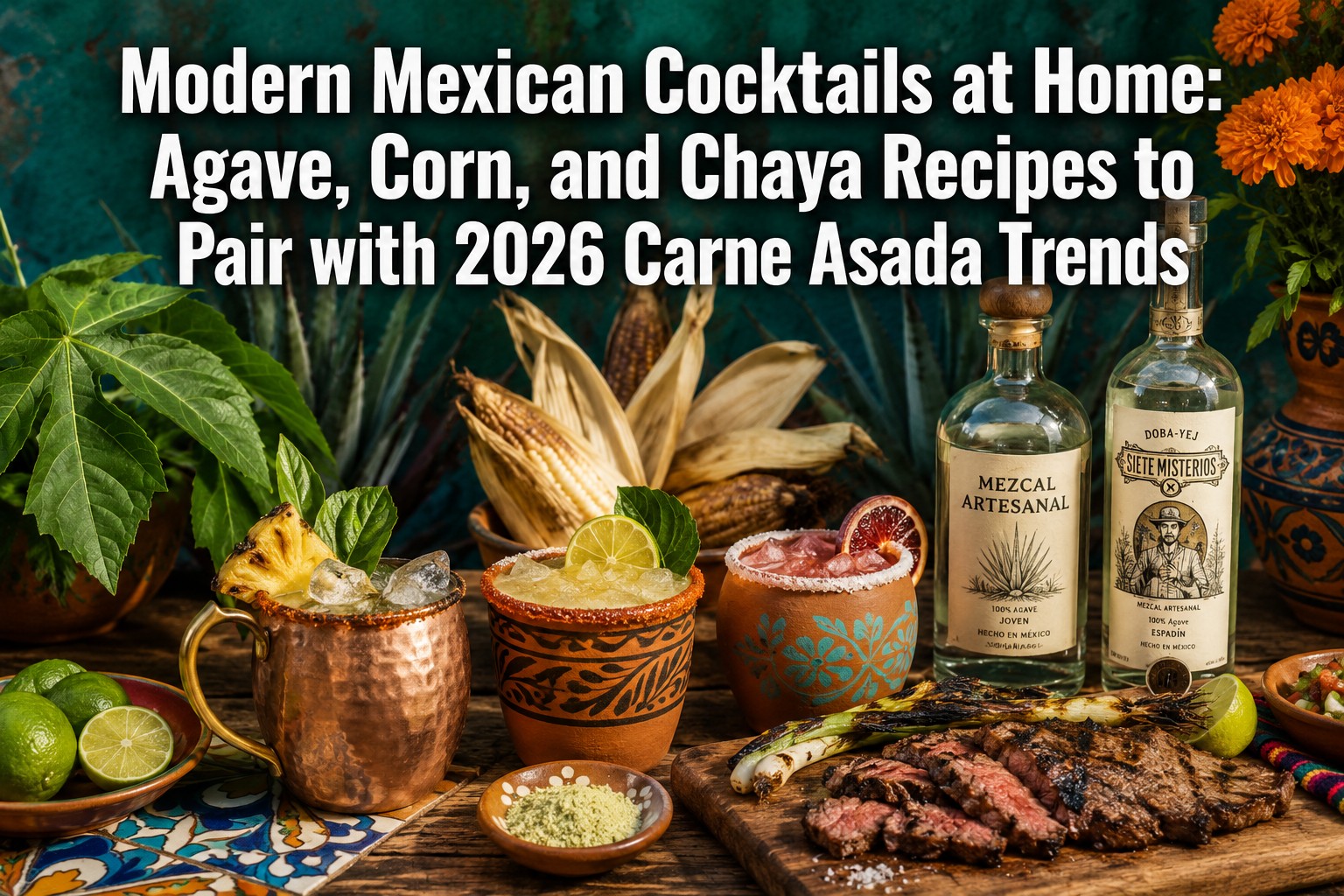
What Is Chaya and How Do You Use It in Cocktails?
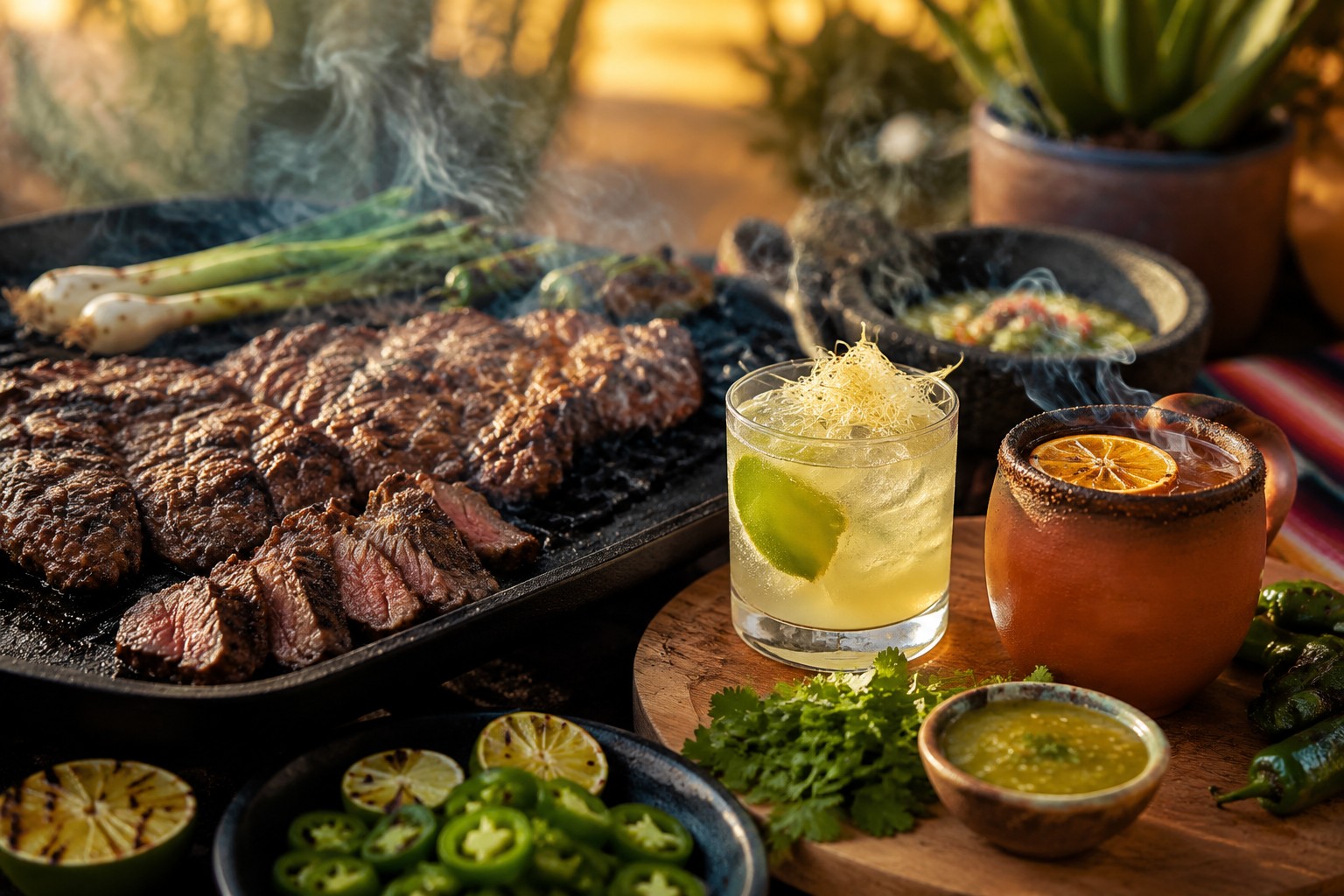
Chaya (Cnidoscolus aconitifolius) is a leafy green native to Mexico’s Yucatán Peninsula, often called “tree spinach” for its nutrient density and mild, slightly earthy flavor. In cocktails, chaya adds a vibrant green color, subtle vegetal notes, and a nutritional boost similar to kale or spinach. The leaves must be cooked or muddled with acidic ingredients like lime juice to neutralize naturally occurring compounds before consumption.
To use chaya in cocktails, you have three main methods:
- Fresh muddled: Tear 3-4 small leaves, muddle with lime juice and simple syrup, then strain into your cocktail base
- Chaya syrup: Blanch 2 cups of leaves in boiling water for 2 minutes, blend with equal parts sugar and water, then strain
- Chaya water: Simmer leaves in water for 5 minutes, cool, and use as a cocktail base or mixer
Common mistake: Never use raw chaya without acid or heat treatment. The leaves contain compounds that can cause stomach upset when consumed raw, but cooking or combining with citrus makes them perfectly safe.
For a simple Chaya Margarita, muddle 3 chaya leaves with 1 oz lime juice and 0.5 oz agave syrup, add 2 oz blanco tequila, shake with ice, and strain into a salt-rimmed glass. The result is a bright green cocktail with herbaceous depth that pairs beautifully with grilled meats.
Where to Buy Fresh Chaya Leaves for Drinks
Fresh chaya leaves are available at Mexican specialty grocers, Latin American markets, and some farmers markets in areas with large Mexican communities, particularly in California, Texas, Florida, and the Southwest. Online retailers like Miami Fruit and specialty herb suppliers ship fresh chaya nationwide, though availability varies seasonally.
If you can’t find fresh chaya:
- Frozen chaya: Some Latin markets carry frozen leaves that work perfectly for syrups and blended drinks
- Grow your own: Chaya plants thrive in warm climates (zones 8-11) and produce abundant leaves year-round
- Online specialty suppliers: Search for “fresh chaya leaves” or “chaya plant cuttings” for home growing
Choose fresh chaya if: You live near Mexican markets and want the most authentic flavor for special occasions.
Choose substitutes if: Fresh chaya is unavailable or you’re making cocktails for beginners who prefer familiar flavors.
Can I Substitute Chaya with Spinach or Kale in Cocktail Recipes?
Yes, you can substitute chaya with fresh spinach or baby kale in cocktail recipes with excellent results. Use a 1:1 ratio of spinach or kale for chaya in any recipe. Spinach provides the closest flavor match with its mild, slightly sweet profile, while kale adds a more assertive, peppery note that works well in mezcal-based drinks.
Key differences to expect:
- Spinach: Milder flavor, lighter green color, no cooking required, best for tequila-based cocktails
- Kale: Stronger vegetal taste, darker color, pairs better with smoky mezcal, benefits from brief blanching
- Chaya: Most authentic, slightly nuttier flavor, requires cooking or acid treatment
For substitution success, use baby spinach or tender kale leaves rather than mature, tough greens. Muddle gently to avoid bitterness, and consider adding an extra 0.25 oz of citrus to brighten the flavor profile.
Pro tip: Blanch kale for 30 seconds before using in syrups to reduce bitterness and create a smoother texture. Spinach can be used raw in most cocktail applications.
Difference Between Mezcal and Tequila for Home Cocktails
Mezcal and tequila are both agave spirits, but tequila must be made from blue agave in specific Mexican regions, while mezcal can be made from over 30 agave varieties across nine Mexican states. The primary difference for cocktails is flavor: mezcal typically has smoky, earthy, complex notes from traditional pit-roasting methods, while tequila offers cleaner, brighter, more vegetal flavors.
For home cocktails, choose:
Mezcal when:
- Pairing with grilled or smoked foods like carne asada
- You want complex, sipping-quality cocktails
- Making stirred drinks like Old Fashioneds or Negroni variations
- The recipe includes bold flavors (chiles, chocolate, coffee)
Tequila when:
- Making classic margaritas or palomas
- You want bright, citrus-forward drinks
- Pairing with lighter foods or seafood
- Making large-batch cocktails for parties
Flavor profiles by type:
- Blanco/Joven: Unaged, pure agave flavor, best for margaritas and fresh cocktails
- Reposado: Aged 2-12 months, adds vanilla and oak notes, versatile for sipping or mixing
- Añejo: Aged 1-3 years, rich and smooth, best for sipping or spirit-forward cocktails
Common mistake: Using expensive añejo tequila or aged mezcal in citrus-heavy cocktails where the subtle aging notes get lost. Save premium aged spirits for sipping or simple stirred drinks, and use blanco or joven expressions for margaritas and mixed drinks.
Best Agave Spirits to Buy for Mexican Cocktails Under $50
Quality agave spirits for home cocktails start at $30-50 per bottle, with several excellent options that deliver authentic flavor without premium pricing. For tequila, look for 100% agave labels (avoid “mixto” products) from reputable distilleries. For mezcal, seek artisanal producers using traditional methods.
Top budget-friendly tequilas ($30-45):
- Espolòn Blanco: Clean, peppery, excellent for margaritas
- Cimarron Blanco: Bright agave flavor, bartender favorite
- El Tesoro Blanco: Slightly higher price point but exceptional quality
- Olmeca Altos Plata: Citrus-forward, great for mixing
Top budget-friendly mezcals ($35-50):
- Banhez Espadín: Smooth smoke, accessible entry point
- Del Maguey Vida: Balanced, versatile, widely available
- Ilegal Joven: Light smoke, mixable, good value
- Montelobos Espadín: Clean, elegant, perfect for cocktails
What to look for on labels:
- “100% agave” or “100% agave azul” for tequila
- Specific agave variety listed (Espadín, Tobalá, etc.) for mezcal
- NOM number (distillery registration) for authenticity
- “Artesanal” or “Ancestral” for traditional mezcal production
Avoid: Bottles with worms, overly decorative packaging, or prices below $25, which often indicate lower quality or additives.
How to Make Corn Syrup or Corn Water for Cocktails at Home
Homemade corn syrup for cocktails is made by simmering fresh or dried corn in water with sugar, creating a subtly sweet, earthy mixer that adds depth to agave spirits. Unlike commercial corn syrup (which is highly processed), cocktail corn syrup retains natural corn flavor and works beautifully in modern Mexican drinks.
Basic Corn Syrup Recipe:
- Combine 2 cups fresh corn kernels (or 1 cup dried corn) with 2 cups water
- Simmer for 20 minutes until corn is very tender
- Add 1 cup sugar, stir until dissolved
- Steep for 30 minutes off heat
- Strain through fine mesh, pressing solids to extract flavor
- Store refrigerated for up to 2 weeks
Corn Water (Agua de Maíz) Recipe:
- Toast 1 cup dried corn kernels in a dry pan until fragrant
- Simmer in 4 cups water for 30 minutes
- Strain and cool
- Use as a cocktail base or mixer (no sugar added)
Flavor variations:
- Add 1 cinnamon stick during simmering for warm spice notes
- Include 2 lime leaves for citrus aromatics
- Toast corn before simmering for deeper, nuttier flavor
Use corn syrup in: Margaritas (replace simple syrup), mezcal sours, or paloma variations. Use corn water as a base for non-alcoholic aguas frescas or to lengthen spirits in tall drinks.
Pro tip: Freeze corn syrup in ice cube trays for easy portioning and extended shelf life up to 3 months.
What Cocktails Pair Well with Carne Asada Tacos?
Smoky, citrus-forward cocktails with moderate sweetness pair best with carne asada tacos because they complement the charred meat flavors without overwhelming the dish. Mezcal-based drinks work particularly well, as the spirit’s smokiness echoes the grill marks while citrus cuts through the richness of the beef.
Top pairings for carne asada:
Mezcal Paloma:
- 2 oz mezcal, 0.5 oz lime juice, 0.5 oz grapefruit juice, 0.5 oz agave syrup, topped with grapefruit soda
- The bitter-citrus profile balances fatty meat and refreshes the palate
Smoky Margarita with Corn:
- 2 oz mezcal, 1 oz lime juice, 0.75 oz corn syrup, pinch of smoked salt
- Corn syrup adds earthy sweetness that mirrors tortilla flavors
Chaya-Cucumber Cooler:
- 1.5 oz blanco tequila, 3 muddled cucumber slices, 3 chaya leaves, 0.75 oz lime juice, 0.5 oz agave, soda water
- Light and herbaceous, cleanses the palate between bites
Spicy Michelada (beer cocktail):
- 12 oz Mexican lager, 2 oz lime juice, 1 oz tomato juice, hot sauce, Worcestershire, salt rim
- Classic pairing that enhances rather than competes with meat flavors
Pairing principle: Match the intensity of your cocktail to your carne asada preparation. Heavily charred, spice-rubbed meat calls for bold mezcal drinks, while citrus-marinated carne asada pairs better with lighter tequila cocktails.
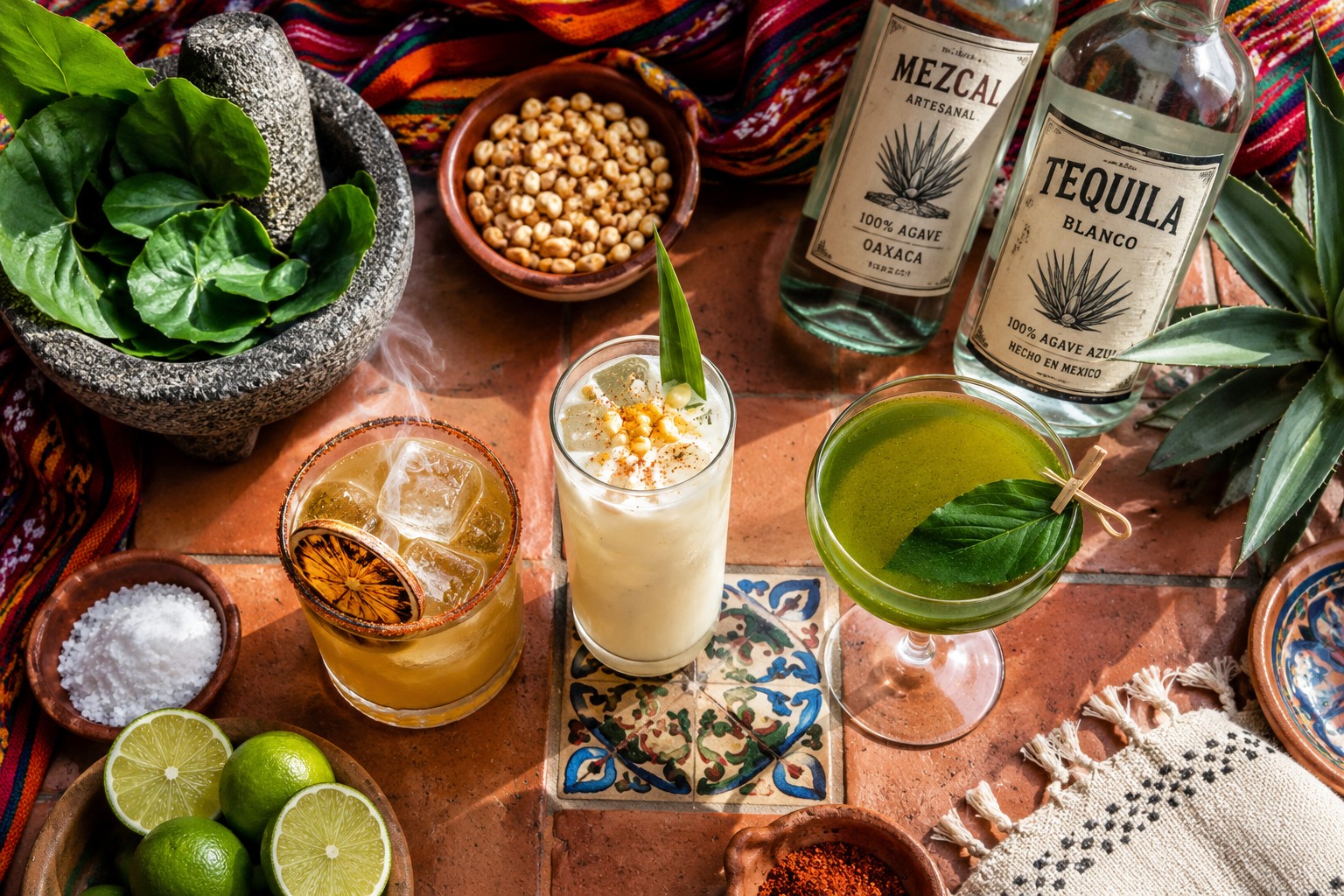
What Are the 2026 Carne Asada Trends Everyone Is Talking About?
The 2026 carne asada trends emphasize regional Mexican spice blends, reverse-searing techniques for better texture, and bold citrus-chile marinades that create deeper flavor complexity. Home cooks are moving away from simple salt-and-pepper preparations toward more authentic regional styles from Sonora, Baja, and northern Mexico.
Key trends shaping 2026 carne asada:
Regional dry rubs: Spice blends featuring guajillo chile, cumin, Mexican oregano, and garlic powder applied 2-4 hours before grilling, creating a flavorful crust without wet marinades.
Reverse-sear method: Slow-cooking meat at 275°F until it reaches 120°F internal temperature, then searing over high heat for char. This technique delivers edge-to-edge medium-rare doneness with maximum crust.
Citrus-forward marinades: Combinations of orange, lime, and grapefruit juice with fresh chiles (serrano, jalapeño) and cilantro, marinated for 2-6 hours for bright, complex flavor.
Thin-sliced presentation: Cutting against the grain into very thin strips (1/8-inch) for maximum tenderness, served family-style rather than pre-assembled in tacos.
Charcoal over gas: Home cooks increasingly using charcoal grills or adding wood chips for authentic smoke flavor that pairs perfectly with mezcal cocktails.
These trends align perfectly with modern Mexican cocktails at home, as the bolder, more complex meat preparations call for equally sophisticated drinks. The smoky notes in both mezcal and charcoal-grilled carne asada create a harmonious pairing that defines 2026’s approach to Mexican entertaining.
For more inspiration on regional cooking techniques, explore our guide to unsung regional cuisines at home.
How to Balance Smoky Mezcal Flavors with Grilled Meat
Balance smoky mezcal with grilled meat by using citrus, fresh herbs, and moderate sweetness in your cocktails to create contrast rather than doubling down on smoke. The goal is complementary flavors that refresh the palate between bites rather than overwhelming it with competing char notes.
Balancing techniques:
Add brightness: Use fresh lime, grapefruit, or orange juice (1-1.5 oz per cocktail) to cut through both mezcal smoke and meat richness. Citrus acidity cleanses the palate and prepares it for the next bite.
Include herbaceous elements: Fresh cilantro, mint, or chaya leaves add green, fresh notes that contrast with smoky flavors. Muddle gently or use as garnish.
Control sweetness: Use 0.5-0.75 oz of sweetener (agave syrup, corn syrup, or simple syrup) rather than 1 oz. Too much sweetness amplifies smoke perception and can make the pairing cloying.
Dilution matters: Serve mezcal cocktails over ice or lengthened with soda water to moderate intensity. A 2 oz mezcal drink served neat is too strong alongside food.
Choose your mezcal wisely: For food pairing, select Espadín-based mezcals with moderate smoke rather than heavily smoked or wild agave varieties that can overpower.
Example balanced cocktail for carne asada:
- 1.5 oz mezcal (not 2 oz)
- 1 oz fresh grapefruit juice
- 0.5 oz lime juice
- 0.5 oz corn syrup
- 2 oz soda water
- Cilantro sprig garnish
This ratio provides enough mezcal character to complement the grill flavors while citrus and dilution keep it refreshing.
Do I Need Special Equipment to Make Agave Cocktails at Home?
No, you don’t need special equipment to make quality agave cocktails at home. A basic cocktail shaker, jigger for measuring, and muddler cover 95% of recipes. Most modern Mexican cocktails use simple shaken or stirred techniques that require minimal investment.
Essential tools ($30-50 total):
- Cocktail shaker: Boston shaker or cobbler shaker for mixing and chilling
- Jigger: Double-sided measuring tool (typically 1 oz and 2 oz sides)
- Muddler: Wooden or plastic tool for crushing herbs and fruit
- Fine-mesh strainer: Removes pulp and ice chips for smooth cocktails
- Citrus juicer: Hand-held or manual press for fresh juice
Nice to have but not required:
- Bar spoon for stirred drinks
- Channel knife for citrus twists
- Hawthorne strainer (if using Boston shaker)
Common mistake: Buying expensive equipment before mastering basic techniques. A $15 cobbler shaker works as well as a $50 professional model for home use.
What you already have: Regular kitchen tools work fine. Use a mason jar with a lid instead of a shaker, a liquid measuring cup instead of a jigger (1 oz = 2 tablespoons), and the back of a wooden spoon instead of a muddler.
For corn and chaya syrups, you only need a pot, strainer, and storage bottles, standard kitchen equipment. The barrier to entry for modern Mexican cocktails at home is knowledge and quality ingredients, not specialized tools.
Common Mistakes When Making Mezcal Cocktails at Home
The most common mistakes when making mezcal cocktails at home are using too much spirit, skipping fresh citrus juice, and choosing the wrong mezcal style for the drink. These errors result in harsh, unbalanced cocktails that don’t showcase mezcal’s complexity.
Top mistakes and fixes:
Using 2 oz of mezcal in every drink: Mezcal is more intense than vodka or gin. Reduce to 1.5 oz in citrus-forward cocktails and let other ingredients shine. Save 2 oz pours for spirit-forward drinks like mezcal Old Fashioneds.
Bottled lime juice: Fresh citrus is non-negotiable in agave cocktails. Bottled juice tastes flat and artificial, ruining the drink’s balance. Squeeze limes just before mixing.
Wrong mezcal for the application: Using expensive, complex mezcal in blended drinks or heavily sweetened cocktails wastes money and flavor. Use affordable Espadín mezcal ($35-45) for mixed drinks and save premium bottles for sipping.
Over-muddling herbs: Aggressive muddling releases bitter compounds from chaya, cilantro, or mint. Gently press herbs 2-3 times to release oils, not pulverize them.
Skipping the salt rim: A proper salt rim (or Tajín rim) isn’t just decoration, it enhances agave flavors and balances acidity. Use coarse salt, not table salt.
Not tasting as you go: Limes vary in acidity, agave syrups vary in sweetness. Taste before serving and adjust with small additions of citrus or sweetener.
Serving too cold: Over-shaking or using too much ice can over-dilute and mute mezcal’s complex flavors. Shake for 10-12 seconds, not 20.
Are Modern Mexican Cocktails Too Complicated for Beginners?
No, modern Mexican cocktails are not too complicated for beginners. Most recipes follow the same basic formula as classic cocktails, spirit, citrus, sweetener, and optional modifier, with accessible ingredients like corn syrup or fresh greens adding unique character. If you can make a margarita, you can make modern Mexican cocktails at home.
Beginner-friendly approach:
Start with familiar templates:
- Margarita base: Spirit + lime + sweetener (swap simple syrup for corn syrup)
- Highball base: Spirit + citrus + soda (add chaya or cucumber)
- Sour base: Spirit + citrus + sweetener + egg white optional
Master three recipes first:
- Classic Margarita: 2 oz tequila, 1 oz lime juice, 0.75 oz agave syrup
- Simple Paloma: 2 oz tequila, 0.5 oz lime juice, grapefruit soda, salt rim
- Mezcal Mule: 2 oz mezcal, 0.75 oz lime juice, ginger beer
Once comfortable with these, add one modern element at a time, substitute corn syrup in the margarita, muddle chaya in the paloma, or add cucumber to the mule.
Simplification strategies:
- Make syrups in advance and store refrigerated
- Use spinach instead of hunting for fresh chaya
- Start with tequila before graduating to mezcal
- Follow recipes exactly before experimenting
Choose beginner cocktails if: You’re new to home bartending, hosting casual gatherings, or want reliable crowd-pleasers.
Try advanced recipes if: You’re comfortable with basic techniques and want to explore regional Mexican ingredients and flavor combinations.
For more approachable recipe ideas, check out our 20-minute one-pan dinners that pair beautifully with simple cocktails.
Non-Alcoholic Versions of Mexican Cocktails with Corn and Chaya
Non-alcoholic Mexican cocktails using corn and chaya deliver the same vibrant flavors as their spirited counterparts by emphasizing fresh ingredients, homemade syrups, and creative acid-sweet-bitter balance. These drinks work perfectly for daytime gatherings, designated drivers, or anyone seeking flavorful alternatives to alcohol.
Top non-alcoholic recipes:
Chaya-Lime Sparkler:
- 3 muddled chaya leaves (or spinach)
- 1 oz fresh lime juice
- 0.75 oz agave syrup
- 4 oz sparkling water
- Cucumber slice garnish Muddle chaya with lime and syrup, strain over ice, top with sparkling water.
Corn Agua Fresca:
- 1 cup corn water (recipe above)
- 0.5 oz lime juice
- 0.5 oz simple syrup
- Fresh mint leaves
- Crushed ice Blend all ingredients until smooth, strain, serve over crushed ice.
Smoky Grapefruit Cooler (mezcal alternative):
- 2 oz fresh grapefruit juice
- 1 oz lime juice
- 0.5 oz corn syrup
- 2 dashes smoked salt solution (dissolve smoked salt in water)
- Grapefruit soda to top Shake juices and syrup with ice, strain, top with soda and salt solution.
Virgin Michelada:
- 12 oz non-alcoholic beer (Athletic Brewing, Heineken 0.0)
- 2 oz lime juice
- 1 oz tomato juice
- Hot sauce, Worcestershire, Tajín rim Build in glass over ice, stir gently.
Flavor-building tips for NA cocktails:
- Use double the fresh herbs for more pronounced flavor
- Add a pinch of salt to enhance sweetness and complexity
- Include bitters (most contain trace alcohol but are considered non-alcoholic)
- Experiment with shrubs (vinegar-based syrups) for acidity and depth
These drinks pair just as well with carne asada as alcoholic versions and offer the same refreshing, palate-cleansing qualities essential for grilled meat pairings.
Why Is My Homemade Mexican Cocktail Too Sweet or Too Bitter?
Your homemade Mexican cocktail is too sweet if you’re using too much agave syrup or corn syrup relative to citrus, or too bitter if you’re over-muddling herbs or using old citrus with excessive pith. The fix is adjusting your acid-to-sweet ratio and refining your technique.
Troubleshooting too-sweet cocktails:
Reduce sweetener: Start with 0.5 oz of syrup instead of 0.75 oz, then taste and add more if needed. It’s easier to add sweetness than remove it.
Increase citrus: Add 0.25 oz more lime or lemon juice to balance sweetness. Fresh citrus provides acidity that counteracts sugar.
Add salt: A pinch of salt (or salt rim) enhances other flavors and reduces perceived sweetness without adding more ingredients.
Dilute properly: Shake with ice for 10-12 seconds to add water dilution, which moderates sweetness and integrates flavors.
Troubleshooting too-bitter cocktails:
Gentle muddling: Press herbs and greens 2-3 times only. Aggressive muddling breaks cell walls and releases bitter compounds.
Remove pith: When using citrus peels or wheels as garnish, remove all white pith, which contains bitter oils.
Fresh ingredients: Old chaya, spinach, or herbs turn bitter. Use fresh greens and store properly.
Strain thoroughly: Use a fine-mesh strainer to remove all herb particles and pulp that can continue releasing bitter flavors.
Balance with sweetness: If a drink is slightly bitter, add 0.25 oz more sweetener rather than starting over.
The golden ratio for balanced Mexican cocktails:
- 1.5-2 oz spirit
- 0.75-1 oz citrus juice
- 0.5-0.75 oz sweetener
- Adjust from this baseline based on personal preference
Pro tip: Keep a small bottle of simple syrup and fresh lime juice at the bar while mixing. Taste each cocktail before serving and make micro-adjustments with 0.25 oz additions until balanced.
Complete Recipe Collection: Modern Mexican Cocktails at Home
Here are complete recipes for modern Mexican cocktails at home featuring agave, corn, and chaya that pair perfectly with 2026 carne asada trends. Each recipe serves one cocktail and can be scaled for parties.
Smoky Corn Margarita
Ingredients:
- 2 oz mezcal (Espadín)
- 1 oz fresh lime juice
- 0.75 oz corn syrup
- Pinch of smoked salt
- Tajín for rim
Instructions: Rim glass with Tajín. Shake all ingredients with ice for 10 seconds. Strain over fresh ice. Garnish with lime wheel.
Pairs with: Charcoal-grilled carne asada with chile-lime rub.
Chaya Paloma
Ingredients:
- 2 oz blanco tequila
- 3 fresh chaya leaves (or baby spinach)
- 0.5 oz lime juice
- 0.5 oz agave syrup
- 3 oz grapefruit soda
- Coarse salt rim
Instructions: Muddle chaya with lime and syrup. Add tequila and shake with ice. Strain into salt-rimmed glass over ice. Top with grapefruit soda. Garnish with grapefruit wedge.
Pairs with: Citrus-marinated carne asada with fresh salsa verde.
Mezcal-Cucumber Cooler
Ingredients:
- 1.5 oz mezcal
- 4 cucumber slices
- 0.75 oz lime juice
- 0.5 oz corn syrup
- 2 oz soda water
- Fresh cilantro
Instructions: Muddle cucumber gently. Add mezcal, lime, and syrup. Shake with ice. Strain over fresh ice. Top with soda water. Garnish with cilantro sprig and cucumber ribbon.
Pairs with: Reverse-seared carne asada with minimal seasoning.
Spicy Corn Agua Fresca (Non-Alcoholic)
Ingredients:
- 1 cup corn water
- 0.5 oz lime juice
- 0.5 oz agave syrup
- 1 thin jalapeño slice
- Fresh mint
Instructions: Blend corn water, lime, syrup, and jalapeño until smooth. Strain over ice. Garnish with mint sprig.
Pairs with: Any carne asada preparation, perfect for all-day gatherings.
Classic Mezcal Old Fashioned
Ingredients:
- 2 oz mezcal
- 0.25 oz agave syrup
- 2 dashes Angostura bitters
- Orange peel
Instructions: Stir mezcal, syrup, and bitters with ice for 20 seconds. Strain over large ice cube. Express orange peel oils over drink and drop in glass.
Pairs with: Rich, heavily charred carne asada with complex spice rubs.
These recipes showcase how modern Mexican cocktails at home use simple techniques and accessible ingredients to create sophisticated drinks that elevate your carne asada experience. For additional creative uses of pantry ingredients, explore our pickle brine cocktail recipes.
FAQ
What’s the difference between agave syrup and simple syrup in cocktails? Agave syrup is sweeter and has a lower glycemic index than simple syrup, with a subtle caramel-like flavor that complements tequila and mezcal. Use 0.5-0.75 oz agave syrup where you’d use 0.75-1 oz simple syrup, and expect a smoother, less sharp sweetness.
Can I make these cocktails ahead for a party? Yes, batch the spirit, citrus, and sweetener components up to 4 hours ahead and refrigerate. Add ice, soda water, and garnishes just before serving. Don’t pre-mix drinks with muddled herbs, as they’ll turn bitter and brown.
How long does homemade corn syrup last? Homemade corn syrup lasts 2 weeks refrigerated in an airtight container, or 3 months frozen in ice cube trays. If it develops an off smell or mold, discard it immediately.
What’s the best way to juice limes for cocktails? Roll limes firmly on the counter before cutting to break internal membranes, then use a hand-held citrus press or reamer. One lime typically yields 0.75-1 oz of juice. Juice just before mixing for best flavor.
Is mezcal stronger than tequila? No, both are typically 40% ABV (80 proof). Mezcal tastes stronger because of its smoky, complex flavor profile, but the alcohol content is the same. Some artisanal mezcals reach 45-48% ABV, so check labels.
Can I use dried chaya instead of fresh? Dried chaya works for syrups but not for muddling. Rehydrate 2 tablespoons dried chaya in warm water for 10 minutes, then use in syrup recipes. Fresh or frozen chaya is always preferable for cocktails.
What’s the best tequila for someone who doesn’t like tequila? Try a high-quality blanco tequila like Espolòn or Cimarron in a Paloma rather than a margarita. The grapefruit soda and salt rim mask harsh notes while showcasing agave’s natural sweetness. Avoid cheap mixto tequilas that cause the “tequila taste” people dislike.
How do I make a salt rim that doesn’t fall off? Rub a lime wedge around the outer rim only (not the inside), then dip at a 45-degree angle into a shallow plate of coarse salt. Let it sit for 30 seconds before filling with ice and cocktail.
Can I substitute lemon for lime in Mexican cocktails? Lemon works in a pinch but changes the flavor profile significantly. Lime has a sharper, more aromatic acidity that’s traditional in Mexican cocktails. If using lemon, reduce the amount by 25% as it’s more acidic than lime.
What’s the best way to store fresh chaya leaves? Wrap unwashed chaya leaves in damp paper towels, place in a plastic bag, and refrigerate for up to 5 days. Wash just before using. For longer storage, blanch leaves for 2 minutes, shock in ice water, and freeze in portions.
Do I need to use 100% agave tequila for cocktails? Yes, always use 100% agave tequila. “Mixto” tequilas (51% agave, 49% other sugars) produce harsh, unbalanced cocktails and worse hangovers. The price difference is minimal for significantly better results.
How can I make my mezcal cocktails less smoky? Use less mezcal (1.5 oz instead of 2 oz), choose Espadín-based mezcals over heavily smoked varieties, add more citrus and fresh herbs, or blend mezcal with blanco tequila in a 1:1 ratio for moderate smoke.
Conclusion
Modern Mexican cocktails at home in 2026 bring together traditional ingredients like agave spirits, corn, and chaya with contemporary techniques that make restaurant-quality drinks accessible to home bartenders. These cocktails pair beautifully with the year’s carne asada trends, which emphasize bold regional flavors, charcoal grilling, and thoughtful spice applications.
Start with the basics: invest in one quality tequila and one mezcal under $50, master the classic margarita and paloma templates, and experiment with homemade corn syrup to add unique depth to your drinks. Use spinach as a chaya substitute until you can source fresh leaves, and don’t worry about special equipment, a basic shaker and jigger are all you need.
The key to success is balancing smoke, citrus, sweetness, and fresh ingredients to create cocktails that refresh the palate between bites of rich, grilled meat. Whether you’re making smoky mezcal margaritas for a weekend cookout or non-alcoholic corn aguas frescas for family gatherings, these recipes deliver authentic Mexican flavors with minimal complexity.
Next steps: Choose one cocktail recipe from this guide and make it this weekend alongside your favorite carne asada preparation. Taste, adjust, and refine your technique. Once comfortable, experiment with homemade syrups and fresh chaya to elevate your drinks further. The beauty of modern Mexican cocktails at home is that they reward both simplicity and creativity, start simple, then explore as your confidence grows.
For more ways to elevate your home cooking with global flavors, visit our global comfort food revolution guide.
SEO Meta Title: Modern Mexican Cocktails: Agave, Corn & Chaya Recipes 2026


