Unsung Regional Cuisines at Home: Recipes from Chefs’ Personal Roots for 2026
Last updated: June 1, 2026
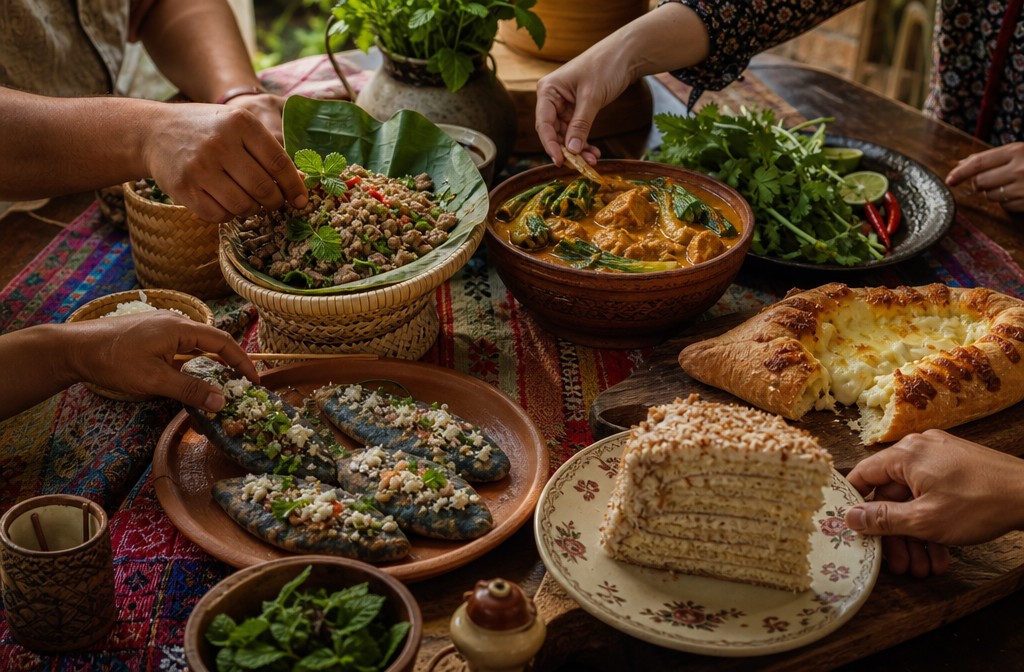
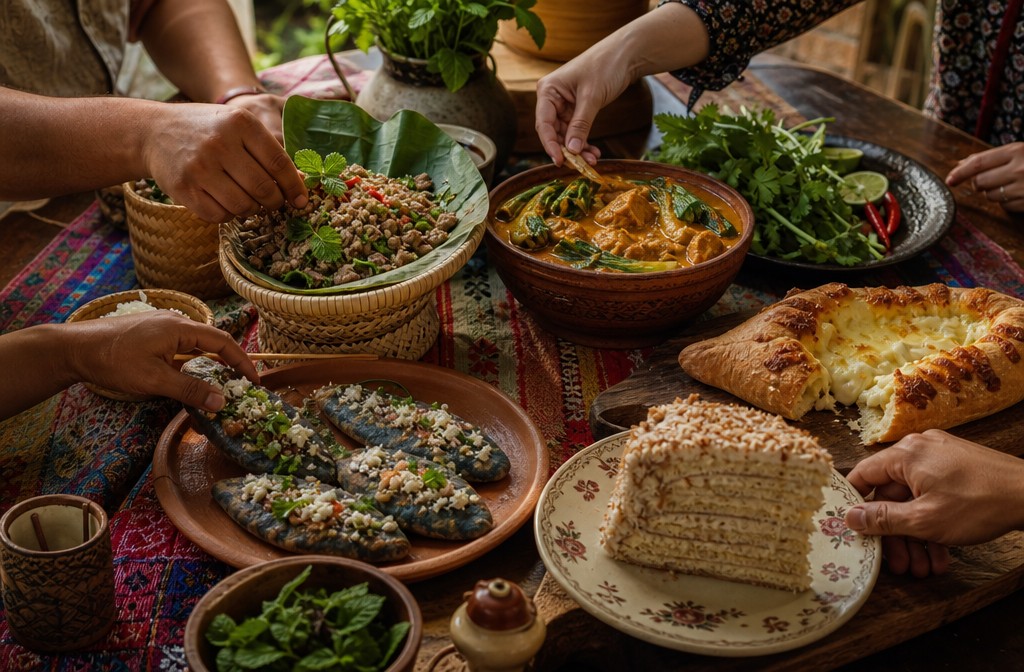
Chefs across the country are ditching trend-chasing in favor of cooking from their own cultural roots, bringing lesser-known regional dishes from Thai-Lao, Mexican indigenous, Georgian, and Appalachian traditions into home kitchens. Unsung Regional Cuisines at Home: Recipes from Chefs’ Personal Roots for 2026 represents a shift toward hyper-regional authenticity, where food tells personal stories rather than following viral moments. These recipes adapt traditional techniques for modern home cooks, emphasizing accessible ingredients, clear cultural context, and the kind of comfort that comes from cooking what your family actually ate.
Key Takeaways
- Hyper-regional cooking is defining 2026, with chefs sharing family recipes from specific regions rather than broad national cuisines
- Approximately 34% of new menu items in 2024 featured Asian-inspired or cross-regional flavors, signaling strong consumer demand for authentic regional food
- Home cooks want recipes that tell stories, not just deliver novelty or Instagram moments
- Ingredient substitutions are acceptable when they preserve technique and flavor balance, making regional cooking more accessible
- You don’t need specialty equipment for most regional dishes—a good knife, heavy pot, and mortar and pestle cover 80% of techniques
- Regional cuisine differs from fusion in that it respects historical foodways within a specific geography rather than blending for novelty
- Common mistakes include oversimplifying spice blends and skipping foundational techniques like toasting, blooming, or fermenting
- Online ingredient sourcing has improved dramatically, with specialty retailers shipping hard-to-find items nationwide within days
- Cooking classes focused on single regions offer better skill-building than general “international cooking” courses
- The 2026 trend favors comfort, nostalgia, and real-food ingredients over restrictive diets or flashy plating
What Are Unsung Regional Cuisines That Chefs Are Cooking at Home in 2026
Unsung regional cuisines in 2026 include Thai-Lao border cooking, Mexican indigenous foodways (Oaxacan, Yucatecan, Purépecha), Georgian mountain dishes, Filipino provincial cooking, Appalachian heritage recipes, and West African coastal traditions. These are hyper-specific food cultures that don’t fit neatly into the “Thai,” “Mexican,” or “Southern” categories most Americans know.
Chefs are cooking these dishes at home because they represent personal and family identity, not restaurant trends. For example, Thai-Lao cooking blends Isan (northeastern Thai) and Lao techniques—think sticky rice, fermented fish sauce (pla ra), and herb-heavy salads that rarely appear on mainstream Thai menus. Mexican indigenous cooking emphasizes pre-Columbian ingredients like huitlacoche (corn fungus), chapulines (grasshoppers), and blue corn, prepared using techniques passed down for generations.
Choose unsung regional cuisines if:
- You want to cook food with a clear cultural story and historical context
- You’re tired of the same rotation of “ethnic” recipes that have been Americanized
- You value learning techniques that connect to specific places and people
Georgian cooking, for instance, centers on dishes like khachapuri (cheese-filled bread) and khinkali (soup dumplings), which require specific folding and baking methods. Appalachian cooking includes stack cakes, leather britches (dried green beans), and ramp-based dishes that reflect mountain foodways and seasonal preservation.
How to Make Authentic Regional Dishes from Lesser-Known Cuisines
Start by learning the foundational techniques and core ingredients that define the region, then follow recipes from chefs or home cooks with direct cultural ties. Authenticity in regional cooking comes from respecting technique, ingredient ratios, and the cultural context—not from sourcing every single ingredient from the region of origin.
Step-by-step approach:
- Identify the region’s flavor base (e.g., Thai-Lao uses fish sauce, lime, chilies, and fresh herbs; Georgian uses walnuts, coriander, fenugreek, and sour plums)
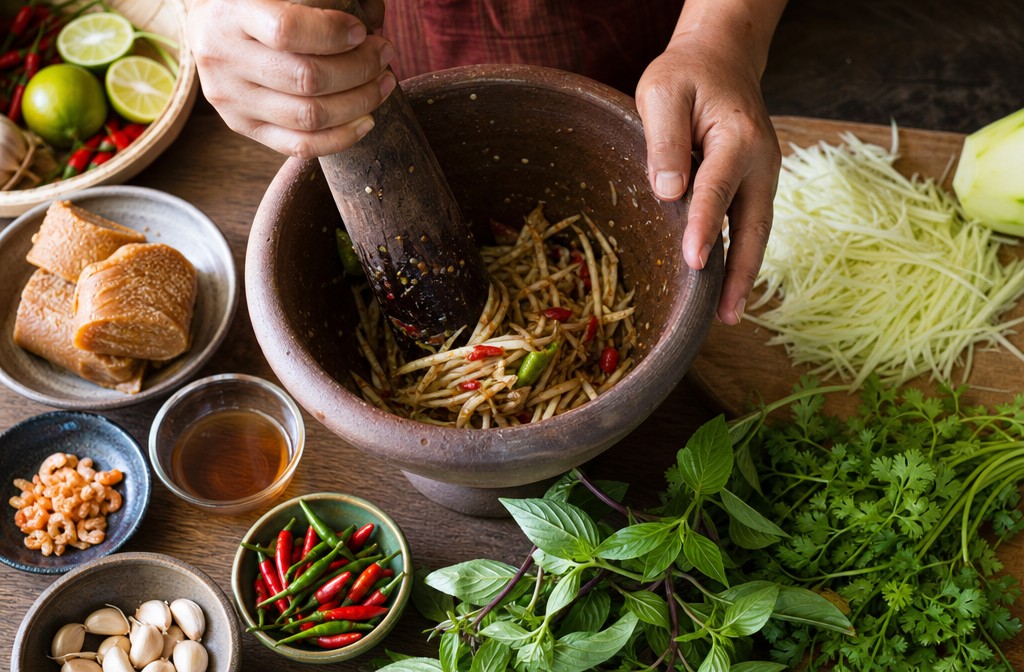
- Master one or two foundational recipes before expanding (start with som tam for Thai-Lao, khachapuri for Georgian)
- Learn the key techniques (pounding in a mortar for Thai-Lao, folding dough for Georgian, nixtamalization for Mexican indigenous)
- Source ingredients strategically—buy shelf-stable items in bulk online, substitute fresh herbs locally when possible
- Cook the dish multiple times to understand how flavors develop and balance
For example, making authentic Oaxacan mole negro requires toasting and grinding chilhuacle negro chiles, charring ingredients, and balancing bitter chocolate with fruit and spices. The technique matters more than finding the exact chile variety—understanding why you char the onions and how to bloom the spices will produce better results than obsessing over perfect ingredient matches.
Common mistake: Skipping the toasting, blooming, or fermentation steps because they seem optional. These steps build the foundational flavors that make regional dishes taste authentic. If a recipe calls for toasting spices or charring vegetables, don’t skip it.
Difference Between Regional Cuisine and Fusion Cooking
Regional cuisine refers to the traditional foodways of a specific geographic area, shaped by local ingredients, climate, history, and culture. Fusion cooking intentionally blends elements from two or more culinary traditions to create something new. The key difference is intent and historical context—regional cooking preserves and adapts what already exists; fusion invents.
For example, Thai-Lao larb gai (minced chicken salad with toasted rice powder, herbs, and lime) is regional cuisine because it reflects the actual food culture of the Thai-Lao border region. Korean-Mexican tacos are fusion because they combine Korean bulgogi flavors with Mexican taco format in a way that doesn’t exist in either culture’s traditional foodways.
Regional cuisine:
- Rooted in a specific place and community
- Passed down through generations
- Ingredients and techniques reflect local availability and tradition
- Changes slowly over time through adaptation, not invention
Fusion cooking:
- Deliberately combines elements from different culinary traditions
- Often chef-driven or trend-driven
- Prioritizes novelty, creativity, or cross-cultural appeal
- Can be delicious but doesn’t claim historical authenticity
Both have value, but in 2026, chefs are emphasizing regional cooking because it tells personal and cultural stories rather than chasing what’s trendy. If you’re cooking from your own roots or learning someone else’s heritage recipes, you’re engaging with regional cuisine. If you’re mixing Korean gochujang into Italian carbonara for fun, that’s fusion.
Where to Buy Ingredients for Obscure Regional Recipes Online
Specialty online retailers like Kalustyan’s, The Spice House, Rancho Gordo (for heirloom beans), ImportFood (Thai and Southeast Asian), and La Tienda (Spanish and Latin American) ship hard-to-find regional ingredients nationwide. Many also offer ingredient substitution guides and recipe suggestions.
Best online sources by region:
| Region | Recommended Retailers | Key Ingredients Available |
|---|---|---|
| Thai-Lao, Southeast Asian | ImportFood, Temple of Thai | Sticky rice, pla ra, galangal, makrut lime leaves |
| Mexican Indigenous | Rancho Gordo, MexGrocer | Heirloom beans, dried chiles, masa harina, epazote |
| Georgian, Caucasian | Kalustyan’s, The Silk Road | Adjika, blue fenugreek, sour plum sauce, Georgian spice blends |
| West African | Afrikiko, My Afro Caribbean | Scotch bonnet peppers, egusi seeds, dried fish, palm oil |
| Appalachian, Southern U.S. | Benton’s Smoky Mountain Country Hams, Anson Mills | Country ham, stone-ground grits, heirloom cornmeal |
Tips for online ingredient shopping:
- Buy shelf-stable items in bulk (dried chiles, spices, grains) to save on shipping
- Join email lists for specialty retailers—they often send discount codes and new product alerts
- Check ethnic grocery stores’ online shops in major cities (H Mart, Patel Brothers, etc.) for better prices than general retailers
- Read product reviews to confirm authenticity and quality, especially for spices and sauces
Edge case: If you live in a major metro area, visit ethnic grocery stores in person first. You’ll often find fresher herbs, better prices, and staff who can recommend substitutions or preparation tips.
Which Chefs Are Sharing Their Family Recipes from Their Cultural Roots
Chefs like Rocky Romruen (Narkara, Thai-Lao), Gabriela Cámara (Mexican coastal), Enrique Olvera (Mexican indigenous), and Tavel Bristol-Joseph (Canje, Guyanese-Caribbean) are publicly sharing family recipes and personal heritage dishes in 2026. These chefs frame their cooking around personal history and regional specificity rather than broad national cuisines.
Rocky Romruen, for example, has emphasized cooking from “their own roots and personal histories rather than chasing what’s trendy,” focusing on Thai-Lao border dishes that reflect his family’s foodways. Gabriela Cámara’s work highlights coastal Mexican cooking with indigenous ingredients and techniques passed down through generations.
Other notable chefs sharing heritage recipes in 2026:
- Maxine Sharf (cookbook author focusing on nourishing, culturally rooted cooking)
- Kwame Onwuachi (Afro-Caribbean and Nigerian family recipes)
- Vishwesh Bhatt (South Indian home cooking adapted for American kitchens)
- Sean Brock (Appalachian and Southern heritage grains and preservation)
Many of these chefs publish recipes through cookbooks, social media, and cooking classes rather than keeping them restaurant-exclusive. The shift reflects a broader 2026 trend toward food as identity and transparency about cultural origins.
Where to find their recipes:
- Cookbooks (often include family stories and cultural context)
- Instagram and TikTok (short-form recipe videos with personal narration)
- Online cooking platforms (MasterClass, Milk Street, America’s Test Kitchen collaborations)
- Magazine features (Bon Appétit, Saveur, Food & Wine)
If you’re interested in learning from chefs’ personal roots, look for cookbooks that include family photos, regional maps, and ingredient glossaries—these signal a deeper commitment to cultural storytelling.
Is Cooking Regional Cuisine at Home Harder Than Restaurant-Style Cooking
Cooking regional cuisine at home is often easier than restaurant-style cooking because it prioritizes technique, flavor balance, and simple ingredients over plating, precision timing, and complex multi-component dishes. Regional home cooking was designed to be practical, using what’s available and feeding families rather than impressing diners.
Restaurant cooking requires skills like emulsifying sauces, plating for visual impact, and coordinating multiple dishes to finish simultaneously. Regional home cooking focuses on one-pot meals, slow cooking, and forgiving techniques like braising, stewing, and grilling. For example, Filipino kare-kare (oxtail and vegetable stew in peanut sauce) is a straightforward braise that improves with time, while a restaurant-style French beef bourguignon demands precise searing, deglazing, and sauce reduction.
Regional cooking is easier if:
- You’re comfortable with basic knife skills and heat control
- You can follow a recipe and adjust seasoning by taste
- You have time for slow cooking (many regional dishes benefit from low-and-slow methods)
Restaurant cooking is harder because:
- It requires precise timing and temperature control
- Plating and presentation add complexity
- Recipes often involve multiple sub-recipes (stocks, sauces, garnishes)
Common mistake: Assuming regional dishes need to look restaurant-perfect. Home-style regional cooking is meant to be rustic, generous, and family-style. A perfectly plated som tam isn’t more authentic than one served in a simple bowl with sticky rice on the side.
If you’re new to cooking, start with regional recipes that use familiar techniques—grilling, roasting, sautéing—before moving to fermentation, dough-making, or spice-grinding.
Common Mistakes When Trying to Recreate Authentic Regional Dishes
The most common mistakes are oversimplifying spice blends, skipping foundational techniques, and substituting ingredients without understanding their role. Regional dishes rely on layered flavors built through specific steps—toasting, blooming, charring, fermenting—that can’t be shortcut without losing authenticity.
Top mistakes and how to avoid them:
Using pre-ground spices instead of toasting and grinding whole spices
Fix: Buy whole spices, toast them in a dry pan until fragrant, then grind in a spice grinder or mortar. The flavor difference is dramatic.Skipping the charring or toasting step for vegetables, chiles, or aromatics
Fix: If a recipe calls for charring onions, garlic, or chiles, do it. This step adds depth and smokiness that can’t be replicated.Substituting ingredients without understanding their function
Fix: Learn whether an ingredient provides acidity, fat, umami, heat, or texture before swapping. For example, fish sauce in Thai-Lao cooking provides umami and salt—soy sauce is a better substitute than Worcestershire.Rushing slow-cooked dishes
Fix: Regional braises, stews, and curries develop flavor over time. If a recipe says “simmer for 2 hours,” don’t cut it to 30 minutes.Over-measuring and under-tasting
Fix: Regional cooking is often done by taste and feel. Use measurements as a guide, but adjust seasoning, acidity, and heat to your preference.Ignoring texture and temperature
Fix: Many regional dishes have specific texture goals (crispy skin, tender meat, chewy noodles). Pay attention to cooking methods and doneness cues.
Edge case: Some regional dishes require fermented or aged ingredients (fish sauce, miso, aged chiles) that can’t be made quickly at home. In these cases, buy high-quality commercial versions rather than trying to DIY.
What Regional Cuisines Are Trending for Home Cooks in 2026
Thai-Lao, Mexican indigenous (Oaxacan, Yucatecan), Georgian, Filipino provincial, West African coastal, and Appalachian heritage cooking are the top trending regional cuisines for home cooks in 2026. These cuisines emphasize comfort, nostalgia, and hyper-regional authenticity rather than novelty or fusion.
The trend is driven by chefs cooking from their own roots and consumers seeking food that tells a story. Approximately 34% of new menu items launched in 2024 featured Asian-inspired or cross-regional flavors, and that momentum has carried into home cooking in 2026.
Why these cuisines are trending:
- Thai-Lao: Herb-heavy, bright, and accessible; sticky rice and larb are easy entry points
- Mexican indigenous: Pre-Columbian ingredients and techniques offer depth beyond Tex-Mex
- Georgian: Cheese-filled breads and dumpling-making are tactile, fun, and shareable
- Filipino: One-pot stews and vinegar-forward flavors are comforting and practical
- West African coastal: Bold spices, stews, and rice dishes fit the comfort-food trend
- Appalachian: Preservation techniques (pickling, drying, canning) and seasonal cooking appeal to sustainability-minded cooks
Choose these cuisines if:
- You want to learn techniques that connect to specific cultural stories
- You’re looking for comfort food that’s not Italian, French, or American diner-style
- You value ingredient-driven cooking with clear flavor profiles
For practical home cooking, start with one-pot dishes like Filipino adobo, Georgian khachapuri, or Appalachian beans and greens. These recipes are forgiving, scale well, and teach foundational techniques.
How Do I Adapt Traditional Regional Recipes for Modern Kitchens
Adapt traditional regional recipes by substituting hard-to-find ingredients with functional equivalents, using modern appliances for time-consuming steps, and scaling recipes for smaller households. The goal is to preserve technique and flavor balance while making the recipe practical for home cooks.
Adaptation strategies:
1. Ingredient substitutions (preserve function, not exact match)
- Thai-Lao pla ra (fermented fish sauce) → high-quality fish sauce + a pinch of shrimp paste
- Mexican epazote → fresh oregano or cilantro (won’t be exact, but provides herbal freshness)
- Georgian sour plum sauce → tamarind paste + a touch of sugar
- Appalachian ramps → scallions + garlic (milder, but similar onion-garlic profile)
2. Modern appliance shortcuts
- Use a food processor to grind spices instead of a mortar and pestle (pulse, don’t over-process)
- Pressure cookers or Instant Pots can replace hours of simmering for braises and stews
- Blenders work for smooth sauces and pastes (though texture may differ slightly)
3. Scaling for smaller households
- Halve or quarter recipes, but keep spice ratios the same (taste and adjust)
- Freeze extra portions in single-serving containers for quick meals
- Make full batches of spice pastes or sauces and freeze in ice cube trays
4. Simplify multi-day recipes
- If a recipe requires overnight marinating, 2-4 hours often works (though flavor will be less developed)
- Make components ahead: toast and grind spices, prep vegetables, marinate proteins the night before
Common mistake: Changing too many things at once. If you’re substituting an ingredient, using a different cooking method, and scaling the recipe, you won’t know what works and what doesn’t. Make one change at a time.
Edge case: Some techniques can’t be shortcut without losing authenticity. Nixtamalization (treating corn with lime to make masa), fermentation, and slow smoking require time and specific conditions. For these, either commit to the process or buy prepared versions (masa harina, fermented pastes, smoked meats).
For more guidance on adapting recipes for home kitchens, see our complete guide to juicy cooking methods.
Best Cookbooks Featuring Chefs’ Personal Heritage Recipes in 2026
The best cookbooks in 2026 for chefs’ personal heritage recipes include titles that combine family stories, regional context, and accessible home cooking instructions. Look for cookbooks that include cultural essays, ingredient glossaries, and photos of the chef’s family or region.
Top recommendations:
- “Night + Market: Delicious Thai Food to Facilitate Drinking and Fun-Having Amongst Friends” by Kris Yenbamroong (Thai-Lao and Isan regional cooking)
- “My Mexico City Kitchen” by Gabriela Cámara (coastal Mexican with indigenous ingredients)
- “Motherland” by Tanya Holland (African American and West African heritage cooking)
- “The Sioux Chef’s Indigenous Kitchen” by Sean Sherman (pre-colonial Native American foodways)
- “Heritage” by Sean Brock (Appalachian and Southern heirloom ingredients)
- “7,000 Islands” by Yasmin Newman (Filipino provincial and family recipes)
What to look for in a heritage cookbook:
- Cultural context: Essays or sidebars explaining the history and significance of dishes
- Ingredient sourcing: Where to buy specialty items or what to substitute
- Technique explanations: Step-by-step photos or detailed instructions for unfamiliar methods
- Family stories: Personal anecdotes that connect recipes to the chef’s roots
- Recipe accessibility: Ingredients and equipment that home cooks can realistically find or substitute
Avoid cookbooks that:
- List ingredients without explaining their role or offering substitutions
- Skip cultural context in favor of trendy plating or photography
- Require professional equipment or techniques without offering home alternatives
If you’re new to a regional cuisine, start with a cookbook that includes a glossary and pantry guide. This will help you understand the foundational ingredients and how they’re used across multiple recipes.
For more ideas on adapting traditional recipes, check out our guide to easy weeknight dinners.
Why Are Lesser-Known Regional Cuisines Becoming Popular Now
Lesser-known regional cuisines are becoming popular in 2026 because consumers want food that tells personal stories, reflects cultural identity, and offers comfort during uncertain times. The shift away from flashy, trend-driven cooking toward honest, well-made food has made hyper-regional authenticity more appealing than fusion or novelty.
Economic and sociopolitical instability in recent years has driven demand for comfort in the form of old favorites, and regional cooking delivers that through dishes rooted in family, place, and tradition. Chefs are also rejecting the pressure to chase trends, instead cooking from their own roots and personal histories.
Key drivers of the trend:
- Food as identity: Consumers increasingly see food choices as expressions of cultural identity and values
- Authenticity over novelty: Diners and home cooks are tired of fusion and Instagram-bait dishes
- Comfort and nostalgia: Regional dishes evoke memories and provide emotional comfort
- Chef-driven storytelling: Chefs are sharing family recipes and cultural context, making regional cooking more accessible
- Improved ingredient access: Online retailers and specialty grocers make it easier to source regional ingredients
Edge case: Some regional cuisines are also gaining attention because of diaspora communities sharing their food culture online. Filipino, West African, and Georgian cooking, for example, have strong social media presences that introduce these cuisines to broader audiences.
The 2026 trend is less about discovering “exotic” food and more about respecting and learning from specific cultural foodways. If you’re cooking regional dishes, approach them with curiosity and respect for the people and places they come from.
Can I Substitute Ingredients in Traditional Regional Recipes Without Losing Authenticity
Yes, you can substitute ingredients in traditional regional recipes as long as you preserve the ingredient’s function and the dish’s overall flavor balance. Authenticity in regional cooking is about respecting technique, ratios, and cultural context—not sourcing every ingredient from the region of origin.
When substitutions work:
- The substitute performs the same function (acidity, fat, umami, heat, texture)
- The overall flavor profile remains balanced
- You’re adapting for practical reasons (availability, cost, dietary needs) rather than changing the dish’s identity
Examples of successful substitutions:
- Thai-Lao larb: Substitute mint for Vietnamese coriander (rau ram)—both provide fresh, herbal notes
- Mexican mole: Use ancho chiles instead of chilhuacle negro—similar mild, fruity heat
- Georgian khachapuri: Use mozzarella and feta instead of sulguni and imeruli cheese—similar melt and tang
- Filipino adobo: Use apple cider vinegar instead of cane vinegar—both provide acidity
When substitutions don’t work:
- The ingredient is the dish’s defining flavor (e.g., fish sauce in Thai-Lao cooking, masa in Mexican tamales)
- The substitute changes the texture or cooking method (e.g., using cornstarch instead of masa harina)
- You’re substituting for novelty rather than necessity
Common mistake: Substituting based on what’s in your pantry without considering function. For example, replacing fish sauce with soy sauce in a Thai-Lao recipe will make the dish taste more Chinese than Thai-Lao because soy sauce lacks the funky, fermented depth of fish sauce.
Best practice: If you must substitute, taste as you go and adjust other seasonings to maintain balance. If you’re replacing a sour ingredient, you may need to add more acid. If you’re swapping a fatty ingredient, you may need to adjust salt or spice.
For more on maintaining flavor balance, see our guide to tender cooking techniques.
What Equipment Do I Need to Cook Regional Cuisines at Home
Most regional cuisines require only basic kitchen equipment: a good chef’s knife, a heavy-bottomed pot or Dutch oven, a cast-iron skillet, and a mortar and pestle. Specialty equipment can improve results but is rarely essential—technique and ingredient quality matter more.
Essential equipment (covers 80% of regional cooking):
- Chef’s knife (8-inch): For chopping, slicing, and mincing
- Heavy-bottomed pot or Dutch oven: For braises, stews, and one-pot meals
- Cast-iron skillet: For searing, grilling, and high-heat cooking
- Mortar and pestle: For grinding spices, making pastes, and pounding herbs
- Wooden spoon and silicone spatula: For stirring and scraping
- Cutting board (large): For prep work
Nice-to-have equipment (improves efficiency):
- Spice grinder or coffee grinder: Faster than mortar and pestle for large batches
- Food processor: For grinding nuts, making pastes, and chopping vegetables
- Pressure cooker or Instant Pot: Speeds up braises and stews
- Steamer basket: For dumplings, tamales, and steamed vegetables
- Grill or grill pan: For charring and adding smokiness
Region-specific equipment (optional):
- Thai-Lao: Sticky rice steamer (bamboo basket and pot)
- Mexican: Tortilla press, comal (griddle)
- Georgian: Khachapuri pan (round, shallow baking dish)
- Filipino: Wok or large skillet for adobo and stir-fries
- Appalachian: Canning jars and lids for preserving
Common mistake: Buying specialty equipment before learning the basics. Start with essential tools and add specialty items only after you’ve cooked a region’s dishes multiple times and know what you’ll use.
Edge case: Some techniques require specific equipment that’s hard to substitute. For example, making Georgian khinkali (soup dumplings) is much easier with a pasta roller or dumpling press, and steaming sticky rice requires a bamboo basket. If you’re serious about a region’s cooking, invest in the key tools after you’ve mastered a few foundational recipes.
For more on essential cooking techniques, see our guide to juicy cooking methods.
Are Regional Cuisine Cooking Classes Worth It for Beginners
Yes, regional cuisine cooking classes are worth it for beginners if they focus on a single region, teach foundational techniques, and include cultural context. Classes that cover multiple cuisines or emphasize novelty over technique are less valuable for building real skills.
What makes a regional cooking class worthwhile:
- Single-region focus: Learn Thai-Lao, Georgian, or Oaxacan cooking in depth rather than “international cuisine”
- Technique-driven: Emphasis on knife skills, spice-toasting, dough-making, or other foundational methods
- Cultural context: Instructor shares stories, history, and ingredient knowledge
- Hands-on practice: You cook the dishes yourself rather than watching a demo
- Recipe packet and ingredient list: Take-home materials so you can recreate dishes
Where to find quality regional cooking classes:
- Local culinary schools: Often offer weekend or evening classes in specific cuisines
- Community centers and cultural organizations: Classes taught by home cooks or chefs from the region
- Online platforms: MasterClass, Milk Street, and America’s Test Kitchen offer chef-led regional cooking courses
- Restaurant pop-ups and chef collaborations: Some chefs offer small-group classes in their restaurants
Cost vs. value:
- In-person classes typically cost $75-$150 for a 2-3 hour session
- Online courses range from $15 (single class) to $180 (full series)
- Classes are worth it if you’re serious about learning a region’s cooking and want expert guidance
- Skip classes if you’re just looking for a fun activity—YouTube and cookbooks are cheaper for casual learning
Common mistake: Taking a class without doing any prep. Read about the region’s food culture, watch a few recipe videos, and familiarize yourself with key ingredients before the class. You’ll get more out of the instruction if you already have context.
Edge case: If you live in a city with a strong diaspora community (e.g., large Filipino, West African, or Georgian populations), look for classes taught by home cooks or community members rather than professional chefs. These classes often provide deeper cultural insight and more authentic techniques.
For more on building cooking skills, check out our guide to easy dinner ideas.
Frequently Asked Questions
What is the difference between regional and national cuisine?
Regional cuisine refers to the food traditions of a specific geographic area within a country, shaped by local ingredients, climate, and culture. National cuisine is a broader category that encompasses multiple regional styles. For example, Thai-Lao is a regional cuisine; Thai is a national cuisine that includes Thai-Lao, Southern Thai, and Central Thai styles.
Can I cook regional dishes without visiting the region?
Yes, you can cook authentic regional dishes at home by learning from chefs or home cooks with direct cultural ties, sourcing quality ingredients online, and respecting traditional techniques. While visiting the region provides deeper cultural context, it’s not required to cook the food well.
How do I know if a recipe is authentic?
Look for recipes from chefs or home cooks with direct ties to the region, published in reputable cookbooks or culinary platforms. Authentic recipes include cultural context, explain ingredient functions, and don’t oversimplify techniques. Be wary of recipes that claim to be “authentic” but skip foundational steps or use non-traditional ingredients without explanation.
Are regional cuisines healthier than mainstream American food?
Many regional cuisines emphasize whole foods, vegetables, legumes, and balanced flavors, which can be healthier than processed American food. However, “healthy” depends on the specific dishes and how they’re prepared. Regional cooking often includes generous amounts of fat, salt, and carbohydrates, which are part of the cultural tradition.
What’s the easiest regional cuisine for beginners?
Filipino and Appalachian cuisines are beginner-friendly because they use familiar techniques (braising, roasting, pickling) and accessible ingredients. Thai-Lao and Mexican indigenous cooking require more specialty ingredients but are still approachable for home cooks willing to source online.
How long does it take to learn a regional cuisine?
You can cook basic regional dishes after learning 3-5 foundational recipes, which takes a few weeks of practice. Mastering a region’s cooking—understanding ingredient ratios, techniques, and cultural context—takes months to years of regular cooking and study.
Do I need to speak the language to cook regional food?
No, but learning a few key food terms in the region’s language helps you understand ingredients, techniques, and recipe names. Many cookbooks and online resources include glossaries and pronunciation guides.
Can I make regional dishes vegetarian or vegan?
Many regional dishes can be adapted for vegetarian or vegan diets by substituting plant-based proteins and using vegetable stock instead of meat-based broths. However, some dishes rely on meat, fish, or dairy for their defining flavor, and substitutions may change the dish’s identity.
What if I can’t find a specific ingredient?
Substitute based on the ingredient’s function (acidity, fat, umami, heat, texture) rather than exact match. Use online ingredient guides, ask in specialty grocery stores, or consult the cookbook’s substitution notes. When in doubt, omit the ingredient rather than using something that changes the dish’s flavor profile.
Are regional cuisines expensive to cook at home?
Not necessarily. Many regional dishes use affordable staples like rice, beans, vegetables, and inexpensive cuts of meat. Specialty ingredients can be pricey, but buying in bulk online and using substitutions keeps costs manageable. Regional cooking is often more economical than restaurant-style cooking because it emphasizes simple, ingredient-driven dishes.
How do I store specialty ingredients?
Store dried spices, chiles, and grains in airtight containers in a cool, dark place. Refrigerate fresh herbs, pastes, and sauces. Freeze extra portions of spice pastes, sauces, and cooked dishes in small containers for quick meals. Most specialty ingredients last months to years if stored properly.
Can kids help cook regional dishes?
Yes, many regional dishes involve hands-on tasks like mixing, shaping dough, or assembling ingredients that kids can help with. Choose recipes with simple steps and supervise tasks involving heat, sharp knives, or hot oil.
Conclusion
Unsung Regional Cuisines at Home: Recipes from Chefs’ Personal Roots for 2026 represents a meaningful shift toward cooking that honors cultural identity, personal history, and hyper-regional authenticity. By learning from chefs who cook from their own roots—Thai-Lao, Mexican indigenous, Georgian, Filipino, West African, and Appalachian traditions—home cooks can create dishes that tell stories, provide comfort, and connect to specific places and people.
Your next steps:
- Choose one regional cuisine that interests you and start with 2-3 foundational recipes
- Invest in a good cookbook that includes cultural context, ingredient guides, and technique explanations
- Source specialty ingredients online from reputable retailers and buy shelf-stable items in bulk
- Master basic techniques (toasting spices, charring vegetables, balancing flavors) before moving to advanced recipes
- Cook the same dish multiple times to understand how flavors develop and how to adjust by taste
- Share your cooking with friends and family, and tell the stories behind the dishes
Regional cooking in 2026 is about respecting tradition while making it accessible for modern home kitchens. You don’t need to be perfect or source every ingredient from the region of origin—what matters is learning the techniques, understanding the cultural context, and cooking with intention. Start simple, stay curious, and enjoy the process of connecting to food that has deep roots and real meaning.
SEO Meta Title: Regional Cuisines at Home: Chefs’ Heritage Recipes 2026