
Is It Normal for Chicken Breast to Have Red Spots? Safety Guide
Is it normal for chicken breast to have red spots? Yes, this is often normal. These spots usually show bruising, broken capillaries, or leftover blood vessels rather than spoilage.
You still need to check smell, texture, package condition, and the use-by date before you cook it.
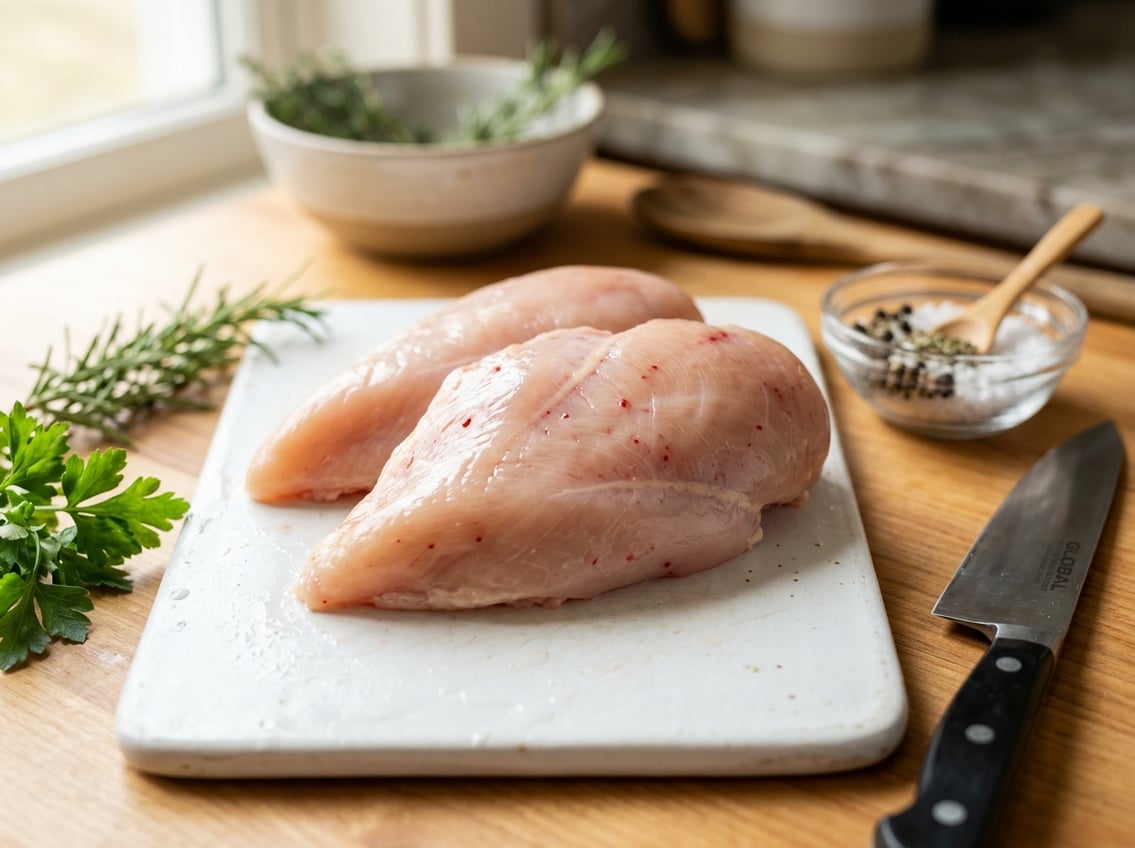
If the chicken smells fresh, feels firm, and has no other spoilage signs, small red spots on chicken breasts are usually safe to cook.
These red spots can look alarming, especially on raw chicken in a sealed package. The color change is often local and cosmetic.
Red chicken that also smells sour, feels slimy, or looks gray should be thrown out.
When Red Spots Are Normal and Still Safe
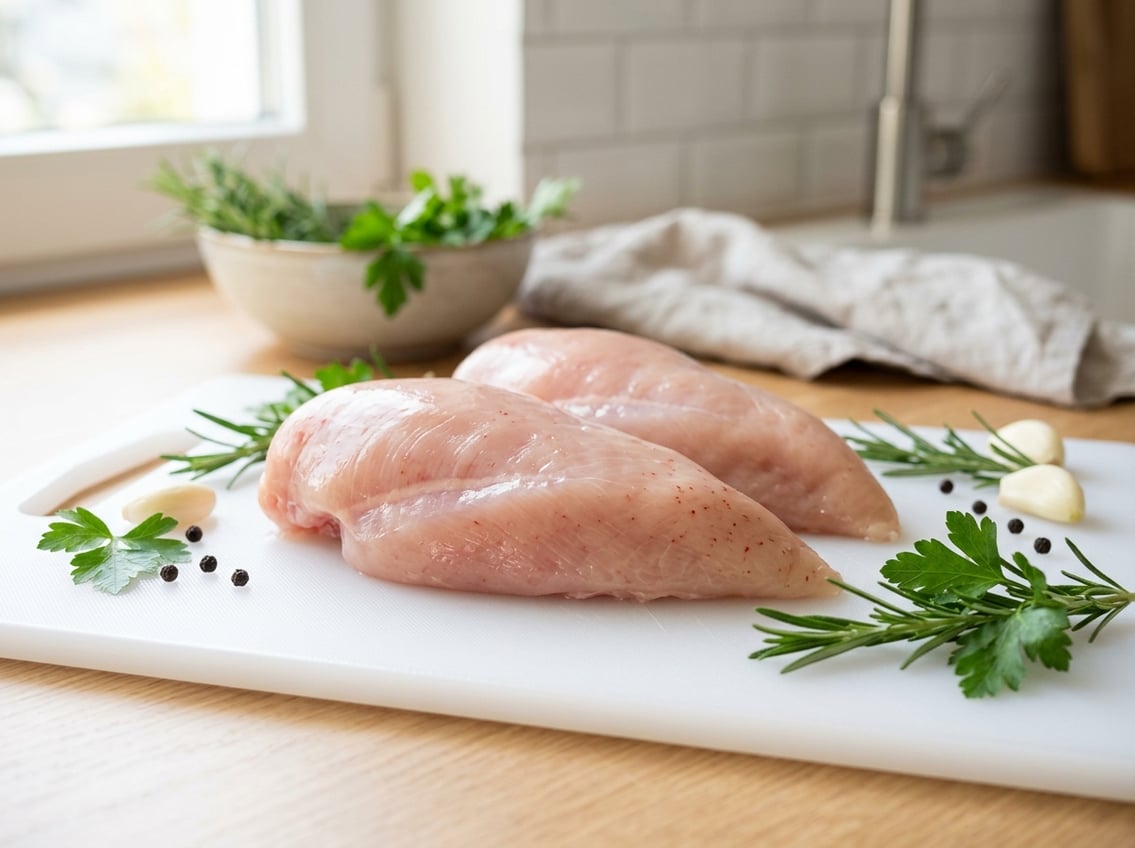
Small red spots often happen because of how the bird was handled and processed. If the rest of the meat looks normal, these spots do not automatically mean the chicken breast is unsafe.
Blood Spots, Broken Capillaries, and Mild Bruising
Tiny blood spots, broken capillaries, or mild bruising during transport or processing often cause red spots on raw chicken. These marks can also appear near the skin, muscle, or bone.
You may see them as red, dark red, or even purple areas. In many cases, they are just leftover color in the tissue.
Why Chicken Breast Can Show Red Areas After Processing
Pressing, handling, cutting, or chilling the meat after slaughter can cause red areas to appear. If blood vessels break during processing, the color can stay visible even if the chicken is fresh.
Some red chicken near the bone may also come from bone marrow pigment. That can look unusual, but it is not the same as spoilage.
How Organic Chicken and Air-Chilled Poultry Can Look Different
Organic chicken can still have red spots, since organic labels do not remove the chance of bruising or capillary damage. The label tells you more about the farming method than the appearance of the meat.
Air-chilled poultry may look a little different from water-chilled poultry because the surface can stay less wet and show marks more clearly. The color can be more noticeable, even when the meat is fine to eat.
How to Tell Whether the Meat Has Gone Bad
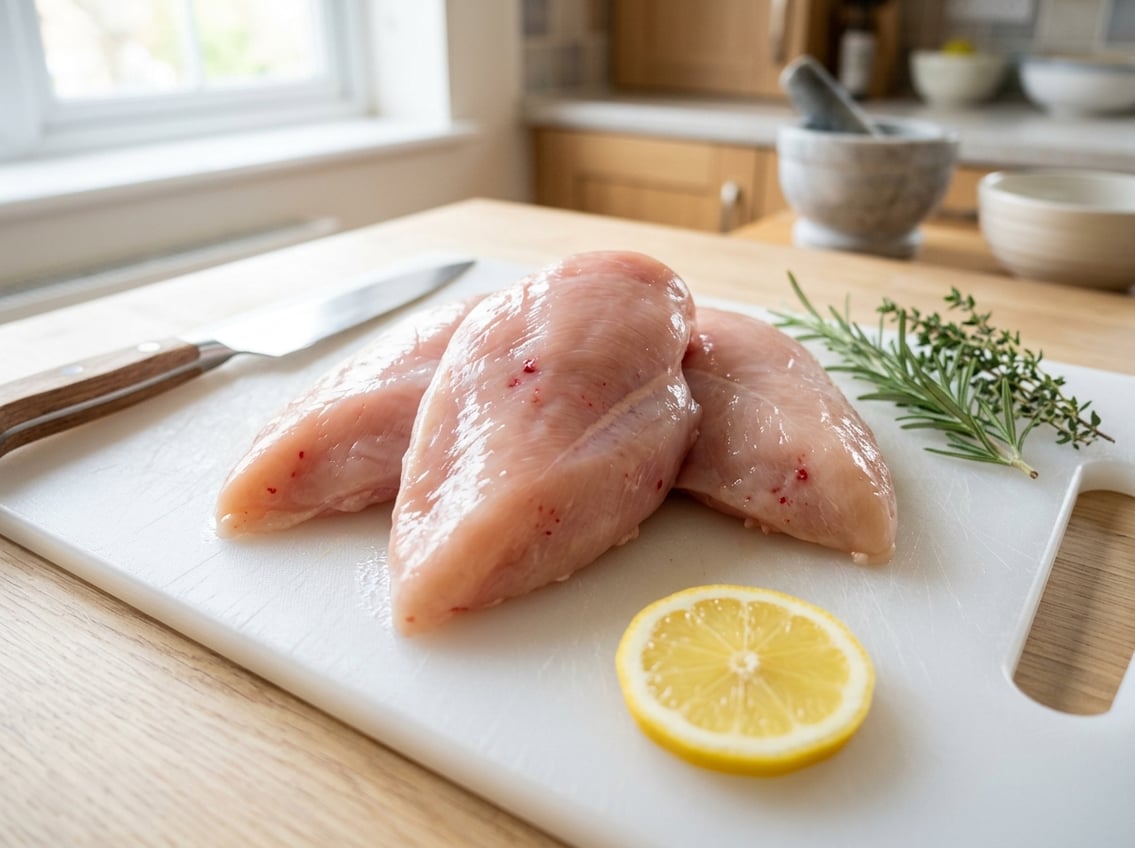
To check if chicken has gone bad, start with the simple signs that matter most, not just the red spots. Spoilage usually shows up through smell, texture, color, and damaged packaging.
Color Changes That Are More Concerning Than Red Specks
Fresh raw chicken is usually pink and fleshy. A dull gray cast, green tones, or widespread yellowing are more concerning than a few isolated red spots.
If the chicken looks slimy and has strange color changes at the same time, it is safer to discard it.
Smell, Texture, and Package Leaks to Check First
A fresh package should smell mild or nearly neutral. A sour, rotten, or ammonia-like smell is a strong warning sign.
Raw chicken should feel moist, not sticky or slimy. Check the package for leaks, excess liquid, swelling, or broken seals before you decide to cook it.
When to Discard Chicken Instead of Cooking It
Throw the chicken away if it is past the use-by date, smells off, feels tacky, or shows green or gray discoloration. If the package leaked in your fridge, you should also discard it.
When you are unsure, it is safer to lose the meat than risk food poisoning.
What to Do Before Cooking
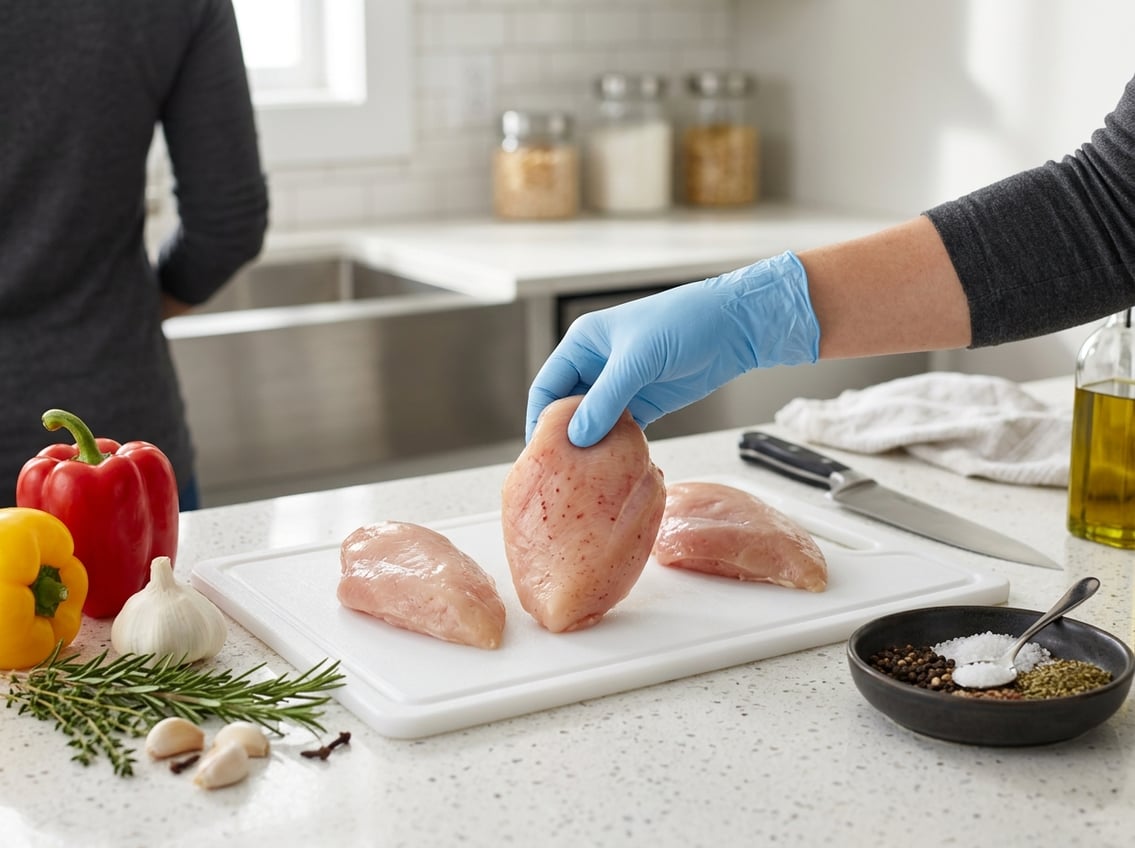
Before cooking, decide whether the red spots are just cosmetic or whether they come with warning signs. If the chicken still passes the smell and texture check, you can prepare it normally.
Trim, Pat Dry, or Leave the Spots Alone
You can trim off small red spots if they bother you visually, especially if they are localized. Patting the meat dry can also help you inspect the surface more clearly.
If the spots are tiny and the rest of the meat looks fresh, leaving them alone is fine.
Why Washing Poultry Can Spread Bacteria
Do not wash raw chicken at the sink. Washing can splash bacteria onto counters, utensils, and nearby food, which raises the chance of cross-contamination.
Place the chicken directly into the pan, baking dish, or prep tray after a quick inspection. Clean your hands, tools, and surfaces with soap and hot water after contact with raw poultry.
Safe Cooking Temperature for Chicken Breast
Cook chicken breast to 165°F in the thickest part for safety. Use a food thermometer, especially if the meat had red spots or looked uneven in color.
The internal temperature matters more than the surface color. Red specks, pink patches, or light bone-area color can still be safe once the chicken reaches the right temperature.
Buying and Storing Chicken With Fewer Quality Issues
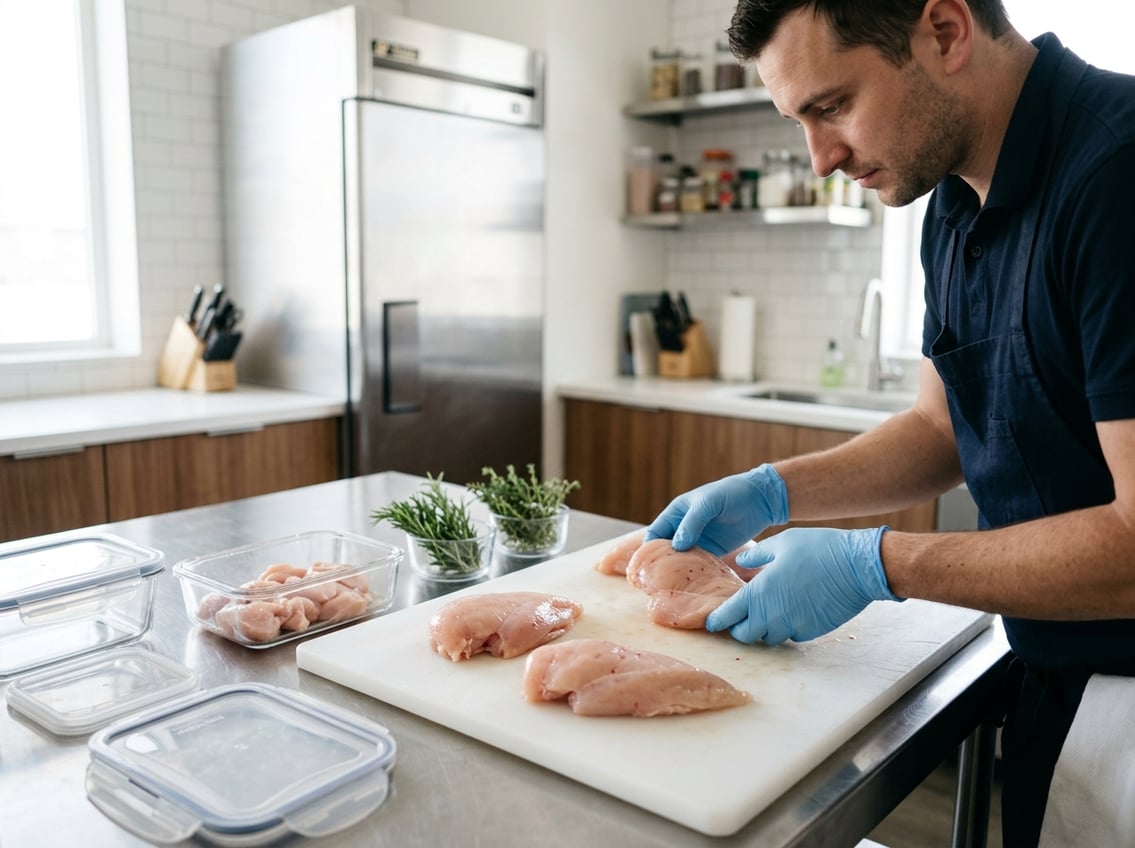
You can lower the chance of seeing red spots by choosing better packages and storing them the right way at home. Good handling also helps the meat stay fresh longer.
How to Choose Better Packages at the Store
Pick packages with intact seals, no tears, and no leaking liquid. Avoid trays with dark pooling liquid, strong odors, or meat that looks dull through the wrap.
Choose chicken from stores with high turnover, so the meat is less likely to sit for long periods. A package that looks evenly pink and clean is usually a better pick than one with obvious bruising or patchy red marks.
How to Store Raw Chicken Safely at Home
Store raw chicken in the coldest part of the refrigerator and keep it in a sealed container or on a plate that can catch leaks. This helps protect other foods from drips.
Use or freeze raw chicken within 1 to 2 days of purchase. If you need more time, freezing is a safe option for extending storage.
When Better Sourcing May Reduce Visible Red Markings
Choosing organic chicken or air-chilled poultry sometimes reduces surface moisture. This can make packaging easier to inspect.
You may also get a better view of bruising before you buy. No sourcing method removes all red spots on chicken.
Buy from sellers who handle meat well. Always inspect the meat carefully before cooking.


