
Is It Good to Eat Chicken Breast Before Workout? Timing & Benefits
You may wonder if it is good to eat chicken breast before workout. The short answer is yes, when your timing and portion size fit your training.
Chicken breast gives you lean protein that can support muscle repair. It works best when you treat it as part of a balanced pre-workout meal rather than a stand-alone food.

The main question is whether your stomach, workout type, and meal timing can handle it well.
When you eat it at the right time, chicken breast can fit well into pre-workout meals for strength training, longer gym sessions, or days when you need more staying power. It is less useful right before fast, intense exercise, when digestion can get in the way.
When Chicken Breast Works Best Before Training
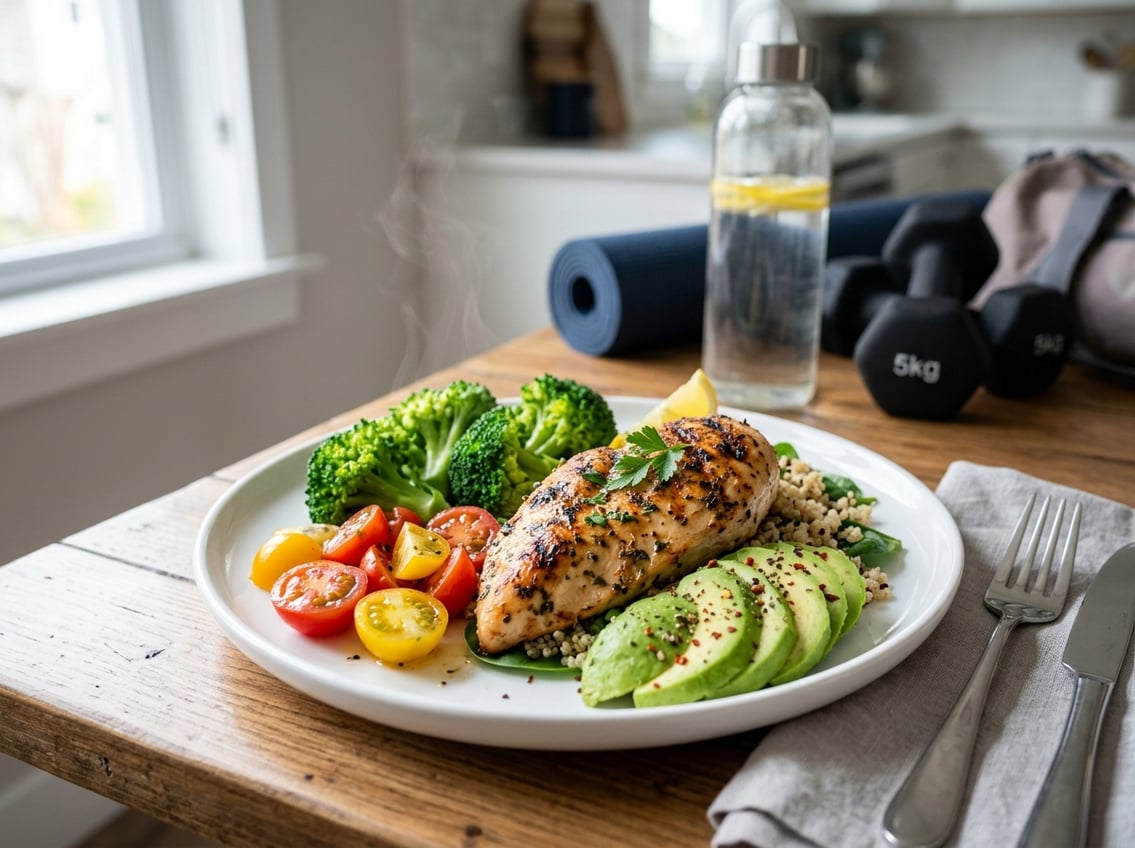
Chicken breast is a strong choice when you have enough time to digest a pre-workout meal and you want steady fuel before training. It works best as part of pre-workout nutrition that includes carbs and enough fluid.
If your meal is too close to training, even a lean protein can feel slow to digest. Timing of pre-workout meals often matters more than the food itself.
Who Benefits Most From Eating It Before Exercise
You may benefit most if you lift weights, do moderate to long sessions, or train after a meal gap. People trying to preserve muscle while training, or anyone who wants a more filling pre-workout meal, often do well with chicken breast.
It can also help if you prefer savory foods over shakes or sweet snacks.
Why Timing Matters More Than the Food Alone
Chicken breast is lean, yet it still needs time to digest. According to Anna Tastes, eating it too close to a workout can lead to stomach upset, nausea, or cramps, especially if your digestion is sensitive.
If you eat 1 to 2 hours before training, your body has more time to handle the food.
How Workout Type Changes the Best Choice
For strength training, chicken breast often fits well because you can use the protein support and pair it with carbs. For a long cardio session, a lighter pre-workout meal may work better if you are short on time.
For high-intensity workouts, you may do better with simpler pre-workout meals that digest faster. The more immediate the session, the more important it is to keep food light.
How Chicken Breast Supports Performance and Muscle
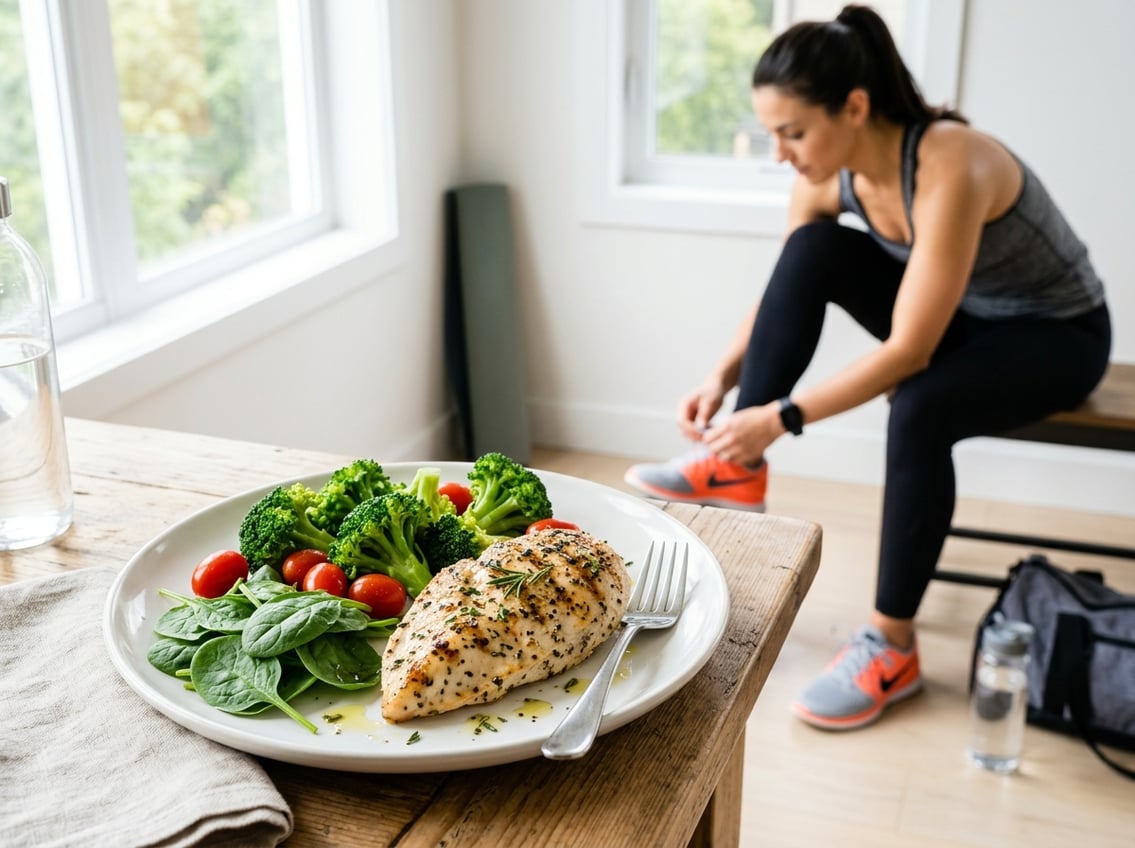
Chicken breast supports training mainly through its lean protein content. It also pairs well with carbs, which help fill glycogen stores and support workout energy.
The biggest benefit comes when you use it as part of a full meal.
Lean Protein and Pre-Workout Protein Benefits
Chicken breast is a classic source of lean protein. One cooked, skinless breast often provides around 31 grams of protein, according to Hercules Bodybuilding.
Pre-workout protein can help reduce muscle breakdown during training. It may also make you feel more satisfied, which helps if you train after a long stretch without food.
Muscle Protein Synthesis and Muscle Growth
Protein before training can support muscle protein synthesis, the process your body uses to build and repair muscle tissue. Chicken breast is also known for its amino acid profile, including leucine, which plays a role in muscle protein synthesis.
Chicken breast works best when your total training, total protein intake, and recovery are all in place.
Carbs, Glycogen Stores, and Sustained Energy
Chicken breast gives you protein, not much carbohydrate. You should usually pair it with carbs if you want better workout fuel and fuller glycogen stores.
Research summaries from The New York Times and Scott Free Clinic point to high-quality protein plus complex carbs as a smart pre-workout meal for steady energy.
Best Timing, Portions, and Food Pairings
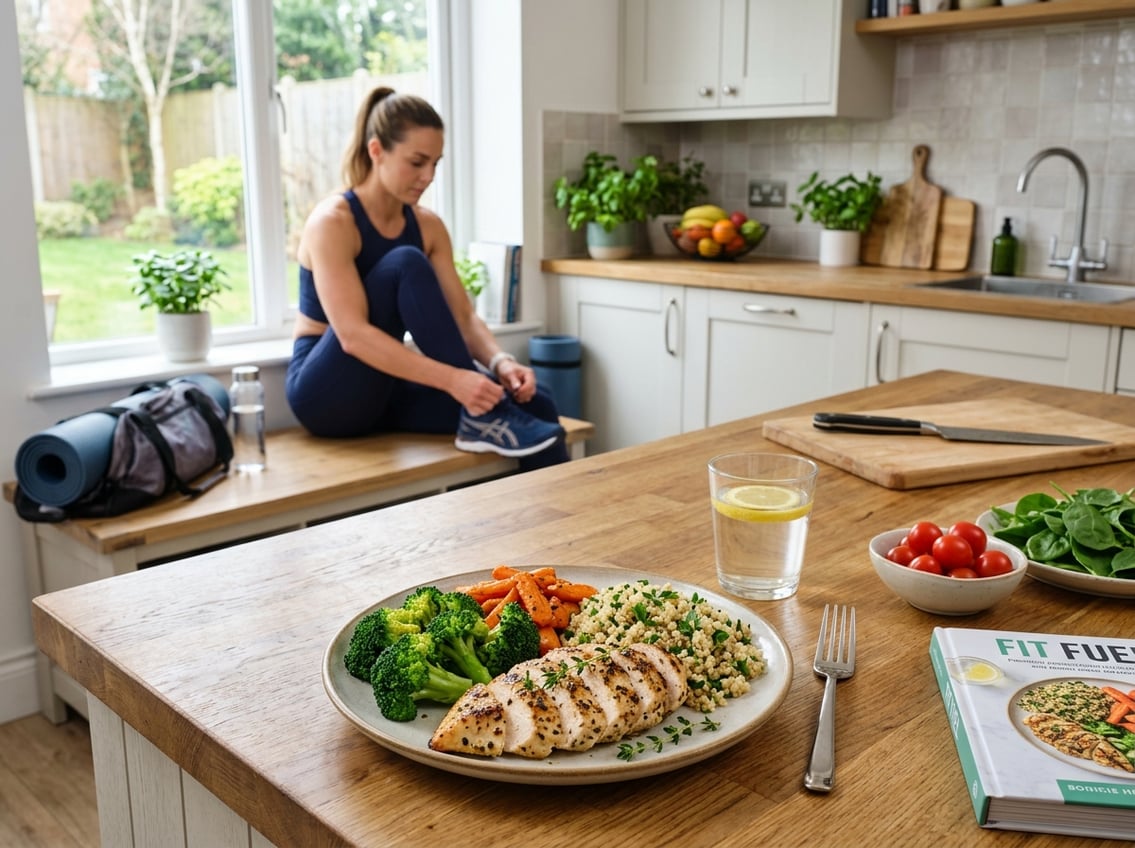
The best pre-workout meal is one you can digest comfortably and use for energy. For most people, that means moderate portions, enough time before training, and a plate built around lean protein, carbs, and light sides.
How Long Before a Workout to Eat Chicken Breast
A good general window is 1 to 2 hours before training. That timing matches guidance from Anna Tastes and gives your body time to digest the meal.
If you are eating a larger meal, give yourself closer to 2 to 3 hours. If you only have a short window, a smaller pre-workout meal is easier to handle.
Portion Size to Avoid Feeling Heavy
A common starting point is 3 to 6 ounces of cooked chicken breast. That is enough lean protein for many pre-workout meals without making the plate too large.
If you are sensitive to fuller meals, start smaller and see how you feel.
What to Pair With It for a Balanced Plate
A balanced pre-workout meal should include chicken breast plus a carb source and a light vegetable or fruit serving. Good pairings include rice, potatoes, oats, whole grain bread, or a banana.
A simple plate might look like this:
- Chicken breast
- Brown rice or sweet potato
- A small serving of cooked vegetables
- Water
This kind of meal gives you pre-workout protein and carbs for energy.
When to Skip It and What to Choose Instead
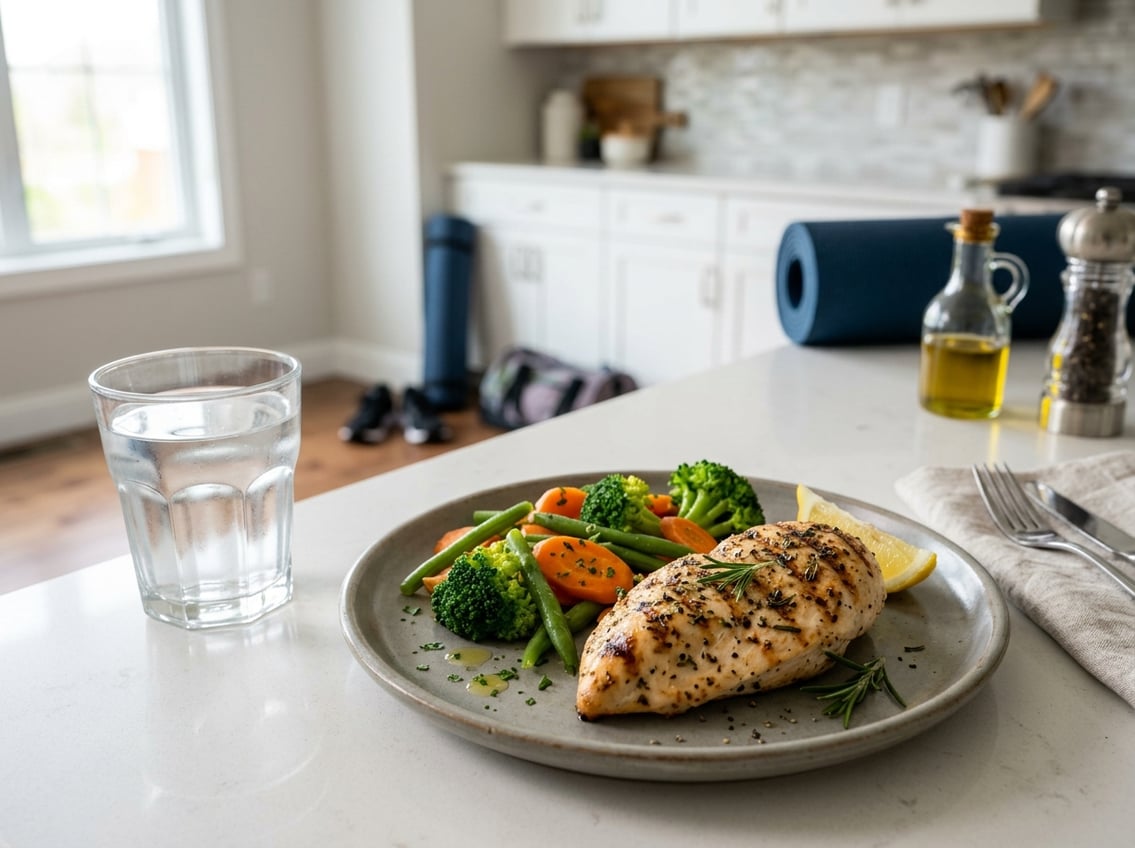
Chicken breast is not the best choice right before every workout. If your stomach feels sensitive, your session is soon, or you need very fast digestion, lighter pre-workout meals often work better.
Signs It May Be Too Heavy for Your Stomach
If chicken breast leaves you bloated, crampy, or sluggish, it may be too heavy too close to exercise. Some people also notice nausea when they eat too much protein before training.
Move the meal earlier or shrink the portion if you feel discomfort.
Faster-Digesting Alternatives for Short Notice Sessions
When you only have 30 to 60 minutes, choose simpler pre-workout meals. A banana, toast with a little nut butter, yogurt, or a protein shake may be easier than a full chicken breast meal.
For very short notice, fast-digesting protein and carbs usually work better than a large plate. This approach gives you energy without a lot of digestive work.
Hydration and How to Replenish Electrolytes
Pre-workout nutrition includes more than just food. Hydration matters, especially if you sweat a lot or train in heat.
Drink water before exercise. For long or intense sessions, choose an electrolyte drink or a meal with sodium to help maintain fluid balance and support performance.


