
Is It Good to Eat Chicken Breast After Workout? Benefits
You might wonder if eating chicken breast after a workout is a good idea when your goal is better recovery and stronger results. In most cases, chicken breast is a smart post-workout choice because it gives you high-quality protein with little added fat, which supports repair after exercise.
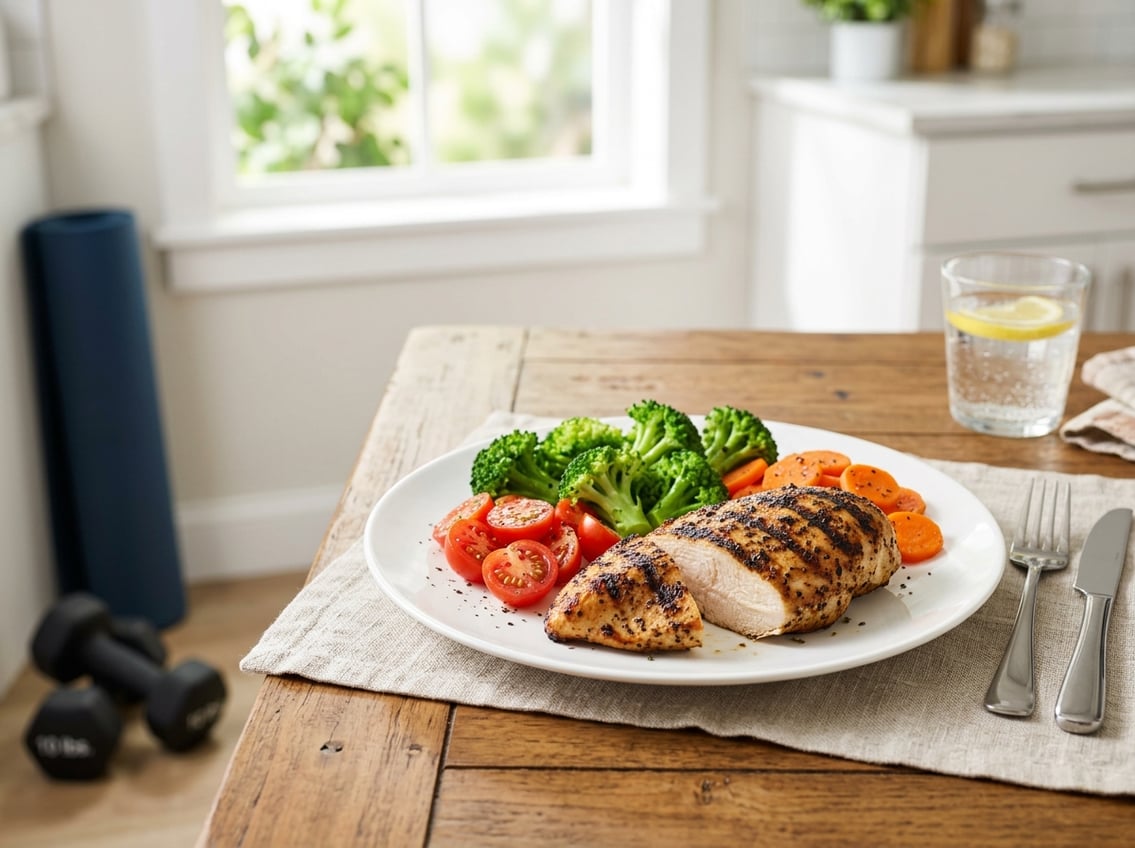
Chicken breast after exercise can support muscle repair and help you meet your protein needs. It fits easily into balanced post-workout nutrition.
Pairing chicken with carbs, fluids, and the right portion size for your body and training plan works best. If your workout was short and light, you may not need a large meal right away.
If your session was hard, long, or focused on strength, eating chicken after a workout can be a practical way to refuel and recover.
Why Chicken Breast Works Well After Exercise
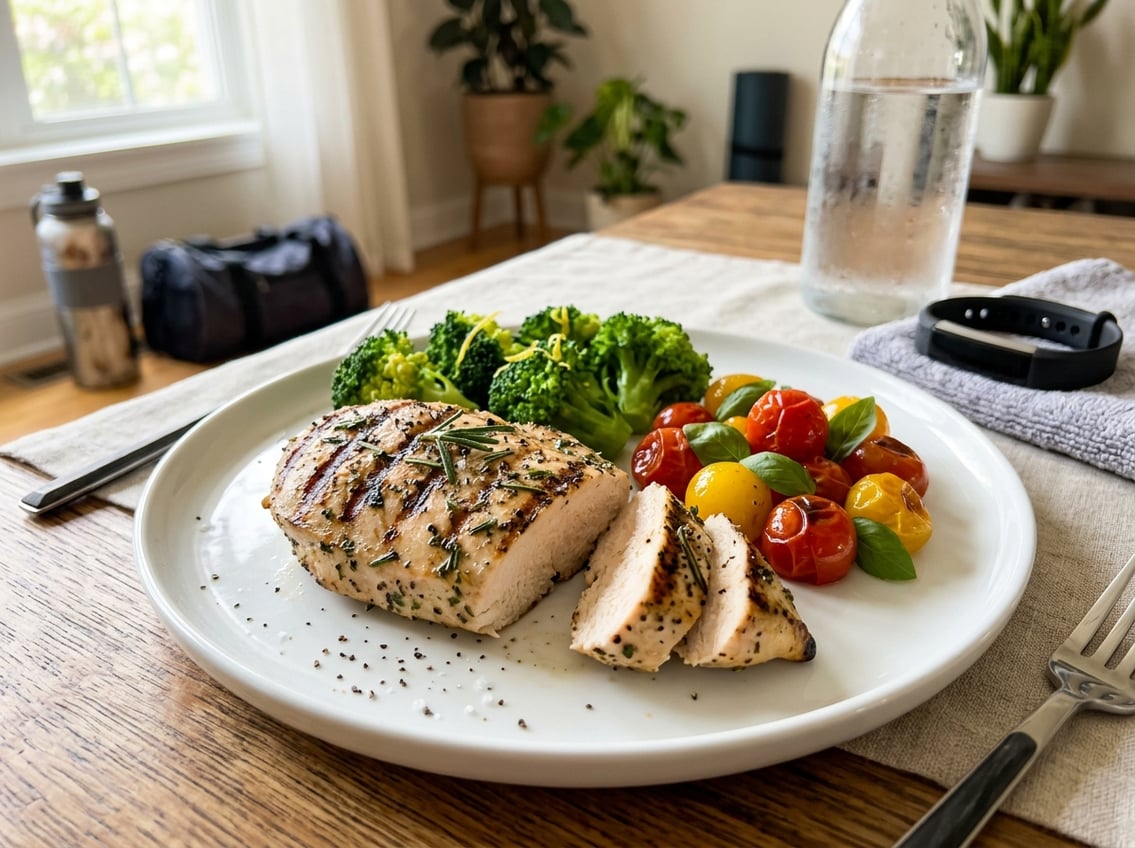
Chicken breast fits well into muscle recovery because it delivers a concentrated source of post-workout protein with very little extra fat. This makes it useful in sports nutrition when you want to repair tissue without making your meal too heavy.
You get amino acids your body can use for muscle protein synthesis, which is the process that helps rebuild muscle after training. Chicken breast also works well with other foods, so you can build a complete recovery meal around it.
How Protein Supports Muscle Recovery
Exercise causes small amounts of muscle breakdown, especially after resistance training. Protein repairs that damage and supports the rebuilding process.
Verywell Health notes that protein after exercise helps muscles recover, and that getting protein and carbs within a couple of hours is a practical target for many people, especially after harder sessions. Their review points out that lean meats can fit well into this recovery pattern, including chicken after a workout, as part of post-workout nutrition.
Why Amino Acids Matter for Muscle Protein Synthesis
Chicken breast gives you all essential amino acids, which your body cannot make on its own. These amino acids help trigger muscle protein synthesis, the process that builds and repairs muscle tissue.
Post-workout protein is not just about calories. It is about giving your muscles the building blocks they need.
If you train regularly, enough protein per meal can make it easier to meet daily recovery needs.
What Makes Chicken Breast a Lean Sports Nutrition Option
Chicken breast is high in protein and usually lower in fat than many other animal proteins. That makes it a lean option when you want a meal that is easier to digest after training.
You can grill, bake, shred, or slice it into bowls, wraps, salads, and grain plates without adding much complexity.
How to Build a Better Post-Workout Plate
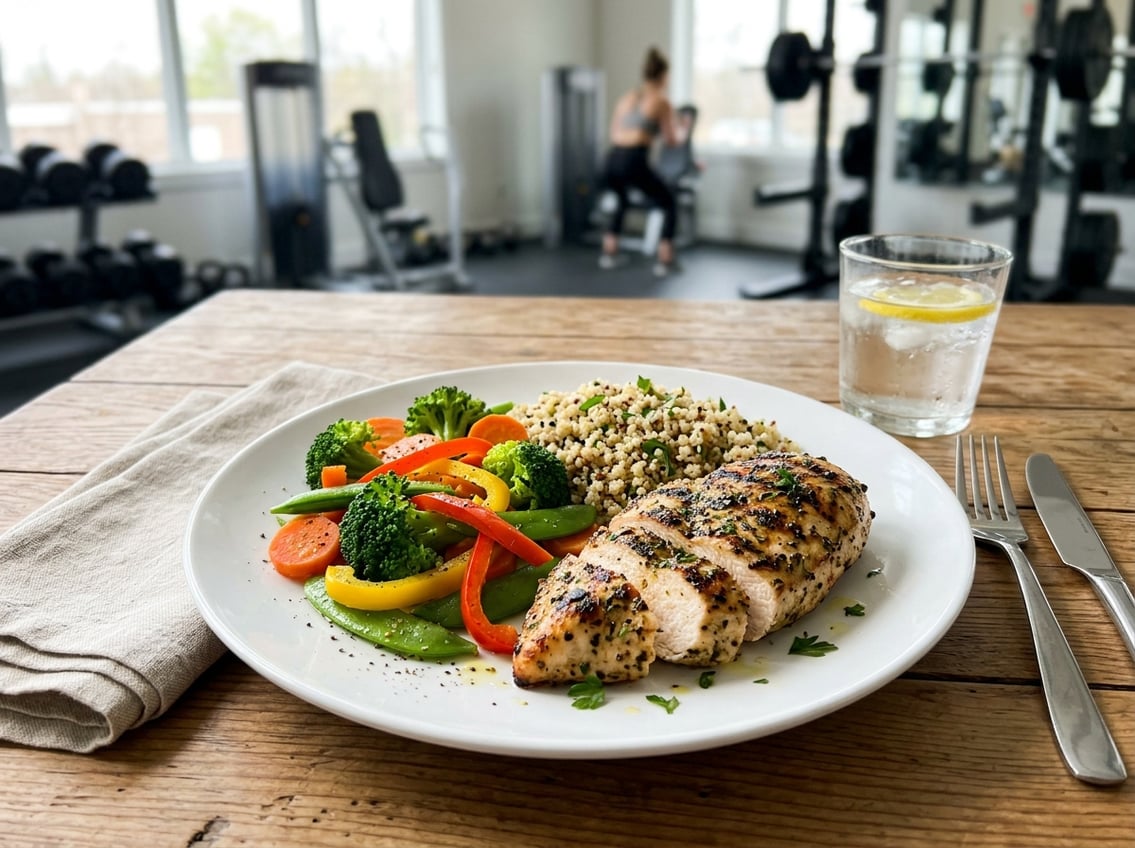
Chicken works best after exercise when you pair it with foods that help replenish glycogen and support recovery. A balanced plate usually includes protein, complex carbohydrates, and fluids.
For most people, the best foods to eat after a workout are simple and familiar. The goal is to replace what you used during training and avoid making the meal too rich or too sugary.
Pairing Chicken With Carbs to Replenish Glycogen
Your muscles use glycogen for energy during exercise. Eating carbs after training helps refill those stores, which supports recovery and future performance.
The Verywell Health review recommends protein and carbs after exercise and notes that carbs help rebuild energy stores in muscle. Not replenishing glycogen after an intense workout can lead to more fatigue and muscle breakdown, as described in its post-workout meal guide.
Best Complex Carbohydrates to Add
Choose carbs that bring fiber and steady energy. Good choices include:
- Brown rice
- Quinoa
- Sweet potatoes
- Oats
- Whole-grain bread
- Beans
- Fruit
- Vegetables
These foods add more nutrients than refined carbs and help make your post-workout meals more filling.
Simple Post-Workout Meals With Chicken Breast
A few easy combinations work well in daily life:
- Chicken breast, brown rice, and broccoli
- Chicken breast, quinoa, and roasted vegetables
- Chicken wrap with whole-grain tortilla and salad
- Chicken breast with sweet potato and green beans
- Chicken bowl with rice, beans, salsa, and avocado
These meals are easy to prepare ahead of time, which can make your routine more consistent.
Timing, Portions, and Practical Guidelines

Timing, food choice, and how much you ate before training all affect post-workout recovery. You do not need to force a huge meal right away.
Getting enough protein and carbs within a reasonable window can help. Your size, workout type, and daily protein target all matter.
A snack may be enough after a light session. A full meal makes more sense after longer or harder training.
When to Eat After Training
A practical target is to eat protein and carbs within about two hours after exercise. Verywell Health notes that many people benefit from eating within this window, and that protein plus carbs within 45 minutes to 1 hour can also work well after more intense sessions, as discussed in their review of post-workout recovery.
You do not need to panic if you miss that window by a little. The most important factor is your total daily nutrition, especially if you eat a meal close to your workout.
How Much Protein to Aim for Based on Body Size
A useful daily target for active people is often around 1.6 to 2.2 grams of protein per kilogram of body weight, though your needs can vary by training style and goals. For protein per meal, many people do well with about 20 to 40 grams, which fits common recommendations for grams of protein per meal in sports nutrition.
A typical chicken breast portion can make that easier. A 3-ounce serving usually gives you about 25 grams of protein, which is a strong base for post-workout protein.
When a Full Meal Makes More Sense Than a Snack
Choose a full meal when your workout was long or intense. This is especially helpful after strength training, intervals, or endurance work.
A snack may be enough after a lighter workout. If you plan to eat a larger meal soon, a snack can also work.
You can still include chicken breast in your plan if you pair it with the right amount of carbs and fluids.


