
How Often Should I Eat Chicken Breast for Good Health
How often you eat chicken breast for good health depends on your total diet, your activity level, and how much other protein you eat. Many adults in the U.S. include chicken breast a few times a week as part of a balanced meal pattern.
If you eat chicken breast in moderate portions and rotate in other protein foods, you support protein intake, muscle mass, and weight management. This approach helps you avoid nutrient gaps and keeps your diet varied.
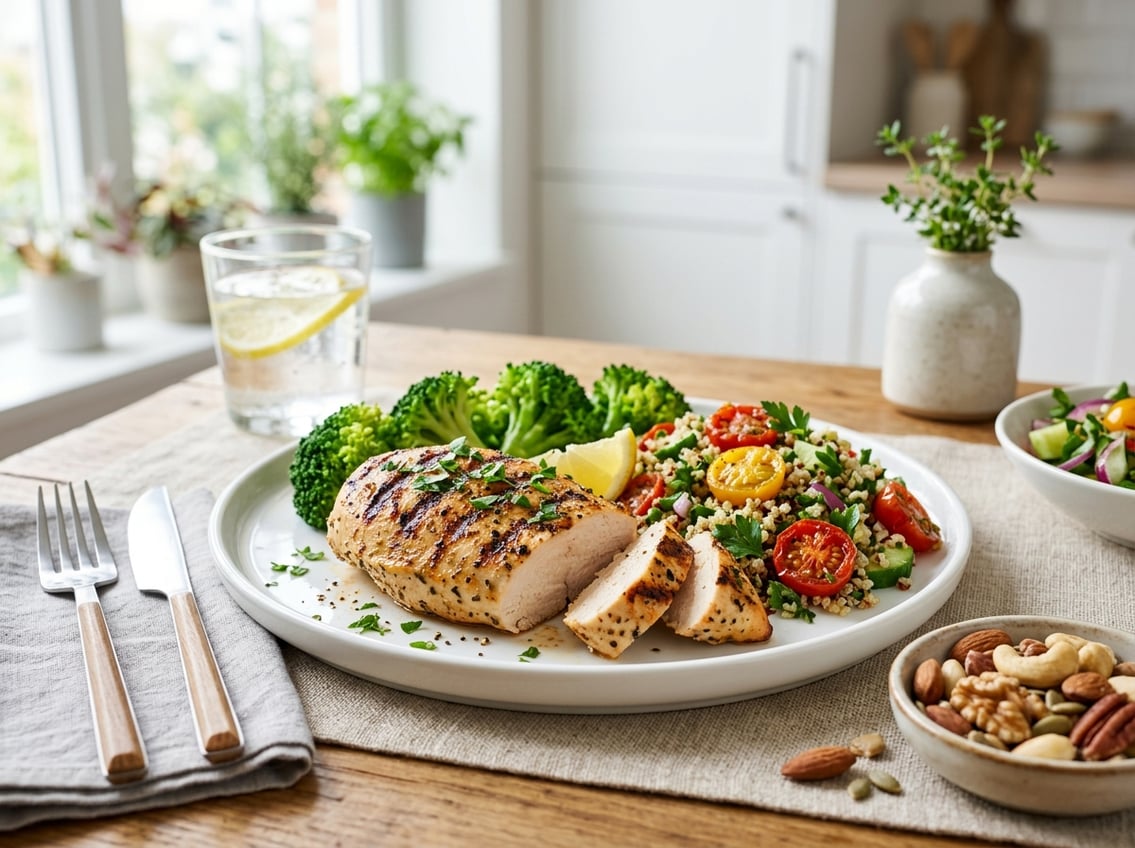
Many people ask whether it is safe or too repetitive to eat chicken every day. The answer depends on portions, preparation, and your total diet.
Chicken breast is a useful lean protein, but your body also needs fruits, vegetables, whole grains, healthy fats, and other protein sources.
Recommended Intake and Portion Size
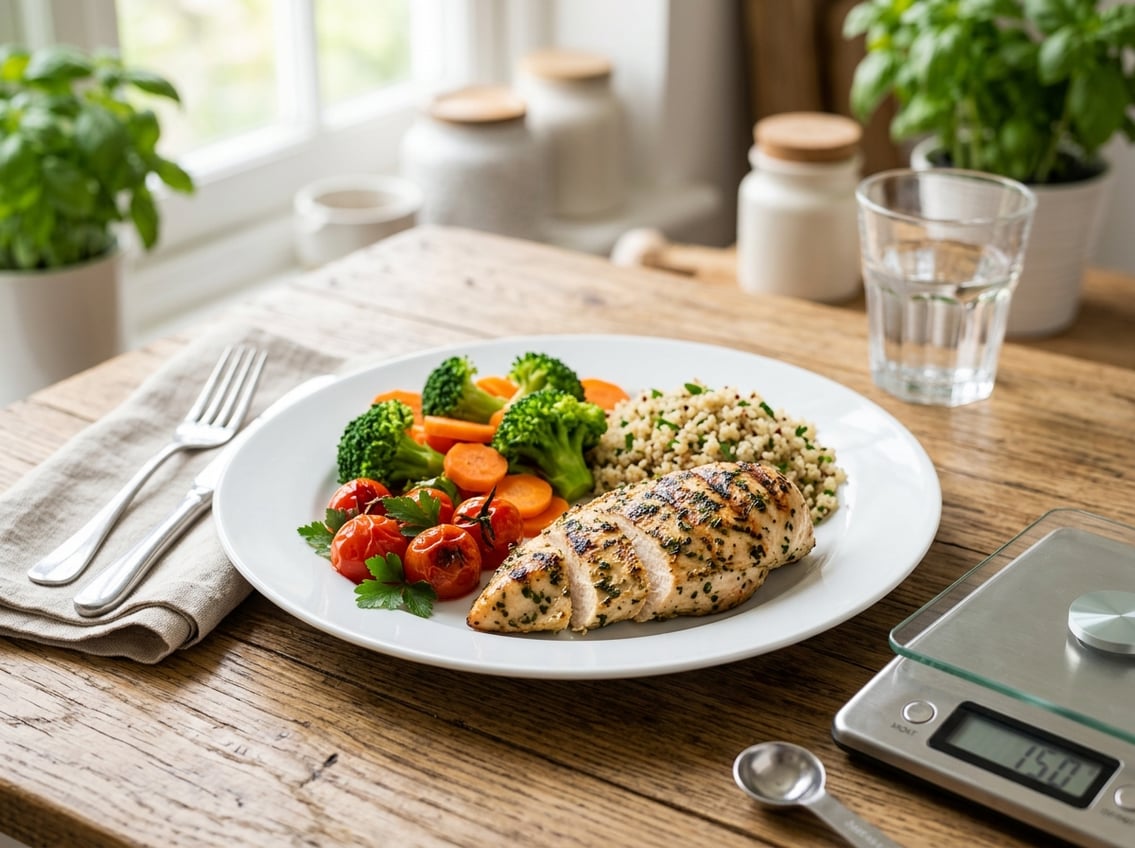
Chicken breast fits easily into a healthy eating pattern when you keep portions reasonable and pair it with other foods. The best answer to how often you should eat chicken is “often enough to meet your protein needs, not so often that you crowd out other foods.”
A Practical Weekly Range for Most Adults
A practical range for many adults is chicken breast a few times per week, with servings around 3 to 4 ounces each. This matches the usual portion size in recent guidance and fits well with a balanced diet.
A weekly poultry target of about 26 ounces appears in guidance tied to the 2020-2025 Dietary Guidelines for Americans. Spread across the week, that works out to roughly 3.5 ounces per day on average.
How Daily Servings Compare With Weekly Guidance
If you eat chicken breast every day, portion size matters more than frequency. One small serving each day fits within weekly guidance, but large servings every day can push out other protein foods.
A serving of skinless chicken breast provides a strong amount of protein with relatively little saturated fat. This makes it a practical choice for those who want lean protein without adding a lot of extra calories.
When Activity Level, Weight Loss, or Muscle Goals Change the Answer
If you exercise often, are trying to lose weight, or want more muscle mass, you may need more protein than a sedentary adult. In these cases, chicken breast helps with satiety and muscle repair.
People focused on weight loss often use chicken breast because it is filling and easy to portion. You can also meet protein needs through fish, beans, eggs, dairy, tofu, and other foods.
What Chicken Breast Adds to Your Diet
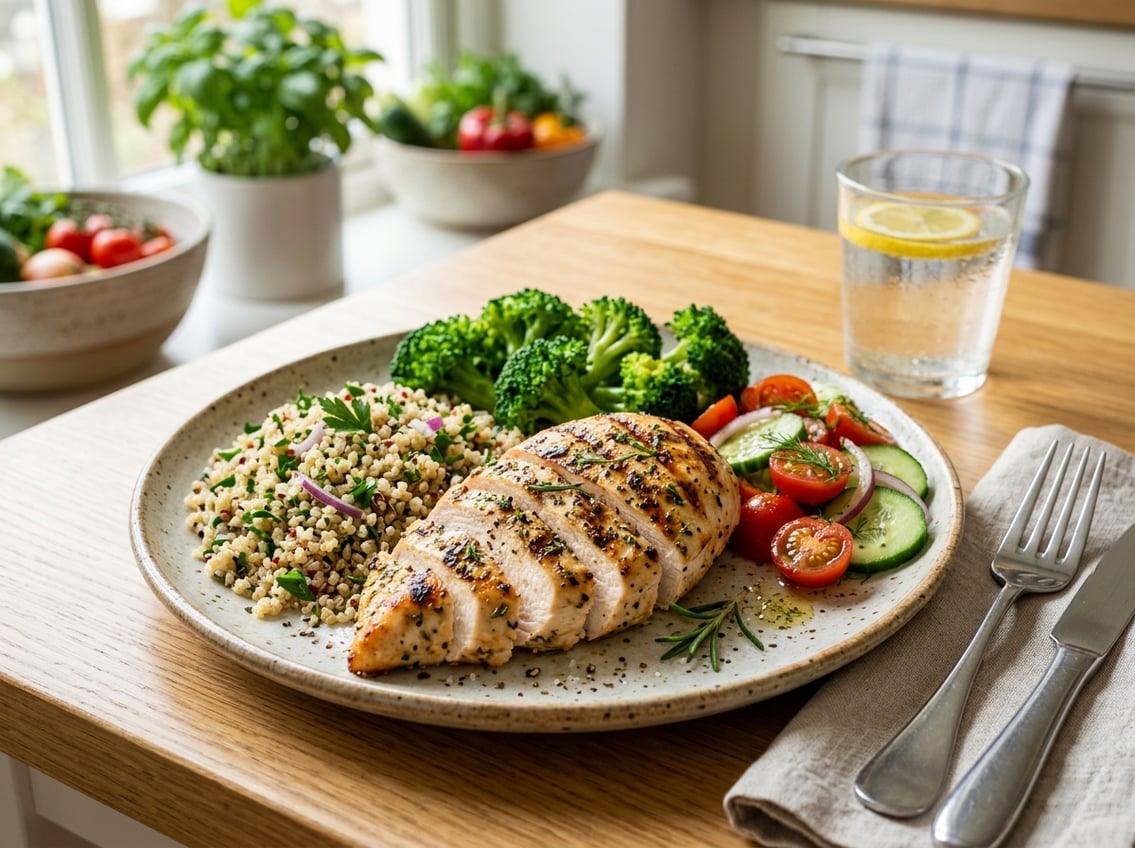
Chicken breast brings strong nutritional value when you want a high-protein food that is simple to prepare. Its health benefits come mostly from protein content, key vitamins and minerals, and its place in a lean protein pattern.
Chicken fits a balanced diet, especially when you keep the skin off and avoid heavy breading or frying. The nutritional benefits are strongest when the rest of your plate includes plants and whole foods.
Protein, Satiety, and Lean Nutrition
Chicken breast is known for its protein content, and a 3.5-ounce serving provides about 31 grams of protein, according to one review of chicken nutrition. Protein supports muscle mass, tissue repair, and daily energy needs.
It also helps with satiety, so you may feel full longer after eating it.
Key Micronutrients Like Niacin, Phosphorus, and Selenium
Chicken breast provides niacin, phosphorus, and selenium, which support energy use, bone health, and immune function. Skinless chicken breast gives you lean protein with less added fat.
Potential Health Benefits for Heart Health and Immune Function
When you choose baked, grilled, or roasted chicken, the meal fits well into a heart health plan. Chicken supports immune function through nutrients like selenium and niacin.
Limiting heavy sauces, salty coatings, and frying keeps healthy fats in better balance and preserves the meal’s nutritional value.
When Too Much Can Become a Problem

Eating chicken often is not automatically a problem, but overconsumption can create issues if it becomes your main protein every day. The biggest concerns are nutrient imbalance, foodborne illness, and cooking methods that add extra fat or sodium.
Rotate protein sources so your balanced diet stays broad.
Nutrient Imbalance From Relying on One Protein
If you eat chicken every day and little else, your diet can become narrow. You may miss the fiber, healthy fats, and plant nutrients from beans, nuts, seeds, fish, and soy foods.
Rotating protein sources makes it easier to get different vitamins and minerals.
Foodborne Illness Risks Including Salmonella and Campylobacter
Raw and undercooked chicken can carry salmonella or campylobacter. Handle chicken safely and cook it fully every time, especially if you cook it frequently.
Wash your hands, keep raw poultry separate from other foods, and use a thermometer to check doneness.
Overconsumption, Cholesterol, and Cooking Method Tradeoffs
If you eat large portions often, chicken can add too many calories, especially with fried coatings or rich sauces. Cooking method matters as much as the food itself.
If you want to eat chicken every day, keep portions moderate and rotate in other proteins to limit nutrient imbalance and support long-term health.
Best Ways to Eat It More Often
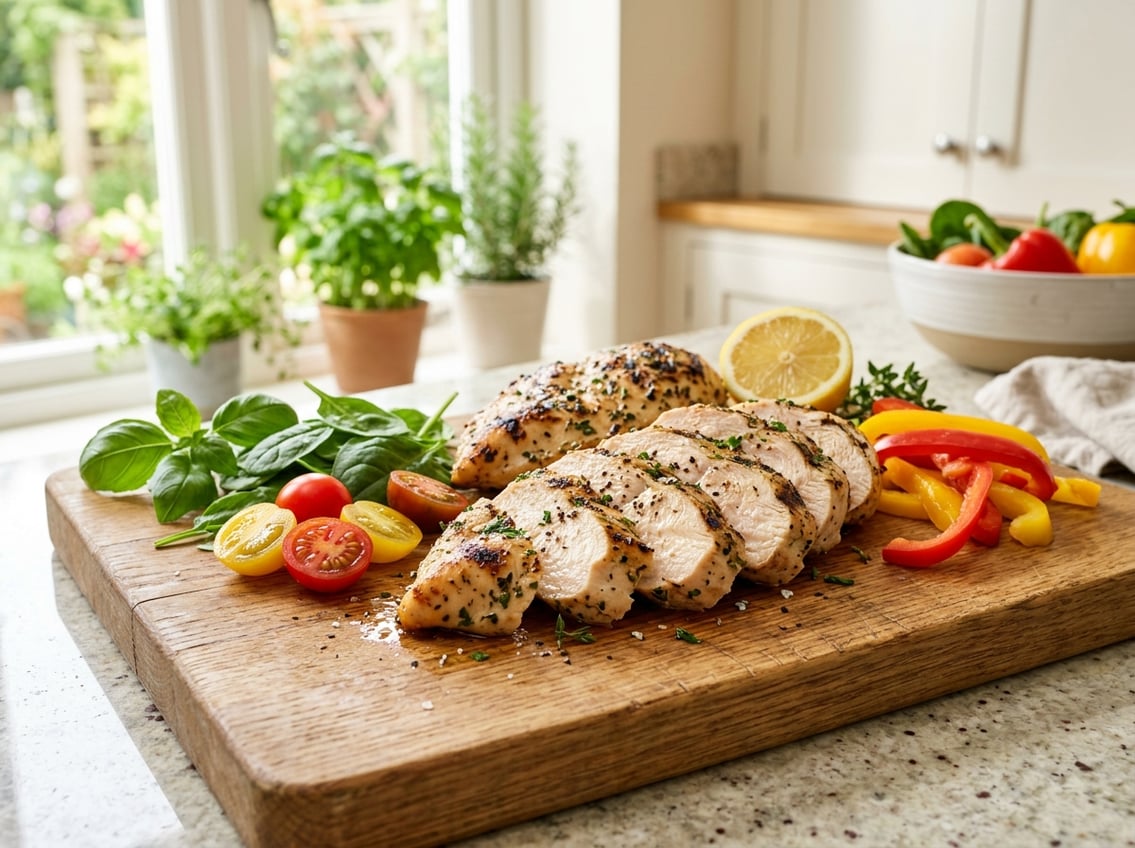
You can eat chicken breast more often and keep meals healthy by choosing simple cooking methods and smart pairings. Keep the chicken lean, add color from vegetables, and include whole grains or healthy fats in small amounts.
Healthier Cooking Options Like Baked, Grilled, and Roasted Chicken
Baked chicken, grilled chicken, and roasted chicken are good choices because they do not need much added fat. These methods keep the flavor simple and make portion control easier.
If you marinate chicken breast, use ingredients that add flavor without too much sodium or sugar.
Smart Meal Pairings With Whole Grains and Vegetables
Chicken works well with whole grains such as brown rice, quinoa, or whole wheat pasta. Add vegetables for fiber, color, and volume.
A balanced diet works best when chicken is only one part of the plate. Small amounts of healthy fats, such as olive oil, avocado, or nuts, can round out the meal without overdoing calories.
Easy Meal Ideas From Chicken Salad to Marinated Chicken Breast
You can make chicken salad with plenty of vegetables and a lighter dressing. Use organic chicken or regular skinless chicken breast, depending on your budget and preferences.
Simple meals help you keep chicken in your routine. Try sliced grilled chicken over a grain bowl.
Roast chicken with vegetables for another easy meal. Marinate chicken breast and add it to wraps, soups, or salads.


