
How Long Does It Take to Smoke Chicken Breast? Temp Guide
If you want to know how long it takes to smoke chicken breast, the short answer is usually about 1 to 1.5 hours at a smoker temperature around 225°F to 250°F.
The exact time depends more on thickness and heat than on weight.
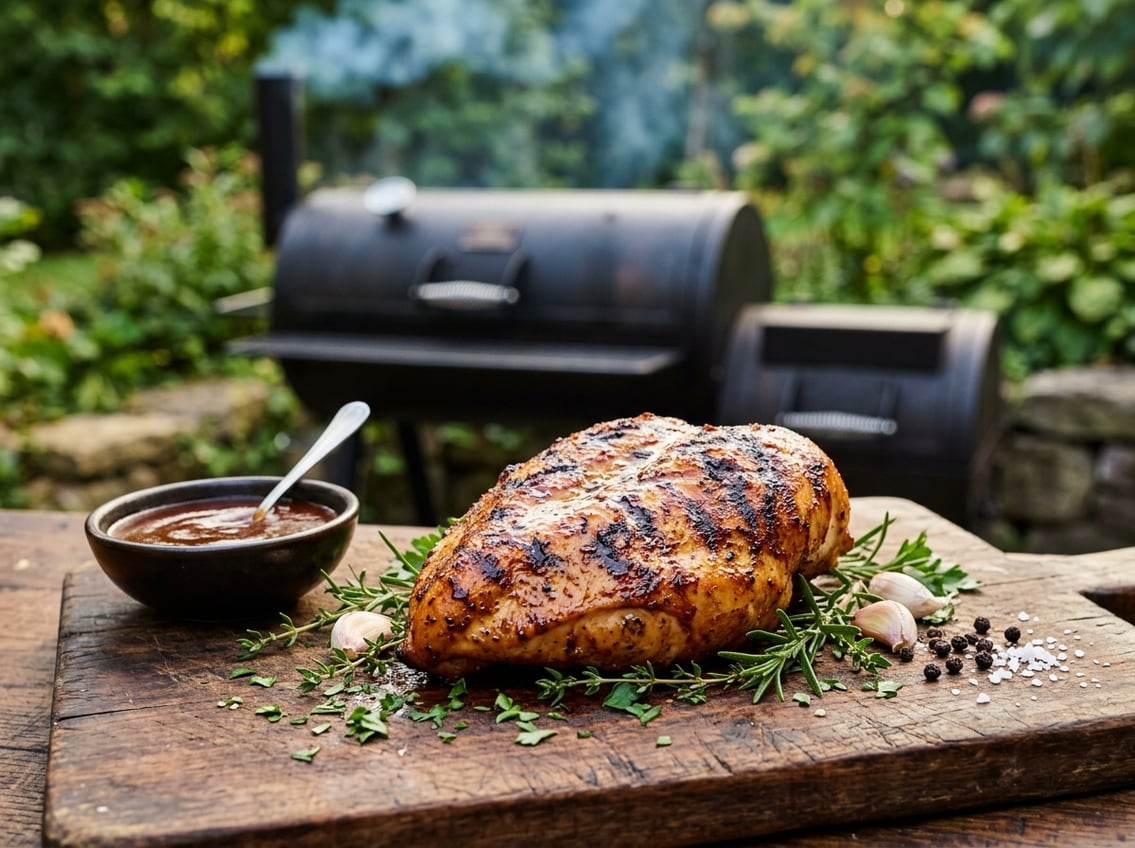
You get the best result by cooking to internal temperature, not by trusting the clock. Pull smoked chicken breast when it reaches 155°F to 160°F and let carryover heat finish the job.
That method helps you keep the meat juicy instead of dry.
Smoked chicken breast works well with a mild smoke flavor and a steady pit.
A simple prep routine also helps.
Once you know the temperature targets, repeating the process becomes much easier.
Time and Temperature Basics
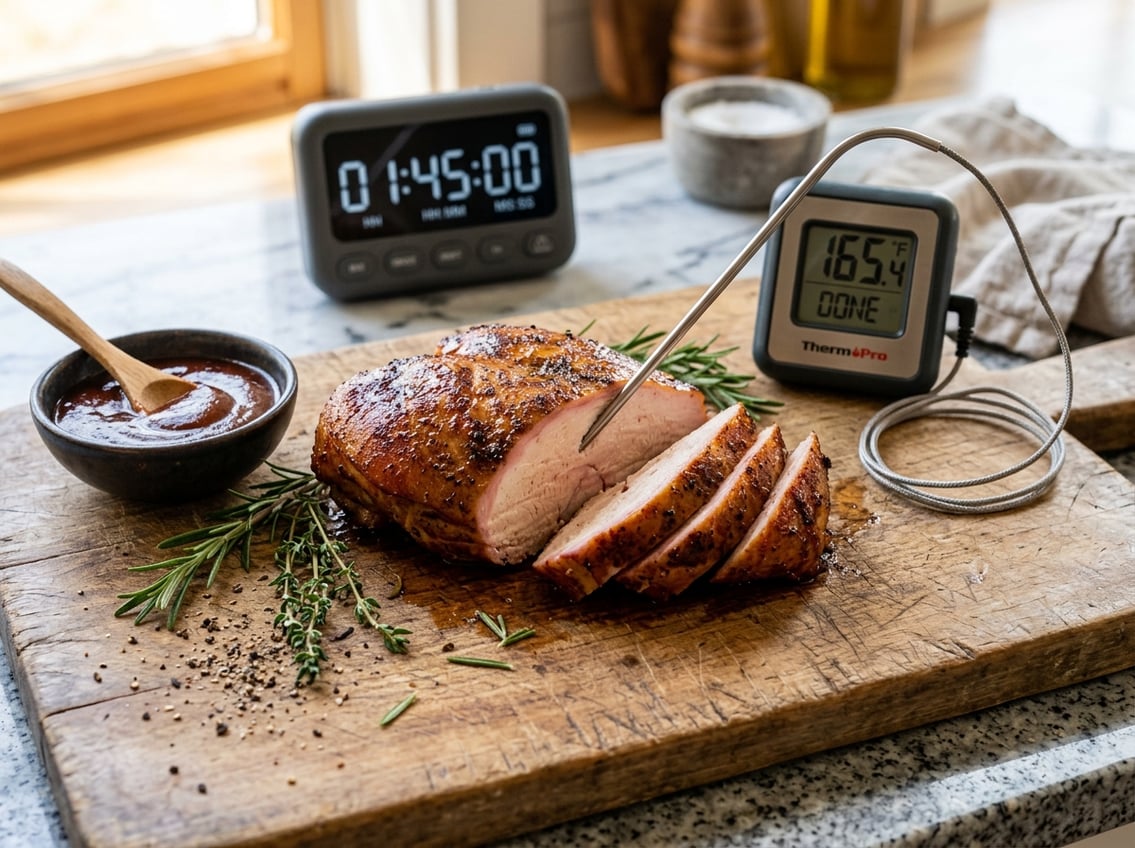
The main answer to how long to smoke chicken breast depends on your smoker temperature and the thickness of the meat.
Chicken breast is lean, so a small temperature change can make a big difference in texture.
Smoke chicken breast until the thickest part reaches the right internal temperature, then rest it before slicing.
According to this smoked chicken breast time guide, 225°F is a strong target for juicy results.
Average Cook Time at 225°F, 250°F, and 275°F
At 225°F, smoking chicken breast usually takes about 75 to 90 minutes for average boneless pieces.
At 250°F, expect about 60 to 75 minutes.
At 275°F, the cook time often drops to about 45 to 60 minutes, depending on thickness.
Higher heat speeds things up, but you get less room before the meat dries out.
Why Thickness Matters More Than Weight
A 7-ounce breast can take longer than a 10-ounce breast if the smaller one is thicker.
Heat moves from the outside in, so a thick center slows the cook more than the total weight does.
Flat, even pieces cook more predictably.
Uneven breasts finish at different times, even when they weigh the same.
Best Smoker Temperature for Juicy Results
For most home setups, 225°F to 250°F gives the best balance of smoke flavor and tenderness.
That range gives the meat time to absorb smoke without pushing it too fast.
If you want a little more browning, 250°F is a good middle ground.
If you want the most control and the juiciest texture, 225°F is often the safest target.
When to Pull the Chicken and Let It Rest
Pull the chicken when the thickest part reaches 155°F internal temperature to 160°F, then rest it for about 5 to 10 minutes.
During rest, the temperature usually rises enough to finish cooking safely.
Resting also lets the juices settle back into the meat.
If you slice too early, more moisture ends up on the cutting board.
How to Prep Chicken Breast for Better Results
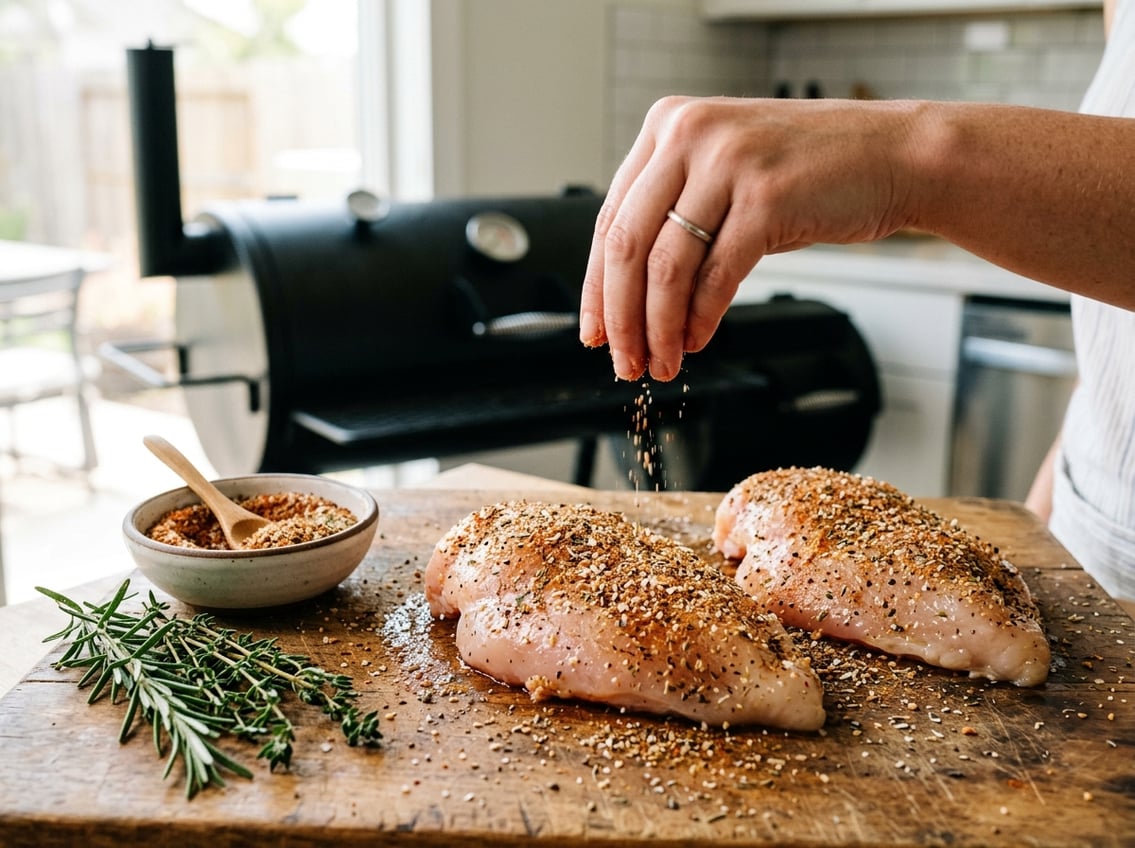
Prep changes both flavor and cook time.
The cut you buy, how dry the surface is, and whether you brine chicken all affect the final texture.
Simple prep gives you more even smoking and less risk of dry meat.
It also helps the seasoning stay on the surface long enough to build a better crust.
Boneless Vs. Bone-In and Skinless Vs. Skin-On
Boneless breasts cook faster and more evenly, so they are easier for a first try.
Bone-in pieces take longer because the bone slows heat transfer.
Skinless chicken breast is common for smoking because it absorbs seasoning well and stays cleaner on the smoker.
Skin-on can work too, but the skin often turns rubbery unless you use higher heat.
Why You Should Brine Before Smoking
A short brine helps the meat hold moisture during the cook.
A simple mix of salt, sugar, and water for 1 to 2 hours is enough for most chicken breasts.
Brining is especially useful for lean breast meat because it has less natural fat.
That extra moisture buffer gives you more room if your smoker runs a little hot.
Seasoning and Drying the Surface for Better Bark
After brining, pat the chicken dry before seasoning.
A dry surface helps the rub stick and supports better browning.
Use a simple seasoning blend with salt, pepper, garlic, onion, and paprika.
If you want a slightly better crust, leave the seasoned chicken uncovered in the fridge for a short time so the surface dries a bit more.
How to Slice for the Best Texture
Let the chicken rest before cutting, then slice against the grain.
That shortens the muscle fibers and makes each bite feel more tender.
If the grain runs lengthwise, cut across it in clean slices.
This matters even more with smoked chicken breast because lean meat can feel stringy when sliced the wrong way.
Choosing the Right Smoker and Wood
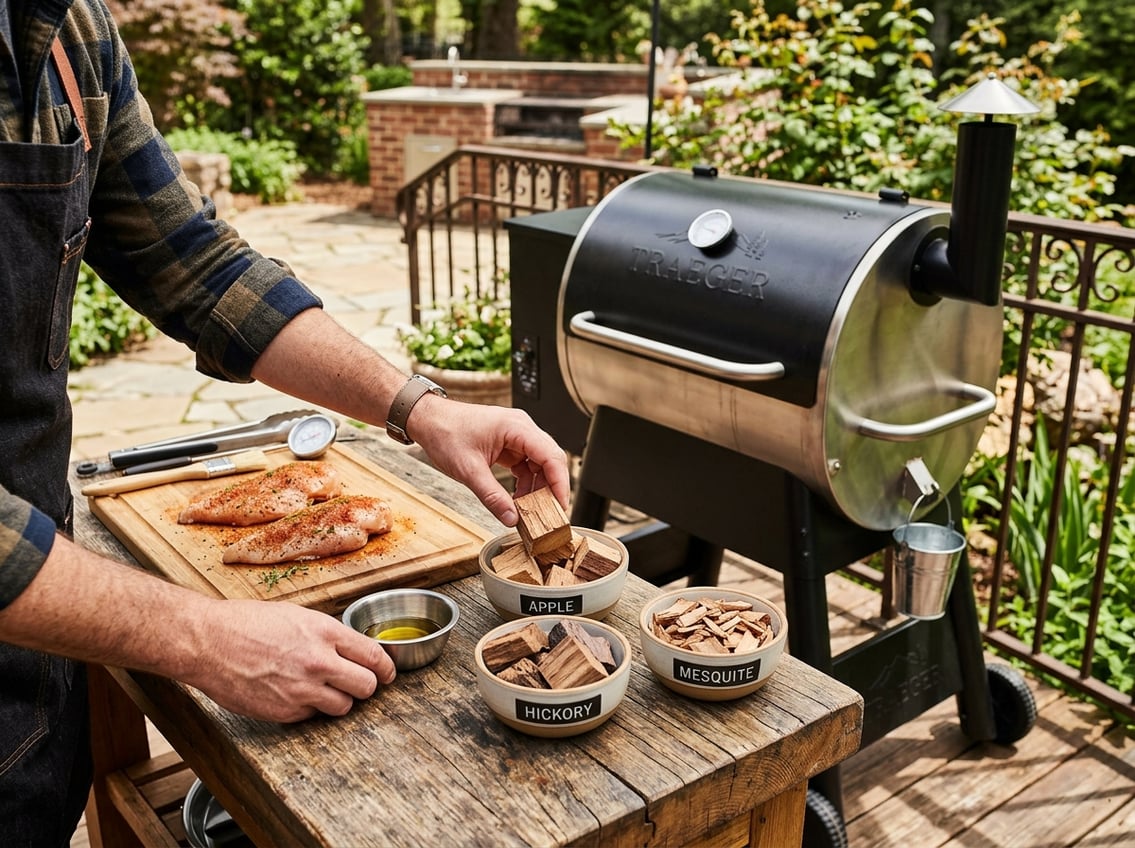
Your smoker choice affects how steady the heat stays and how much smoke flavor you get.
The type of fuel also shapes the final taste, so wood choice matters more than many people expect.
Mild woods work best for chicken breast because the meat is delicate.
Strong smoke can overpower it fast.
Electric Smoker, Pellet Smoker, and Offset Smoker Differences
An electric smoker is the easiest option for steady heat and simple control.
A pellet smoker adds wood-fired flavor and usually holds temperature well.
An offset smoker gives you a deeper smoke profile, but it needs more attention.
Heat can vary more across the grate, so you may need to rotate pieces if your fire is uneven.
How Types of Smokers Affect Cook Time
Different types of smokers cook at different rates because they deliver heat in different ways.
Electric and pellet units usually run more evenly, so cook time is easier to predict.
An offset smoker can be faster on one side and slower on the other.
Your real cook time may change based on where the chicken sits.
Best Wood for Smoking Chicken
The best wood for smoking chicken is usually mild and slightly sweet.
Apple, cherry, pecan, and peach all work well.
Keep the smoke clean and light.
Heavy smoke can make chicken taste harsh.
Apple Wood Vs. Cherry Wood Flavor Profiles
Apple wood gives a mild, sweet flavor that blends well with simple rubs.
Cherry wood is also mild, with a slightly richer color and a touch more sweetness.
For most people, apple wood is the safest starting point.
Cherry wood is a good choice when you want a little more color on the surface and still want a gentle smoke taste.
Common Mistakes That Change Cook Time
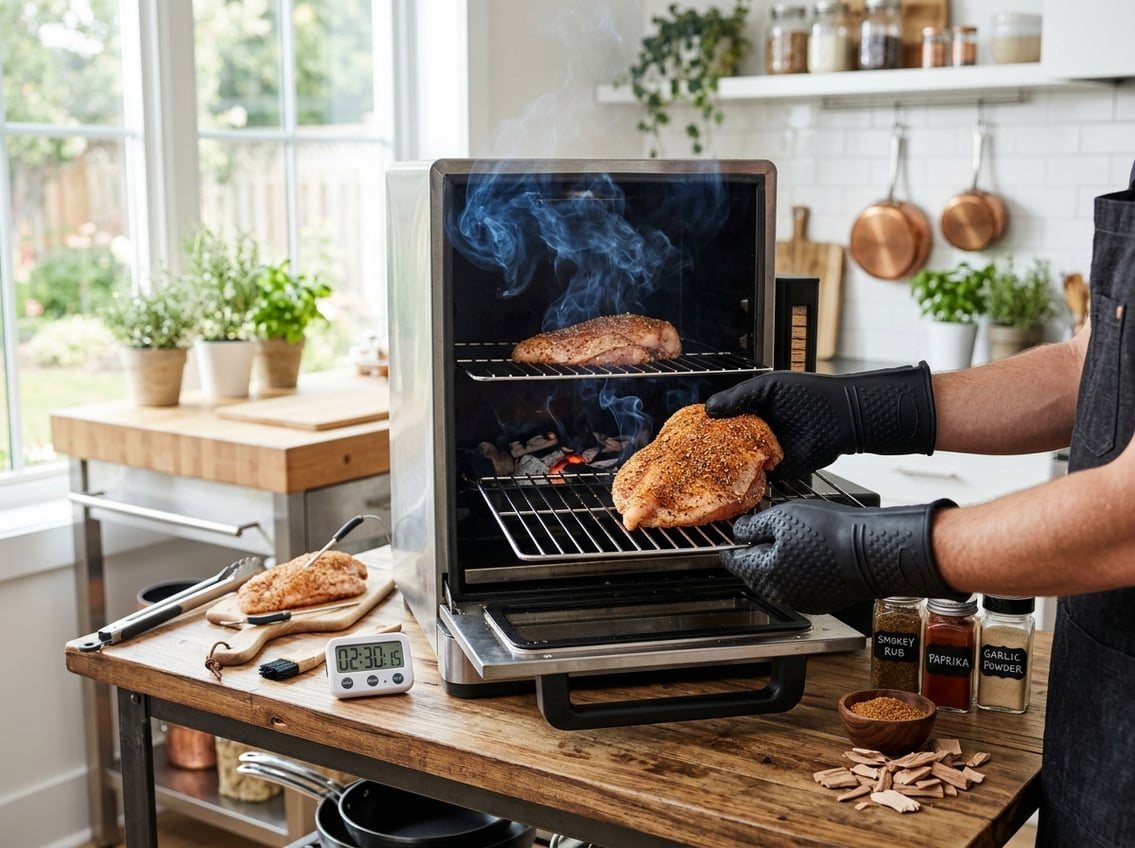
Small mistakes can change how long to smoke chicken breast by a lot.
Most problems come from heat swings, uneven meat, or checking too often.
A thermometer removes guesswork.
Time alone does not tell you when the center is done.
Overcooking Lean Chicken Breast
Chicken breast dries out fast once it goes past the safe finish point.
If you wait for a much higher final temperature, the meat can turn tough.
Pull it early and rest it instead.
Carryover heat can take it the rest of the way without overcooking the outer layer.
Opening the Smoker Too Often
Every time you open the lid, you lose heat and smoke.
That makes the cooker recover slowly and can add extra minutes.
It also makes the temperature less stable, which affects texture.
Check through a probe window or use a fast thermometer instead of lifting the lid again and again.
Uneven Pieces and Inconsistent Heat
If one breast is thicker than the other, they will not finish at the same time.
Uneven spacing in the smoker can make this problem worse.
Place pieces with room around them so hot air can move freely.
If your smoker has hot spots, move the chicken as needed.
Skipping the Thermometer and Relying on Time Alone
A timer helps, but it does not guarantee perfect results.
Chicken breast cooks at different rates depending on thickness, wind, load size, and smoker recovery.
Use a thermometer to check the thickest part.
This ensures you smoke chicken breast safely and keep it juicy.


