
Is It Safe to Cook Chicken Breast From Frozen? Quick Guide
You can safely cook chicken breast from frozen when you use methods that heat the meat all the way to 165°F and avoid letting it sit at unsafe temperatures.
If you wonder whether it is safe to cook chicken breast from frozen, the answer is yes, as long as you avoid methods that cook too slowly or heat unevenly.
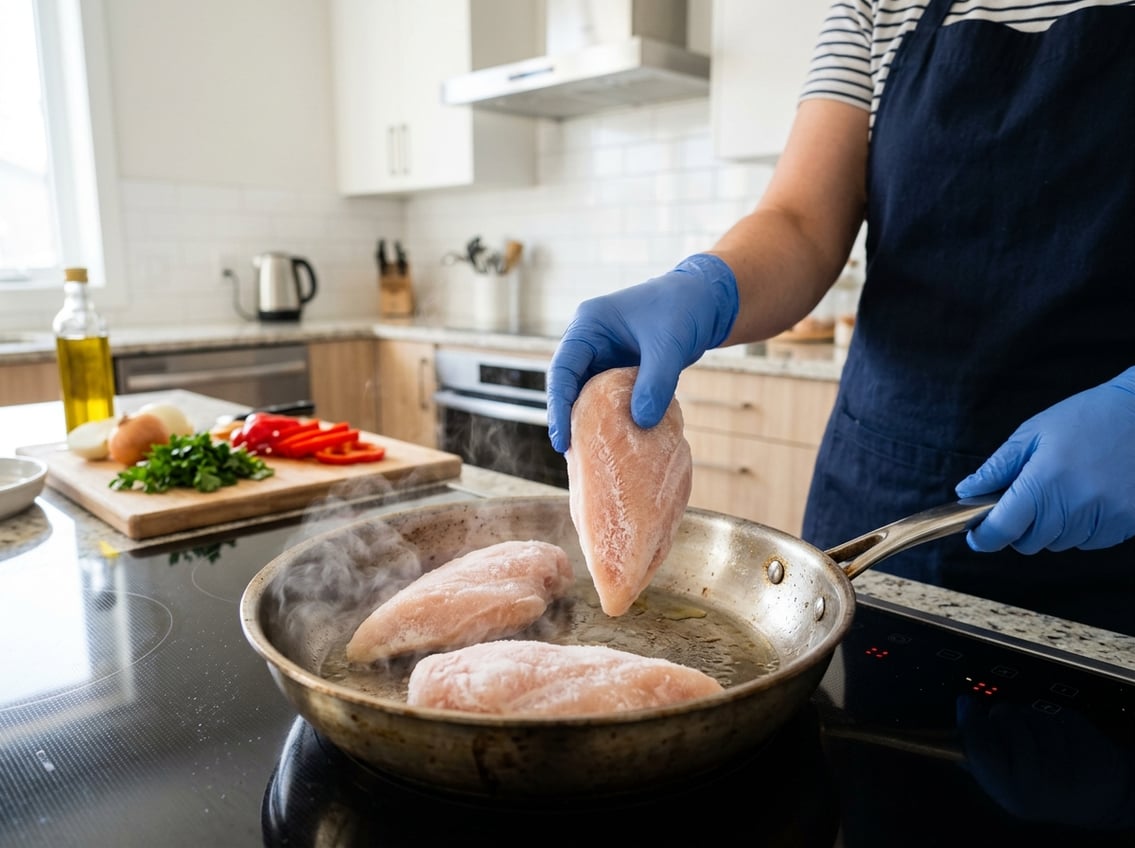
Frozen chicken breasts are a common weeknight problem. You do not need to panic if you forgot to thaw them.
Choose a method that cooks them through evenly and check the internal temperature before serving.
According to Allrecipes’ frozen chicken guide, the USDA says you can cook chicken from frozen, but the cooking time is usually about 50% longer than thawed chicken.
That extra time matters because the center needs enough heat to reach a safe temperature.
Short Answer: What Is Safe and What Is Not
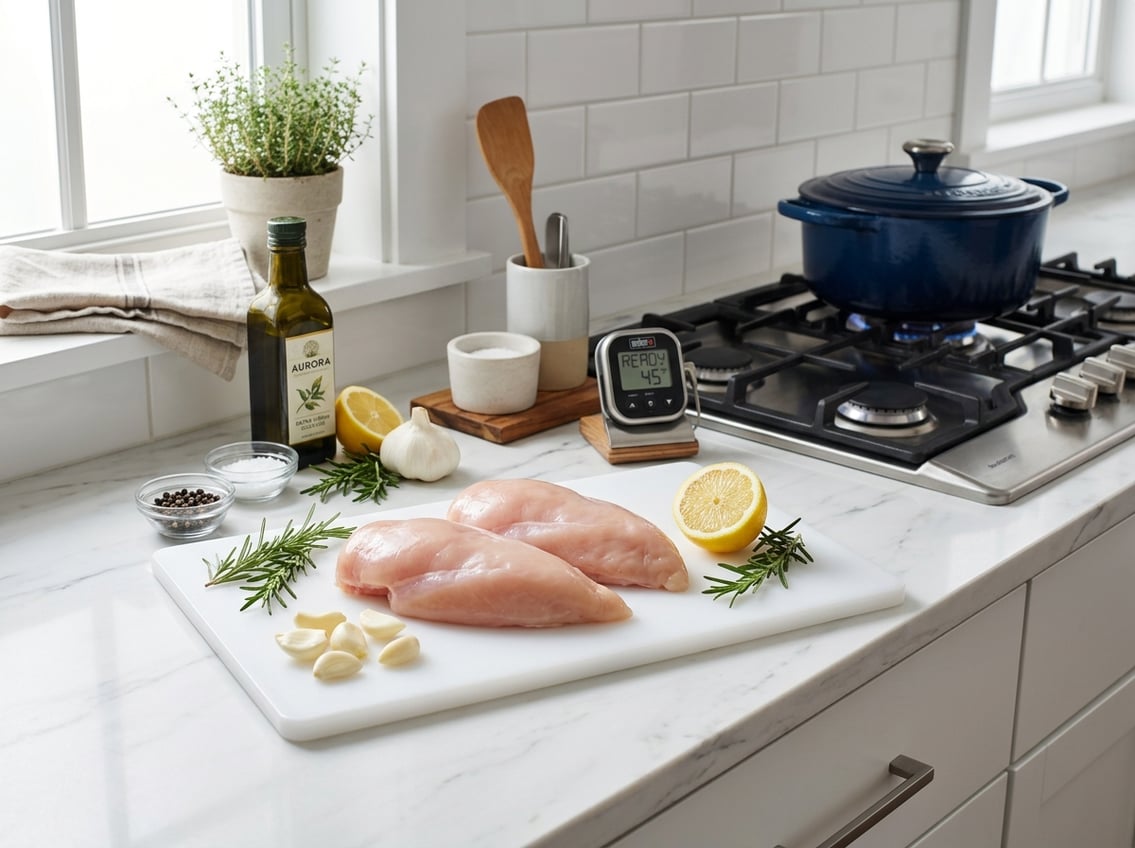
You can cook frozen chicken breast safely in the oven, on the stovetop, in an Instant Pot, or in an air fryer.
Do not cook frozen chicken in a slow cooker, and do not rely on a microwave for full cooking unless you thaw it first and cook it right away.
Cook frozen chicken breast all the way to 165°F in the thickest part. This keeps the meat out of the danger zone where bacteria can grow.
When Cooking Frozen Chicken Breast Is Safe
Cooking frozen chicken breast is safe when the method heats the chicken evenly and reaches 165°F throughout.
Oven roasting, simmering, pressure cooking, and air frying work well because they keep heat moving around the meat.
Why Partially Thawed Chicken Is Riskier
Partially thawed chicken can cook unevenly. The outside may finish before the center, which increases the chance that the middle stays undercooked while the surface looks done.
Methods to Avoid, Including Slow Cookers and Uneven Microwave Cooking
Do not use slow cookers for frozen chicken, since they heat too slowly and can leave the meat in the danger zone too long, as noted by Allrecipes.
Microwaves can also cook unevenly, which makes them a poor choice for cooking the whole breast from frozen.
How to Cook Frozen Chicken Breast Properly
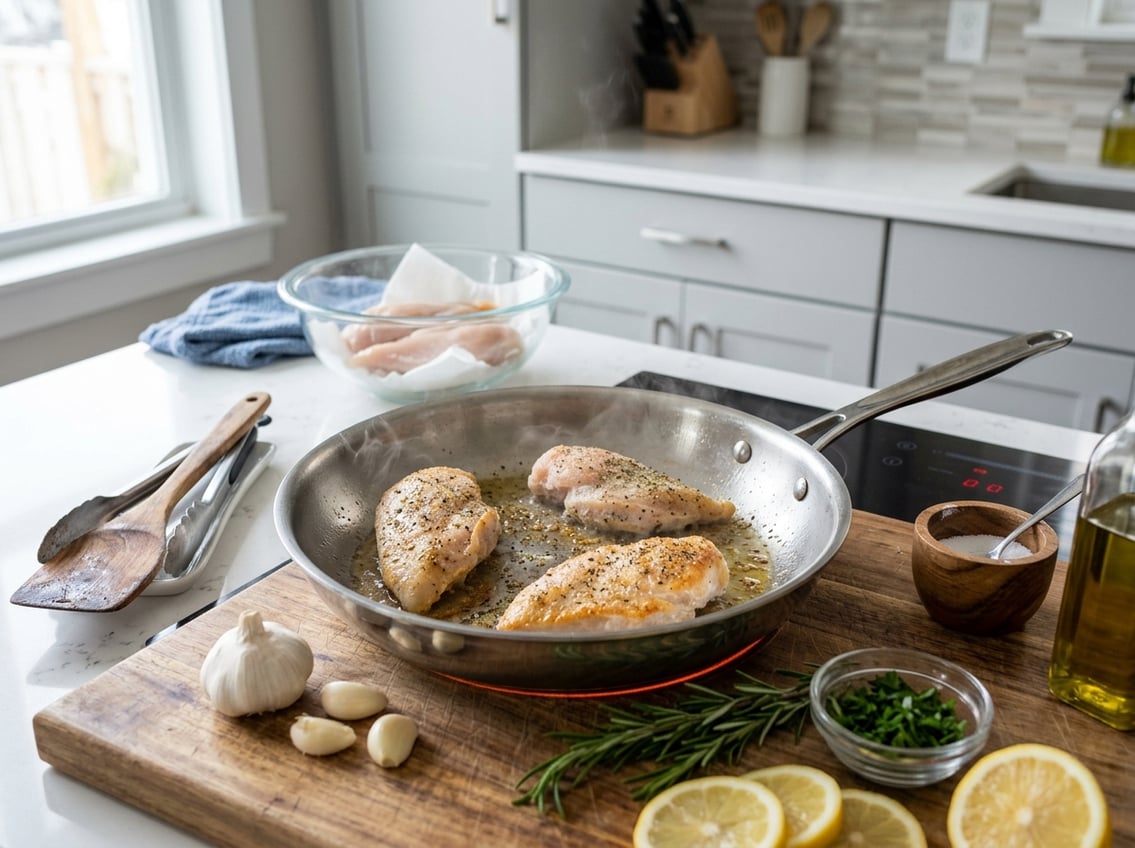
Use steady heat and give the meat enough time to finish. Aim for a cooked center, moist texture, and a safe final temperature.
Oven Method for Even Cooking
The oven is one of the easiest ways to cook chicken from frozen. Bake at about 350°F to 365°F, season the chicken, and roast until the thickest part reaches 165°F.
For boneless frozen chicken breasts, Allrecipes gives an estimated oven time of 30 to 45 minutes, depending on size.
Let the chicken rest for 5 to 10 minutes before slicing.
Stovetop Simmering for Better Moisture
Simmer frozen chicken breasts in broth, sauce, or another liquid. Cover and cook gently until done.
This method helps protect the outside from drying out before the inside finishes.
Instant Pot or Pressure Cooker Option
Pressure cooking is fast and useful when you need dinner quickly. Place the frozen breasts in a single layer, add broth, season them, and cook under high pressure.
For boneless frozen chicken breasts, Allrecipes lists 10 to 15 minutes in the Instant Pot, followed by a short natural release.
How Much Longer Frozen Chicken Breasts Take
Expect frozen chicken breasts to take about 50% longer than thawed chicken. Thin pieces finish faster, while thicker breasts need more time.
Use time as a guide, not a final answer. The thermometer tells you when the chicken is actually ready.
How to Tell When It Is Done
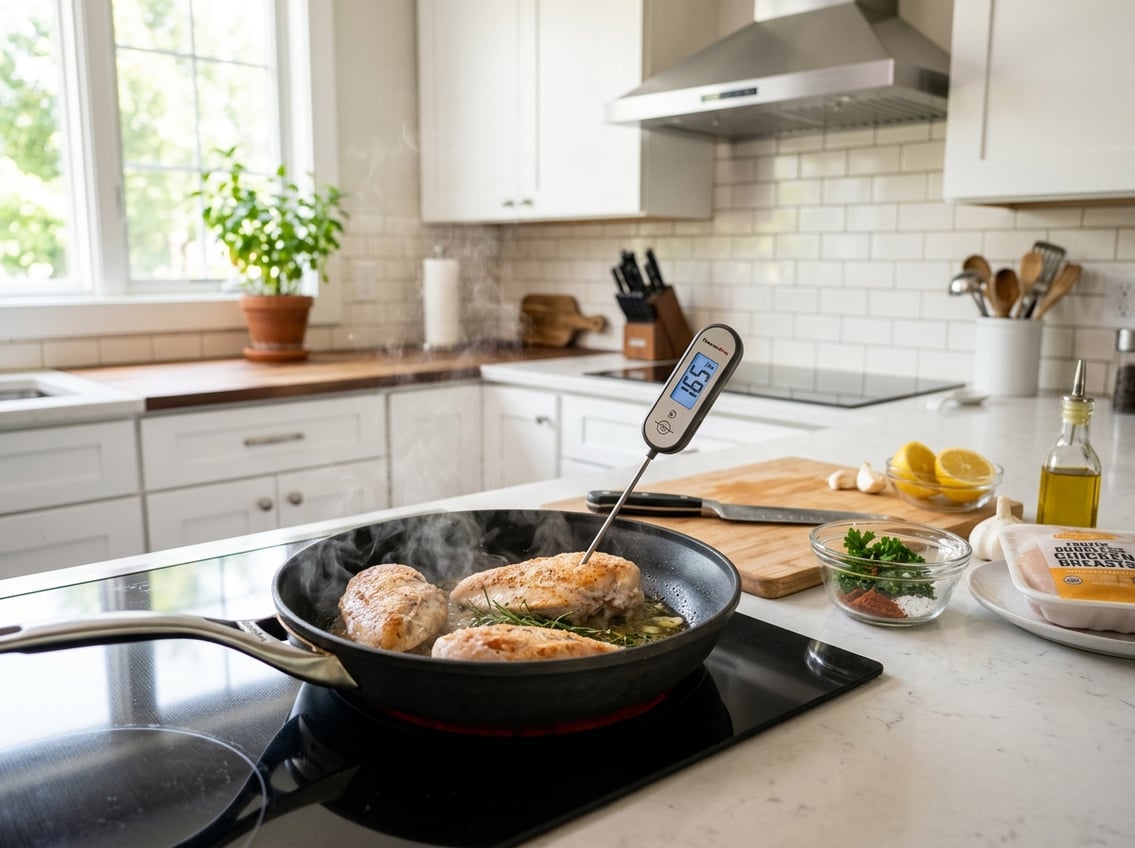
Color alone does not tell you if chicken is safe. Pink meat can still be done, and white meat can still be undercooked in the center.
Why You Should Use a Meat Thermometer
A meat thermometer gives you the clearest answer. Food safety experts and cooking guides, including Poison Control, recommend cooking chicken to 165°F.
Where to Check for 165°F
Insert the thermometer into the thickest part of the breast. Avoid touching the pan or any bone, since that can give a false reading.
If the temperature is 165°F or higher in the center, the chicken is safe to eat. If it is lower, keep cooking and check again.
Common Signs of Undercooked or Overcooked Chicken
Undercooked chicken may feel soft, look translucent in the center, or leak pink juices. Overcooked chicken usually feels dry and stringy.
A short rest after cooking helps the juices settle. This makes the meat easier to slice and less likely to dry out.
Seasoning, Marinating, and Practical Tips
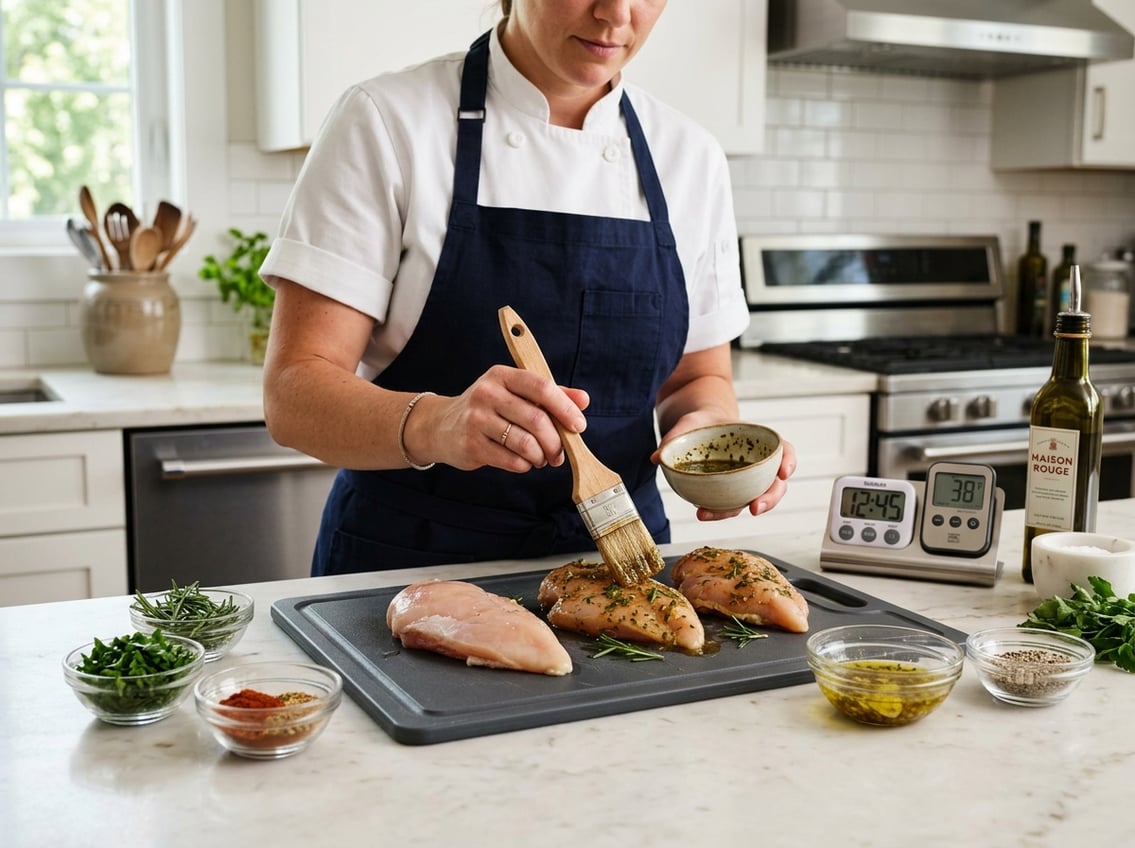
Frozen chicken breast can still take on good flavor, even if you do not thaw it first. Choose seasonings and sauces that can cling to the surface as the chicken cooks.
When to Add Oil, Sauce, and Dry Seasonings
Add oil, salt, pepper, dry spices, or sauce before cooking if the surface has enough ice removed to let them stick. In the oven, brushing the chicken with oil helps seasonings stay in place and supports browning.
For stovetop cooking, sauce or broth works well because it keeps the chicken moist while it cooks.
What to Know About Marinating Frozen Chicken
Marinating frozen chicken is possible, but it is not the same as marinating thawed chicken. A frozen breast will not absorb marinade well until it starts to thaw.
For better results, marinate after thawing when you can. If you cook it from frozen, use a sauce or glaze during cooking instead of expecting full marinade flavor.
Simple Ways to Keep the Meat Juicy
Do not overcook it. Check the temperature early if the pieces are small.
Rest the chicken for a few minutes after cooking. This helps keep the juices inside.
Use broth, sauce, or a light coat of oil. These small steps help you cook frozen chicken without thawing and keep it moist.


