
Can You Use Chicken Thighs for Chicken Alfredo? Expert Guide & Flavor Tips
You can use chicken thighs for chicken Alfredo, and they often improve the dish by staying juicier and offering richer flavor than breast meat.
If you want tender, flavorful pieces that hold up to a creamy Alfredo sauce without drying out, boneless skinless chicken thighs work well.
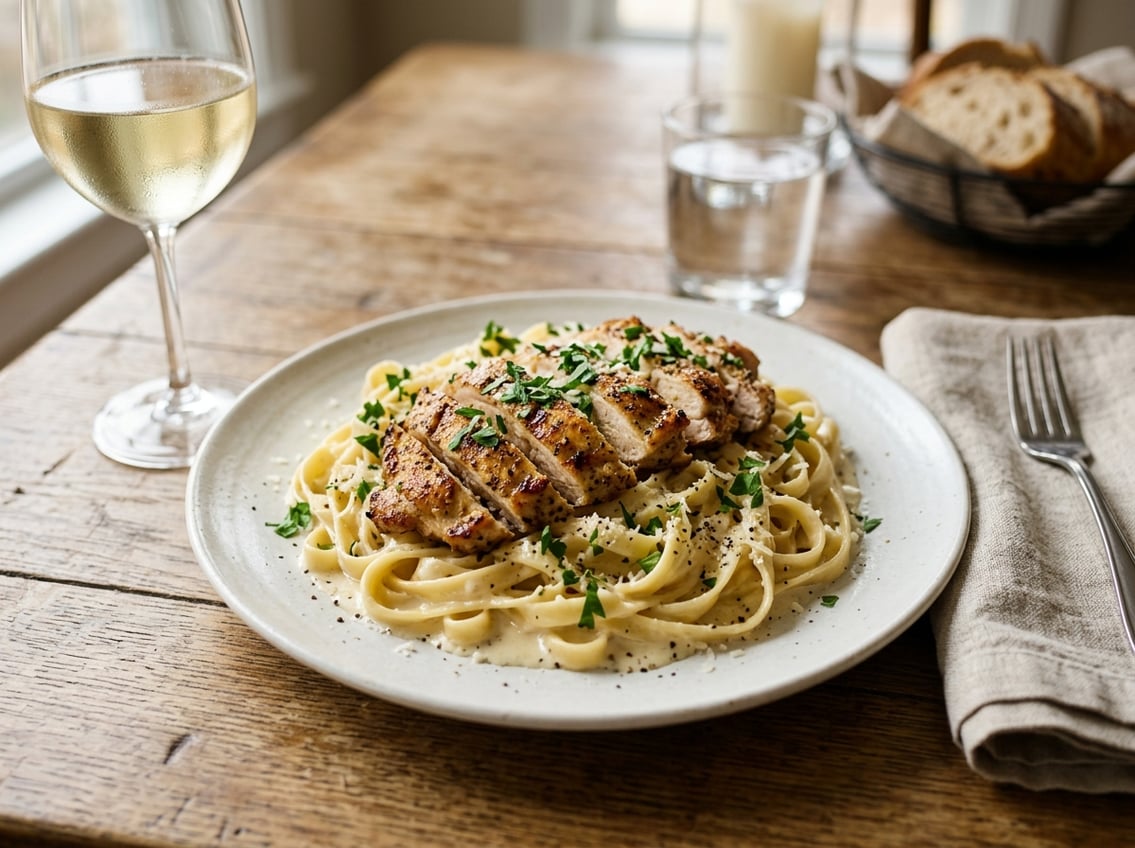
Chicken thighs elevate chicken Alfredo because they stay juicy, brown well, and bring a richer flavor to the dish.
You’ll find practical tips on sauce-building, slicing, combining the meat with Alfredo sauce, and easy swaps for dietary needs.
Why Chicken Thighs Elevate Chicken Alfredo
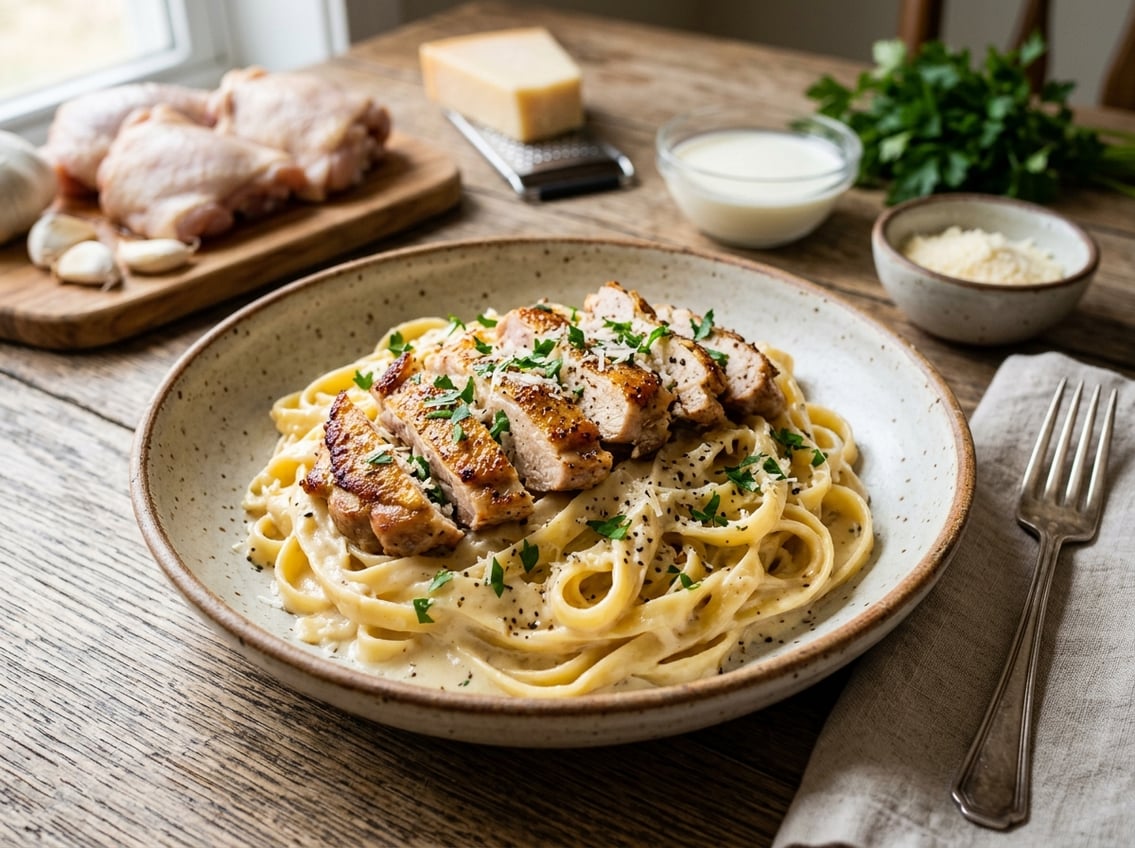
Chicken thighs bring richer flavor, greater juiciness, and better tolerance for higher heat than white meat.
You get a forgiving texture during cooking, straightforward seasoning options, and a cost advantage that keeps weeknight Alfredo flavorful and budget-friendly.
Flavor and Juiciness Benefits
Chicken thighs deliver a deeper, meatier flavor because dark meat contains more intramuscular fat than breasts.
That fat melts during cooking and adds savory richness that complements butter, cream, and Parmesan without needing heavy seasoning.
Thighs retain moisture better when you sear, bake, or slow-cook them.
Even when you brown them first, the interior stays succulent instead of drying out.
For Alfredo, this means juicy bites that contrast with the creamy sauce and pasta.
Season simply with salt, pepper, garlic powder, and a touch of Italian herbs to highlight the thigh’s natural flavor.
A short marinade with lemon and olive oil can brighten the meat while keeping it juicy.
Tender Texture Versus Chicken Breasts
Thighs stay tender at higher internal temperatures than breasts, so you have more flexibility with cooking time.
Breasts can become stringy at 165°F, but thighs remain moist and tender across a wider range.
Thigh meat also mixes well with Alfredo sauce.
When you slice or shred thighs, the pieces provide a richer mouthfeel that balances the pasta’s starchiness and the sauce’s creaminess.
If you want uniform slices, use boneless, skinless thighs and let them rest 5 minutes before cutting.
That rest preserves juices and gives you cleaner cuts for your Chicken Alfredo.
Cost-Effective and Versatile Option
Chicken thighs cost less per pound than chicken breasts, which helps if you’re feeding a family or cooking often.
Thighs often provide better flavor for the price.
You can pan-sear thighs for a browned crust, bake them for hands-off consistency, grill for smoky notes, or slow-cook for tender pieces.
Each method pairs well with Alfredo.
Sliced, seared thighs add texture, shredded thighs blend into the sauce, and grilled pieces add a charred contrast.
Tips:
- Choose boneless, skinless thighs for even cooking and easy slicing.
- Trim large fat deposits to avoid a greasy sauce.
- Cook to 165°F and let rest briefly to lock in juices.
How to Select and Prepare Chicken Thighs
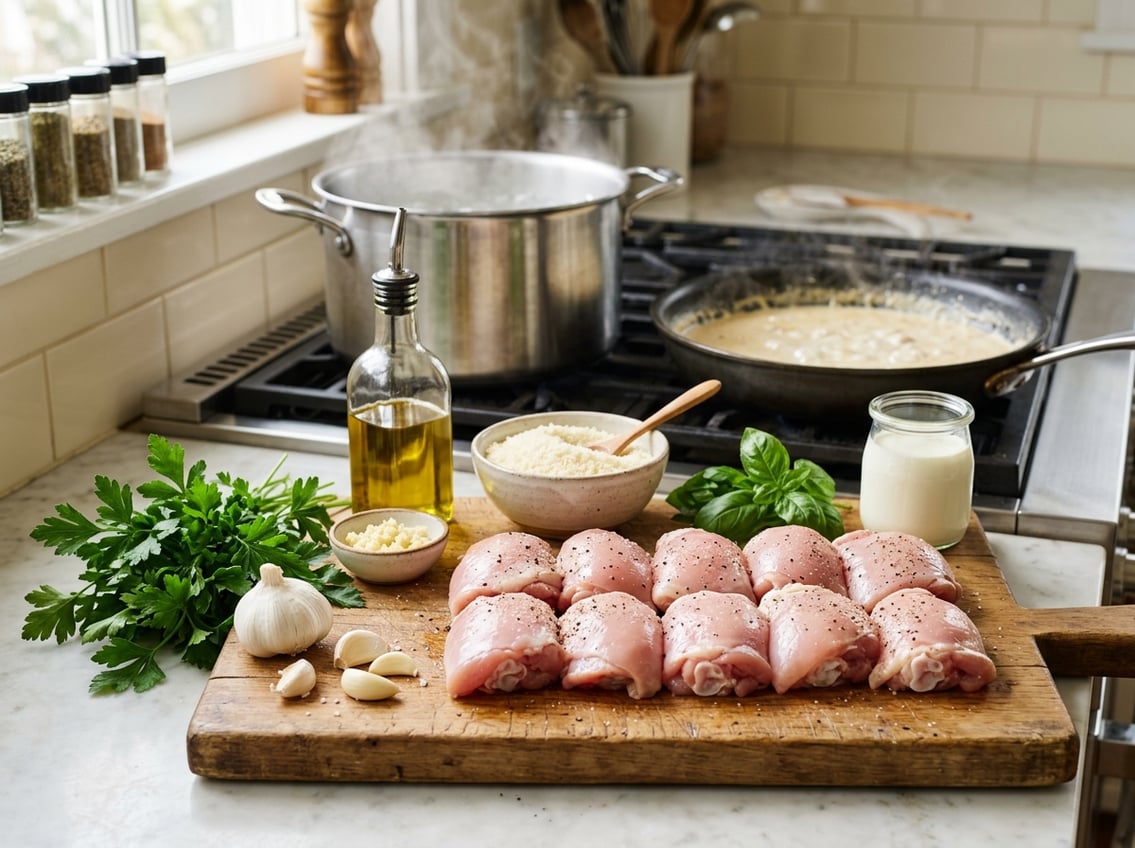
Pick thighs that stay juicy, brown well, and season easily.
Consider the cut, fat level, and whether you want skin, as these choices affect cooking time and how the meat works with your Alfredo.
Choosing Boneless vs. Bone-In Thighs
Boneless, skinless thighs cook faster and give you uniform pieces for tossing with pasta.
They take about 10–15 minutes to pan-sear and reach 165°F (74°C), making them ideal for quick, evenly textured chicken in Alfredo.
Bone-in, skin-on thighs add deeper flavor during roasting or braising because the bone and skin render extra fat and collagen.
They take 20–35 minutes to cook, depending on method.
Remove bones and slice before combining with pasta.
Choose bone-in if you want richer flavor and don’t mind a longer cook time.
If you want to sear for a crust, use skin-on for better browning, then finish in the oven.
For a smooth, non-greasy Alfredo, use boneless, skinless thighs.
Trimming and Portioning for Pasta
Trim visible excess fat to avoid a greasy sauce.
Use a sharp knife to remove large fat pockets, but leave some thin fat for flavor and browning.
Pat thighs dry with paper towels for better searing and a good crust to hold seasoning.
Portion thighs into strips or 1–1.5 inch cubes after resting.
If using bone-in, remove bones and skin before cutting.
Cut against the grain for tender bites that mix evenly with pasta.
If you cook whole then slice, let the meat rest 5 minutes to retain juices.
For quicker integration into sauce, partially cook, then slice into strips before finishing in the pan with the Alfredo.
Recommended Seasonings and Marinades
Keep seasoning simple to complement Alfredo’s cream and Parmesan.
Use kosher salt and freshly ground black pepper as your base.
Add garlic powder and a pinch of Italian seasoning or dried oregano for classic flavor.
For stovetop searing, rub thighs with olive oil and sprinkle garlic powder and Italian seasoning.
Let rest 10–15 minutes at room temperature so flavors adhere.
If marinating, use a short 30–60 minute marinade with olive oil, minced garlic, lemon, and oregano.
Avoid heavy acidic marinades longer than 2 hours, as they can change the texture of dark meat.
Cooking Techniques for Chicken Thighs in Alfredo Dishes
Aim for juicy, flavorful chicken thighs that hold up to creamy Alfredo sauce.
Focus on a browned exterior, proper internal temperature, and keeping excess grease out of the sauce.
Pan-Searing for Golden Crust
Pan-searing gives a brown, flavorful crust that contrasts well with Alfredo sauce.
Heat a heavy skillet over medium-high heat and add olive oil.
Pat boneless, skinless chicken thighs dry and season with salt, pepper, and herbs.
Sear thighs 4–6 minutes per side until a deep golden crust forms.
Use an instant-read thermometer and pull at 160–162°F; carryover heat will reach 165°F while resting.
Rest the thighs 5 minutes before slicing against the grain.
Deglaze the pan with white wine or chicken stock and fold those browned bits into the Alfredo sauce for extra flavor.
Avoid overcrowding the pan; cook in batches so each piece browns well.
Baking for Moisture and Convenience
Baking gives you evenly cooked, hands-off thighs that stay moist.
Preheat the oven to 400°F (204°C).
Arrange seasoned boneless thighs on a sheet, brush with olive oil, and bake 18–22 minutes depending on thickness.
Check doneness with a thermometer — 165°F internal — and let rest 5 minutes before slicing.
Baking with skin-on, bone-in thighs requires a longer time (25–35 minutes) and can add flavor.
Remove skin or trim excess fat before adding to Alfredo to prevent greasiness.
For crisper edges, broil 1–2 minutes at the end.
You can also finish baked thighs in a hot skillet to develop extra crust before slicing.
Other Methods: Grilling and Poaching
Grilling adds a smoky char that complements Alfredo.
Grill boneless thighs over medium-high heat for 4–6 minutes per side.
Trim excess fat and oil the grates to prevent flare-ups.
Slice thinly before tossing with pasta.
Poaching produces tender, low-fat chicken that blends into the sauce.
Simmer thighs gently in seasoned chicken stock or water at 170–180°F until 160°F internal, then rest.
If you want color, sear briefly after poaching.
Choose grilling for bold flavor, poaching for a neutral, tender protein.
Creating the Ideal Alfredo Sauce
Build flavor with good cheese and aromatics, control heat to keep the sauce smooth, and adjust fat and seasoning so the sauce coats pasta without being greasy.
Classic Parmesan-Based Sauce
Use freshly grated Parmigiano-Reggiano for better melting and flavor.
Gently warm heavy cream with a little butter and a pinch of salt; do not boil.
Whisk in grated Parmesan off heat or over very low heat, a handful at a time, until the sauce is glossy and combined.
Add garlic powder and black pepper to enhance savory notes.
If the sauce seems too thick, loosen it with reserved pasta water, adding a little at a time.
Taste and adjust salt last because Parmesan adds saltiness.
Incorporating Mozzarella for Extra Creaminess
Use low-moisture part-skim mozzarella for creaminess without adding excess water.
Shred it finely and fold it into the warm sauce slowly so it melts evenly.
Combine mozzarella with Parmesan; Parmesan gives umami and structure, while mozzarella adds stretch and silkiness.
Keep the heat low and stir constantly to avoid clumps.
For a silkier texture, mix mozzarella with a tablespoon of cream before adding to the sauce.
Finish with a light sprinkling of dried oregano for a subtle herbal lift.
Ensuring a Smooth and Creamy Texture
Control temperature carefully; heat the sauce gently and avoid boiling.
Emulsify fat and liquid by whisking slowly so the sauce stays smooth.
Use pasta cooking water as an emulsifier; its starches help the sauce cling to pasta.
Add water a little at a time while whisking until you reach a satin consistency.
If the sauce separates, remove from heat and whisk in a splash of cold cream or a small pat of butter.
To prevent breaking, avoid adding cold cheese to very hot cream; stir in small amounts so the temperature equalizes.
Assembling and Serving Chicken Alfredo with Thighs
Combine well-rested, sliced chicken thighs with hot Alfredo sauce and al dente pasta for a balanced dish.
Finish with garnishes like freshly grated Parmesan, optional shredded mozzarella, and cracked black pepper.
Combining Chicken, Sauce, and Pasta
Toss the pasta into the skillet with the sauce over low heat to keep the emulsion stable.
Add reserved pasta water, a little at a time, to loosen the sauce so it coats the noodles.
Slice boneless, cooked chicken thighs into strips and fold them in last to warm through.
This keeps the chicken juicy and prevents the sauce from thinning.
If you used skin-on or fatty thighs, blot excess fat first.
Finish with freshly grated Parmesan stirred in off heat to thicken and add savory depth.
Best Pasta Choices and Cooking to Al Dente
Fettuccine is classic because its wide ribbons hold Alfredo sauce, but tagliatelle, pappardelle, and rigatoni work well.
Choose pasta with surface texture or ridges to grab the sauce.
Cook pasta in heavily salted water to season it.
Aim for 1–2 minutes less than package instructions, then test a strand for a firm bite.
Drain, reserving some starchy cooking water.
Return pasta to the pot briefly with a splash of sauce and water, then transfer to the skillet with the sauce.
This helps the sauce cling and prevents a gluey finish.
Garnishes and Finishing Touches
Grate Parmesan fresh at the end. Use 2–4 tablespoons per serving for a bright, nutty finish.
If you want extra melt and stretch, sprinkle 1–2 tablespoons of shredded mozzarella over plated portions. Broil briefly for 10–20 seconds or let it melt from residual heat.
Add chopped parsley or basil for color and a mild herbal lift. Finish with freshly cracked black pepper and a pinch of red pepper flakes if you like heat.
Serve immediately on warmed plates so the sauce stays creamy. Offer extra grated Parmesan at the table for those who want a cheesier bite.
Ingredient Substitutions and Dietary Adaptations
You can swap proteins, change the sauce base, and adjust the pasta to fit allergies or diets. Focus on cooking times, moisture, and seasoning to keep the dish balanced and flavorful.
Using Chicken Breasts or Vegetarian Alternatives
If you prefer leaner meat, use chicken breasts instead of thighs at a 1:1 weight ratio. Pound breasts to even thickness and sear quickly to prevent drying.
Aim for 160–165°F (71–74°C) internal temperature and let rest five minutes. Slice thinly against the grain so pieces mix smoothly into the Alfredo sauce.
For vegetarian options, grill or pan-roast portobello slices, sear tofu, or roast cauliflower florets. Season with garlic, salt, and Italian herbs so the flavors stand up to the parmesan-rich sauce.
If you use mozzarella in addition to parmesan, add mozzarella only at the end for brief melting to prevent a stringy texture.
Tips:
- If you use bone-in or skin-on thighs, increase cook time and remove the skin if you want less fat.
- Thaw frozen chicken fully in the fridge before cooking.
- For a texture similar to thighs, shred roasted cauliflower or press tofu before cooking.
Making Dairy-Free Alfredo Sauce
Replace heavy cream with full-fat canned coconut milk, cashew cream (soak ½–1 cup cashews, blend with ½–1 cup water), or a blended silken tofu base. Blend with a little olive oil and a splash of nondairy milk to reach a silky consistency.
For cheese flavor without dairy, use nutritional yeast (1–3 tablespoons to taste) and add a teaspoon of miso or lemon juice for umami and brightness. Add garlic and a pinch of nutmeg as in classic Alfredo.
For a parmesan-like finish, try store-bought dairy-free parmesan or make a quick mix of ground almonds, nutritional yeast, and salt.
Cooking notes:
- Heat gently to prevent separation.
- Thicken with a slurry of cornstarch (1 teaspoon per cup liquid) or reduce slowly over low heat.
Gluten-Free and Low-Carb Options
Choose certified gluten-free fettuccine, chickpea pasta, or brown rice pasta to enjoy creamy alfredo without gluten. Cook gluten-free pasta to just al dente, as it can turn mushy if overcooked and will absorb more sauce.
For low-carb or keto adaptations, swap pasta for spiralized zucchini, spaghetti squash, or shirataki noodles. Lightly salt and drain zucchini to remove excess water before tossing it with the creamy alfredo sauce.
Sear shirataki in a dry pan to improve its texture.
Use full-fat dairy or higher-fat nondairy to meet keto macros. Finish the sauce with extra grated parmesan for body and flavor instead of using starchy thickeners.


