
Can You Get Salmonella From Chicken Breast? Safety Facts
Can you get salmonella from chicken breast? Yes, you can, because chicken breast is still raw poultry until it is fully cooked.
Raw chicken can carry salmonella. You can get sick from the chicken itself or from juices that spread to other foods and surfaces.
In the U.S., chicken is a common food. It is also a common source of germs such as salmonella.
You can greatly lower your risk with safe cooking, clean handling, and proper storage.
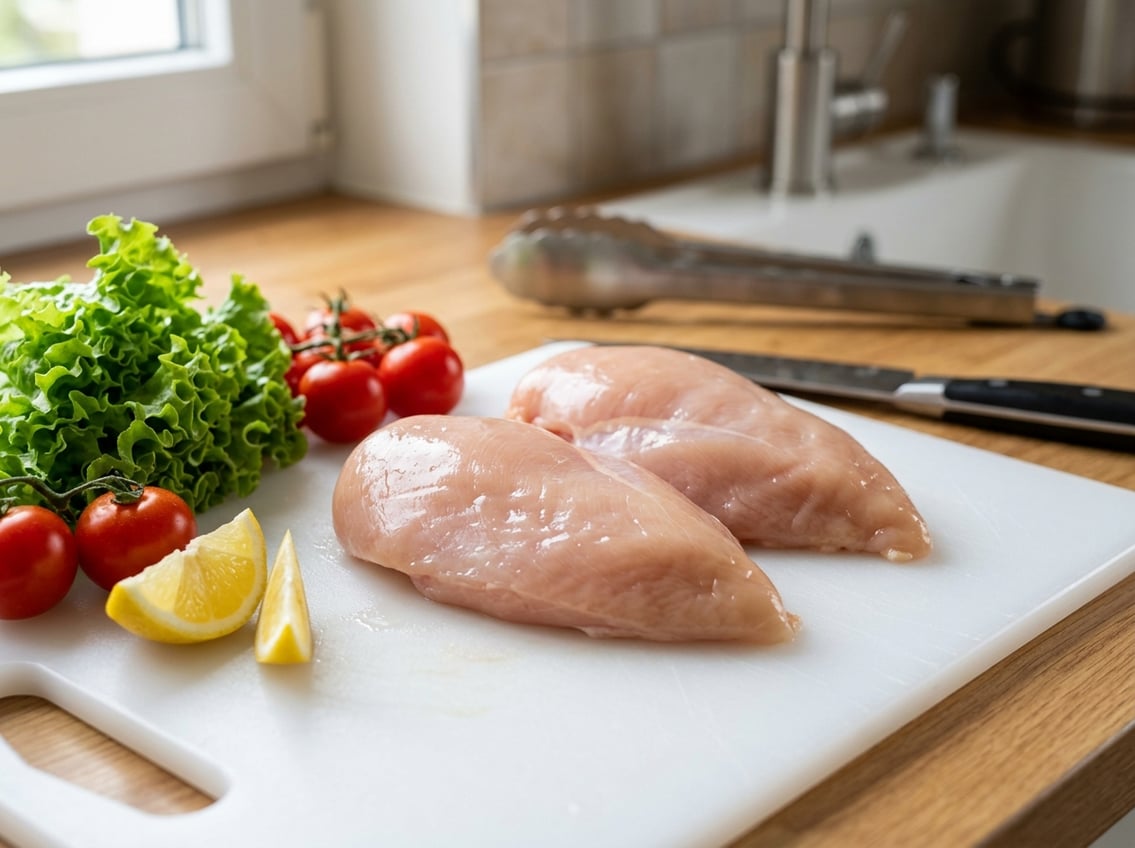
Why Chicken Breast Can Still Carry Risk
Chicken breast may look clean, fresh, and safe, but it can still carry salmonella contamination.
The Centers for Disease Control and Prevention explains that raw chicken can contain foodborne germs. Contaminated poultry causes many cases of foodborne illness in the United States, including salmonella in chicken.
Chicken can become contaminated before it reaches your kitchen. Raw juices, hands, utensils, and cutting surfaces can spread bacteria.
Why Chicken Breast Can Be Contaminated Before You Buy It
Salmonella can come from the bird’s environment, feed, processing equipment, or handling during slaughter and packaging.
Even a package of chicken breast that looks normal can still contain germs. This is why contaminated chicken is a real food safety concern.
The CDC estimates that about 1 in 25 packages of chicken at the grocery store contain salmonella.
You should treat all raw poultry as risky.
Why You Cannot See or Smell Salmonella
You cannot detect salmonella by sight, smell, or taste.
Chicken breast may look fresh but still carry bacteria that can cause food poisoning.
Food safety depends on handling and cooking, not appearance. A clean smell does not rule out salmonella transmission.
A normal-looking piece of chicken can still cause illness if it is undercooked.
How Salmonella Spreads From Raw Poultry to Other Foods
Cross-contamination is a major risk. Raw juices can spread to cutting boards, knives, counters, salads, bread, or other ready-to-eat foods.
If you handle raw chicken breast and then touch other food without washing your hands, you can move germs from the raw meat to food you do not plan to cook.
How to Cook and Handle It Safely
You can lower your risk with careful cooking and clean food handling.
The key steps are simple. Cook to the right temperature, keep raw poultry apart from other foods, and store it correctly.
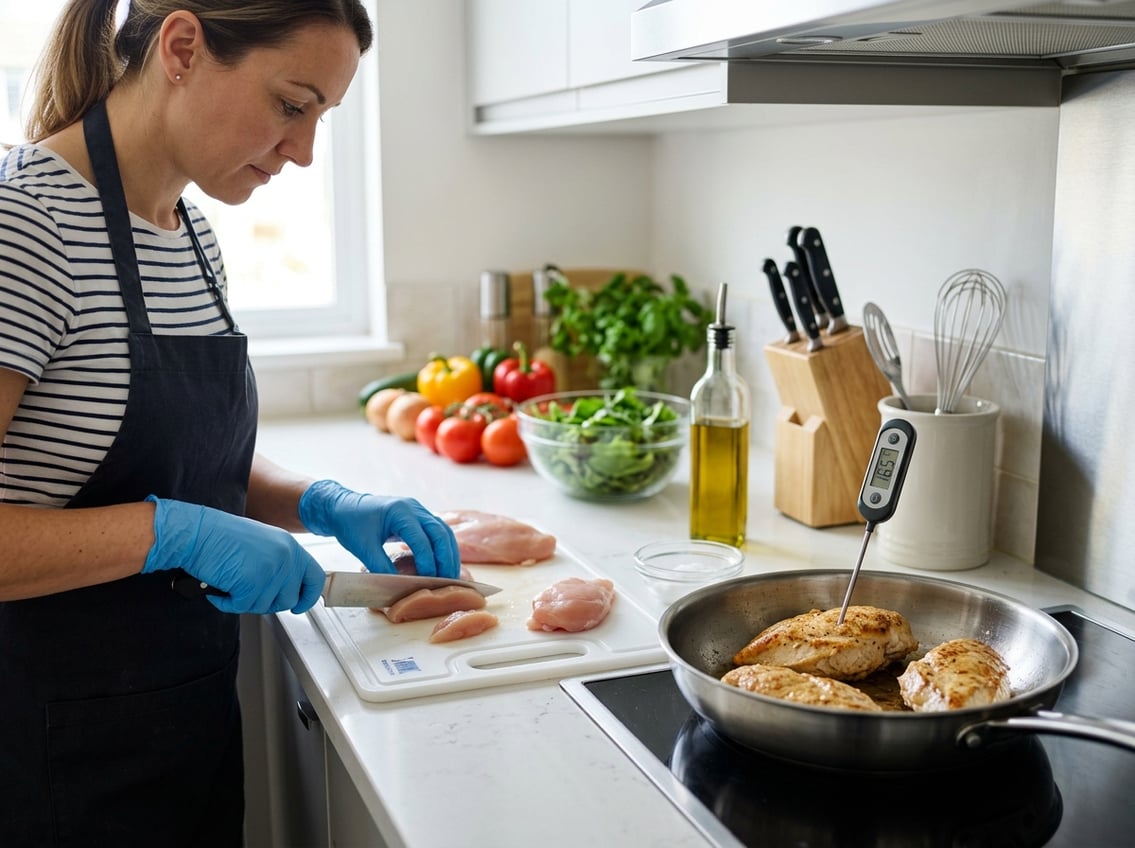
Cook to the Right Internal Temperature Every Time
Use a food thermometer instead of guessing.
The safe internal temperature for chicken is 165°F, or 165°F (74°C), measured at the thickest part.
Color alone is not a reliable guide. Cooking chicken until it looks done is not enough.
Prevent Cross-Contamination in the Kitchen
Keep raw chicken away from salads, fruit, and any food that will not be cooked.
Use a separate cutting board for raw poultry. Do not place cooked food back on a plate that held raw chicken.
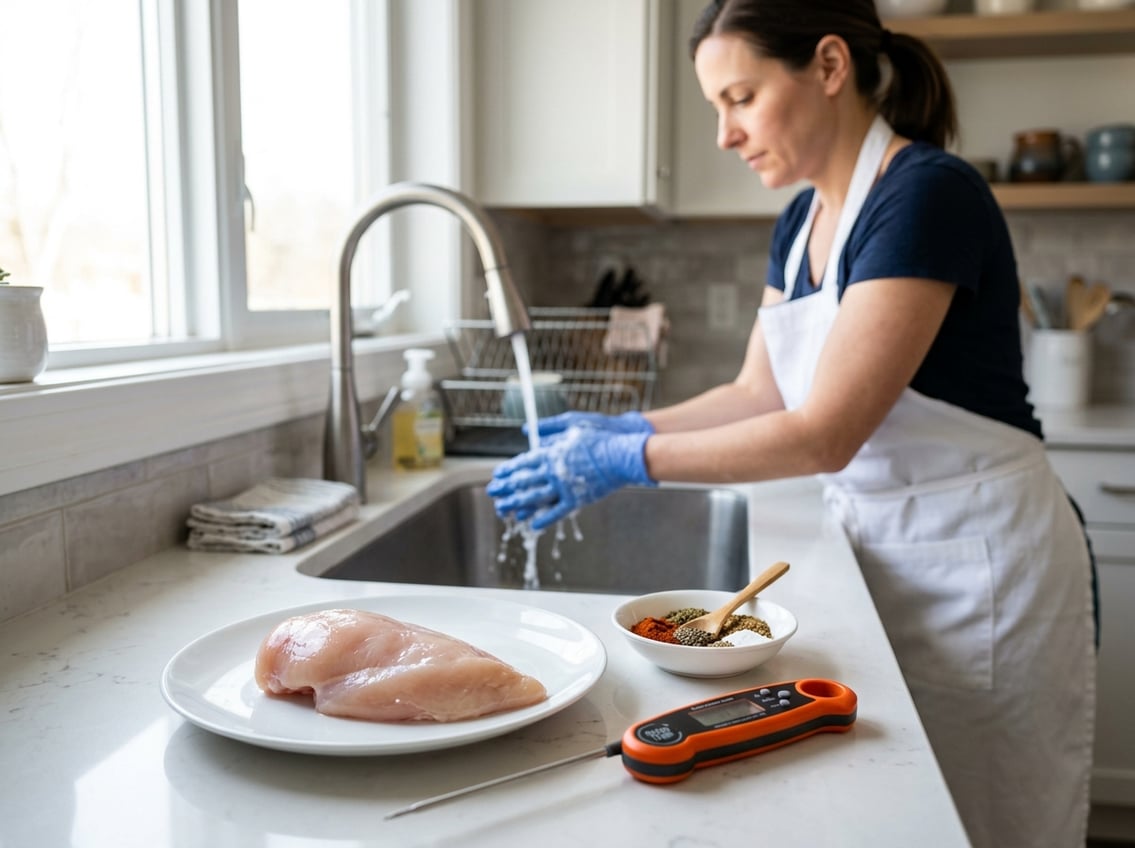
During food handling, wash hands with soap and water for at least 20 seconds after touching raw chicken or its packaging.
Clean knives, countertops, and sink areas with hot, soapy water after prep.
Store Raw and Leftover Chicken the Right Way
Store raw chicken in a sealed container on the bottom shelf of your refrigerator so juices do not drip onto other food.
If you need to keep it longer, store chicken properly in the freezer.
Refrigerate or freeze leftover chicken within 2 hours, or within 1 hour if it has been sitting in heat above 90°F.
Safe storage is a key part of preventing salmonella.
Symptoms and When Illness Becomes Serious
If you get sick after eating contaminated chicken, symptoms may start with stomach problems and can range from mild to severe.
Most cases of salmonellosis improve with rest and fluids. Some infections need medical care.
Common Symptoms After Eating Contaminated Chicken
Common symptoms of salmonella include diarrhea, fever, vomiting, and abdominal cramps.
You may also feel weak or lose your appetite.
This illness is often called salmonellosis or salmonella poisoning. It is a type of food poisoning and a form of foodborne illness.
How Long Symptoms Usually Take to Appear
Symptoms often begin 6 hours to 6 days after exposure. The timing can vary.
That delay can make it harder to connect the illness to one meal.
If you ate chicken breast earlier in the week and then develop diarrhea or fever, that meal may still be the cause.
Salmonella from chicken can also come from a different contaminated food or surface in the same kitchen.
Who Is at Higher Risk for Complications
Most healthy adults recover without lasting problems. Some people face a higher risk of severe illness.
Young children, older adults, pregnant people, and anyone with a weak immune system should be extra careful.
Serious complications can include bacteremia, which means the bacteria enter the bloodstream. Some people may also develop reactive arthritis after the infection clears.
Seek medical care if you have signs of dehydration, bloody diarrhea, a high fever, or symptoms that last more than a few days.


