
Can You Eat the Skin on Chicken Thighs? Nutrition, Flavor, and Cooking Tips
You can eat the skin on chicken thighs, and in many cases it improves flavor and moisture without wrecking a balanced diet. Chicken skin adds fat and calories, but eaten in moderation as part of varied meals it doesn’t automatically make the dish unhealthy and often delivers juicier, more flavorful thighs.
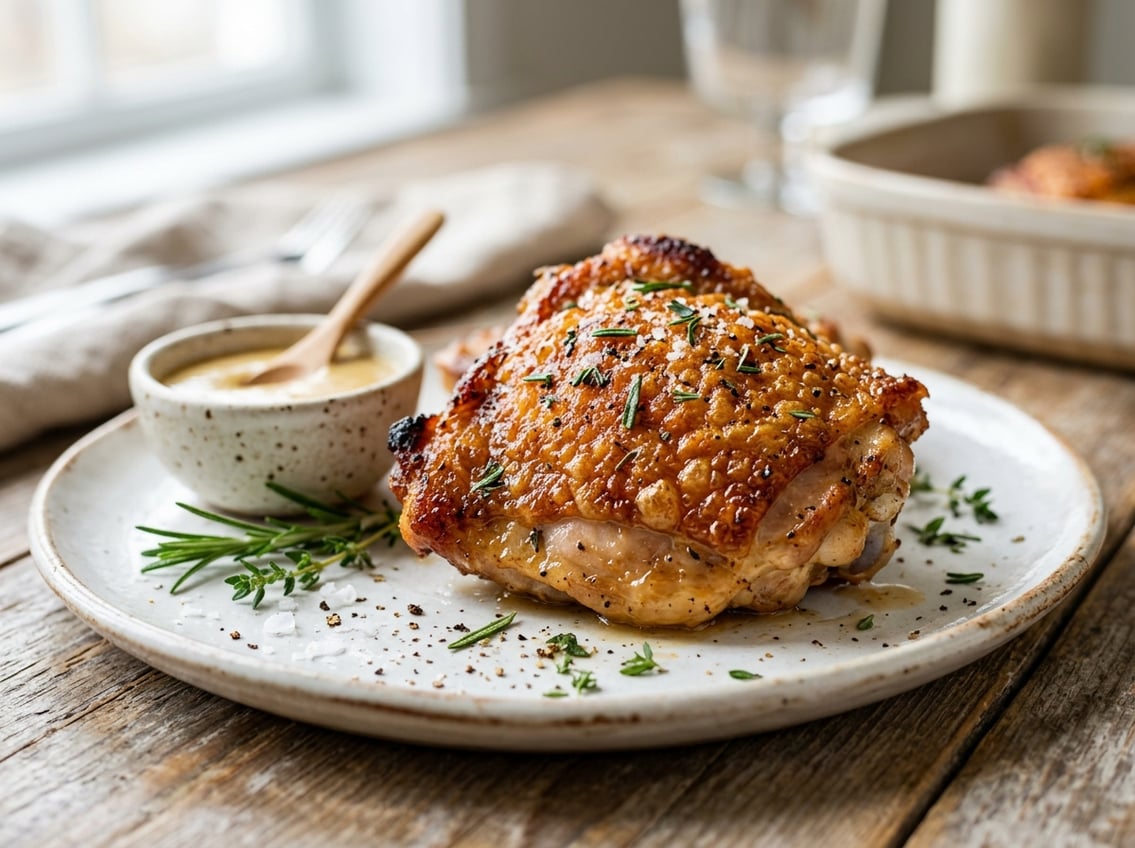
If you care about nutrition or cooking technique, this post will walk you through the trade-offs between skin-on and skinless chicken thighs. You’ll learn what the skin contributes to taste and texture, what the nutritional differences mean for your meal planning, when to remove it, and simple steps to get crispy skin every time.
Nutritional Differences Between Skin-On and Skinless Chicken Thighs
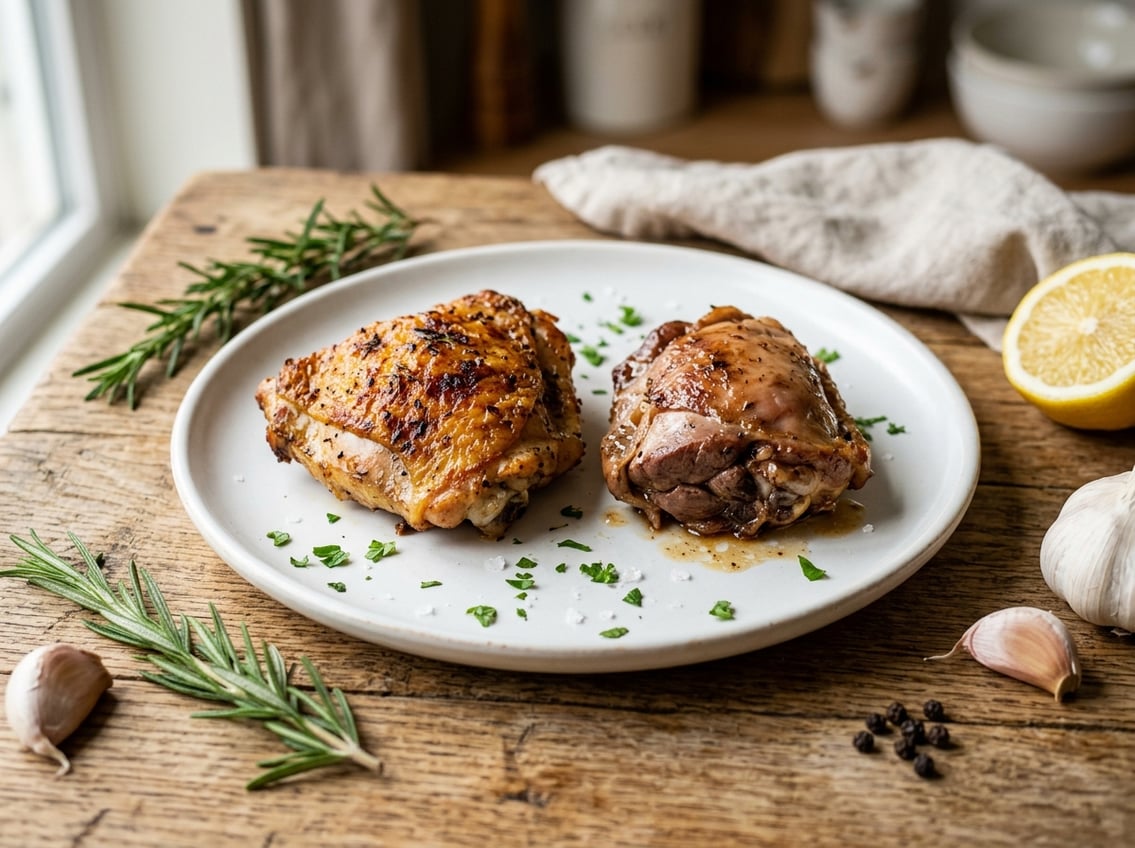
The skin itself brings the biggest nutritional shift: calories and fat rise when you keep the skin on, while protein and many micronutrients change little. The dark meat of chicken thighs also affects iron and zinc content and how forgiving the cut is during cooking.
Calories and Fat Content
Skin-on chicken thighs add substantial calories compared with skinless thighs because the skin stores most of the fat. For a 100 g cooked serving, expect roughly 50–60 extra calories and about 7–8 grams more total fat when the skin remains.
Saturated fat increases too, typically by 1–3 grams per 100 g. If you’re tracking energy intake or limiting saturated fat, removing the skin cuts both calories and total fat nearly in half without reducing protein much.
How you cook the thighs matters. Roasting or pan-searing lets some fat render away, while frying or eating the crisped skin increases fat intake further.
Protein and Nutrients
Protein content stays nearly identical between skin-on and skinless chicken thighs. A 100 g cooked serving generally supplies about 24–26 g of protein whether the skin is present or not.
Micronutrients such as iron, zinc, phosphorus, and B vitamins concentrate in the meat, not the skin. You’ll get more iron and zinc from dark meat than from white meat, and those values don’t drop when you remove the skin.
Dark Meat Characteristics
Chicken thighs are dark meat, which means higher myoglobin, more intramuscular fat, and a richer flavor profile than breast meat. That extra fat keeps the meat juicier during cooking and raises caloric density compared with white meat.
Dark meat also contains slightly more iron and zinc per serving, which benefits those monitoring micronutrient intake. Balance these advantages against the extra fat from skin-on thighs when making choices based on health goals or recipe needs.
Health Considerations: Is Eating Chicken Skin Unhealthy?
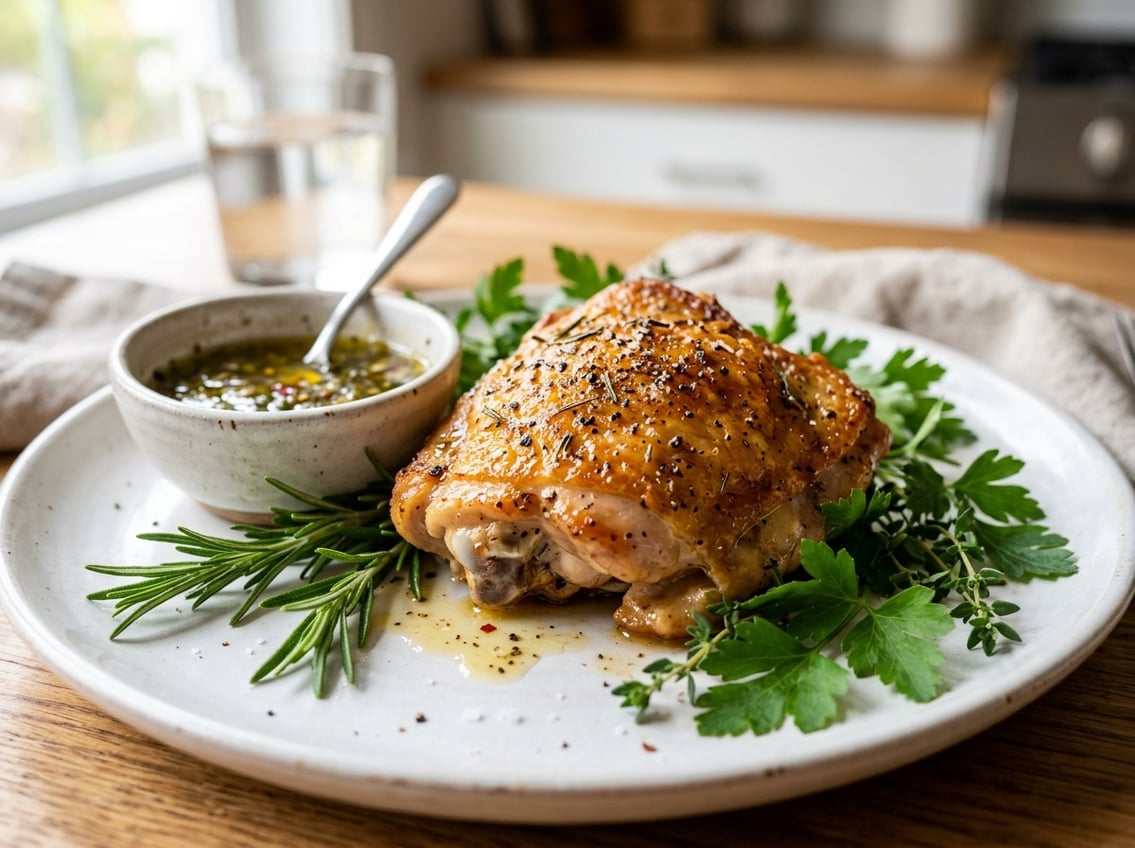
Chicken skin adds flavor and fat to chicken thighs. Whether it’s a problem depends on the types of fat, your cholesterol and heart risk, and how you fit it into your overall diet.
Pay attention to portion size and cooking method to control calories and inflammatory fats.
Types of Fat in Chicken Skin
Chicken skin contains a mix of fats: mainly monounsaturated and polyunsaturated fats, with a smaller proportion of saturated fat. Monounsaturated fats, similar to those in olive oil, can support healthy lipid profiles when they replace saturated fats in your diet.
Polyunsaturated fats include omega-6 fatty acids. These are essential but can promote inflammation if you eat them in very high amounts relative to omega-3s.
Cooking method matters. Pan-frying or deep-frying can add oil, increasing total fat and calories, while roasting can render and drip some fat away.
Impact on Cholesterol and Heart Health
Eating chicken skin occasionally is unlikely to cause large, immediate changes in your blood cholesterol. Saturated fat raises LDL cholesterol in many people, and chicken skin contributes some saturated fat, so frequent large portions could push LDL higher over time.
If you already have high LDL, coronary disease, or diabetes, limiting added saturated fat is prudent. Swapping skin-on thighs for skinless chicken reduces saturated fat and total calories per serving.
Consider overall dietary patterns. A diet high in vegetables, whole grains, and unsaturated fats can help mitigate risk.
Portion Control and Dietary Balance
Control portions. A single skin-on chicken thigh (about 80–120 g cooked) can add roughly 50–150 extra calories versus skinless, depending on size and cooking.
Eat skin occasionally rather than every day if you aim to limit added calories or saturated fat. Balance the rest of your plate with vegetables, whole grains, and a source of omega-3s (such as fatty fish or flax) to offset omega-6 intake.
If you want flavor with less fat, remove the skin before cooking or roast with the skin on but discard it after cooking. That technique preserves moisture and taste while cutting some fat.
Use portion-aware habits. Weigh or estimate servings, track added oils during cooking, and pair skin-on servings with lower-fat choices elsewhere in the meal.
Flavor, Moisture, and Cooking Benefits of Chicken Skin
Keeping skin on chicken thighs gives you crisp texture, richer flavor, and more reliable juiciness during cooking. The skin renders fat that bastes the meat, crisps under dry heat, and acts as a barrier against direct heat loss.
How Skin Enhances Juiciness
When you cook skin-on chicken thighs, the layer of fat beneath the skin melts and redistributes moisture into the meat. That rendered fat helps prevent the thigh from drying out, especially during high-heat methods like roasting or pan-searing.
Pat the skin dry before cooking to help it crisp while allowing the fat to render cleanly. For bone-in thighs, the skin also slows heat transfer, so the interior reaches safe temperature without the exterior overcooking.
Rest the thighs 5–10 minutes after cooking so juices redistribute. This preserves the mouthfeel you want from juicy chicken.
Flavor Impact of Rendered Fat
Rendered chicken skin fat carries concentrated savory compounds and seasoning into the meat and pan. As the fat liquefies, it dissolves and spreads salt, herbs, and Maillard reaction flavors, giving you deeper savory notes than skinless thighs produce.
You can use the drippings to build pan sauces or to baste during roasting for added gloss and flavor. If you prefer less fat on the plate, cook skin-on for flavor and remove the skin before serving. The meat retains that richness while you cut calories.
Protecting Against Dryness
The skin functions as a physical shield that reduces direct moisture loss from the flesh. That barrier is most useful on leaner cuts or when cooking at temperature extremes where meat tends to dry quickly.
Choose dry-heat techniques such as roasting at 400°F, searing then oven-finishing, or grilling to get crispy chicken skin while the barrier does its job. Avoid covering the thighs while they cook; trapped steam softens the skin and defeats its protective role.
How to Achieve Crispy Chicken Skin on Thighs
Start by removing excess moisture and opening a path for heat to reach the skin. Then choose a cooking method that renders fat quickly and finishes with high, dry heat for the crunch you want.
Drying and Seasoning Techniques
Pat each skin-on chicken thigh thoroughly with paper towels until the surface feels dry to the touch. Leave the thighs uncovered on a rack in the fridge for 1–24 hours to dry the skin further; this reduces surface moisture that prevents crisping.
Season salt directly on the skin at least 30 minutes before cooking. Salt draws remaining moisture out and seasons the fat.
If you use a spice rub, apply most of it to the meat and only a light dusting on the skin to avoid extra moisture. For under-the-skin flavor, slide small pats of herb butter between skin and meat without tearing the skin; avoid wet marinades under the skin.
Score the skin lightly with short, shallow cuts across the grain to relieve tension and help fat render evenly. Do not pierce into the meat—only cut through the skin.
Cooking Methods for Maximum Crunch
Start skin-side down in a cold, dry skillet over medium heat for stove-to-oven methods. Let the fat render slowly until you see deep golden-brown color; this develops crispiness and reduces splatter.
Transfer the skillet to a 400–450°F (200–230°C) oven to finish cooking through without soggy skin. Alternatively, roast on a wire rack set over a baking sheet at 425°F (220°C). Elevating the thighs allows hot air to circulate and fat to drip away, producing uniform crispy chicken skin.
For broiler finishers, move the pan under a hot broiler for 2–4 minutes at the end, watching constantly to prevent burning. Avoid steaming methods or covering the pan; trapped steam softens skin and ruins crispness.
Equipment and Temperature Tips
Use a heavy cast-iron skillet or a rimmed baking sheet with a wire rack to hold thighs above drippings. Cast iron gives strong contact heat for even browning; the rack method prevents the skin from sitting in rendered fat.
Preheat the skillet or oven fully before adding the chicken. Aim for initial pan temperatures around medium (for cast-iron start) and oven roasting at 425°F (220°C).
Internal doneness target is 165°F (74°C) measured at the thickest part without touching bone. Remove a few degrees early if you plan to rest the thighs.
Use a thermometer to avoid overcooking. For extra safety, protect against flare-ups by draining excess fat from the skillet or resting thighs on paper towels briefly after cooking to keep the skin crisp.
Best Uses for Skinless Chicken Thighs
Skinless chicken thighs work well when you need tender meat that soaks up marinades, cooks quickly, and fits controlled-fat meals. They shine in high-heat sears, slow braises, and recipes where sauces or spice rubs provide the primary flavor.
Lean Recipes and Quick Cooking
Use skinless chicken thighs for quick stovetop sautés and sheet-pan dinners where cooking time matters. Trim excess fat, then cut thighs into even pieces for 6–8 minute skillet cooks over medium-high heat.
Air-frying or broiling skinless thighs yields a browned exterior in about 15–20 minutes. Check for 165°F (74°C) internal temperature.
For faster weeknight meals, slice thighs thinly for stir-fries or tacos. Thin cuts take 3–5 minutes to cook through and absorb sauces better.
If you want a lower-fat option for batch cooking, braise skinless thighs in tomato-based sauces or broths; they remain tender after reheating. Freeze cooked portions in single-serve containers for quick lunches.
Flavor Pairings Without Skin
Because skinless chicken thighs lack the fat and crispness of skin-on cuts, emphasize bold marinades and finishing touches. Citrus (lemon, lime), garlic, soy, and yogurt-based marinades add brightness and tenderize the meat.
Use spice blends like smoked paprika and cumin for a robust profile, or ginger, sesame, and scallion for an Asian-style dish. Finish with acid—vinegar or a squeeze of lemon—so flavors pop.
Fresh herbs (cilantro, parsley, thyme) added at the end restore aromatic brightness. For mouthfeel, add a small amount of olive oil or finish with a compound butter when plating. That restores richness without undoing the lower-fat benefit of skinless thighs.
Preparation for A Balanced Meal
Plan sides that complement the texture and absorbency of skinless chicken. Grain bowls pair well—quinoa, brown rice, or farro soaked with a vinaigrette will carry the thigh’s juices.
Roasted vegetables (broccoli, carrots, bell peppers) provide fiber and color. For macros, pair one serving (about 4–5 oz cooked) of skinless chicken thighs with 1 cup cooked whole grain and 1–2 cups non-starchy vegetables.
Add a tablespoon of healthy fat—olive oil, avocado, or nuts—to meet satiety needs. Use meal-prep steps: marinate overnight, cook in a single pan, and portion into balanced containers.
Label with date. Cooked skinless thighs last 3–4 days in the refrigerator and up to 3 months frozen.
Choosing Between Skin-On and Skinless Thighs
You’ll balance flavor, nutrition, and cooking time when deciding whether to use skin-on or skinless chicken thighs. Consider cost, ease of preparation, whether you’ll save removed skin, and how the pieces will be combined in the same meal.
Cost and Convenience Considerations
Skin-on chicken thighs usually cost less per pound than trimmed, packaged skinless thighs because processors take fewer steps.
Buying bone-in, skin-on thighs often gives you the best price-per-serving if you cook for multiple people.
Skinless thighs save prep time when you want a quicker, lower-fat option. You can cook them straight from the package without extra trimming.
If you plan to brown or crisp the exterior, cook skinless pieces at slightly higher heat for a bit longer to avoid dryness.
Consider waste and storage. Skin-on pieces release fat while cooking, so you may need to drain or skim it.
Skinless thighs produce less rendered fat and leave fewer greasy pans to clean.
Removing and Saving Chicken Skin
If you buy skin-on but want to cook skinless, remove the skin cold with a sharp knife and a firm pull. The skin comes off cleanly near the joint.
Pat the meat dry after skin removal to help it brown evenly and reduce splatter during cooking.
Store removed chicken skin in the fridge for 1 to 2 days or freeze it for up to 3 months in a sealed bag.
You can use saved skin to make cracklings, render fat for roasting vegetables, or crisp it under the broiler as a garnish.
Label frozen portions with the date and separate layers with parchment to prevent clumping.
When rendering skin, cook it low and slow to extract fat. Strain and store the liquid fat in a jar for later use.
Combining Skin-On and Skinless in Meals
Mixing skin-on and skinless thighs in one meal gives you texture and convenience.
Roast skin-on thighs on a sheet pan to create crispy tops. Cook skinless thighs in a separate pan or on a lower rack so they stay moist.
Use skin-on pieces when presentation and mouthfeel matter, such as in a plated entree. Reserve skinless thighs for salads, tacos, or stews where extra fat would weigh down the dish.
When grilling, place skin-on pieces over direct heat to crisp the skin. Move skinless pieces to indirect zones.
Plan sauces and timing. Remove rendered fat from pan sauces made with skin-on thighs to control richness.
Stagger cooking start times so both types finish together and stay juicy.


