
How Long Do Chicken Thighs Last in the Fridge: Expert Storage and Safety Tips
You can safely keep raw chicken thighs in the fridge for 1–2 days and cooked thighs for about 3–4 days when stored below 40°F. After that, the risk of foodborne illness rises.
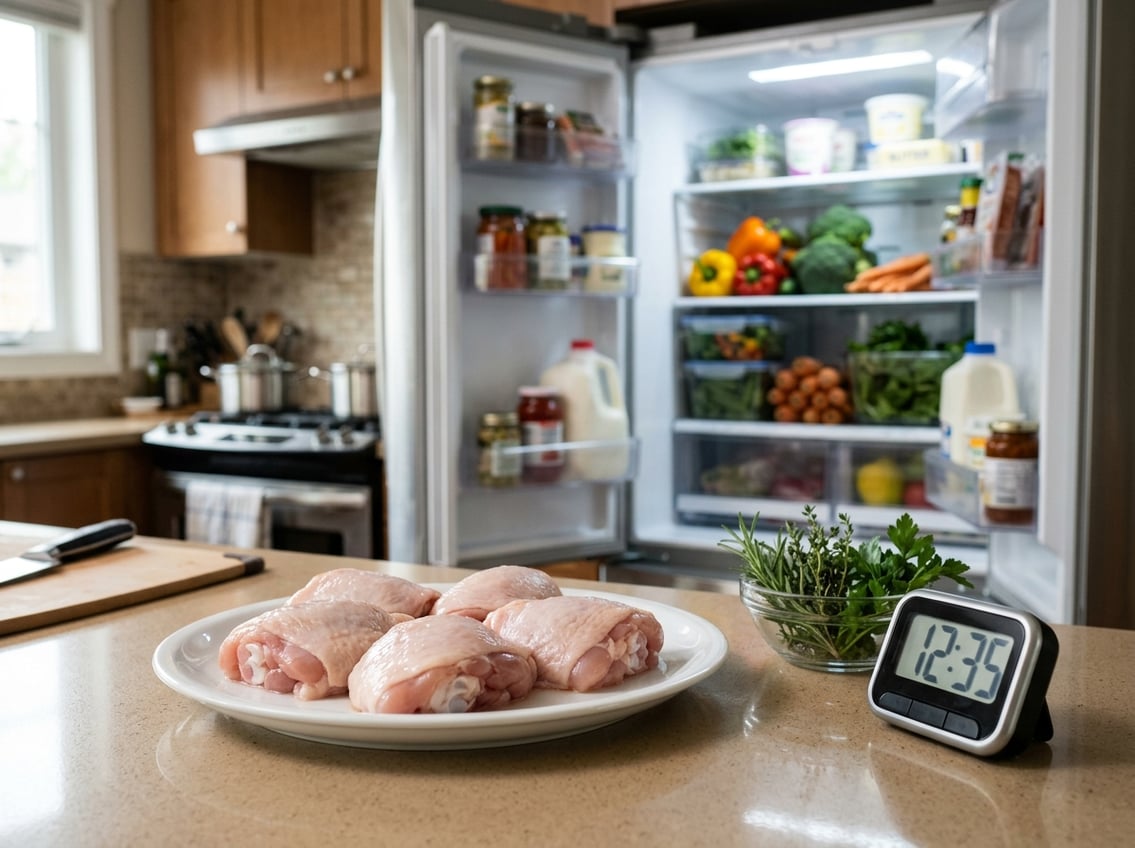
Watch for changes in smell, texture, and color as you store chicken thighs. Use airtight containers or sealed packaging to keep them fresh longer.
This post covers safe fridge timeframes, storage methods, spoilage signs, and freezer and thawing tips.
Safe Refrigerator Storage Timeframes
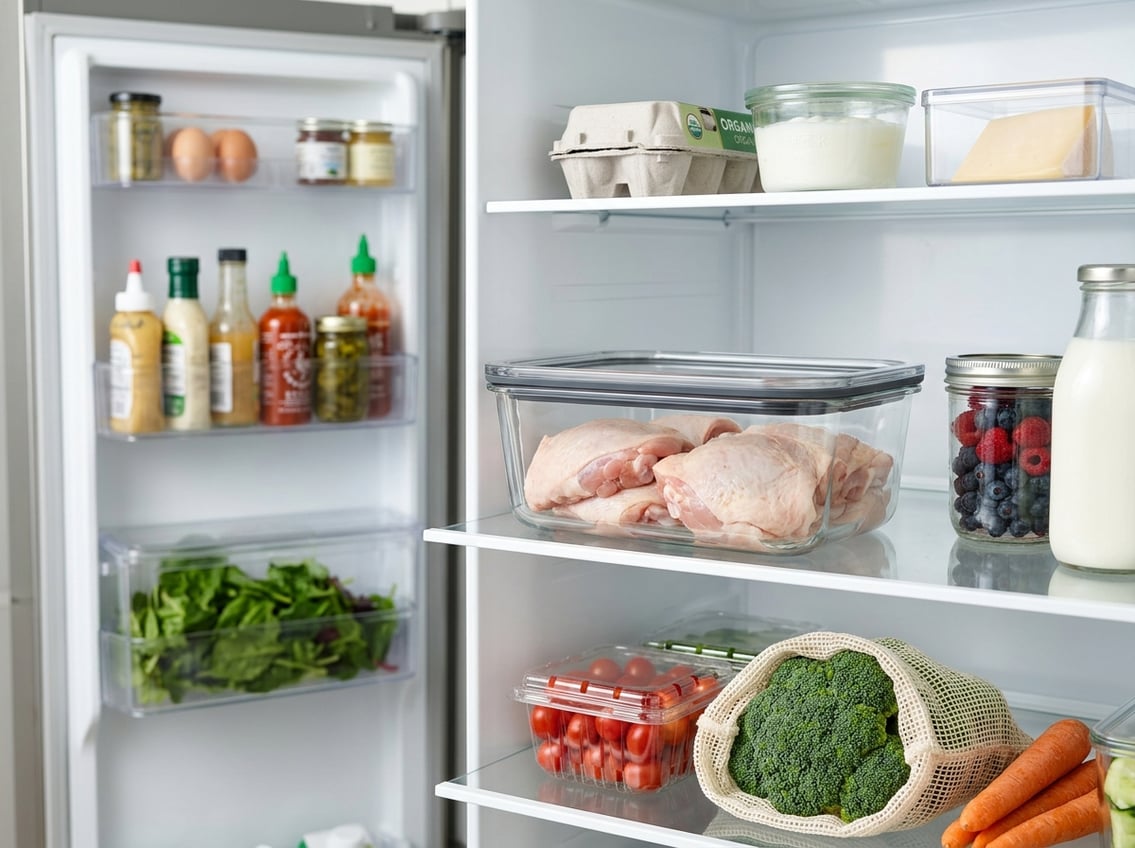
Store raw thighs cold at or below 40°F (4°C) and use them quickly. Chill cooked thighs promptly in shallow, airtight containers and reheat to 165°F (74°C) before eating.
Raw Chicken Thigh Storage Duration
Keep raw chicken thighs in their original packaging or wrap them tightly. Place them on the lowest fridge shelf to prevent drips.
Refrigerate at 40°F (4°C) or below and use within 1–2 days for safety and best quality.
If you won’t cook them within that time, freeze them and label with the date. Always check for off-odors, sliminess, or discoloration before cooking.
Cooked Chicken Thigh Storage Duration
Cool cooked thighs to fridge temperature within two hours of cooking by dividing into shallow containers. Store covered or in airtight containers at 40°F (4°C) or below.
Cooked chicken thighs stay safe for 3–4 days in the refrigerator. Reheat only what you’ll eat and bring it to 165°F (74°C).
If you won’t eat them within four days, freeze immediately and label with the date.
Proper Ways to Store Chicken Thighs
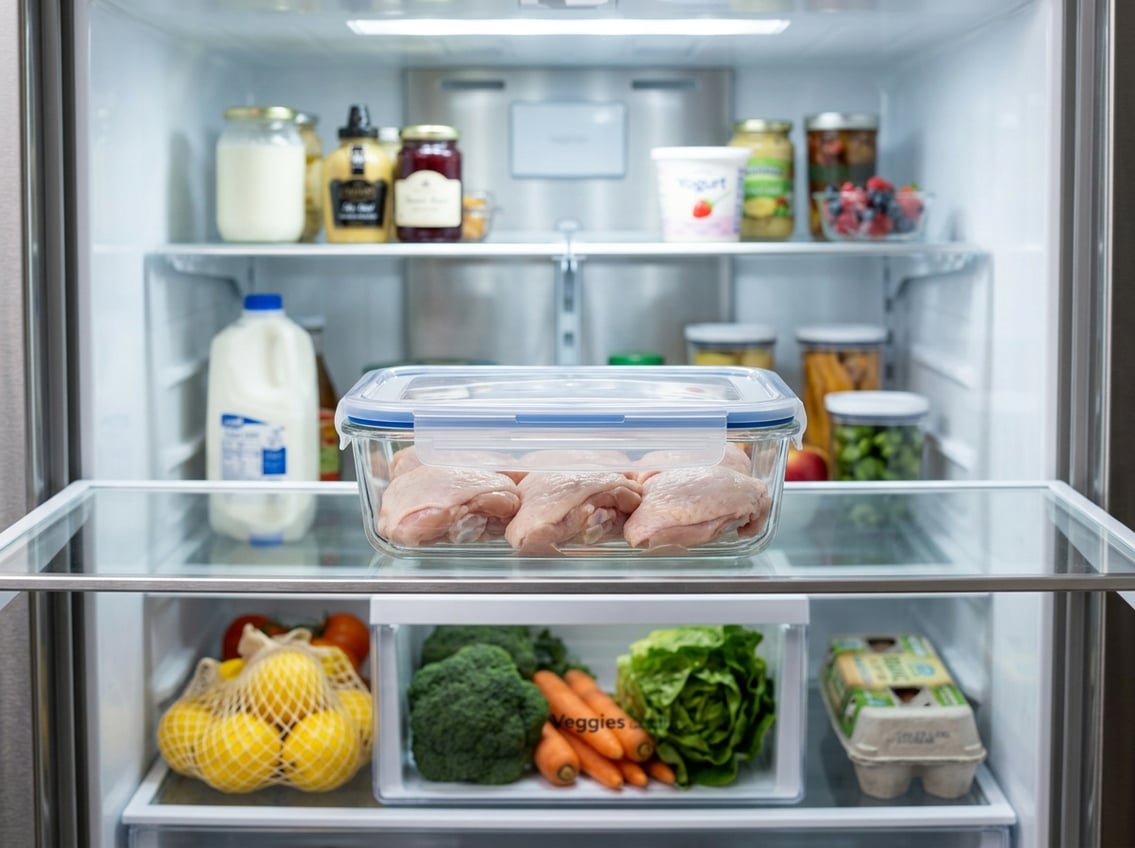
Store raw or cooked chicken thighs cold, dry, and sealed from air. Use airtight packaging and place on the coldest shelf to limit bacterial growth.
Best Packaging Methods
Use airtight containers or vacuum seal to keep air out and prevent freezer burn. For raw thighs you’ll cook within 1–2 days, leave them in the original sealed store packaging and place inside a shallow airtight container to catch leaks.
If storing longer, wrap each piece tightly in plastic wrap, then place in a zip-top freezer bag or use a vacuum sealer. Label with date and use within 3–4 months in the freezer for best quality.
Cool cooked thighs to room temperature for no more than 2 hours, then transfer to shallow airtight containers or heavy-duty freezer bags. Refrigerate and eat within 3–4 days.
Avoid loosely covering with foil or a single paper towel. Always keep packaging dry and replace any damaged wrapping.
Temperature and Fridge Placement
Set your refrigerator to 40°F (4°C) or below and confirm with an appliance thermometer. Place chicken thighs on the bottom shelf, at the back of the fridge where it stays coldest.
Keep raw chicken below ready-to-eat foods to prevent drips from contaminating other items. Do not store chicken in the fridge door, as temperature fluctuates there.
If you have a meat drawer, use it. Otherwise, use a shallow tray or container to catch leaks and keep separation from other foods.
Identifying Spoiled Chicken Thighs
Check color, smell, texture, and packaging together. If you detect foul odor, slimy feel, or green/gray discoloration, discard the thighs.
Visual Signs
Look for color shifts from fresh pink to gray, green, or yellow in the skin or fat. Brown spots or large discolored patches suggest bacterial growth or oxidation.
Inspect for fuzzy white, green, or blue mold, especially in crevices. Mold means the chicken is spoiled.
Examine the juices in the package. Clear or slightly pink liquid is normal, but cloudy, thick, or brownish liquid signals spoilage.
Check packaging for swelling, tears, or excessive frost. A bulging vacuum bag or holes letting in air can increase spoilage risk.
Smell and Texture Changes
Fresh raw chicken has little to no smell. If you detect a sour, rotten, or sulfur-like odor, do not cook or taste it.
Feel the surface after opening packaging. Fresh thighs are moist and slightly springy.
If the meat is sticky, tacky, or slimy even after rinsing, bacteria have likely produced a film and you should discard the thighs.
Press the flesh lightly; it should spring back. If it leaves a deep indentation or feels mushy, the muscle fibers are breaking down and the meat is unsafe.
Use all these cues together, and if anything seems off, discard the thighs.
Freezing Chicken Thighs for Extended Shelf Life
Freezing stops bacterial growth and preserves chicken thighs for months when you package and store them correctly. Use airtight packaging, label with dates, and keep your freezer at 0°F (-18°C) or colder.
Freezing Raw and Cooked Chicken Thighs
Freeze raw thighs within 1–2 days of purchase to prevent spoilage. Portion thighs into meal-sized packs, remove excess air, and use heavy-duty freezer bags or vacuum sealers.
Label each pack with the date. Raw thighs keep best for up to 9 months for quality, though they remain safe longer at 0°F.
Cool cooked thighs to room temperature for no more than 1 hour before packaging. Place single-layer pieces on a tray to flash-freeze for 1–2 hours, then transfer to airtight containers or freezer bags.
Cooked thighs maintain best quality for about 4 months. You can freeze leftovers safely beyond that but may notice texture loss.
Thaw raw or cooked thighs in the refrigerator for 24 hours per 1–2 pounds, or use cold-water or microwave thawing if you’ll cook immediately after.
Preventing Freezer Burn
Freezer burn happens when air reaches the meat’s surface and dehydrates it, causing grayish-brown patches and dry texture. Remove as much air as possible before sealing.
Use a vacuum sealer or press out air from zipper bags. Wrap each thigh tightly in plastic wrap before bagging for extra protection.
Use freezer-grade materials: heavy-duty foil, freezer bags, or rigid airtight containers. Keep freezer temperature at 0°F (-18°C) or below and store thighs away from the door.
Rotate stock using a “first in, first out” rule. Discard packages with visible ice crystals and leathery spots if texture or flavor is unacceptable.
Safe Thawing Methods for Chicken Thighs
Use a method that keeps the meat at safe temperatures and prevents cross-contamination. Plan ahead for refrigerator thawing, use sealed bags and frequent water changes for cold water thawing, and cook immediately after microwave thawing.
Refrigerator Thawing
Place frozen chicken thighs in their original packaging or a sealed plastic bag on a rimmed tray. Put the tray on the lowest fridge shelf to catch drips and keep the temperature at or below 40°F (4°C).
Allow roughly 24 hours per pound. One to two individual thighs usually thaw in 12–24 hours.
Thicker, bone-in thighs take longer than boneless pieces. Check for soft, cold meat with no ice crystals before cooking.
If you thaw in the fridge, you can keep the chicken for 1–2 days before cooking or refreezing. Label the package with the thaw date.
Cold Water Thawing
Seal the thighs in a leak-proof plastic bag to prevent water contact and cross-contamination. Submerge the bag in a bowl or sink of cold water, keeping the water temperature under 70°F (21°C).
Change the water every 30 minutes. Thawing takes about 1–2 hours for a small package.
Cook the chicken immediately after thawing. Do not refreeze unless you cook it first.
Microwave Thawing
Use your microwave’s defrost setting and follow the manufacturer’s weight and time guidelines. Remove any non-microwave-safe packaging and place thighs on a microwave-safe plate to catch juices.
Rotate and flip pieces frequently to promote even thawing. Cook the chicken immediately after microwave thawing, as partial cooking can create warm spots where bacteria grow.
If you notice cooked areas, finish cooking right away to a safe internal temperature of 165°F (74°C).
Refreezing and Handling Thawed Chicken Thighs
If you thawed chicken thighs in the refrigerator and have not left them at room temperature, you can refreeze or refrigerate them safely. Handle packaging, timing, and storage temperature carefully to limit bacterial growth.
Can You Refreeze Chicken Thighs?
You can refreeze raw chicken thighs thawed in the refrigerator at 40°F (4°C) or below. If you thawed the thighs in cold water or the microwave, cook them first before refreezing.
Limit how many times you refreeze the same pieces. Each thaw and refreeze cycle increases moisture loss and texture damage.
Portion thighs before the initial freeze so you only defrost what you need. When refreezing, use airtight packaging and remove excess air.
Label packages with the date. Use refrozen raw thighs within 9–12 months for quality, or within 4 months if cooked.
Quality and Safety After Thawing
Check thawed thighs for off odors, sliminess, or discoloration before refreezing or cooking. If the chicken smells sour, feels sticky, or shows green or gray patches, discard it.
Keep thawed raw thighs in the fridge no longer than 1–2 days before cooking or refreezing. Once cooked, refrigerate within two hours and consume within 3–4 days, or freeze cooked leftovers within that window.
Maintain your fridge at 40°F (4°C) or below and your freezer at 0°F (-18°C) or lower.
Food Safety Risks and Bacteria Prevention
Chicken thighs can carry bacteria that cause illness if you store or handle them improperly. Keep raw pieces cold, separate from ready-to-eat foods, and refrigerate leftovers promptly.
Risks of Campylobacter and Other Pathogens
Campylobacter often contaminates raw poultry and can cause diarrhea, fever, and abdominal pain if you eat undercooked or cross-contaminated food. It grows slowly at refrigerator temperatures but can survive long enough to contaminate surfaces or other foods if you leave chicken uncovered or store it above 40°F (4°C).
Salmonella and Staphylococcus aureus are also important pathogens. Salmonella multiplies at warm temperatures, and Staph can produce toxins when food is left out.
Keep raw thighs in sealed containers on the lowest fridge shelf to prevent drips. Discard chicken that smells sour, has a sticky or slimy texture, or shows green or gray discoloration.
If your fridge stays above 40°F for more than two hours, throw the chicken out.
Tips to Avoid Cross-Contamination
Use separate cutting boards and utensils for raw chicken and ready-to-eat items. Keep one board for raw meat and another for vegetables, or wash boards with hot, soapy water and sanitize them between uses.
Always wash your hands for at least 20 seconds after handling raw thighs and before touching other foods or surfaces.
Store raw thighs in leak-proof packaging and place containers on the bottom shelf.
Refrigerate cooked leftovers within two hours of cooking. Keep them in shallow, airtight containers to cool quickly.
Clean fridge spills immediately with a disinfectant. Regularly sanitize handles, shelves, and drawers to prevent bacteria spread.


