
Are Chicken Breasts High in Cholesterol? What to Know
Are chicken breasts high in cholesterol? Not usually.
A plain chicken breast is a lean protein choice, and its cholesterol content is moderate, not extreme, especially compared with many fattier meats and poultry cuts.
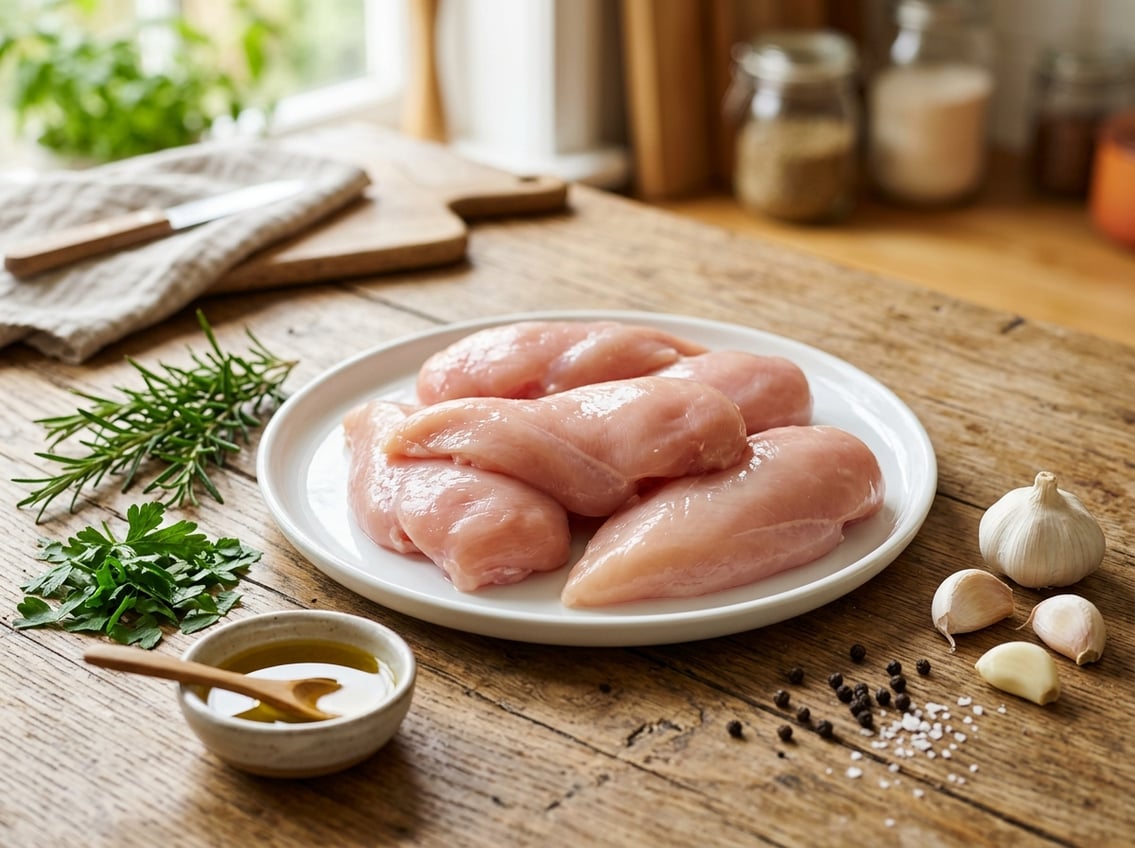
For most people, chicken breast fits well in a healthy diet, especially when you keep portions reasonable and choose cooking methods that do not add a lot of saturated fats or trans fats.
Cholesterol in chicken breast still matters if you are tracking your intake, since chicken does contain cholesterol.
The bigger question for your heart health is usually your full eating pattern, not a single food by itself.
How Much Cholesterol Chicken Breast Actually Has
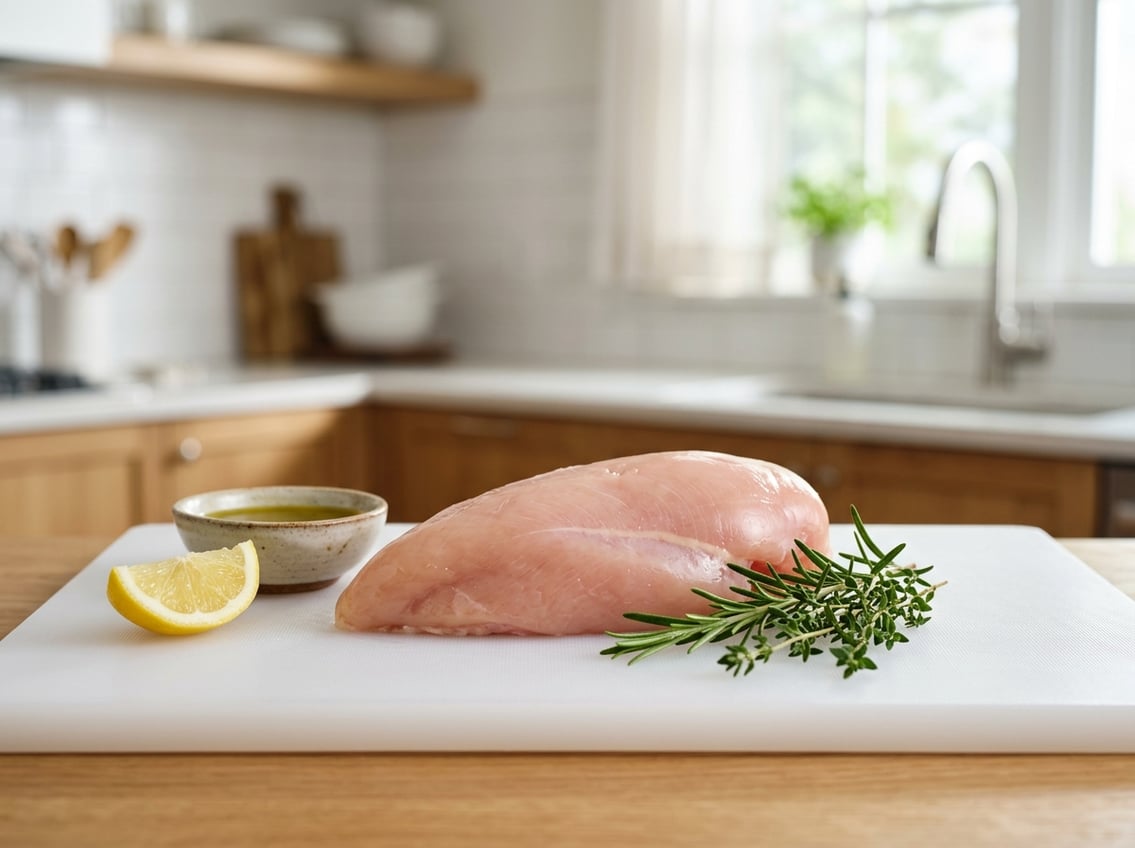
Chicken breast is one of the leanest chicken cuts.
Its cholesterol levels are generally lower than many other parts of the bird.
The exact amount depends on serving size, skin, and preparation.
Typical Cholesterol in a 3-Ounce and 100-Gram Serving
A 100-gram serving of skinless chicken breast has about 73 milligrams of cholesterol, according to Medical News Today’s breakdown of cholesterol in chicken by part and preparation.
A 3-ounce cooked serving is roughly similar in size to a small palm-sized portion and usually lands in the same general range.
That amount is not zero, yet it is not especially high compared with many other animal foods.
For reference, the same analysis notes that chicken wings have more cholesterol per 100 grams, at about 111 milligrams.
How Chicken Breast Compares With Other Chicken Cuts
Chicken breast is usually the leanest choice when you want to keep cholesterol in chicken low.
Thighs, legs, and wings tend to have more cholesterol and more fat, especially when skin is left on.
The same Medical News Today review shows that chicken wings have more cholesterol than breast meat.
Thighs and legs also sit higher in many cases.
If you want the lowest-cholesterol chicken choice, breast is usually the cut to pick.
Why Portion Size Changes the Number
Portion size changes the total amount you eat, even when the cholesterol content per gram stays the same.
Two servings of chicken breast give you about twice as much dietary cholesterol as one serving.
That matters if you eat chicken often or pair it with other cholesterol-containing foods in the same meal.
A larger portion also often means more calories, which can affect weight management and your long-term cholesterol levels.
What Matters Most for Heart Health
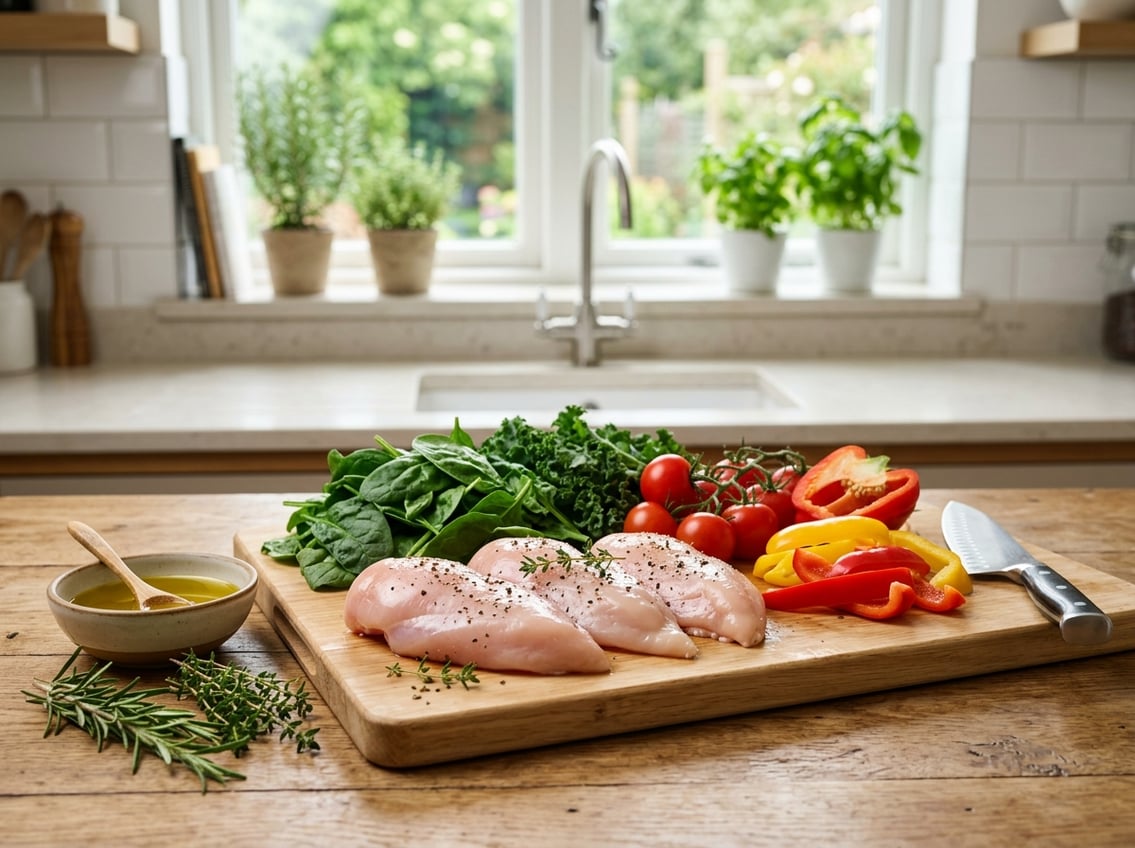
Dietary cholesterol is only one piece of the heart-health picture.
Saturated fats and trans fats usually have a stronger effect on LDL cholesterol, while better food choices and a healthy diet can support lower cholesterol and better HDL cholesterol.
Dietary Cholesterol vs. Saturated Fat and Cholesterol
Your body makes most of its own cholesterol in the liver.
That is why dietary cholesterol does not affect everyone the same way, as noted by Chef’s Resource.
For many people, the amount of saturated fat in the full diet matters more than a single food’s cholesterol number.
If you eat chicken breast with creamy sauces, butter, cheese, or fried sides, the meal can become much less heart-friendly.
How Saturated Fats and Trans Fats Affect LDL and HDL
Saturated fats can raise LDL cholesterol, which is often called bad cholesterol.
Trans fats can raise LDL too, while also lowering HDL cholesterol, which is the type your body uses to help clear cholesterol from the bloodstream.
That is why a chicken breast meal can be either a smart choice or a poor one, depending on how you prepare it.
A plain breast cooked with little added fat is very different from breaded, deep-fried chicken with rich sauces.
When Chicken Breast Fits a Lower Cholesterol Eating Pattern
Chicken breast can fit well into a lower cholesterol eating pattern when it replaces higher-fat meats and is served with vegetables, beans, whole grains, or fruit.
Lean protein also helps you stay full, which may make it easier to manage weight.
That matters because excess body weight can raise cholesterol levels over time.
Preparation Choices That Raise or Lower the Impact
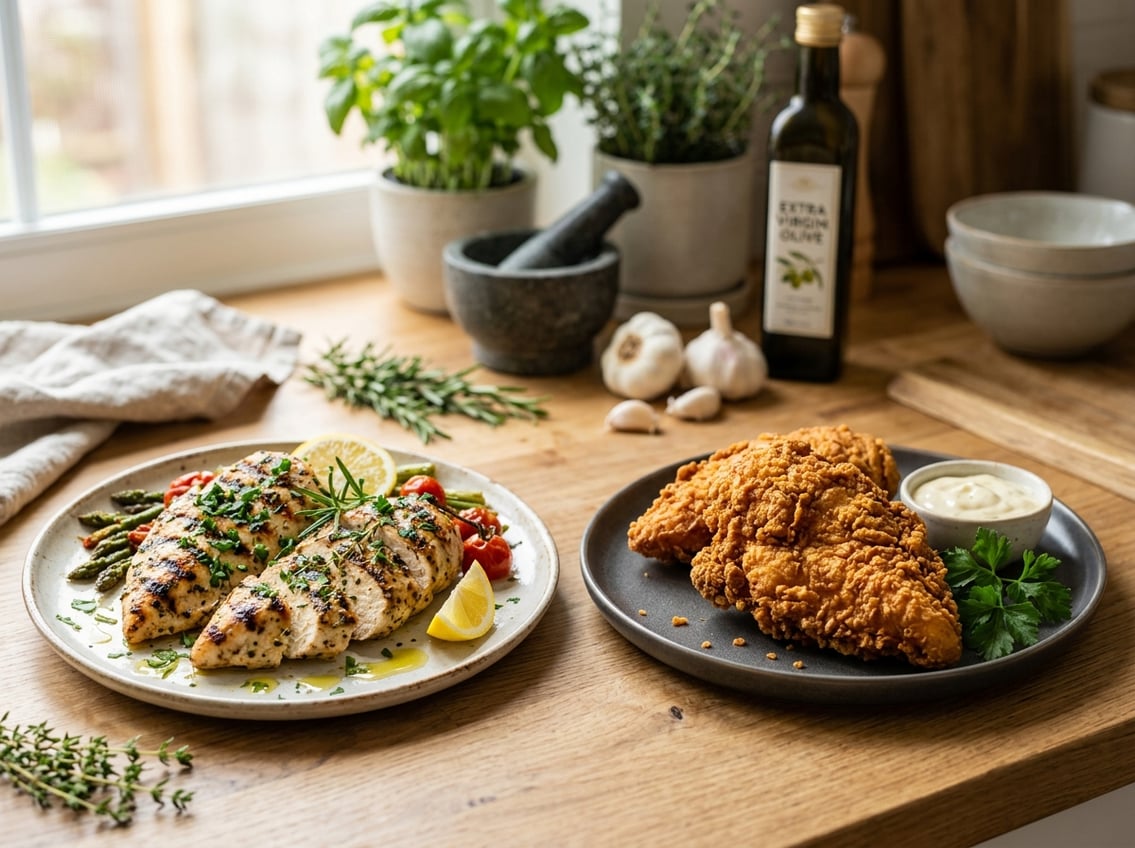
The way you cook chicken has a real effect on how heart-friendly it is.
Skin, breading, frying oil, and rich toppings can add saturated fats and trans fats that matter more than the chicken breast itself.
Skinless vs. Skin-On Chicken Breast
Skinless chicken breast is usually the better choice if you want to keep cholesterol in chicken lower.
Chicken skin contains most of the fat calories, and that extra fat can push the meal in a less healthy direction.
Skin-on chicken breast is still a workable food for many people, yet it adds more fat and calories.
If your goal is to lower cholesterol, skinless is the simpler choice.
Grilled, Roasted, or Fried: What Changes
Grilled or roasted chicken breast can fit well in a healthy diet if you keep added fat low.
A Medical News Today review of chicken cholesterol by cooking method shows that preparation changes the final number and the nutrition profile.
Fried chicken is the least heart-friendly option in many cases because oil, breading, and batter can add saturated fats and trans fats.
Roasting and grilling usually make it easier to keep the meal lighter.
Best Ways to Keep Chicken Breast Heart-Friendlier
You can make chicken breast more heart-friendly with simple steps:
- Choose skinless breast meat
- Use olive oil sparingly
- Grill, roast, bake, steam, or poach instead of frying
- Season with herbs, spices, citrus, garlic, and pepper
- Pair it with vegetables and high-fiber foods
If you want a practical guide to cooking methods, Health.com notes that poaching, steaming, and boiling are among the healthiest ways to cook chicken.
These methods help you keep added fat low, which supports lower cholesterol eating habits.
Who Should Pay Closer Attention

Most people can include chicken breast in a healthy diet without special concern.
Extra attention makes sense if your cholesterol levels are already high, if heart disease runs in your family, or if your doctor has told you to reduce cholesterol more aggressively.
People With High Cholesterol or Familial Hypercholesterolemia
If you already have high LDL cholesterol, even moderate dietary cholesterol may matter as part of your total plan.
That is especially true if you have familial hypercholesterolemia, a genetic condition that makes cholesterol levels rise very high.
In that case, you may still include chicken breast in your meals, but portion size, cooking method, and the rest of your diet become more important.
Your doctor may also suggest medication along with diet changes.
The Role of Physical Activity and Weight Management
Physical activity helps support healthier cholesterol levels and heart health.
Regular movement can also help with weight management, and excess body weight is linked with higher cholesterol levels.
The goal does not need to be extreme.
Even steady habits like walking, strength training, and staying active through the week can support better LDL cholesterol and HDL cholesterol patterns.
When to Talk to a Doctor About Cholesterol Levels
Talk to a doctor if you know your cholesterol levels are high or if you have a family history of early heart disease. You should also seek medical advice if you need a clear plan to reduce cholesterol.
Your doctor may order blood tests and review your diet. They also look at your full risk profile.
If you smoke, have diabetes, or have other heart risk factors, this conversation becomes even more important. Even a simple question about food, like whether chicken breasts are high in cholesterol, can lead to a broader discussion about your overall diet and lifestyle.


