
Apple Cake: A Moist, Easy Recipe Guide
A slice of warm apple cake, still steaming from the oven, tells you everything about why this dessert has stayed a kitchen staple for generations. The batter comes together in one bowl, the fruit needs nothing more than a peel and a chop, and the result is a moist, tender crumb that stays fresh for days rather than hours. This guide gives you exact measurements, timing, and technique so your cake turns out right the first time.
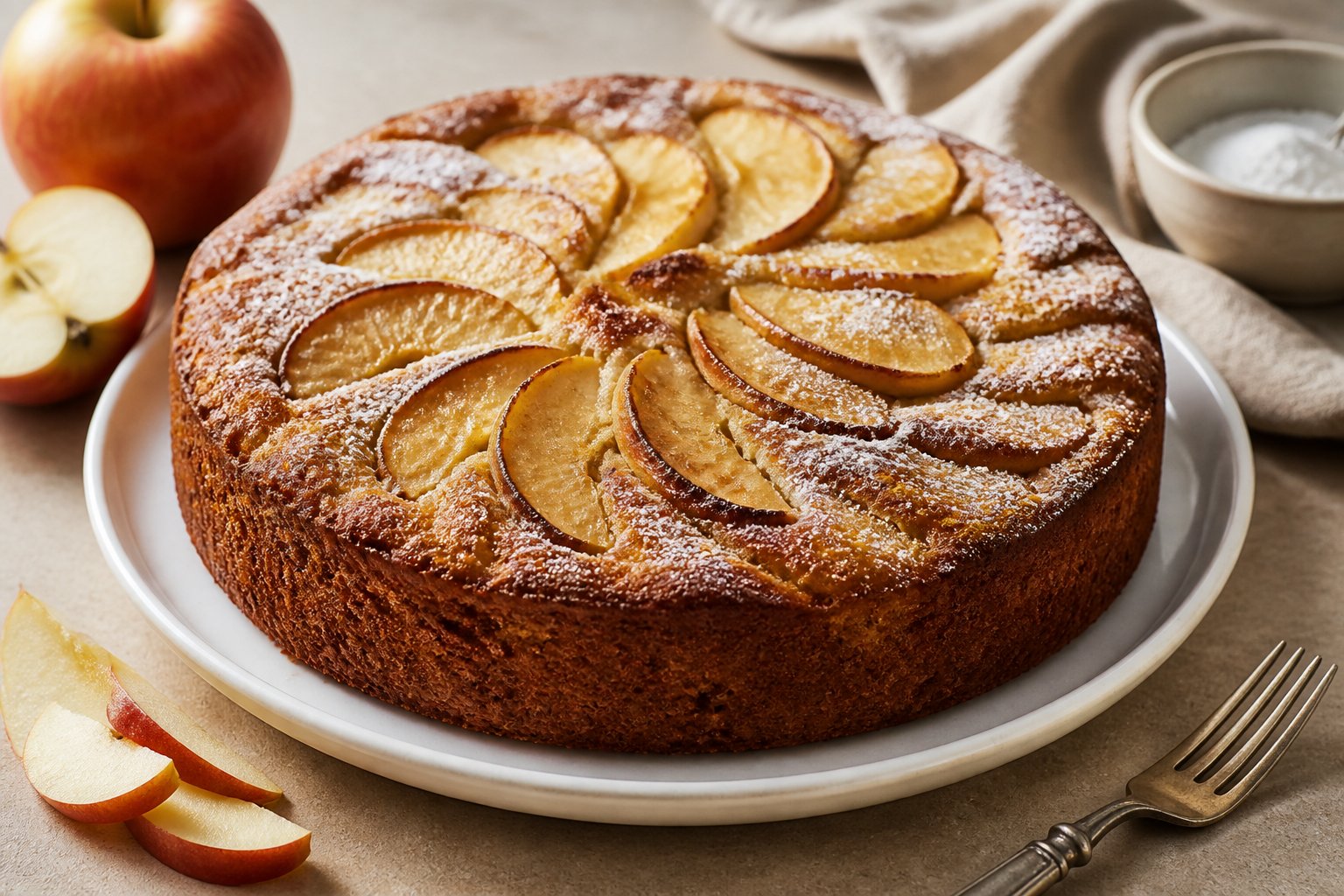
Grab two or three apples from the counter and preheat the oven. Once you’ve read through the ingredient list and steps below, you’ll have a fresh apple cake cooling on the rack within about an hour.
The Building Blocks of a Moist, Apple-Forward Bake
A great apple cake recipe depends on a handful of pantry staples working in balance: flour for structure, sugar for sweetness and browning, eggs for richness, and a fat source (oil, butter, or both) for moisture. Fresh apples and a touch of applesauce push the crumb from merely soft to genuinely moist, while baking powder and baking soda give the cake enough lift to stay light despite all that fruit.
Why Fresh Fruit Makes the Difference
Fresh apples release moisture as they bake, basting the crumb from the inside out. Martha Stewart’s easy apple cake recipe leans into this by using 1 1/2 pounds of apples in a single batter, producing a cake described as wonderfully moist and pleasantly dense.
Applesauce reinforces that same effect without adding extra liquid that could make the batter soupy. Several tested recipes fold in both chopped apples and applesauce for a tight, bakery-style crumb.
Oil vs. Butter: Which Creates the Best Crumb?
Oil produces a more consistently moist cake than butter because it stays liquid at room temperature, while butter contributes a rounder, more buttery flavor at the cost of slightly firmer texture once cooled. Vegetable oil and canola oil are the most common choices in easy apple cake recipes, and many bakers split the difference by using melted unsalted butter alongside a portion of oil.
A buttermilk or oil-based batter is often cited as the key to unmatched moisture, since a rich, buttermilk-based batter resists drying out even after a day or two on the counter.
How Leavening and Eggs Build Structure
Baking powder and baking soda work together to lift a batter that’s dense with chopped fruit. Large eggs bind the ingredients and add richness, while a splash of vanilla extract rounds out the sweetness. Salt, even in small amounts, sharpens every other flavor in the batter.
Which Apples Work Best in Baking?
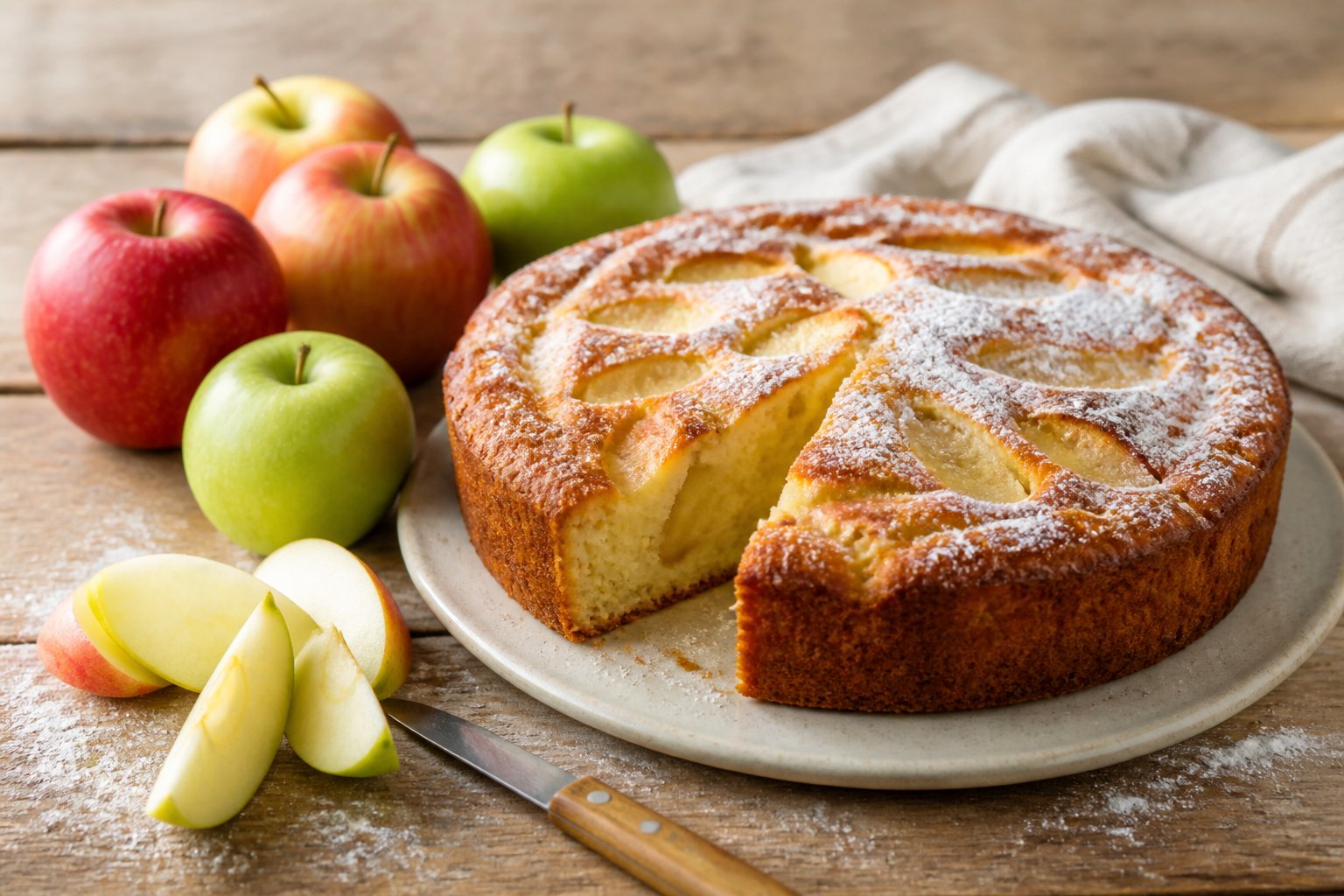
Firm, tart apples like Granny Smith hold their shape best in a hot oven, while a blend of tart and sweet varieties gives the cake more complex flavor. Pears and berries can stand in for part of the fruit if you want to experiment, but apples remain the classic choice because they cook down just enough without turning to mush.
When to Choose Tart Apples
Tart apples balance the sugar in the batter so the cake doesn’t taste one-note sweet. Granny Smith is the most frequently recommended variety for this reason, prized for how it holds its shape better than softer eating apples while still contributing bright acidity.
Can Granny Smith Apples Be Used Alone?
Granny Smith apples alone make a reliably firm, tangy cake, though pairing them with a sweeter variety adds depth. One baking guide suggests combining a firm-tart apple like Granny Smith with a firm-sweet apple such as Honeycrisp or Braeburn for a more layered flavor and a texture that avoids mushiness.
If Granny Smith is all you have, the cake will still turn out well; just expect a slightly more tart finish than a blended version.
How to Cut Apples for Even Baking
Cut apples into consistent, small pieces so they cook through at the same rate as the surrounding batter. Recipes that specify roughly ¼-inch pieces report the most even texture and the best distribution of fruit in every slice.
Peeling is optional, though peeled apples blend more seamlessly into a tender crumb.
How to Make the Batter and Bake It Evenly
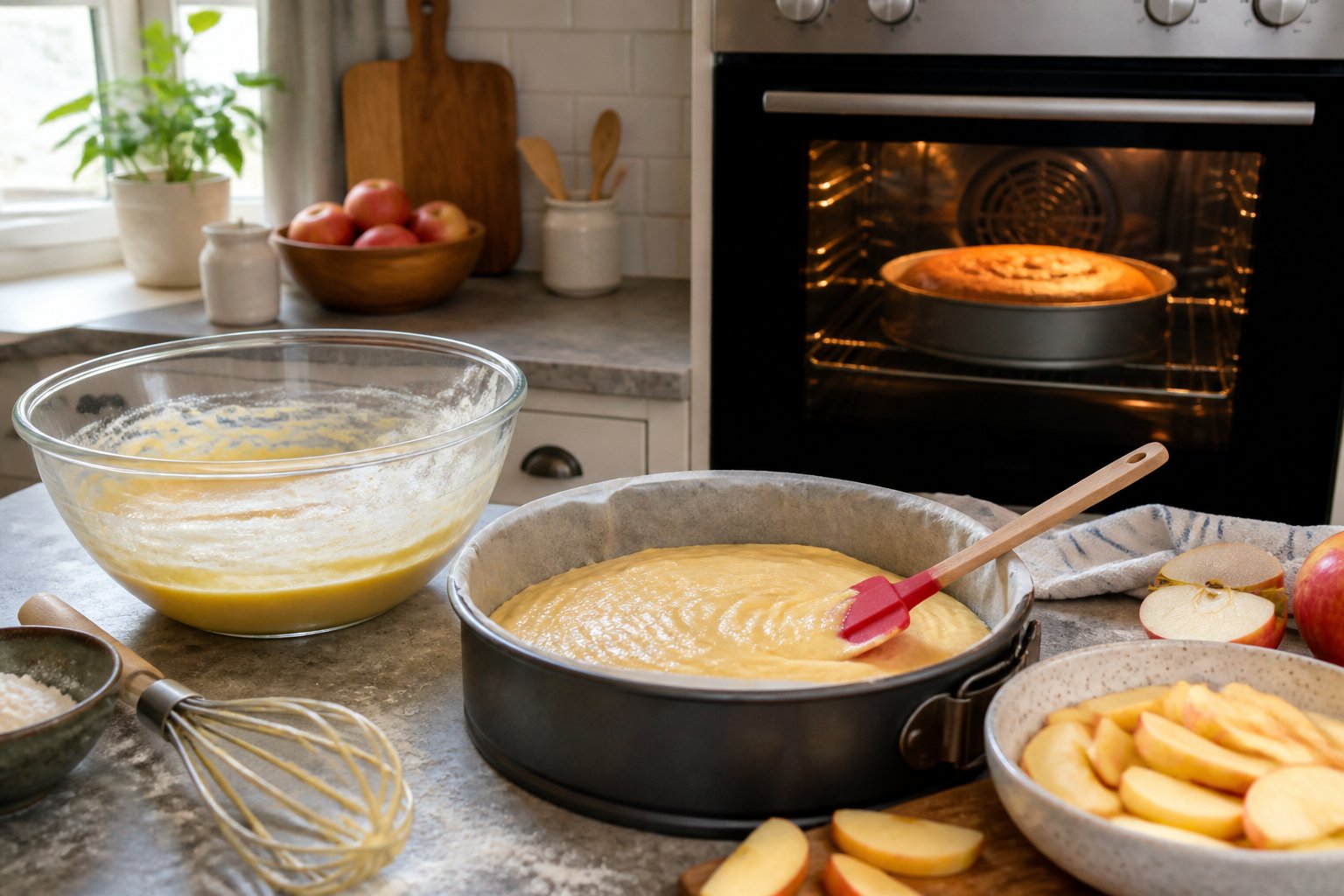
Mix the wet and dry ingredients just until combined, then fold in the apples by hand to avoid overworking the gluten in the flour. A 9-inch round cake pan or a bundt pan both work well, and the cake is done once a toothpick inserted into the center comes out with a few moist crumbs rather than wet batter.
Mixing Without Overworking the Batter
Overmixing develops gluten and toughens the crumb, so stop the electric mixer as soon as the dry ingredients disappear into the batter. Gently fold in the chopped apples with a spatula afterward; one baker’s method gently folds the chopped apples into the batter until just distributed, which keeps the texture tender.
Choosing a 9-Inch Round Cake Pan or Bundt Pan
A 9-inch round cake pan produces a shorter, denser cake ideal for slicing into wedges, while a bundt pan gives more dramatic height and a decorative shape suited to glazing. Either pan needs greasing and light flouring so the fruit-studded batter releases cleanly.
Baking at 350°F for about 45 to 55 minutes works for most standard pan sizes, though a bundt pan with denser batter may need a few extra minutes.
How to Tell When a Fruit-Filled Cake Is Done
A fruit-filled cake is done when a toothpick inserted into the thickest part comes out with moist crumbs, not wet streaks of batter. Since apples release moisture as they bake, testing near the center rather than the edges gives the most accurate read.
Let the cake rest in the pan for 10 minutes before turning it onto a cooling rack; this prevents the delicate crumb from tearing. For more on getting consistent results across your oven, see this guide on how to bake more evenly.
Spices, Nuts, and Flavor Variations
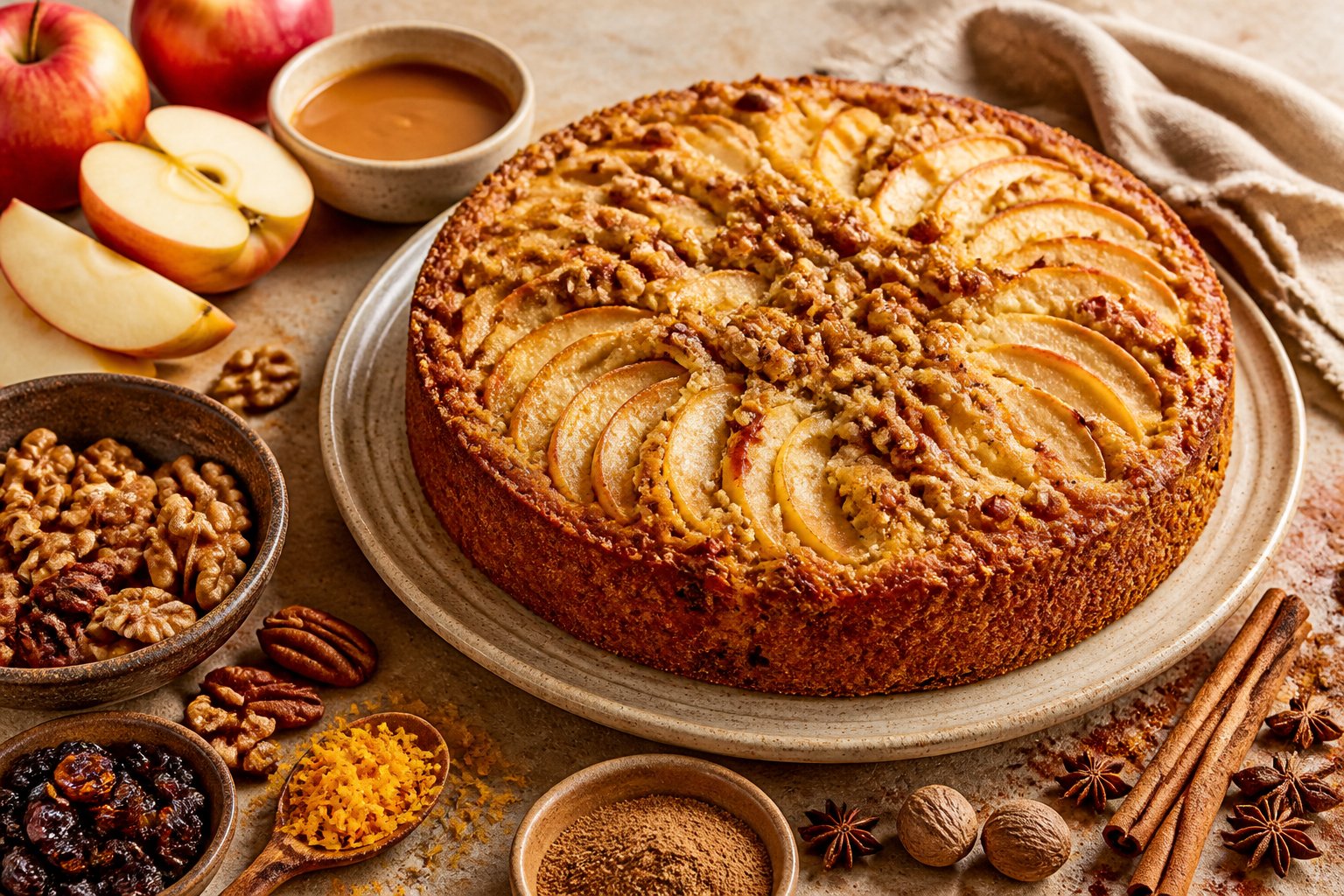
Ground cinnamon and ground nutmeg form the backbone of most spiced apple cakes, often joined by a pinch of clove and a spoonful of brown sugar for deeper caramel notes. Walnuts or pecans add crunch, and variations like French apple cake, dark rum-spiked batter, or a shortcut apple dump cake let you adapt the base recipe to your mood.
How Much Cinnamon and Nutmeg Should You Use?
A well-balanced spiced apple cake typically uses around 1 to 2 teaspoons of ground cinnamon per batch, with nutmeg used more sparingly since its flavor is stronger. Traditional spiced apple cake recipes call for fresh apples, all-purpose flour, sugar, eggs, butter, baking powder, and a blend of cinnamon, nutmeg, and cloves, giving the fall flavor its signature warmth without overwhelming the fruit.
Adding Walnuts or Pecans for Crunch
Walnuts and pecans add texture contrast against the soft, fruit-dense crumb. Betty Crocker’s homemade apple cake recipe includes fresh apples, walnuts, and cinnamon among its pantry staples, and toasting the nuts beforehand deepens their flavor.
French-Style, Spiced, and Shortcut Versions
French apple cake takes a custardy, dense approach, often packed tightly with sliced apples and coated in almonds, as seen in King Arthur Baking’s Mostly Apples cake. Spiced apple cake leans into warm fall flavors, while apple dump cake skips the mixing bowl almost entirely by layering pie filling and cake mix.
Pumpkin puree or apple butter can replace part of the applesauce for a heartier, autumn-leaning variation.
Toppings, Serving Ideas, and Storage
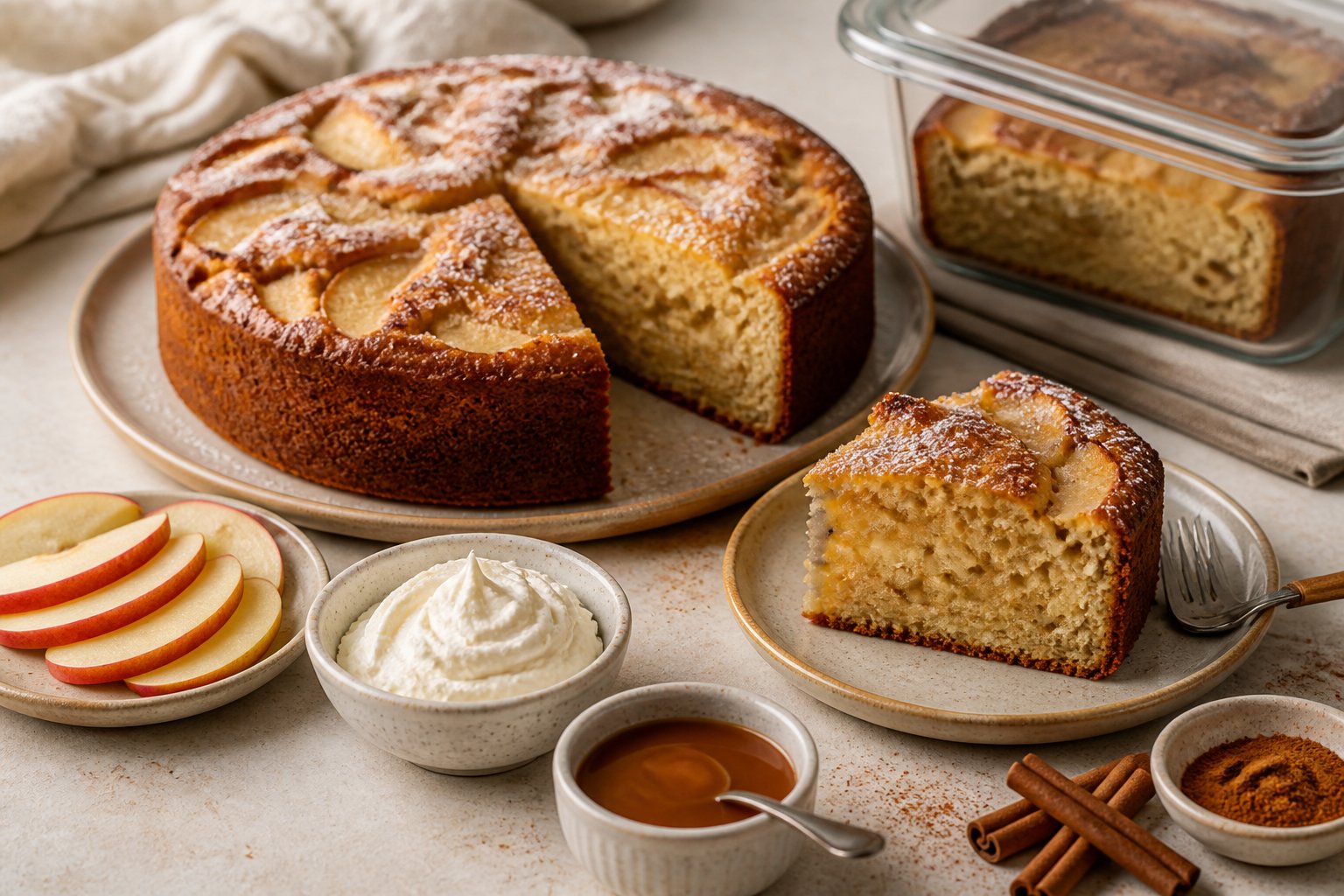
A dusting of confectioners’ sugar keeps things simple, while cream cheese frosting or a warm glaze turns the same cake into a more decadent dessert. Vanilla ice cream, cinnamon ice cream, and whipped cream are the most popular accompaniments, and the cake stores well at room temperature or in the freezer depending on its toppings.
Should You Use a Glaze, Frosting, or a Sugar Dusting?
A simple sugar dusting suits a casual brunch, while a glaze or cream cheese frosting fits a dinner party or holiday table. NYT Cooking frames the topping choice as flexible, noting the cake works without any topping at all for a simple treat, or with a cinnamon-sugar coating that bakes into a crunchy, gooey crust.
What to Serve Alongside Warm Slices
Vanilla ice cream, whipped cream, and caramel sauce are the most-cited pairings for warm apple cake. One roundup of serving ideas calls vanilla bean ice cream, freshly whipped cream, or a drizzle of warm caramel sauce the best classic toppings, noting they balance the cake’s spice and fruit.
Betty Crocker suggests serving slices with vanilla or cinnamon ice cream for a dessert that feels both cozy and indulgent, whether at afternoon tea or a fall dinner party.
How to Keep Leftovers Fresh and Freeze Them
Apple cake needs refrigeration if it contains fresh fruit, fillings, or dairy-based frosting, especially in a warm kitchen. One storage guide notes that a cake should be refrigerated if it contains fresh fruit, fruit fillings, or certain frostings, though a simple, dairy-free version can sit at room temperature for a few days in a cool home.
Wrap individual slices tightly and freeze for longer storage; thaw at room temperature before serving.
A Reliable Homemade Treat for Any Season
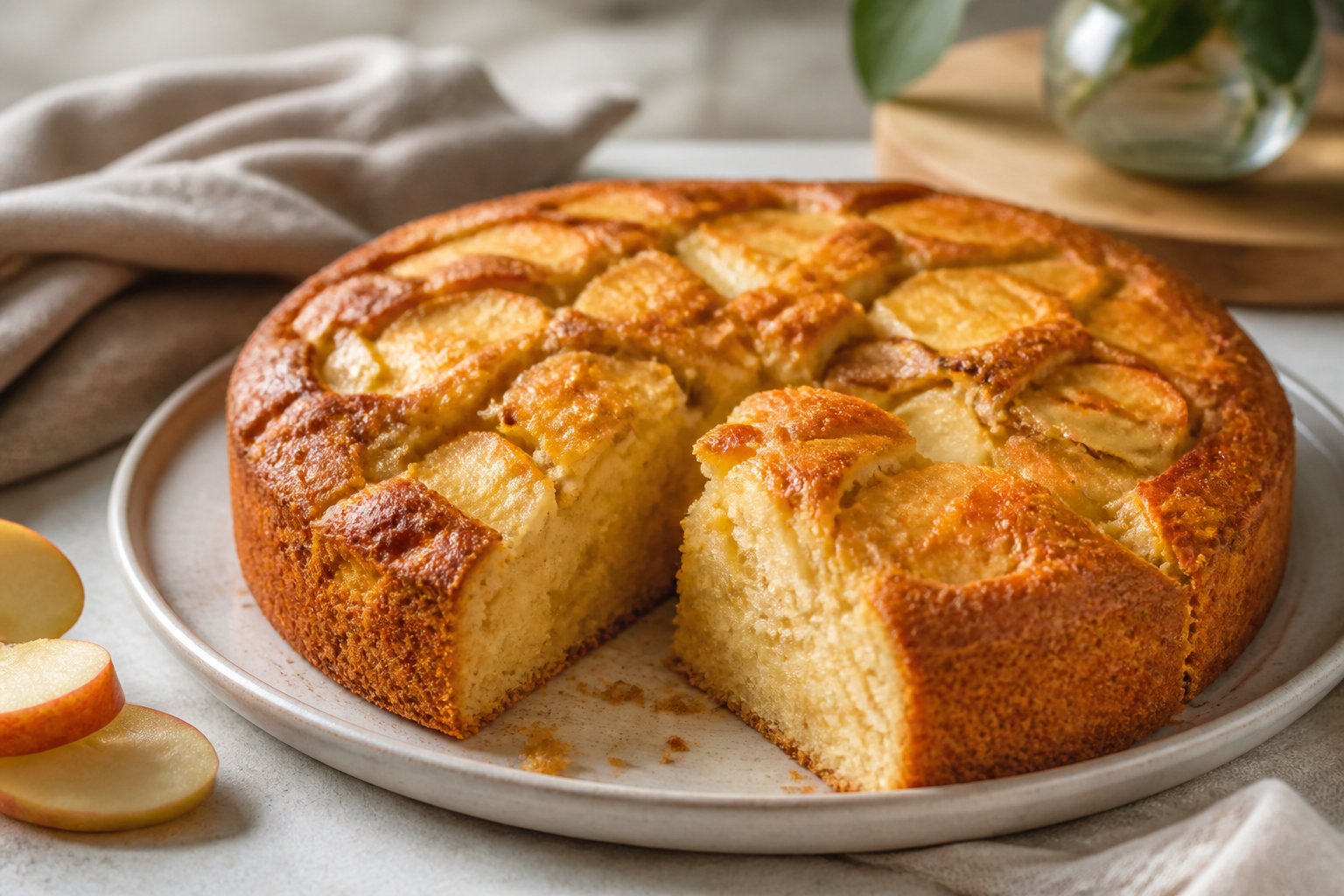
Apple cake earns its place as a year-round favorite because it needs no special equipment, no advanced technique, and no rare ingredients. Once you’ve nailed the ratio of fresh fruit to batter and picked a topping that suits the occasion, this moist apple cake becomes the kind of easy apple cake recipe you return to every apple season and beyond.


