
About How Many Chicken Breasts Is 1 Pound? Quick Guide
If you ask how many chicken breasts make 1 pound, you usually get about 2 to 3 boneless, skinless chicken breasts. That number changes based on breast size, since chicken sold in U.S. stores does not have a standard weight.
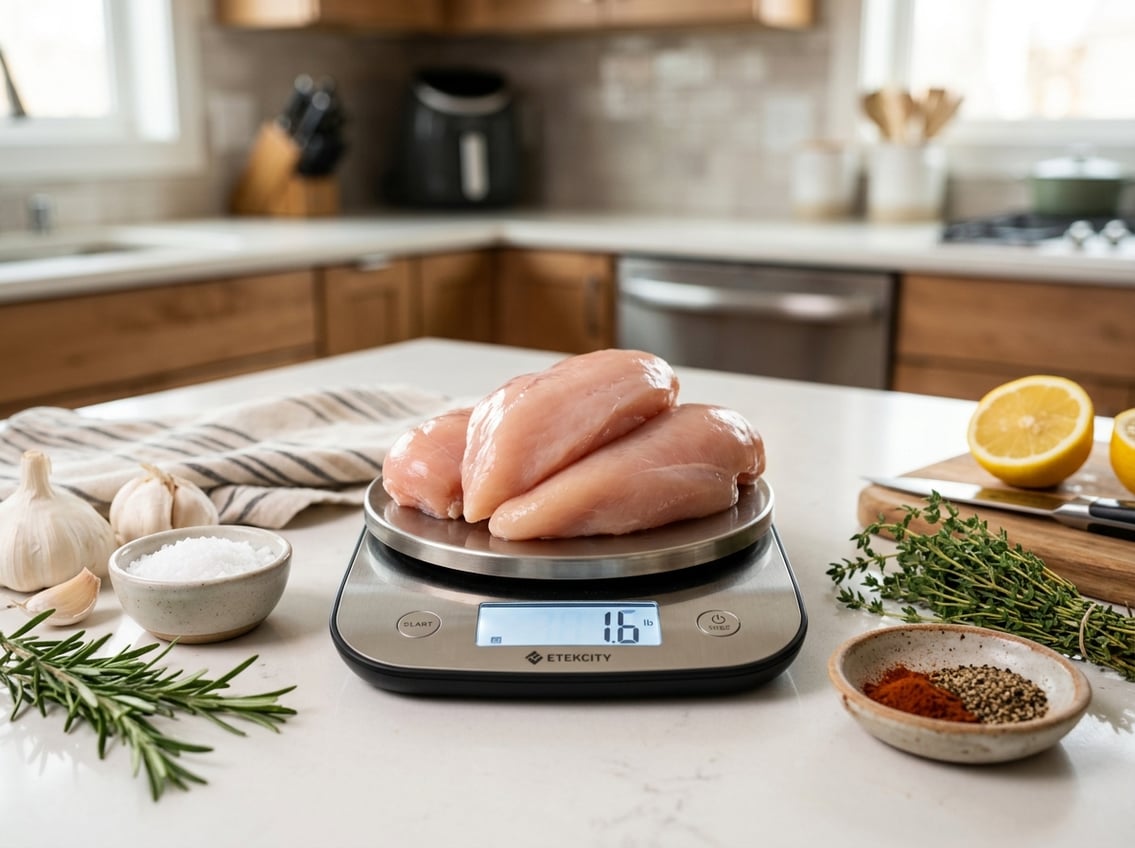
A good rule is that 1 pound of chicken breasts gives you enough for 2 average servings, or 3 smaller pieces if the breasts are lighter. If you need exact portions for a recipe, weigh the meat instead of counting pieces.
Quick Answer by Typical Breast Size
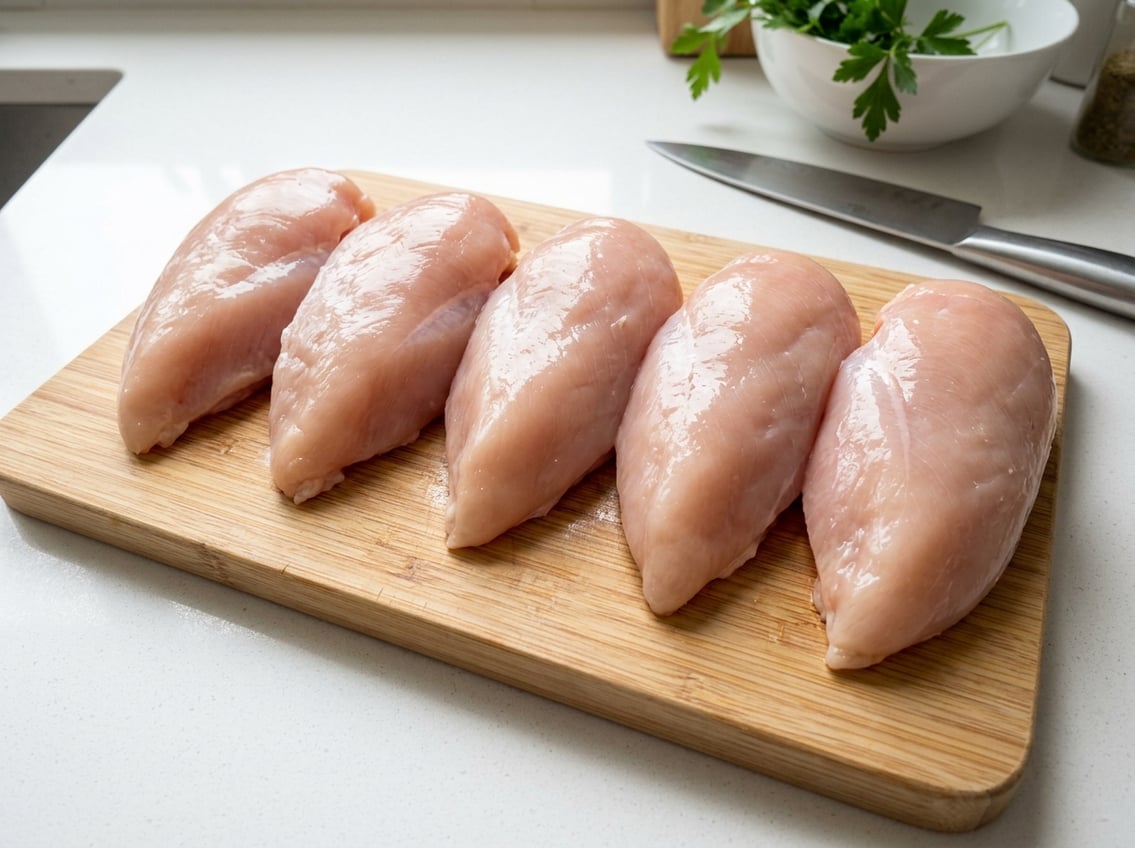
Chicken breast weight varies, so the number of pieces per pound depends on size. For boneless chicken, most people estimate 2 to 3 chicken breasts per pound. Small pieces can raise the count, while large pieces lower it.
As Kitchen Prep’s guide notes, a pound may contain anywhere from 2 to 4 pieces.
Average Count for Boneless, Skinless Pieces
Boneless, skinless breasts are easier to estimate. A pound of chicken usually contains:
- Small breasts: 3 to 4 pieces
- Medium breasts: 2 to 3 pieces
- Large breasts: 1 to 2 pieces
If the package has very uniform pieces, the count usually sits near the middle of that range.
Small, Medium, and Large Size Estimates
Chicken breasts weigh about:
- Small: 4 to 6 ounces each
- Medium: 6 to 8 ounces each
- Large: 8 to 10 ounces or more each
With those sizes, 1 pound of chicken equals about four small breasts, two to three medium breasts, or one to two large breasts. If a recipe says “2 chicken breasts,” it usually means medium pieces unless a weight is listed.
What Average Chicken Breast Weight Looks Like
Average chicken breast weight depends on the bird, how the processor trimmed it, and how much was removed. Many store-bought boneless breasts weigh around 6 to 8 ounces each, so 1 pound of chicken often equals 2 breasts, or 3 if the pieces are smaller.
If you want a quick shortcut, use this: 1 pound of chicken breasts is usually about 2 to 3 pieces. This estimate works well for meal planning in the U.S.
What Changes the Count per Pound
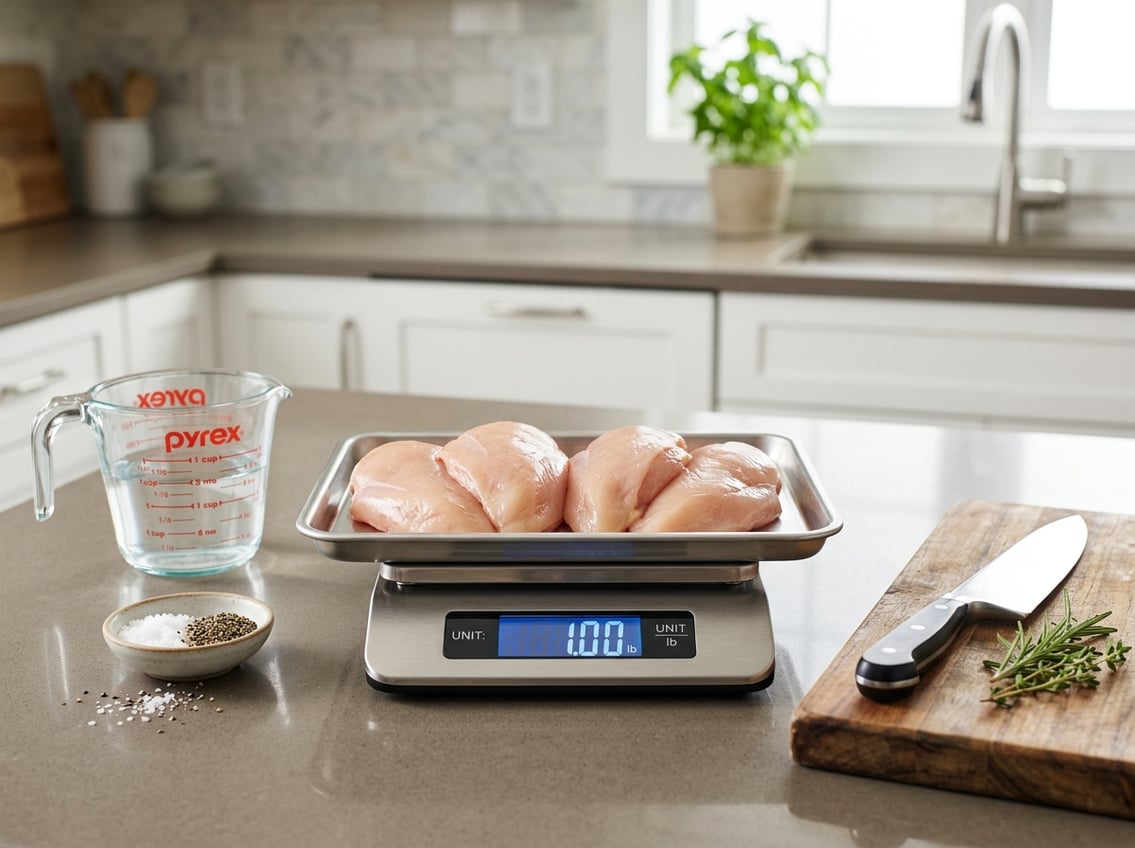
Chicken breast weight changes based on cut, state, and packaging. Bone, skin, ice, and extra moisture all affect how many pieces make up 1 pound. The label may show total weight, but usable meat can be less.
Bone-In Chicken vs. Boneless Cuts
Bones add extra weight, so bone-in chicken breasts weigh more than boneless ones. A single bone-in breast can weigh close to a pound, so 1 pound of bone-in chicken may be just 1 piece.
Boneless breasts are easier to count because almost all the weight is edible meat. If you compare packages, do not swap bone-in and boneless cuts one for one.
Raw, Frozen, and Cooked Weight Differences
Raw chicken breasts weigh more before cooking because they hold more moisture. After cooking, they lose water and weigh less, even if you started with the same 1 pound.
Frozen chicken can weigh more if ice or frost is present. For recipe planning, use the package weight before cooking unless the recipe asks for cooked weight.
Packaging, Added Moisture, and Label Clues
Some packages contain added solution for tenderness or juiciness, which raises the listed weight. Labels may say “contains up to X% retained water” or mention broth, salt, or seasoning. That extra liquid affects the total pound, not just the meat.
Look for words like boneless, skinless, enhanced, or individually frozen. These clues help you guess how many chicken breasts are in a pound before you open the package.
How to Buy, Weigh, and Store Chicken
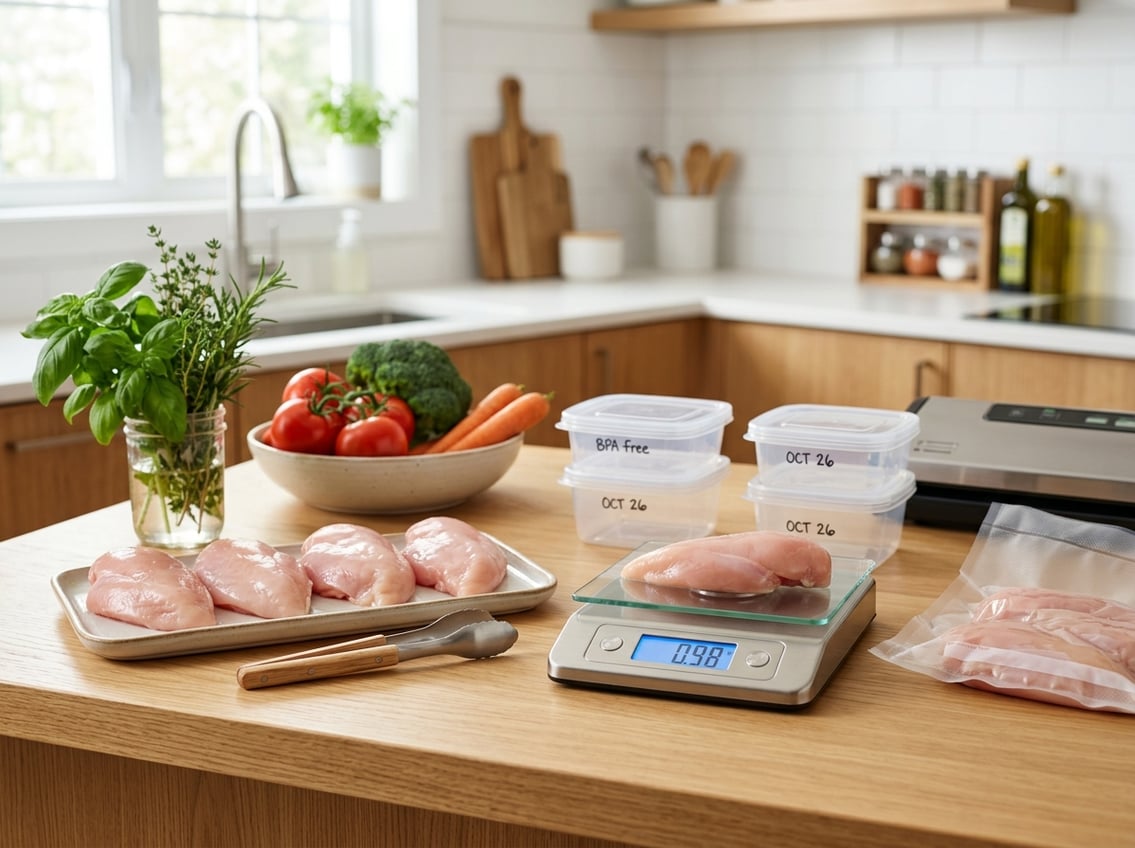
If you want accurate portions, use a scale to weigh chicken breasts. A scale gives you a better result than guessing, especially when breast sizes vary.
It also helps you buy the right amount for recipes and store chicken breasts safely.
Weighing Chicken Breasts Accurately
Place a bowl or plate on the scale and set it to zero. Add the chicken to get the true weight without the container.
If you portion several pieces, weigh them together and divide by the number of servings you need. This method works well when a recipe calls for a set pound of chicken.
How Many Pieces to Buy for Recipes
A recipe that calls for 1 pound of chicken usually needs about 2 to 3 medium boneless breasts. For 2 pounds, plan on 4 to 6 pieces if they are average size.
If the breasts are large, you may need fewer pieces than the recipe suggests. When in doubt, buy by weight instead of by piece count. That keeps your total close to the recipe’s target, even if the chicken breasts vary in size.
How to Store Chicken Breasts Safely
Store chicken breasts in the refrigerator at 40°F or below. Use or freeze them quickly.
Keep raw chicken sealed so juices do not leak onto other foods. If you need longer storage, freeze it promptly in airtight packaging.
Place raw chicken on the bottom shelf to reduce cross-contamination. Cook poultry to 165°F for safety.


