
Why Do Chicken Thighs Take So Long to Cook? Key Factors Explained
Chicken thighs take longer to cook because their higher fat, connective tissue, and often the presence of bone slow heat penetration. Extra time helps convert collagen into tender gelatin.
Thighs need more cooking time than lean cuts to become safe, juicy, and flavorful, especially if they’re bone-in or skin-on.
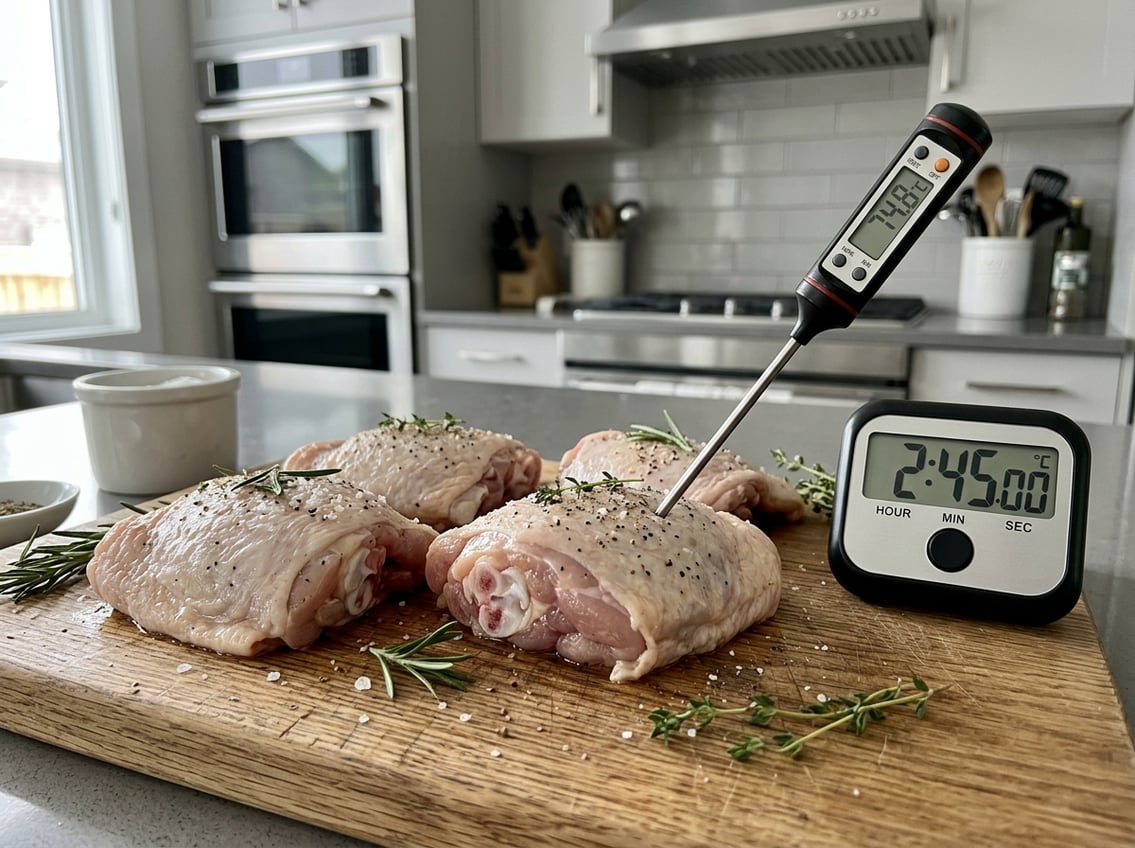
Internal structure, bones, and skin all change cooking speed. Cooking methods like searing, roasting, grilling, braising, or sous-vide can cut time without sacrificing tenderness.
You’ll also see how thighs compare to breasts and get tips to cook chicken thighs faster and more reliably.
Internal Structure and Composition
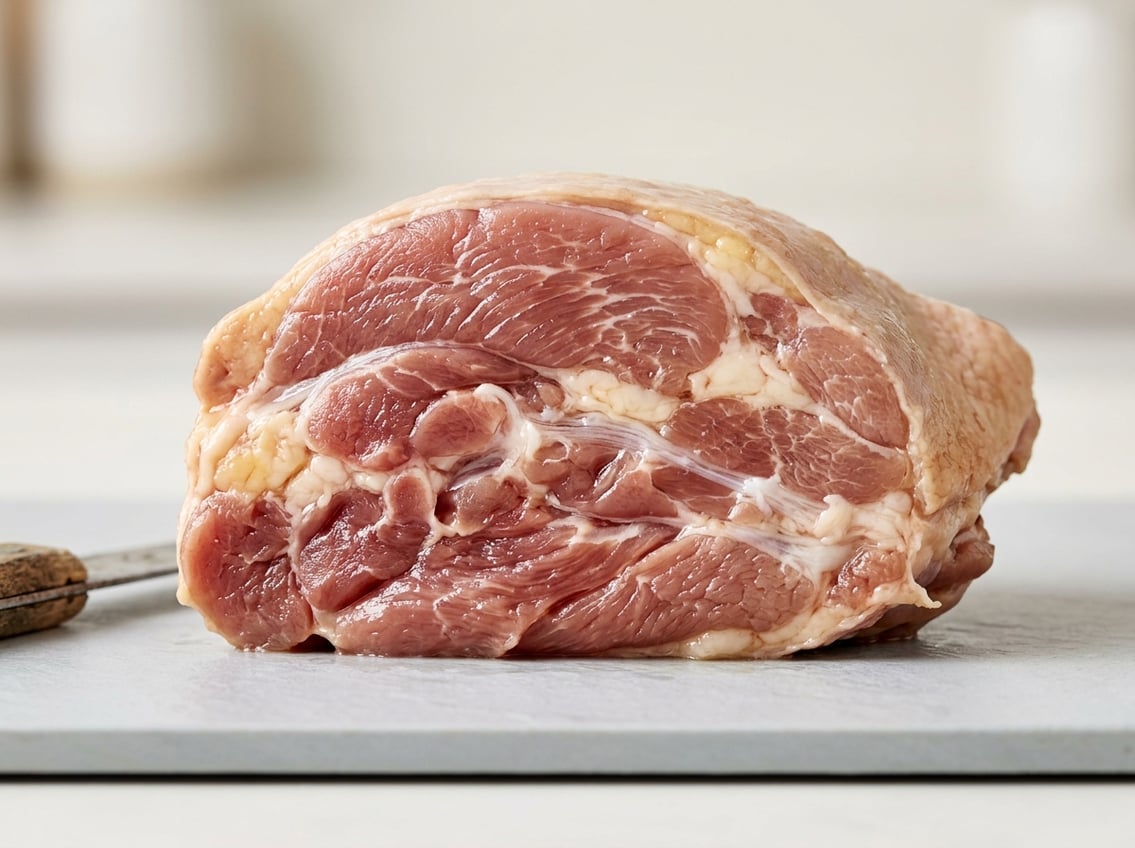
Chicken thighs have a different muscle and connective-tissue makeup than breasts. This makeup dictates how you should cook them.
Heat penetrates more slowly, more collagen needs to break down, and fat renders over time. These factors affect texture and the internal temperature you target.
Dark Meat Characteristics
Thighs are dark meat because their muscle fibers contain more myoglobin and are used constantly by the bird. Myoglobin gives thighs stronger flavor and darker color.
Thighs tolerate higher internal temperatures without drying out. Aim for 175°F to 195°F for very tender results, since the meat stays moist while connective tissue softens.
The muscle fibers in thighs are denser and contain more slow-twitch fibers. These fibers have more mitochondria and connective tissue, so they need longer cooking for collagen to convert to gelatin.
Check doneness with an instant-read thermometer in the thickest part, avoiding bone.
Role of Fat and Connective Tissue
Thighs contain more intramuscular fat and thicker bands of collagen than white meat. Fat insulates the muscle, slowing heat transfer, and renders gradually.
Collagen starts shrinking and tightening below 140°F, then begins turning into gelatin as you heat toward 190–195°F. Holding thighs at intermediate temperatures longer allows collagen breakdown without overcooking muscle proteins.
Braising, low-and-slow roasting, or indirect grilling help keep the thigh’s internal temperature in the collagen-conversion range. These methods yield tender chicken thighs.
Impact of Bone-In Versus Boneless Cuts
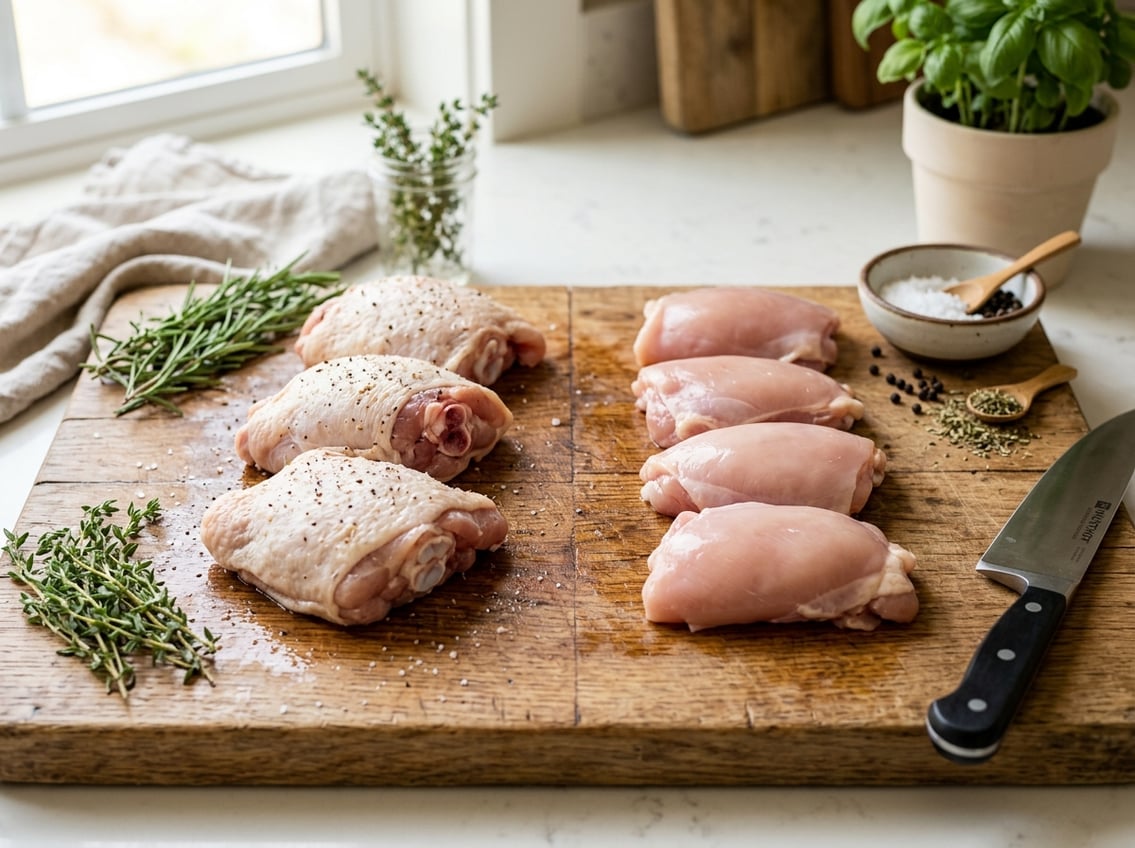
Bone-in and boneless thighs heat and cook differently. Bone and meat thickness change heat flow, so choosing the right method and monitoring internal temperature is important.
Heat Transfer Differences
The bone and variable thickness of thighs change how heat moves through the meat. Boneless thighs are usually thinner and more uniform, so heat penetrates evenly and cooks the center faster.
Boneless thighs work well for high-heat, quick methods like pan-searing or stir-frying. You can expect shorter cook times and less carryover cooking.
Bone-in thighs present more uneven geometry. Heat must travel around and through the bone, and the thicker sections near the bone take longer to reach safe internal temperatures.
Use lower oven temperatures or longer cook times for bone-in thighs. Measure temperature at the thickest part near the bone, and rest for 5–10 minutes to even internal gradients.
Effect of Bone on Cooking Time
A bone acts as a heat sink and partial insulator, slowing how quickly adjacent muscle reaches temperature. A bone-in thigh often needs roughly 10–15 minutes more than a comparable boneless piece to reach 165°F at the thickest point.
Adjust your plan when cooking bone-in thighs. Reduce oven temperature only if you want very tender, slow-cooked meat, or extend time at 375–400°F for crisp skin and a fully cooked interior.
For boneless thighs, watch closely to avoid overshooting 165°F because they finish sooner and carryover cooking can dry them out.
Influence of Skin-On and Skinless Preparations
Choosing skin-on or skinless thighs changes how heat, fat, and moisture behave during cooking. Skin-on pieces slow direct heat transfer but add rendered fat and a crisp surface.
Skinless thighs cook more quickly but need care to stay tender.
Moisture Retention and Flavor
Skin acts as a barrier that slows moisture loss from the meat during roasting or grilling. When you cook skin-on chicken thighs at moderate oven temperatures, the skin reduces evaporation so the underlying dark meat stays juicier.
With skinless thighs, you must manage moisture more actively. Brine, marinade with oil and acid, or cook at slightly lower temperatures to prevent the tissue from drying.
Fat under the skin renders and bastes the meat as it heats, concentrating flavor in skin-on thighs. Skinless thighs rely on their intramuscular fat and any added fats in the pan or sauce for taste.
Skin Rendering and Texture
Rendering skin requires higher initial surface heat to melt subcutaneous fat and crisp the skin without burning it. Start skin-on thighs in a hot skillet or under a broiler to brown the skin quickly while the interior heats more slowly.
Skin insulates the meat, contributing to longer overall cook time compared with skinless pieces. For skinless chicken thighs, you remove that insulating layer, allowing heat to penetrate directly into the muscle.
Skinless thighs reach safe internal temperature faster, but can tighten and become firm if exposed to high heat too long.
If you want crisp skin and tender thighs, use high heat first to brown the skin, then lower heat to bring the internal temperature to 165°F gently. For skinless thighs, sear briefly to build flavor, then finish at moderate heat or in a sauce to protect tenderness.
Safe Internal Temperature Guidelines
Chicken thighs are safe to eat when cooked to the correct internal temperature. Use a reliable instant‑read thermometer to confirm doneness.
Aim for temperatures that both eliminate pathogens and deliver the texture you want.
Importance of 165°F for Poultry
165°F is the temperature at which poultry reaches immediate bacterial lethality by USDA standards. Reaching 165°F anywhere in the thickest part of the thigh ensures rapid reduction of Salmonella and Campylobacter.
Time and temperature interact. Holding chicken at a lower temperature needs longer pasteurization time, but most home cooks stick to 165°F because it’s simple and fast.
Dark meat like thighs contains more connective tissue and fat, so many cooks go to higher temps (175–195°F) to break down collagen for a more tender result. Measure in the thickest spot and avoid touching bone.
Using a Meat Thermometer Correctly
Use an instant‑read meat thermometer for accuracy. Insert the probe into the thickest part of the thigh, at least 1/4 inch from the bone, because bone gives falsely high readings.
Hold the thermometer steady until the reading stabilizes. For digital thermometers, 2–3 seconds is often enough.
Calibrate your thermometer periodically by testing in ice water or boiling water. Clean the probe with hot, soapy water between uses to avoid cross‑contamination.
How Cooking Methods Affect Duration
Different cooking methods change how heat reaches the meat, how long connective tissue breaks down, and how much moisture is lost. These factors explain why thighs often need more time than leaner cuts.
Roasting Chicken Thighs
Roasting uses consistent dry heat that cooks from the outside in. If you roast bone-in, skin-on thighs at 375°F, plan on about 35–45 minutes.
Boneless, skinless pieces usually finish in 25–30 minutes. The bone conducts heat slowly, so bone-in thighs take longer to reach 165°F at the thickest point.
Start thighs skin-side up on a rack or sheet to allow air circulation and even browning. Pat skin dry and use a light oil and salt to promote crispness.
Check internal temperature near the bone and rest for 5–10 minutes so juices redistribute.
Grilling Chicken Thighs
Grilling exposes thighs to direct and indirect high heat, which speeds exterior browning but can leave interiors underdone if not managed. Cook bone-in, skin-on thighs over medium heat for 10–15 minutes per side, using indirect heat first to bring internal temperature up, then direct heat to crisp skin.
Boneless thighs grill faster, about 6–8 minutes per side. Flip only once or twice to avoid drying the meat.
Use a meat thermometer and move pieces between hot and cooler zones to prevent flare-ups and achieve even doneness.
Baking Chicken Thighs
Baking is similar to roasting but often uses higher temperatures or covered pans. At 400°F, boneless, skinless thighs may cook in 15–20 minutes.
Bone-in pieces take longer, commonly 30–40 minutes depending on thickness. Covered baking or braising retains moisture and lengthens cook time.
Arrange thighs in a single layer and avoid overcrowding to ensure even heat circulation. Use a probe thermometer if your oven’s heat fluctuates.
Comparing Chicken Thighs to Chicken Breasts
Thighs and breasts differ in fat, muscle structure, and typical thickness. These factors directly change how long you must cook them and which methods work best.
Thighs need more time and forgiving techniques. Breasts demand quicker, precise cooking to stay moist.
Differences in Cooking Times
Chicken thighs typically take longer to reach a safe internal temperature than chicken breasts because thighs contain more connective tissue and fat. That extra connective tissue requires heat and time to break down.
A boneless skinless thigh often needs several more minutes than a same‑sized breast when roasting or grilling. Bone‑in thighs add another 5–15 minutes depending on size, because bone slows heat penetration.
Pull breasts at about 160–162°F and let carryover bring them to 165°F to avoid dryness. Thighs can be cooked to 165°F and often benefit from slightly higher temperatures (175–185°F) for tender results.
Choosing the Right Cut for the Job
Pick chicken breasts when you want quick, lean protein for slicing or thin cutlets. They sear and finish fast on high heat.
Use thighs when you need flavor and resilience to long cook times. They stay moist under prolonged roasting, braising, or slow‑cooking and tolerate higher temperatures without drying.
If a recipe specifies a chicken thigh method, follow it. Substituting breasts means shortening cook time and using brine, a marinade, or lower, gentler heat to prevent dryness.
For mixed dishes, cut breasts thinner or start thighs earlier so both finish at the same time.
Tips for Perfect and Efficient Cooking
Focus on consistent thickness, quick techniques that protect moisture, and habits like using a meat thermometer and resting. These steps make thighs reliably tender and safe.
Even Thickness and Marinating
Pound or butterfly thighs to uniform thickness, about 3/4 to 1 inch, to ensure even heat penetration and predictable cooking times. Thinner, uniform pieces finish faster and reduce the chance of an undercooked center.
Marinate in an acidic or enzymatic base (yogurt, lemon, or vinegar) for 30 minutes to 4 hours to tenderize connective tissue and speed heat transfer slightly. Include oil and salt in the marinade to promote browning and seasoning.
Pat thighs dry before searing to get a crisp skin and faster browning. If you cut thighs into strips or small pieces, expect 10–15 minutes total on high heat.
For bone-in pieces, plan on the longer end of recommended oven times and verify doneness with a meat thermometer.
Avoiding Common Mistakes
Don’t crowd the pan or sheet tray. Overcrowding traps steam, lengthens cooking time, and prevents skin from crisping.
Give each thigh 1–2 inches of space or cook in batches.
Don’t rely on color or time alone. Insert an instant-read meat thermometer into the thickest part without touching bone and remove thighs at 160–162°F.
Carryover heat will raise the temperature to 165°F while resting.
Don’t skip the sear-to-roast method for thicker or bone-in thighs. Sear each side for 3–4 minutes on high heat, then finish in a 375–400°F oven.
This approach shortens oven time and creates a well-browned exterior with a juicy interior.
Resting for Juiciness
Let thighs rest 5–10 minutes after cooking on a warm plate tented loosely with foil. Resting allows juices to move from the surface back into the muscle, which increases moisture and tenderness.
During rest, the internal temperature climbs 3–5°F. Make sure to account for this rise when you remove them from heat to avoid overcooking.
Rest larger bone-in thighs closer to 10 minutes. For small boneless pieces, 3–5 minutes is often enough.
Slice against the grain after resting to shorten muscle fibers. This makes each bite feel more tender.
Use the meat thermometer one last time if you want to confirm safe doneness before serving.


