
Why Do Chicken Thighs Make Me Sick? Causes, Symptoms, and Prevention
You might feel sick after eating chicken thighs because of bacteria, undercooking, or a personal sensitivity. Knowing which one is likely can help you avoid a repeat.
Most commonly, nausea or stomach pain after chicken thighs comes from bacterial contamination (Salmonella, Campylobacter, or Clostridium) or from the meat being undercooked, which allows those bacteria to survive.
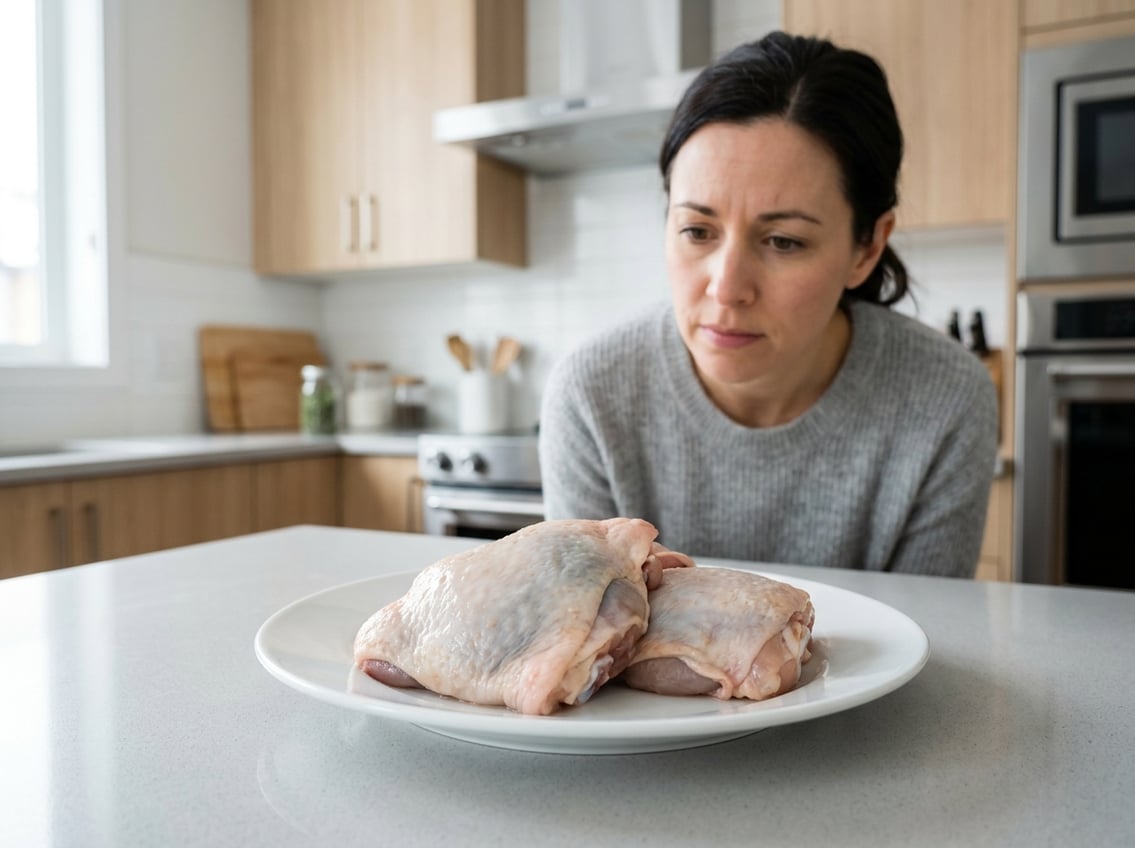
How the thighs were prepared can also trigger symptoms. Greasy frying or rich marinades may cause indigestion, or you may have an intolerance or allergy that causes digestive symptoms.
Bacterial Contamination in Chicken Thighs
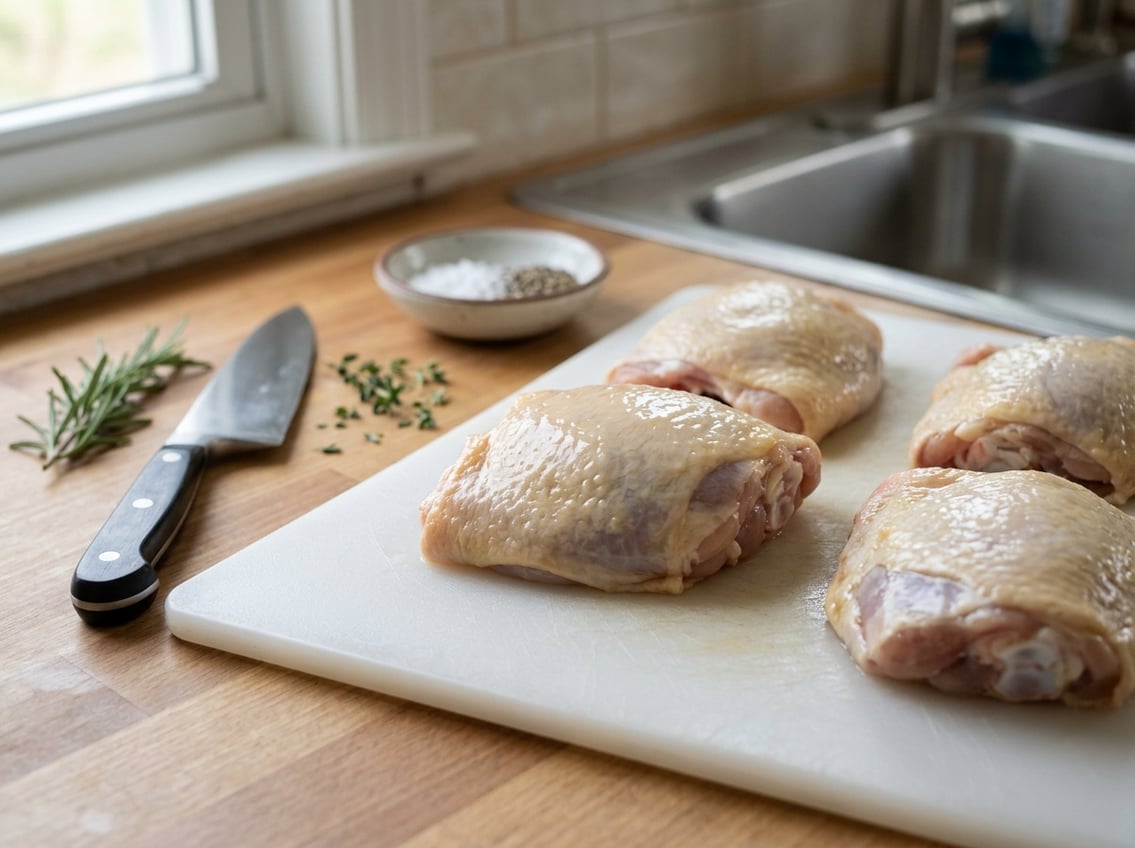
Chicken thighs can carry bacteria from the bird’s gut and from processing. If you handle, cook, or store thighs improperly, bacteria can contaminate other foods or survive cooking and cause illness.
Common Foodborne Pathogens in Poultry
Raw chicken thighs often have Salmonella and Campylobacter. Salmonella can cause fever, abdominal cramps, and diarrhea; some strains resist antibiotics.
Campylobacter often produces bloody diarrhea and cramping and is a frequent cause of bacterial gastroenteritis.
Clostridium perfringens can grow in cooked chicken that cools slowly, causing sudden abdominal pain and watery diarrhea. Occasionally, E. coli and Listeria also contaminate chicken, but Listeria is more common in ready-to-eat products than in fresh thighs.
How Contaminated Chicken Leads to Illness
Bacteria transfer to chicken thighs during slaughter or from cross-contamination on surfaces. If you undercook thighs (internal temperature below 165°F / 74°C), bacteria can survive and multiply inside the meat.
Using the same cutting board or utensils for raw thighs and ready-to-eat foods spreads bacteria. Improper thawing at room temperature or leaving cooked thighs at 40–140°F (4–60°C) for more than two hours lets bacteria multiply quickly.
Even small amounts of bacteria can make you sick if they produce toxins or if your immune system is vulnerable.
Key Signs Your Chicken Is Unsafe
Look for these red flags before you cook or eat thighs:
- Smell: a sour or rotten odor signals spoilage and possible bacterial overgrowth.
- Texture and color: sliminess or unusually gray tones suggest bacterial film or extended storage.
- Packaging: leaks, bloating, or torn seals can mean contamination or temperature abuse.
When cooking, always check internal temperature in the thickest part of the thigh; 165°F (74°C) is the safe minimum. If a meal gives you fever, severe diarrhea, bloody stools, or symptoms lasting more than 48 hours, seek medical care and mention recent chicken consumption.
The Role of Undercooked Chicken Thighs
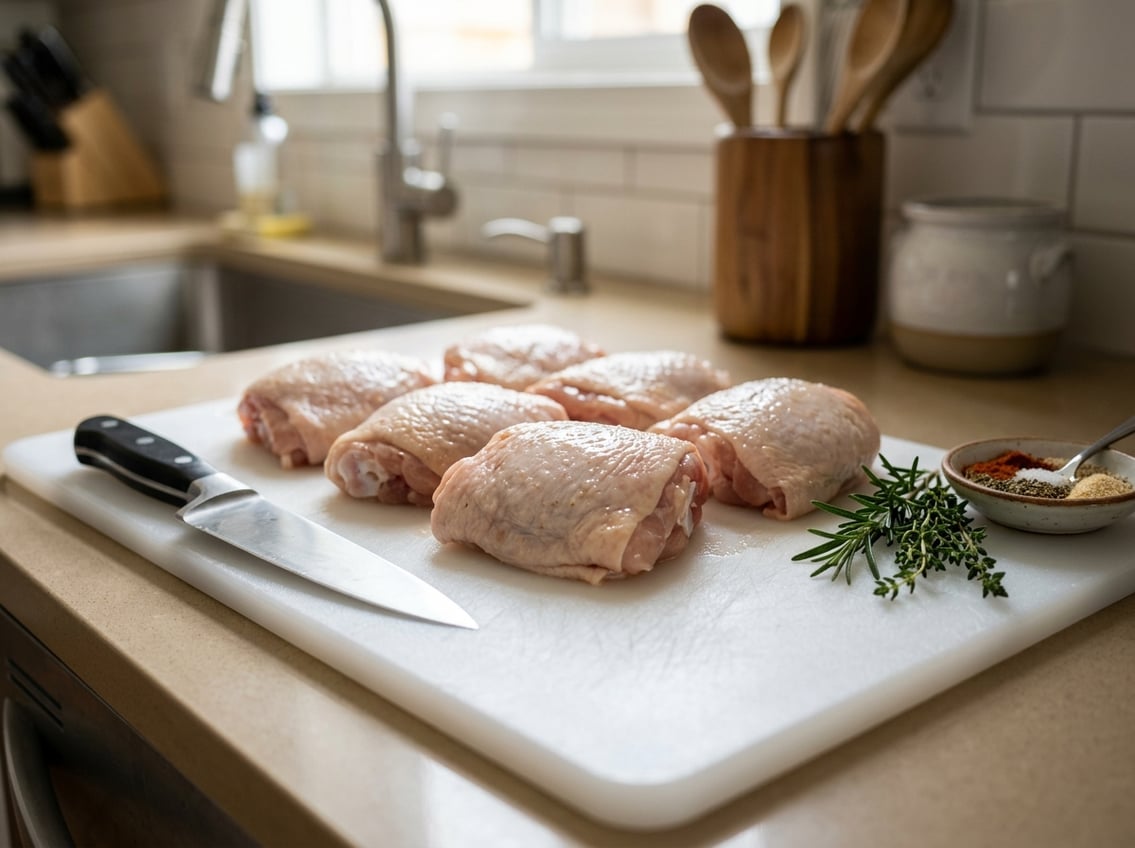
Undercooked chicken thighs can expose you to bacteria that cause food poisoning. You need clear steps to check temperature, recognize risk, and handle meat safely.
Dangers of Insufficient Cooking
Salmonella and Campylobacter often survive in undercooked chicken thighs. These bacteria cause nausea, diarrhea, cramping, fever, and sometimes dehydration.
These pathogens live in muscle and juices. Cutting into a pink center or tasting before fully cooked can transfer bacteria to your mouth.
Your risk increases if the thighs sat at room temperature, were cross-contaminated with raw juices, or came from sources with higher contamination rates.
Young children, older adults, pregnant people, and anyone with a weakened immune system face more severe illness and may require medical care.
If you suspect the thighs are undercooked after eating, monitor symptoms for 6–72 hours and seek care for persistent vomiting, bloody diarrhea, high fever above 101.5°F, or signs of dehydration.
Importance of Internal Temperature
You must cook chicken thighs to 165 degrees Fahrenheit (74°C) measured at the thickest part. This temperature kills Salmonella and Campylobacter in poultry when the probe reaches the center of the meat.
Color and juices are unreliable. Pinkness can persist even at safe temperatures, and clear juices are not a guaranteed indicator.
Always use temperature as your final check rather than appearance.
When testing, allow the thermometer to stabilize for an accurate reading. If one thigh reaches 165°F but adjacent pieces are much cooler, cook longer until each piece reaches the target temperature.
How to Use a Food Thermometer Properly
Use a calibrated instant-read or probe thermometer designed for meat. Insert the probe into the thickest part of the thigh without touching bone, since bone conducts heat and gives a falsely high reading.
Check multiple spots if pieces vary in size. Wait a few seconds for instant-read models or until the digital display stabilizes for probe thermometers.
Clean the probe with hot, soapy water between uses to avoid cross-contamination. If your thermometer lacks calibration, test it in boiling water (should read about 212°F at sea level) or an ice bath (32°F) and adjust or replace it if readings are off.
Symptoms of Food Poisoning and Reactions
You may feel sudden stomach pain, nausea, diarrhea, or fever after eating chicken. Some reactions resolve in a day or two, while others can signal a serious infection or immune complication that needs prompt care.
Stomach Cramps and Nausea After Eating Chicken
If you get stomach cramps and nausea after eating chicken, bacterial toxins or live bacteria such as Salmonella or Campylobacter are likely to blame. Symptoms often begin within 6–48 hours and include cramping pain in the lower abdomen and repeated waves of nausea that may lead to vomiting.
Manage mild cases by resting and sipping clear fluids or an oral rehydration solution to replace lost electrolytes. Avoid anti-diarrheal medicines if you have high fever or bloody stools because they can prolong certain infections.
If symptoms prevent you from keeping fluids down for more than 24 hours, or you notice severe abdominal pain, call your healthcare provider.
Bloody Diarrhea and Other Gastrointestinal Issues
Bloody diarrhea after eating chicken suggests a more invasive bacterial infection, commonly from E. coli, Campylobacter, or certain strains of Salmonella. Expect frequent, watery stools that may contain blood, mucus, or a strong odor, often accompanied by fever and intense cramping.
Keep track of stool frequency, presence of blood, and any fever above 102°F (39°C). Bring a sample or photograph of stools to your clinician if asked.
Seek immediate care if you have persistent high fever, signs of dehydration, or several bloody bowel movements in a day.
Severe Complications and When to Seek Care
Certain foodborne infections can trigger serious complications beyond the gut. For example, Campylobacter infection can precede Guillain-Barré syndrome, which causes progressive muscle weakness and requires urgent evaluation.
Reactive arthritis can develop weeks after an intestinal infection and presents with joint pain, eye inflammation, or urinary issues.
Go to emergency care if you experience difficulty breathing, muscle weakness, numbness or tingling, high fever, or fainting. Also seek prompt medical attention for persistent vomiting, little to no urine output, or confusion.
Tell clinicians about recent chicken consumption and any travel, so they can order stool tests, blood work, or neurologic exams as needed.
Chicken Allergy, Sensitivity, and Intolerance
You may react to chicken for immune or digestive reasons. The part you ate—like fattier chicken thighs—can change how you feel.
Symptoms and Diagnosis of Chicken Allergy
If you have a true chicken allergy, symptoms usually appear within minutes to a few hours after eating or touching chicken. Skin signs include hives, itching, and swelling. Respiratory signs include wheezing, throat tightness, and coughing. Digestive signs include nausea, vomiting, and abdominal pain.
Severe cases can cause anaphylaxis, which needs emergency care.
Diagnosis relies on your history and allergy testing. Your clinician may use skin-prick tests, specific IgE blood tests, or supervised oral food challenges.
Mention any reactions to eggs, feathers, or vaccines to your provider, since cross-reactivity can occur. Keep a clear timeline of what you ate, portion size, and symptom onset to help diagnosis.
Understanding Chicken Sensitivity versus Intolerance
Sensitivity often means your immune system reacts in a less direct IgE way or you have cross-reactions, such as bird-egg syndrome where egg proteins sensitize you to bird meat.
Symptoms may be similar to allergy but usually milder and sometimes delayed.
Intolerance involves the digestive system, not an immune response. Typical signs include bloating, gas, stomach cramps, diarrhea, or nausea after eating chicken.
Intolerance can come from additives, poor cooking, or difficulty digesting proteins or fats in the meat. Testing for intolerance is less standardized; you may try an elimination diet for 1–2 weeks under medical guidance to see if symptoms resolve.
How Fat Content in Chicken Thighs Affects Digestion
Chicken thighs contain more fat than breasts, which slows gastric emptying and increases the workload on your digestive system. If you already have a sensitive stomach or delayed gastric motility, fatty thighs can cause nausea, bloating, and diarrhea more easily than leaner cuts.
Cooking methods matter. Deep-frying or heavy sauces add fat and can worsen symptoms. Pan-searing or baking with moderate oil reduces added fat but the inherent thigh fat remains.
If you notice nausea specifically after thighs, try smaller portions, trim fat, or switch to chicken breast to see if fat content is the main trigger.
Preventing Food Poisoning from Chicken Thighs
Follow practical steps to keep raw chicken and its juices from contaminating other foods. Cook thighs to the right temperature, and look for signs of contaminated meat before you eat it.
Safe Handling and Storage Practices
Keep chicken thighs in a sealed container or plastic bag on the bottom shelf of your refrigerator to stop juices from dripping onto other foods. Store raw thighs at 40°F (4°C) or below and use within 1–2 days, or freeze at 0°F (−18°C) for longer storage.
Wash your hands for 20 seconds with soap and warm water before and after handling raw chicken. Use a dedicated cutting board and utensils for raw poultry. Wash them in hot, soapy water immediately after use.
Sanitize sinks and counters if raw juices splash. When shopping, place thighs in a disposable bag and put them in the bottom of your cart.
Thaw frozen thighs in the refrigerator or in a sealed bag under cold running water. Never thaw at room temperature.
Cooking Tips to Prevent Foodborne Illness
Use an instant-read food thermometer to check the thickest part of the thigh. The safe internal temperature is 165°F (74°C). Insert the thermometer without touching bone for an accurate reading.
Avoid partially cooking thighs and finishing later, since this gives bacteria time to multiply. If you marinate, do so in the refrigerator and discard used marinade or boil it before using as a sauce.
When frying or roasting, ensure even heat by not crowding the pan and by turning pieces for uniform cooking. For ground or stuffed chicken, always reach 165°F throughout.
If you doubt doneness, cook a few minutes longer and recheck the temperature.
Detecting and Avoiding Contaminated Chicken
Inspect thighs before cooking. Discard any with a sour or unusually strong odor, slimy texture, or green or gray discoloration.
These signs often show spoilage or bacterial growth. Check packaging for tears, leaks, or bloating.
Swollen packaging signals bacterial activity, so do not use the product. Note sell-by or use-by dates and avoid buying packages past those dates.
If you have symptoms after eating chicken thighs such as vomiting, diarrhea, fever, or severe abdominal cramps, seek medical care if symptoms are intense or prolonged. Report suspected contaminated product to your local health department or the store where you bought it.


