
What Happens If You Eat Chicken Thighs Every Day: Nutrition, Risks, and Healthy Choices
If you eat chicken thighs every day, you get a reliable source of high-quality protein, B vitamins, iron, and zinc that support muscle maintenance and metabolism.
You can include chicken thighs daily if you choose lean, properly cooked cuts, control portions, and pair them with other protein sources and healthy fats to avoid nutrient gaps.

Expect benefits like improved satiety and easier protein targets, but watch for higher fat and sodium depending on the cut and preparation.
This article covers the nutrition of thighs, health benefits and risks, smart cooking methods, how to balance other proteins, and environmental and ethical factors to help you make practical choices.
Nutritional Profile of Chicken Thighs
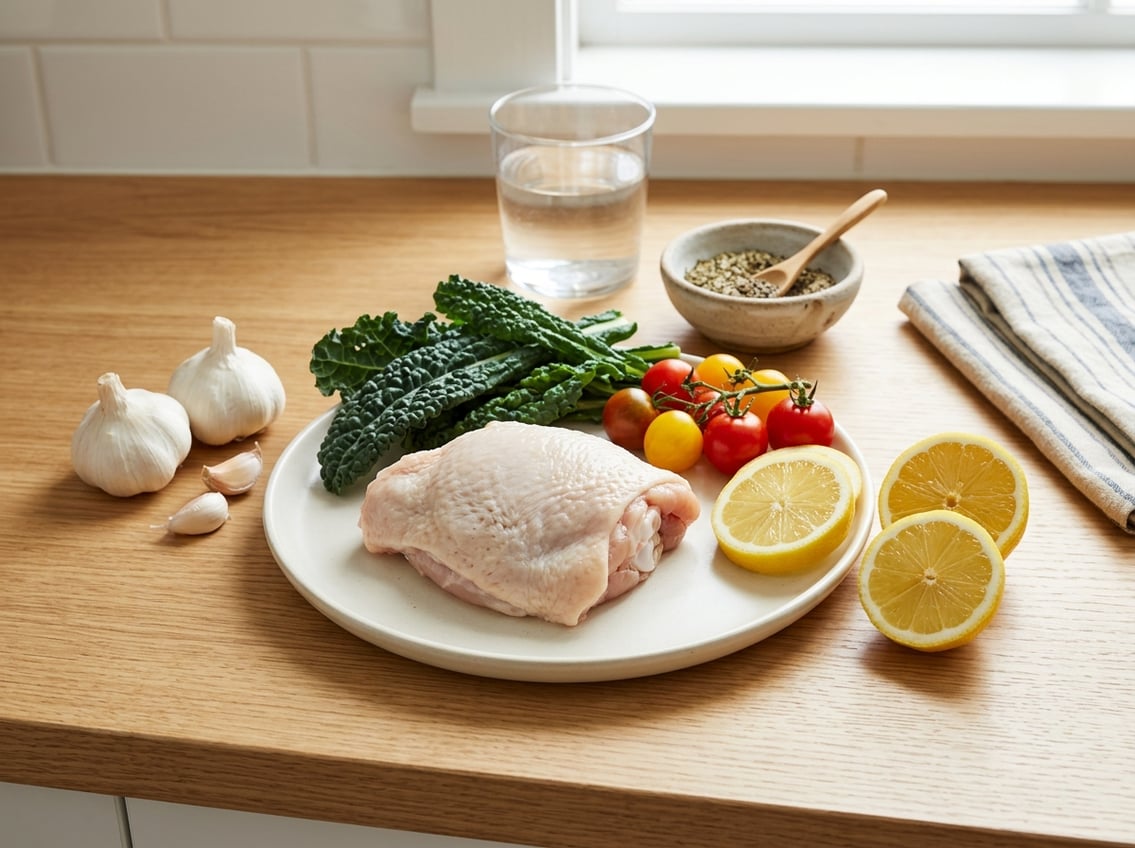
Chicken thighs provide concentrated protein, several B vitamins, and minerals like phosphorus and selenium.
Skin-on portions add more calories and fat, while skinless, boneless thighs give you a higher protein-to-fat ratio per serving.
Protein Content and Amino Acid Profile
A 3-ounce serving of skinless chicken thigh delivers about 20–28 grams of protein, making it a solid source of lean protein for most meals.
The protein in thighs is a complete protein, containing all nine essential amino acids your body cannot synthesize, which supports muscle maintenance, recovery, and general tissue repair.
Compared with other protein sources, thighs supply slightly more fat but retain a robust amino acid profile similar to chicken breast.
That makes them useful if you need both protein and modest dietary fat, supporting satiety and energy.
If you remove the skin, you keep most of the protein while cutting significant calories and saturated fat.
Vitamins and Minerals in Chicken Thighs
Chicken thighs supply several B vitamins at meaningful levels, notably niacin (vitamin B3) and vitamin B6.
Niacin supports cellular metabolism and B6 helps with amino acid metabolism and neurotransmitter synthesis, so regular servings contribute to energy regulation and protein use.
You also get minerals like phosphorus and selenium.
Phosphorus supports bone and cell structure, and selenium acts as an antioxidant cofactor important for thyroid function and immune response.
Thighs provide smaller amounts of iron and zinc as well, which contribute to oxygen transport and immune health.
Choosing skinless, boneless chicken thighs lowers added fat while keeping these micronutrients.
Comparison: Chicken Thighs vs. Chicken Breasts
Per equal weight, skinless chicken breast is leaner, with fewer calories and less total and saturated fat than skinless chicken thigh.
A 3-ounce skinless breast usually yields roughly 3 grams of fat versus about 9 grams in a skinless thigh, while both give comparable protein amounts.
Chicken thighs contain more iron, zinc, and certain B vitamins per serving, and their higher fat content offers greater flavor and satiety.
If you manage calories or saturated fat tightly, choose skinless chicken breast.
If you want richer taste, slightly more calories, and additional micronutrients like selenium and phosphorus, skinless boneless chicken thighs are a practical choice.
Health Benefits of Consuming Chicken Thighs

Chicken thighs deliver concentrated protein, key B vitamins, and minerals like phosphorus and selenium that support muscle, metabolism, bone health, and immune function.
Eating skinless thighs regularly provides more iron and zinc than some other cuts while keeping saturated fat lower when you remove the skin.
Supporting Muscle Growth and Recovery
Chicken thighs provide complete, high-quality protein, supplying roughly 20–32 grams per typical 3–4 ounce cooked portion depending on cut and preparation.
That protein gives you all nine essential amino acids needed for muscle protein synthesis, which helps you repair and build muscle after resistance exercise or daily wear-and-tear.
Vitamin B6 in thighs supports amino acid metabolism and helps your body use dietary protein efficiently.
If you train frequently, pair a 3–4 ounce serving of skinless thigh with a carb source within a couple hours after exercise to help replenish glycogen and promote recovery.
Boosting Metabolism
Chicken thighs contain several B vitamins—especially niacin and vitamin B6—that directly participate in energy metabolism.
Niacin helps convert carbohydrates and fats into usable energy, while B6 aids in metabolizing amino acids and maintaining neurotransmitter balance that affects appetite and energy levels.
Selenium, also present in meaningful amounts, acts as an antioxidant that supports thyroid hormone activity.
Thyroid hormones regulate basal metabolic rate.
Choosing skinless thighs and cooking methods like grilling, baking, or poaching keeps saturated fat and extra calories down while preserving those metabolic nutrients.
Strengthening Bones and Immunity
Chicken thighs contribute phosphorus, a mineral essential for bone mineralization and cell membrane function.
A regular serving helps meet daily phosphorus needs alongside calcium to maintain bone density, especially when you include varied protein sources.
Selenium and zinc in thighs support immune cell function and antioxidant defenses.
Zinc contributes to wound healing and immune signaling, while selenium helps control inflammation and supports the production of selenoproteins important for immune response.
Eating skinless chicken thighs as part of a diet that includes fruits, vegetables, and dairy or fortified foods helps you capture these bone- and immune-supporting nutrients without excess saturated fat.
Potential Drawbacks and Health Concerns
Eating chicken thighs daily can increase your intake of calories, fat, and cholesterol compared with leaner cuts, and it raises food-safety and nutrient-balance issues that matter for long-term health.
Saturated Fat and Cholesterol Considerations
Chicken thighs contain more total fat and saturated fat than skinless breasts.
A typical 3–4 ounce cooked skin-on thigh can have roughly 7–9 grams total fat and about 2–3 grams saturated fat; removing the skin lowers both numbers substantially.
Saturated fat raises LDL cholesterol in many people, which increases risk factors tied to heart disease when consumed chronically.
If you already have high LDL, hypertension, or metabolic syndrome, prioritize skinless thighs and control portion size.
Balance fats by adding sources of polyunsaturated and monounsaturated fats such as olive oil, walnuts, or fatty fish to keep your overall dietary fat profile healthier.
Antibiotics and Food Safety Risks
Some conventionally raised chickens receive antibiotics during production, which can contribute to antibiotic-resistant bacteria in the food chain.
Choose poultry labeled “raised without antibiotics” or certified organic to reduce this risk.
Cook thighs to an internal temperature of 165°F (74°C) and avoid cross-contamination to prevent Salmonella and Campylobacter infections.
Refrigerate leftovers within two hours and reheat thoroughly.
If you eat chicken daily, rotate sources (different suppliers, organic vs. conventional) and follow safe-food practices to minimize exposure to pathogens and antibiotic-resistant strains.
Nutrient Imbalance and Overconsumption
Chicken thighs are a complete protein and supply B vitamins, iron, and selenium, which support muscle maintenance and metabolism.
Eating them daily, however, can crowd out other nutrient-dense foods like oily fish (omega-3s), legumes (fiber), and nuts (healthy fats).
Relying too heavily on thighs may leave gaps in polyunsaturated fats and dietary fiber.
Vary your protein sources across the week to cover nutrient needs.
Include salmon or mackerel twice weekly for EPA/DHA, legumes for fiber and potassium, and plant oils for healthier unsaturated fats.
Monitor sodium if you buy pre-seasoned or brined thighs, since processed preparations can elevate daily sodium beyond recommended limits.
Optimizing Health: Cooking Methods and Preparation
Choose cooking methods that limit charring, control added fat, and preserve protein and micronutrients.
Focus on techniques that keep thighs moist without heavy oils or burned surfaces.
Grilling, Baking, and Roasting Techniques
When you grill chicken thighs, work at medium heat and watch for flare-ups.
Sear quickly to develop color, then move to indirect heat to finish; this reduces time at very high temperatures that create HCAs and PAHs.
Use a meat thermometer and pull thighs at 165°F (74°C) for safety; resting 5–10 minutes evens juiciness.
For roasted or baked chicken, preheat the oven to 375–425°F (190–220°C) depending on size.
Roast on a rack so fat drips away and air circulates; this gives crisp skin without deep-frying.
If you want lower risk of harmful compounds, bake covered with foil for part of the time or use a convection setting to shorten cooking time.
Marinades with acid (lemon, vinegar) and antioxidants (herbs, garlic) reduce formation of harmful compounds and add flavor.
Pat skin dry for crisping but avoid heavy sugar glazes that burn quickly.
Removing the Skin and Reducing Fat
Remove the skin before or after cooking to cut visible fat and lower saturated fat intake.
If you prefer skinless chicken, consider poaching, baking, or pressure-cooking to retain moisture; these methods keep meat tender without added oils.
Trim excess fat from the thigh and use a roasting rack or paper towels to blot surface fat.
Replace butter or lard with a thin brush of olive oil or a spray; a tablespoon spread across multiple thighs reduces added fat per serving.
If you eat thighs daily, aim for skinless portions around 3–4 ounces cooked to keep calories and saturated fat moderate.
Use cooking methods that let fat drain away—grilling on a rack, broiling with a drip pan, or placing thighs on a wire rack in the oven.
You lower total fat while keeping the protein and iron benefits of dark meat.
Unhealthy Preparation Methods to Avoid
Avoid charring, heavy frying, and repeated reheating of browned meat.
Deep-frying and prolonged high-heat searing produce more heterocyclic amines (HCAs) and advanced glycation end products (AGEs), which link to inflammation in studies.
Skip sugary glazes or marinades that caramelize and burn easily when exposed to high heat.
Avoid cooking directly over open flames for long periods; smoke deposits polycyclic aromatic hydrocarbons (PAHs) on the surface.
If you must grill, use lower heat, shorter direct-sear times, and remove any blackened bits before eating.
Limit processed breading and store-bought pre-seasoned mixes that add sodium and trans fats.
These increase cardiovascular risk if consumed daily.
Balancing Chicken Thighs With Other Protein Sources
Rotate proteins to cover nutrients chicken thighs lack and to limit excess saturated fat and sodium.
Focus on adding plant-based proteins, oily fish, eggs, and dairy across the week to fill gaps in fiber, omega-3s, and micronutrients.
Incorporating Plant-Based Proteins
Add beans, lentils, peas, and other pulses at least 2–3 times weekly to increase fiber, potassium, and iron that chicken lacks.
Use them in salads, stews, or as mashed spreads; 1 cup cooked lentils provides about 18 grams protein and 15 grams fiber, which helps digestion and fullness.
Include tofu and other soy products as direct meat substitutes; firm tofu grilled or baked pairs well with the flavor and texture of thighs.
Aim for a mix of whole-food pulses and minimally processed soy to maximize micronutrients.
Try this simple rotation: one pulse-based meal, one tofu or tempeh meal, and one mixed vegetable-and-bean salad per week.
That pattern increases variety and helps ensure you get plant-specific nutrients while keeping overall protein intake stable.
Including Fish, Eggs, and Dairy for Variety
Plan 2–3 servings of fish weekly, prioritizing oily fish like salmon for omega-3 fatty acids (EPA/DHA).
A 3–4 ounce serving of salmon supplies meaningful omega-3s that support heart and brain health, nutrients chicken thighs provide only in small amounts.
Use eggs and yogurt to add inexpensive, versatile protein and deliver B vitamins, vitamin D (if fortified), and calcium.
Two eggs at breakfast or Greek yogurt as a snack gives high-quality protein without the extra saturated fat of dark meat with skin.
Balance portions: replace one chicken-thigh meal with a fish dinner and use eggs or dairy across meals to round out the week.
This approach broadens amino-acid profiles and micronutrients while keeping your diet practical and easy to prepare.
Environmental and Ethical Considerations
Eating chicken thighs every day raises practical trade-offs related to animal welfare, chemical exposures, and environmental costs.
You face choices about antibiotic use, farming methods, and the wider footprint of regularly consuming poultry compared with other proteins.
Sourcing Antibiotic-Free and Organic Chicken
If you eat chicken thighs daily, prioritize labels that reduce your antibiotic exposure.
Look for “no antibiotics ever” or USDA Organic; these indicate birds were raised without routine antibiotic use, lowering the risk of ingesting antibiotic residues and helping limit selection for antibiotic-resistant bacteria that can affect human health.
Inspect provenance details when available.
Pasture-raised or free-range with transparent farm practices often pair with fewer preventive antibiotics, though labeling varies by country.
Expect higher retail prices for antibiotic-free options; factor cost against the frequency you plan to eat chicken thighs.
Consider variety in your protein sources.
Rotating in beans, fish, eggs, or lean red meat reduces your cumulative exposure to any single farming practice and delivers a broader nutrient mix.
Sustainability and Environmental Impact
Chicken production generates less greenhouse gas per kilogram of meat than beef. However, eating chicken frequently still adds up to significant environmental costs.
Feed production, especially for corn and soy, as well as manure management and land use, causes deforestation, increases water use, and leads to nutrient runoff that harms local waterways.
Choose chicken from sources that publish lifecycle or environmental data when possible. Pasture-managed poultry and farms that use feed-efficiency, reduced fertilizer inputs, and integrated manure handling usually create less water use and pollution than industrial operations.
You can reduce your environmental impact by changing your diet. Replace some daily chicken thighs with plant proteins like legumes, tofu, or nuts, or choose lower-impact animal proteins.
Even small changes, such as eating two to three meat-free meals per week, can lower your greenhouse gas and water footprint. This approach allows you to reduce impact without giving up chicken entirely.


