
What Should I Do With My Chicken Thighs? Creative Ways to Cook and Use Chicken Thighs
You probably have a pack of chicken thighs in the fridge and a handful of meal plans floating in your head.
Pick a direction — roast, grill, braise, or shred — and you can turn those thighs into anything from a weeknight sheet-pan dinner to saucy global classics or a quick salad topper.
Use bone-in thighs for slow, juicy braises and boneless for fast, versatile weeknight dishes.
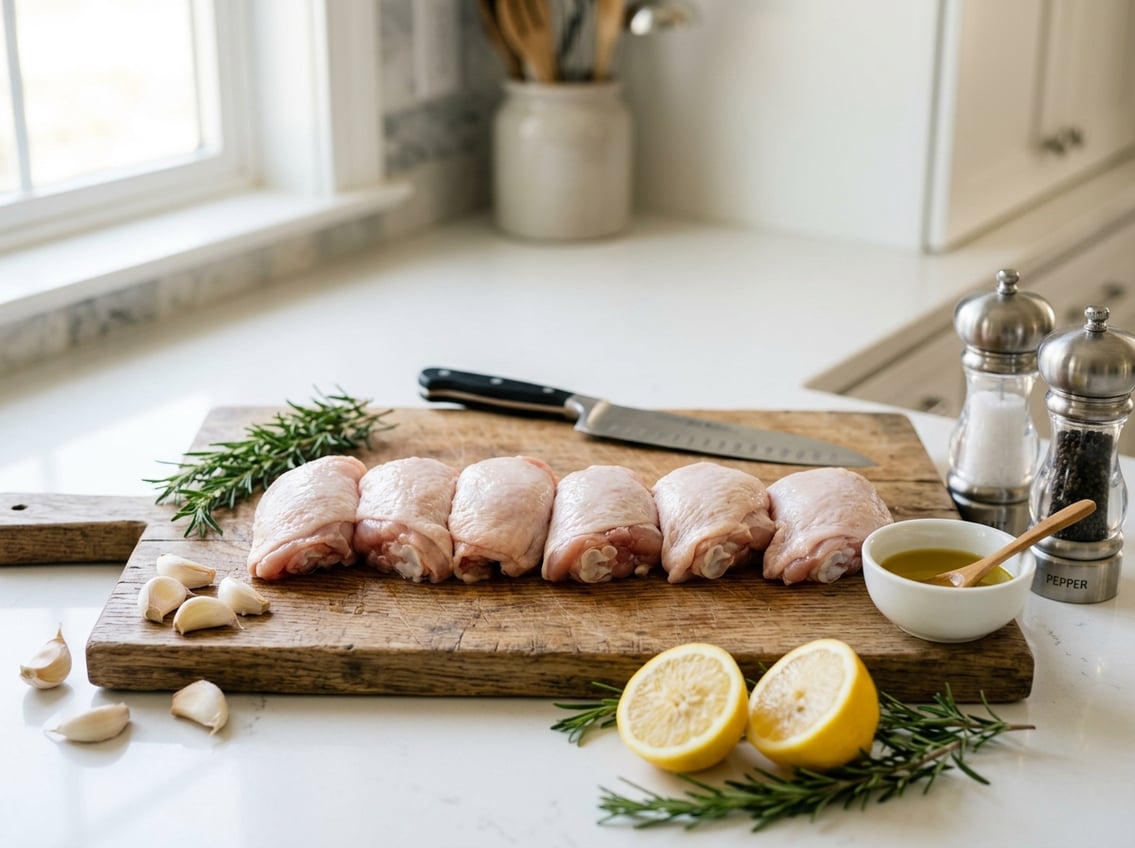
Learn what to know about thigh cuts and prep, reliable cooking techniques, bold saucy recipes, quick dinners, and clever leftover ideas.
You’ll also get clear tips on storing, reheating, and serving so nothing goes to waste and every meal hits the mark.
Understanding Chicken Thigh Cuts and Preparation
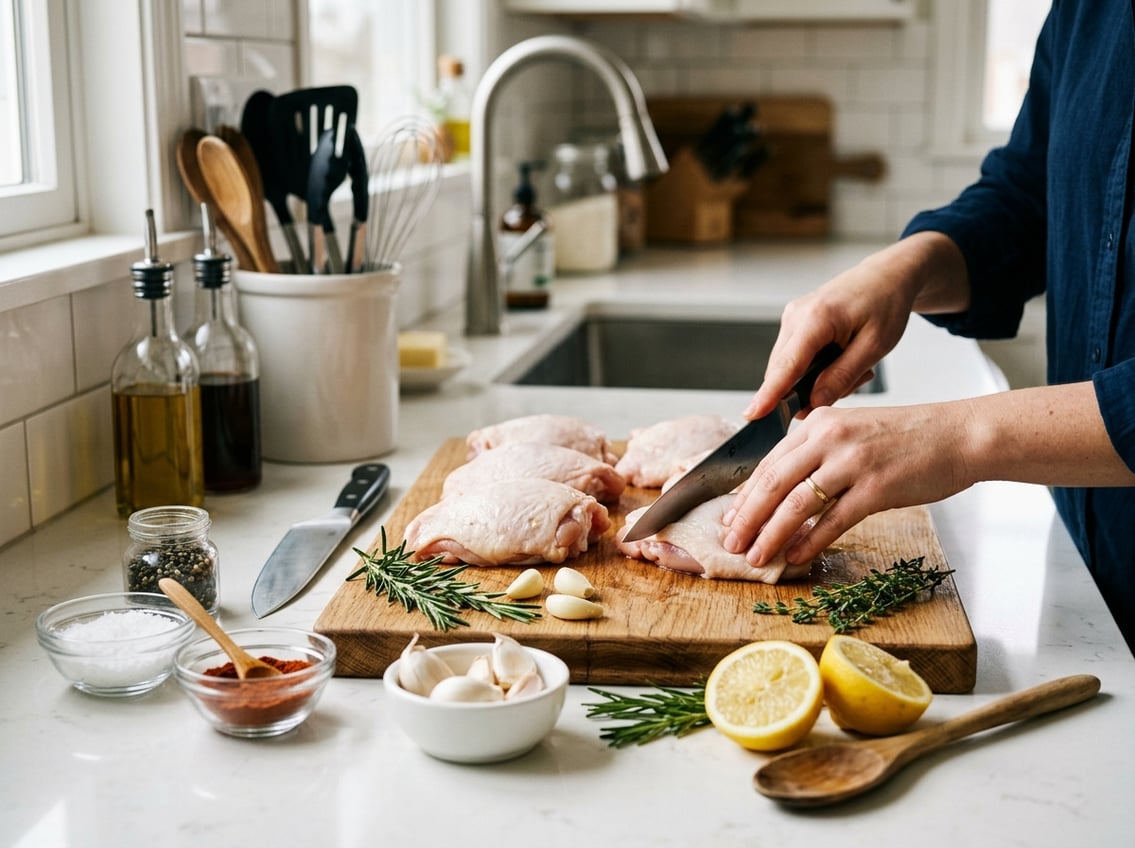
Identify which cut you have, whether it carries skin, and how you plan to flavor it.
These choices determine cooking time, techniques that work best, and how much trimming or marinating you should do.
Bone-In vs. Boneless Chicken Thighs
Bone-in chicken thighs keep more moisture and tolerate higher, longer cooking without drying.
They’re ideal for braises, roasting, and grilling where you want richer flavor and juices.
Expect about 10–20% longer cook time than boneless pieces, and use an instant-read thermometer to reach 165°F in the thickest part near the bone.
Boneless chicken thighs cook faster and are easier to cut into strips or cubes for stir-fries, skewers, and pan-frying.
They’re convenient for breading and frying because they lay flat and sear evenly.
If you remove the bone yourself, trim excess fat and use a sharp knife to avoid ragged edges that can dry during cooking.
Skin-On and Skinless Chicken Thighs
Skin-on chicken thighs deliver crisp, browned exterior and a protective fat layer that keeps meat juicy during high-heat roasting or pan-searing.
Score the skin or pat it very dry, season under and over the skin, and start skin-side down in a hot pan to render fat and get crisp skin.
Skinless chicken thighs reduce total fat and shorten crisping steps.
They work well for quick sautés, curries, and braises where you want the meat to absorb sauces.
Because they lack the protective barrier, watch cooking time closely to avoid overcooking.
For even results, pound thicker areas slightly or cut into uniform pieces.
Marinating Essentials and Flavor Boosters
Marinate to add flavor and, for some acids or enzymes, to tenderize.
Use a basic ratio: 3 parts oil to 1 part acid (vinegar, lemon juice, or yogurt) plus salt and aromatics.
For boneless pieces, 30 minutes to 2 hours suffices.
Bone-in benefits from 4–12 hours in the fridge to let flavors penetrate toward the bone.
Include salt or a salty ingredient (soy sauce, miso) so the meat seasons through.
Add garlic, herbs, spices, and a touch of sweetness (honey or brown sugar) if you want caramelized edges.
Always marinate in the refrigerator.
Discard used marinade or boil it before using as a sauce.
Pat thighs dry before searing to maximize browning.
Classic Cooking Techniques for Chicken Thighs
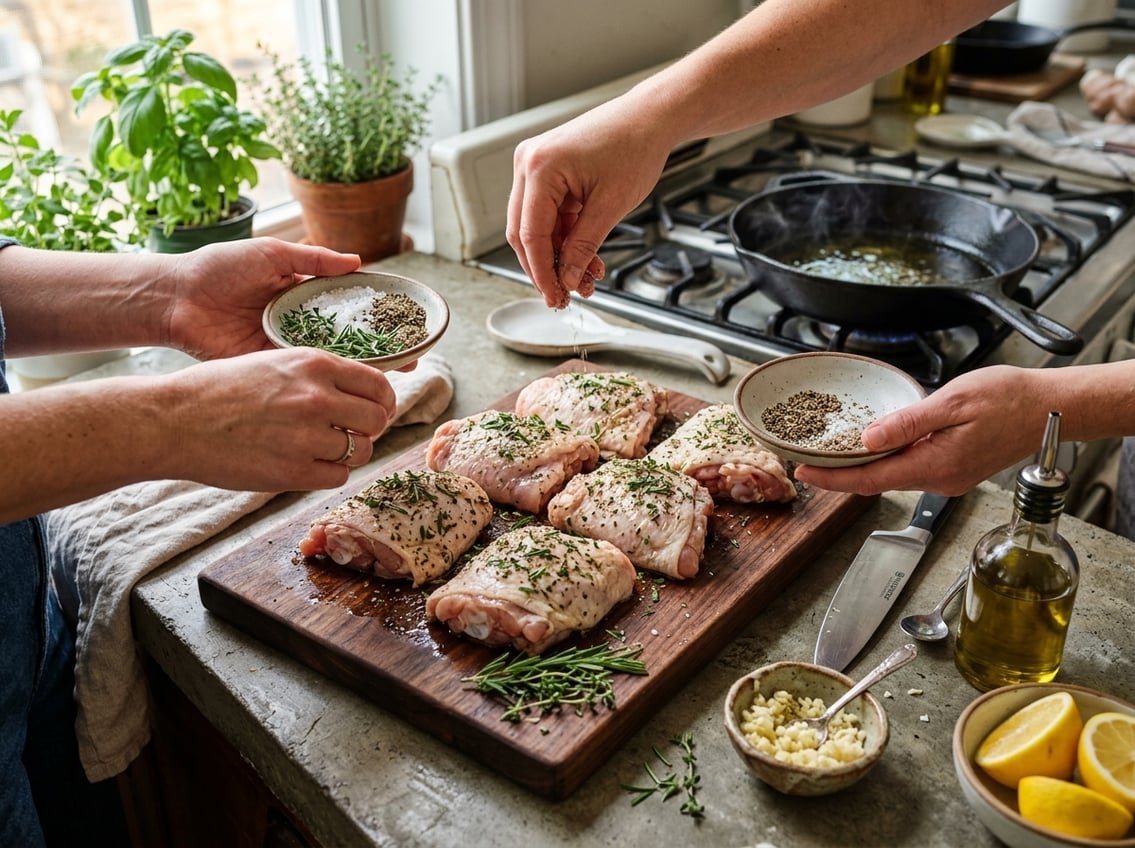
Choose a method based on time, desired texture, and whether you want crispy skin or shreddable meat.
Temperature control and surface dryness matter most for crisp skin, while low-and-slow or pressure cooking matters most for tender, pull-apart results.
Baking and Roasting Methods
Bake skin-side up on a wire rack over a rimmed sheet pan to keep the skin dry and allow fat to drip away.
Roast at 400–425°F for bone-in thighs (35–45 min) and 20–25 min for boneless.
Use an instant-read thermometer and pull bone-in at 175°F for tender collagen breakdown, boneless at 165–170°F to avoid dryness.
Pat thighs dry, salt ahead (30 minutes to overnight), and season just before roasting.
Leave space between pieces and avoid foil during cooking for even browning.
If you want extra-crispy skin, broil for 2–3 minutes at the end while watching closely.
Grilling and BBQ Perfection
Set up a two-zone fire for bone-in thighs.
Sear skin-side over direct high heat 4–6 minutes, then move to indirect heat and close the lid until internal temp reaches about 175°F.
For boneless thighs, grill over medium-high 5–7 minutes per side and target 165–170°F.
Brush with sauce in the last 3–5 minutes to prevent burning.
Move pieces off direct flames and trim excess fat to manage flare-ups.
Rest 5–10 minutes before serving so juices redistribute.
Air Fryer and Pan-Roasted Approaches
In the air fryer, pat thighs completely dry and cook skin-side up at 400°F: bone-in 22–28 minutes, boneless 16–20 minutes.
Don’t overlap pieces; work in batches for even circulation.
For pan-roasted results, start skin-side down in a cold or room-temp skillet to slowly render fat.
Increase heat to medium-high until crisp (7–12 minutes), flip, and finish in a 400°F oven until temps above.
Use cast iron for steady heat and transfer to the oven if pieces are thick.
Slow Cooker and Instant Pot Favorites
Slow cook bone-in thighs on low 6–7 hours or high 3–4 hours for shreddable, fall-apart meat.
Finish under a broiler for 3–4 minutes if you plan to crisp the skin later.
Instant Pot delivers similar tenderness fast: high-pressure 10–12 minutes with a natural release for bone-in thighs.
Use the pot to infuse sauces quickly, then remove and sear or broil to restore surface texture if needed.
Rest briefly before shredding or serving to preserve juices.
Saucy and Globally Inspired Chicken Thigh Recipes
These recipes use bold sauces, layered spices, and cooking methods that keep thighs tender while building flavor.
Try braises, glazes, and pan sauces you can spoon over rice, noodles, or roasted vegetables.
Asian-Style: Teriyaki, Shoyu, and Stir-Fry Delights
Use bone-in or boneless thighs for maximum flavor.
Sear skin-side down to render fat before adding sauce.
For teriyaki, combine soy sauce, mirin, sugar, and a splash of sake or rice wine.
Reduce until glossy, then finish with toasted sesame and scallions.
Shoyu chicken uses a soy-sauce-based braise: add garlic, ginger, sugar, and a little water or dashi.
Simmer until the thighs are fork-tender and the sauce coats the back of a spoon.
Stir-fry preparations work best with boneless thighs sliced thin.
Marinate briefly in soy and a teaspoon of oyster sauce, then cook quickly over high heat with vegetables.
Keep sauces concentrated (soy, oyster, starch slurry) so they cling.
Use high heat, avoid overcrowding, and finish with rice vinegar or lime for brightness.
Indian & Middle Eastern Curries and Tandoori Chicken
For curries like butter chicken or chicken curry, brown thighs first to develop color.
Simmer in a sauce made from tomatoes, cream or coconut milk, and a spice base (garam masala, turmeric, cumin, coriander).
Use bone-in thighs for depth; they release collagen that enriches the gravy.
Adjust heat with green chiles or cayenne and finish with fenugreek or garam masala for aroma.
Tandoori chicken uses a yogurt-spice marinade—garlic, ginger, garam masala, paprika, and lemon—left overnight for tenderizing.
Roast at high heat or broil to get charred edges.
Serve with cooling raita, naan, and a squeeze of lemon.
In Middle Eastern stews, combine thighs with preserved lemons, olives, or tahini-based sauces for savory-sour contrasts.
Brown first to build flavor, then use the Instant Pot for faster braises.
Mediterranean and European Braises
Braise thighs slowly in wine, tomatoes, or stock until falling-apart tender.
Chicken cacciatore pairs thighs with tomatoes, mushrooms, bell peppers, olives, rosemary, and a splash of red wine.
Simmer gently until the sauce reduces and concentrates.
For mustard sauce, brown thighs, deglaze with white wine, and whisk in Dijon and cream for a silky pan gravy.
French-style braises use aromatic mirepoix and long, low oven time.
The result is deeply flavored meat and a sauce that you can strain and reduce.
Braised chicken thighs also soak up herb-forward mixtures—thyme, bay leaf, and lemon zest work well.
Use the final braising liquid as a spoonable sauce over mashed potatoes or polenta.
Latin & Caribbean Flavors
In the Caribbean, brown stew chicken and adobo show how acid and spice tenderize thighs.
For Puerto Rican-style brown stew, marinate in sour orange or lime, garlic, oregano, and browning sauce.
Simmer with onions and peppers until the sauce clings to the meat.
Filipino chicken adobo uses soy sauce, vinegar, garlic, and bay leaves.
Simmer bone-in thighs until the liquid reduces to a tangy glaze.
The Instant Pot speeds this to a weeknight-friendly 20–30 minutes with pressure cook.
Finish by reducing the sauce on the sauté setting.
For Latin glazes, use orange, lime, achiote, or smoky paprika.
Serve with cilantro-lime rice, fried plantains, or pickled onions to cut the richness.
Quick and Easy Weeknight Chicken Dinners
Pick a reliable method and a few strong flavors.
Roast thighs with vegetables on a single sheet tray, simmer them into a grain or noodle bowl, or quickly stir-fry with a crisp vegetable.
Focus on timing so thighs stay juicy and sides finish at the same time.
Sheet-Pan Meals and One-Pot Wonders
Sheet-pan dinners give you crisp skin and roasted vegetables with minimal cleanup.
Arrange bone-in or boneless thighs on a rimmed baking sheet and tuck quartered potatoes, carrots, or halved Brussels sprouts around them.
Drizzle with oil and season with salt, pepper, garlic powder, and a squeeze of lemon.
Roast at 425°F (220°C) until internal temperature reaches 165°F (74°C) and vegetables are fork-tender, about 25–35 minutes depending on size.
One-pot versions move the same idea to a Dutch oven or skillet.
Sear thighs skin-side down to render fat, remove them, then sauté onions, garlic, and spinach or mushrooms.
Add rice, wild rice blend, or couscous with stock, nestle the thighs back on top, cover, and simmer until grains absorb liquid.
You get a tidy chicken over rice or chicken-and-wild-rice-style meal without juggling pans.
Chicken Thighs with Rice, Couscous, or Noodles
Pair thighs with quick-cooking grains to stretch the meal and soak up pan juices.
For rice, brown thighs first, then braise with aromatics and stock for a simple chicken over rice.
Finish with fresh herbs and lemon zest.
Use wild rice for nuttier flavor.
Convert to a soup by shredding cooked thighs into a broth with vegetables for a quick chicken and wild rice soup.
Couscous cooks in minutes and benefits from pan sauce and toasted almonds.
Stir in spinach at the end so it wilts but stays bright.
For noodle-based dishes, make a creamy chicken noodle casserole or a fast chicken fried rice.
Use day-old rice or pre-cooked noodles, add scrambled eggs, scallions, and soy-based sauce, then fold in sliced, cooked thighs.
Simple Stir-Fries and Sautéed Dishes
Stir-fries deliver dinner in 10–15 minutes when you prep ahead.
Cut boneless thighs into strips, marinate briefly in soy, ginger, and a touch of honey, then cook in a hot wok or skillet until caramelized.
Add quick-cooking vegetables like bell pepper, snap peas, and spinach.
Finish with a cornstarch-thickened sauce.
Sautéed thighs also work.
Sear whole or halved pieces, then deglaze the pan with wine or stock and add mustard, cream, or tomato to make a quick pan sauce.
Serve over noodles or toss with couscous for a fast, saucy dinner that highlights the thighs’ richness without long cooking times.
Creative Ways to Use Leftover Chicken Thighs
Leftover chicken thighs stay moist and flavorful.
Focus on quick reheats, moisture-adding sauces, and repurposing into new textures.
Shred, dice, or chop to match the dish, and always check storage times before using.
Salads, Wraps, and Sandwiches
Shred or dice leftover cooked chicken thighs and toss them into a crisp chicken salad made with Greek yogurt, Dijon, celery, chopped apple, and toasted almonds. Serve in a lettuce cup or on toasted sourdough.
For a classic chicken Caesar, slice the thighs thinly and warm briefly in a hot pan with a little oil. Combine with romaine, shaved Parmesan, and a tangy anchovy-free dressing for a faster, less fishy option.
Make quick wraps by mixing shredded thighs with salsa, black beans, and a squeeze of lime. Warm in a tortilla for a handheld meal.
Build a chicken banh mi by layering thinly sliced thighs, pickled carrots and daikon, cilantro, cucumber, and a smear of spicy mayo on a crusty baguette.
Store leftover chicken thighs under 40°F and use within 3–4 days. Reheat to 165°F for safety.
Casseroles, Pot Pies, and Baked Dishes
Dice thighs and use them in a creamy chicken tetrazzini. Combine with cooked pasta, mushrooms, peas, a light cream sauce, and a crisp breadcrumb topping, then bake until bubbling.
Cube the thighs for pot pie and toss with sautéed onions, carrots, peas, and a gravy made from pan drippings or stock. Top with a refrigerated pie crust or puff pastry and bake until golden.
Layer shredded thighs on a pizza with barbecue sauce, red onion, and smoked mozzarella. Bake for a quick weeknight pizza.
Mix long-grain rice, broth, thyme, and chunks of thigh meat for a rice-and-chicken casserole. Cover and bake until the rice is tender.
International Leftover Ideas
Simmer shredded thighs in coconut milk with curry paste, tomatoes, and spinach for an easy leftover chicken curry. Finish with lime and cilantro and serve over jasmine rice.
Slice thighs and toss with broccoli, bell pepper, garlic, ginger, soy sauce, and a touch of honey for stir-fry bowls. Serve over rice or egg noodles.
Use shredded thighs for quesadillas with Monterey Jack and pickled jalapeños. Fold into enchiladas with green salsa and cheese for a Mexican-inspired meal.
For a Vietnamese twist, add sliced thighs to a chicken banh mi sandwich or a cold rice noodle salad with herbs and nuoc cham dressing.
Family-Friendly and Comfort Food Favorites
These recipes use simple steps and pantry-friendly ingredients. They stretch a few thighs into multiple meals and keep prep manageable.
Hearty Soups and Stews
Make a one-pot meal by browning bone-in thighs, then simmering with carrots, celery, onions, and long-grain or wild rice for a classic chicken and wild rice soup. Finish with a squeeze of lemon or a splash of cream.
For a quicker option, shred cooked boneless thighs into a chicken stroganoff base with mushrooms, onions, a touch of mustard, and sour cream. Serve over egg noodles.
Crowd-Pleasing Casseroles
Make a chicken noodle casserole by mixing shredded thigh meat with cooked noodles, a simple white sauce or condensed soup, frozen peas, and a crunchy breadcrumb or crushed cracker topping. Bake until bubbly and golden.
Layer diced smothered chicken—onions and gravy reduced until glossy—over mashed potatoes in a baking dish. Bake briefly to meld.
Stuffed Dishes and Creative Twists
Try buffalo chicken stuffed sweet potatoes: roast sweet potatoes, toss shredded thigh meat in buffalo sauce, and top with blue cheese or ranch and scallions.
Butterfly thighs, flatten slightly, spread with a deviled chicken thighs filling (mustard, mayo, chopped pickles, paprika), roll and bake or pan-fry until golden.
Use fried chicken thighs whole as a crunchy contrast to softer sides, or shred fried meat into salads and sandwiches.
Tips for Storing, Reheating, and Serving Chicken Thighs
Store cooked or raw thighs promptly and control temperature. Reheat to a safe internal temperature while preserving moisture and texture.
Plan simple repurposes such as salads, tacos, or fried rice to turn leftovers into quick dinners.
Safe Storage and Maximum Freshness
Refrigerate cooked chicken thighs within two hours of cooking. Place them in shallow, airtight containers or wrap tightly in foil or plastic wrap to cool quickly and prevent drying.
Cooked leftovers stay safe for 3–4 days in the fridge. Label with the date to track freshness.
Freeze for longer storage using freezer bags or vacuum-seal; cooked thighs keep quality for 2–6 months.
Cool chicken completely before sealing for freezing and remove as much air as possible. Thaw in the refrigerator overnight.
For raw thighs, use within 1–2 days refrigerated or freeze immediately.
Best Ways to Reheat and Repurpose
Reheat to an internal temperature of 165°F (75°C). Use an oven at 350°F (175°C) with a splash of broth and foil for 15–20 minutes to retain juiciness and revive skin crispness.
An air fryer at 350–375°F for 5–8 minutes restores crisp texture. For boneless pieces, use a covered skillet over medium heat with a little oil or broth for 5–10 minutes.
Microwave only for quick reheats. Add moisture, cover, and use short bursts while checking temperature.
Repurpose leftover chicken by shredding thighs into salads, tossing into fried rice, folding into tacos or enchiladas, or adding to pasta with sauce. These options stretch meals and reduce waste while maintaining flavor.
Serving Suggestions and Sides
Pair crispy or roasted thighs with roasted vegetables, a simple green salad, or mashed potatoes.
Serve braised or sauced thighs with steamed rice, polenta, or buttered noodles.
For lighter meals, slice thigh meat over romaine and add cherry tomatoes, cucumbers, and a vinaigrette.
For heartier plates, combine thigh meat with a grain bowl of farro or quinoa, roasted root vegetables, and a lemony yogurt drizzle.
Add fresh herbs, a squeeze of citrus, or a finishing sauce to brighten reheated meat.
Plan portion sizes so each person gets one thigh for a main course, or two for larger appetites or leftovers.


