
What Happens If You Eat Raw Chicken Thighs: Health Risks and Prevention
If you bite into raw or undercooked chicken thighs, you risk ingesting bacteria like Salmonella or Campylobacter that cause foodborne illness. You may develop symptoms such as nausea, diarrhea, stomach cramps, and fever within hours to a few days.
Some infections can become serious without prompt care.
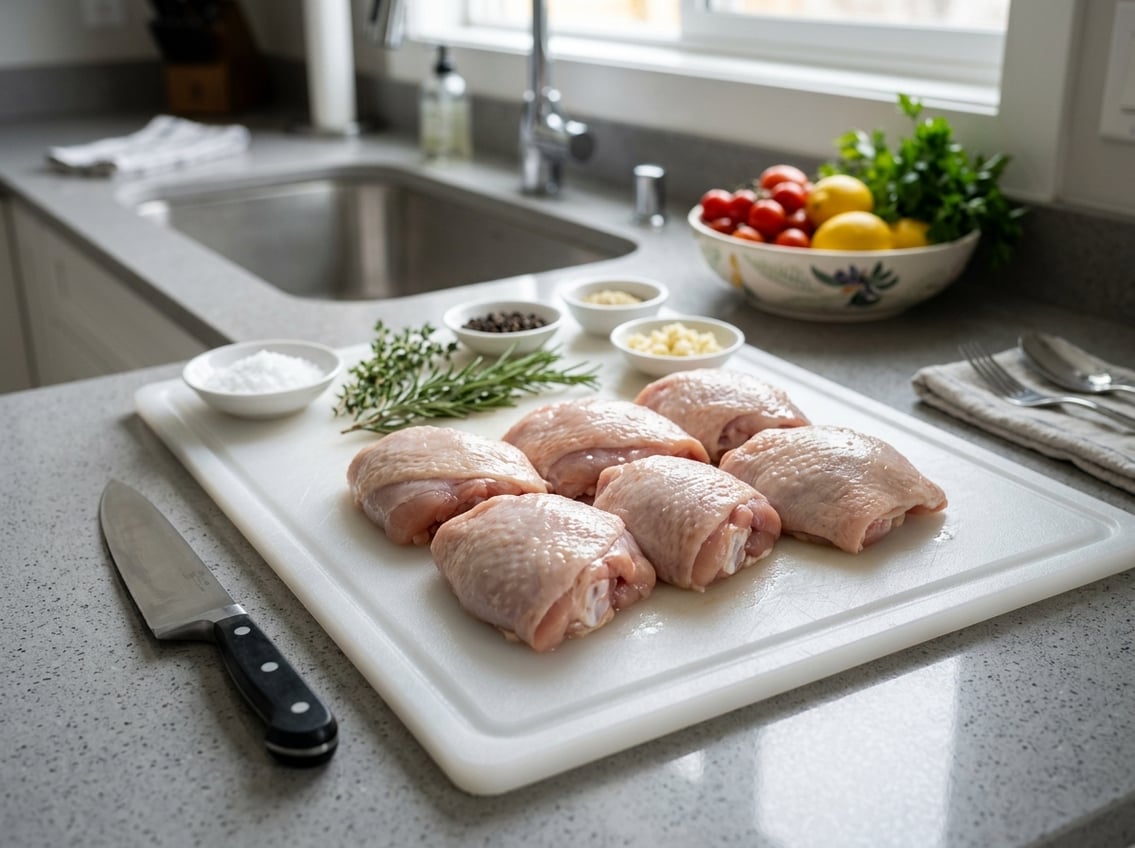
Raw chicken thighs can harbor pathogens and cause illness quickly. Knowing the risks and symptoms helps you decide when to treat at home or seek medical attention.
Why Raw Chicken Thighs Are Dangerous
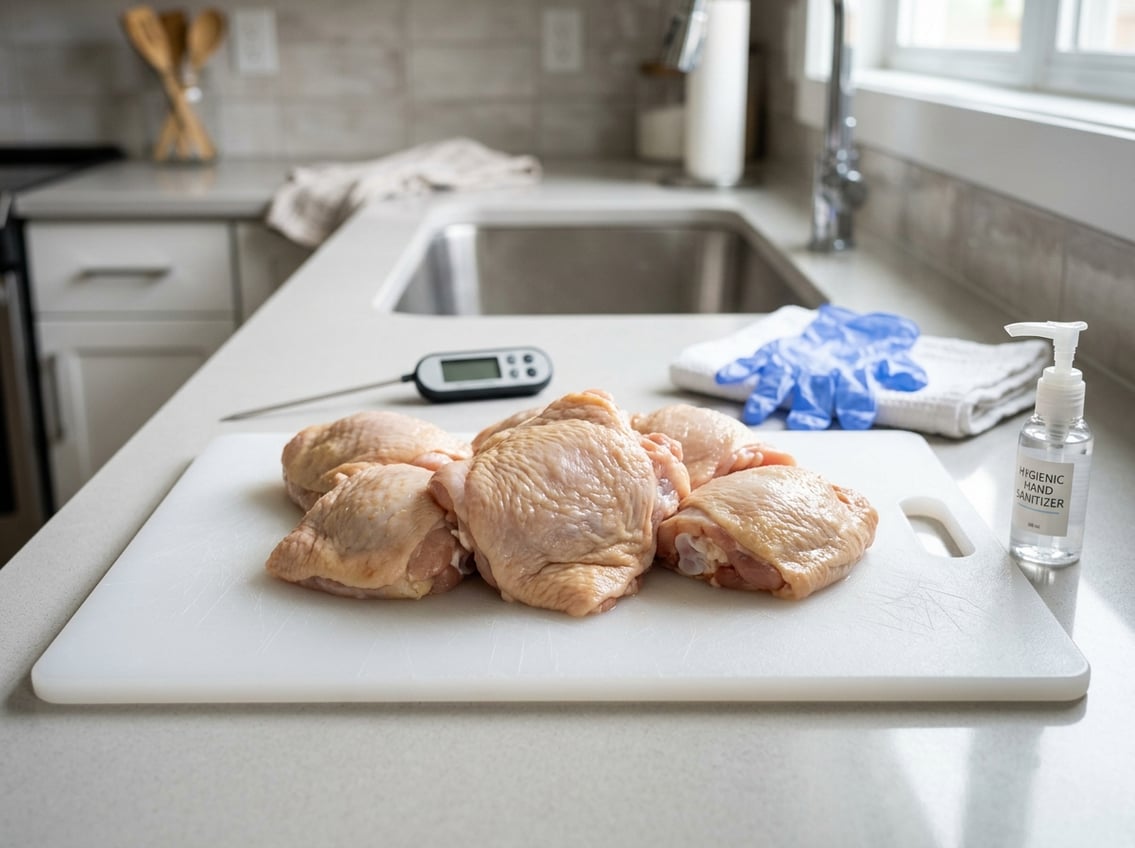
Raw chicken thighs carry harmful bacteria and present handling risks that increase your chance of foodborne illness. Cooking to 165°F and avoiding cross-contamination are the main ways to protect yourself.
Common Bacteria in Poultry
Chicken thighs often contain Salmonella and Campylobacter. These bacteria can cause diarrhea, fever, abdominal cramps, and vomiting within 6–72 hours after you eat contaminated meat.
Salmonella has many strains; some can cause severe infections that require antibiotics or hospitalization, especially in young children, older adults, and people with weakened immune systems.
Clostridium perfringens and certain strains of E. coli may also be present, though less commonly than Salmonella and Campylobacter. C. perfringens often causes watery diarrhea and abdominal pain and typically results from food held at unsafe temperatures.
E. coli from poultry is rarer but can cause serious complications if it produces toxins.
Contamination Sources and Risk Factors
Contamination can happen on the farm, during slaughter, or in your kitchen. Fecal contamination during processing often puts Salmonella and Campylobacter on chicken skin and muscle.
Cross-contamination happens when raw thigh juices touch cutting boards, utensils, or ready-to-eat foods. Risk factors you control include undercooking, improper refrigeration, and poor hand or surface hygiene.
If you cook thighs below 165°F, bacteria can survive. Leaving cooked chicken at room temperature for more than two hours (one hour above 90°F) lets C. perfringens multiply.
To protect yourself, use a calibrated food thermometer, wash hands and surfaces thoroughly, and store leftovers promptly.
Typical Onset and Symptoms of Food Poisoning
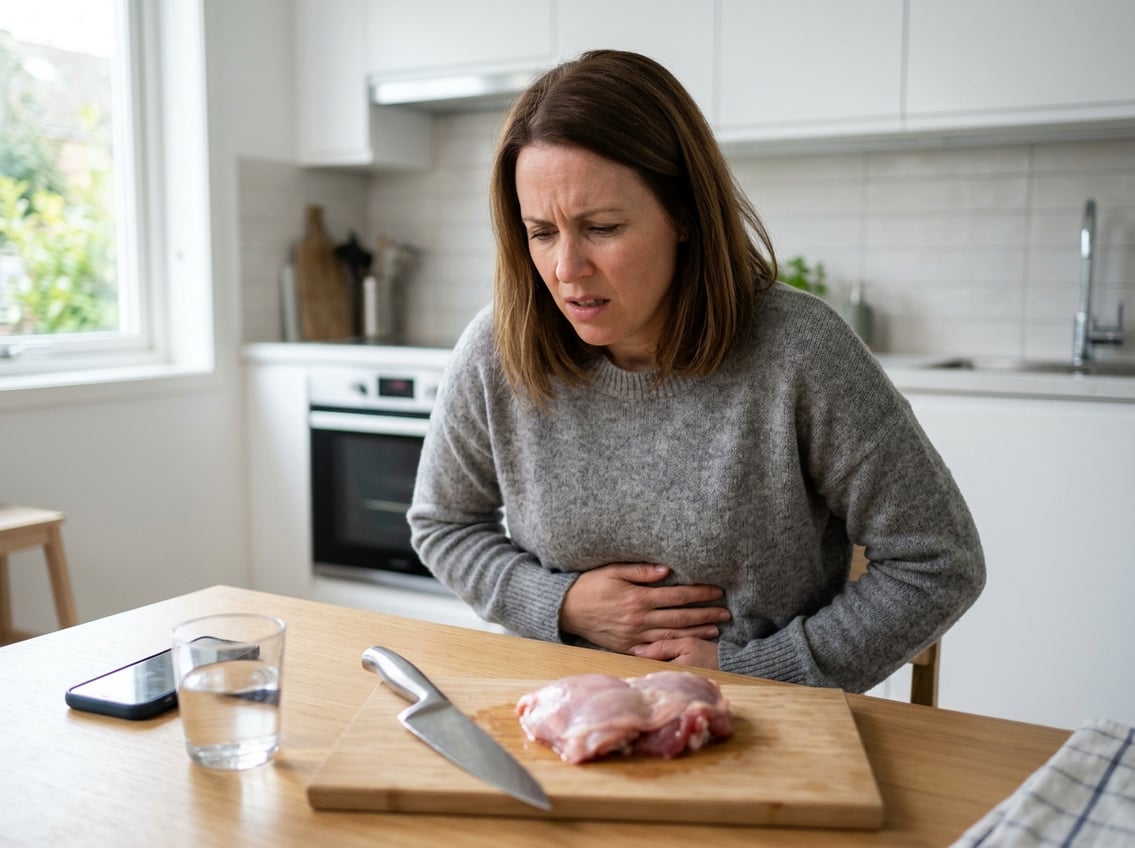
If you eat raw chicken thighs, symptoms often begin within hours to several days. You may experience nausea, vomiting, abdominal cramps, fever, and diarrhea that can sometimes be bloody.
Severity and timing depend on the specific bacteria and how much contaminated meat you swallowed.
Early Signs to Watch For
You may feel nausea and stomach discomfort within 6–24 hours after eating. Early symptoms often include a sudden queasy feeling, loss of appetite, and mild abdominal cramping.
Lightheadedness, sweating, or repeated burping can appear soon after nausea and suggest progressing illness. Monitor your temperature; a fever over 102°F (38.9°C) or chills indicates a stronger immune response.
If vomiting starts and you cannot keep fluids down, dehydration can develop quickly. Decreased urine output, dry mouth, or dizziness when standing are warning signs.
Progression of Gastrointestinal Symptoms
Diarrhea typically follows or accompanies vomiting and stomach cramps. Expect watery stools at first; with some infections, like Campylobacter or certain Salmonella strains, stools can become bloody as intestinal inflammation worsens.
Cramping often centers in the lower abdomen and can be intense. Some people have loose stools for a day, while others have diarrhea lasting several days.
If diarrhea persists beyond 72 hours or contains blood, seek medical care.
Fever, headache, and body aches may appear alongside GI symptoms. These systemic signs signal that the infection is more severe and that you may need tests or hydration therapy in a clinic or hospital.
Differences Between Bacterial Infections
Salmonella usually causes symptoms 6–72 hours after exposure: diarrhea, fever, and abdominal cramps are typical. Vomiting occurs in some cases, but bloody diarrhea is less common than with certain E. coli strains.
Campylobacter infection often starts 2–5 days after you eat contaminated poultry. Expect profuse abdominal cramps, high fever, and diarrhea that is frequently bloody.
Campylobacter often causes more severe cramping than Salmonella. Treatment needs differ: both require fluid replacement and monitoring, but bloody diarrhea, high fever, or persistent vomiting may prompt antibiotics or hospitalization.
Tell your clinician you ate raw chicken thighs so they can test specifically for Campylobacter and Salmonella.
Serious Health Complications
Eating raw chicken thighs can lead to severe complications beyond stomach upset. You can develop intense fluid loss, immune-triggered conditions, or invasive infections that require urgent medical care.
Dehydration and Its Risks
Severe vomiting and diarrhea from Salmonella or Campylobacter infection can strip your body of water and electrolytes quickly. You may feel dizzy, have a fast heartbeat, low urine output, confusion, or dry mouth.
Infants, older adults, and people with chronic illnesses face the highest risk. Treat dehydration early with oral rehydration solutions (ORS) that replace sodium and glucose.
Commercial ORS packets or a homemade mix (about 1 liter water, 6 teaspoons sugar, 1/2 teaspoon salt) work when you can keep fluids down. Seek emergency care if you cannot tolerate fluids, if you pass very little urine, or if you show signs of shock or severe confusion.
IV fluids in a clinic or hospital may be necessary to restore blood pressure and organ perfusion.
Guillain-Barré Syndrome and Reactive Arthritis
Certain bacterial infections from raw poultry, especially Campylobacter jejuni, can trigger immune responses that attack your nerves or joints days to weeks after the initial illness.
Guillain-Barré syndrome presents as progressive, symmetric weakness that can affect breathing. Early symptoms often start as tingling and weakness in the feet and hands.
Reactive arthritis causes joint pain, swelling, and eye or urinary symptoms that can persist for months. Both conditions are more likely in adults and those with specific genetic susceptibilities, but GBS is rare.
If you develop new weakness, difficulty breathing, or persistent joint inflammation after a gastrointestinal infection, go to the emergency department or see a neurologist or rheumatologist promptly.
Early diagnosis and treatment improve outcomes.
Septicemia and Typhoid Fever
If bacteria from raw chicken invade your bloodstream, you can develop septicemia (bloodstream infection). Septicemia causes fever, rapid heart rate, low blood pressure, and organ dysfunction.
Septicemia requires immediate hospitalization, blood cultures, and targeted IV antibiotics. Delay increases the risk of organ failure and death.
Although typhoid fever is caused by Salmonella Typhi, which is less commonly linked to household poultry in many countries, invasive non-typhi Salmonella strains can still cause bacteremia and focal infections.
High-risk groups—infants, the elderly, pregnant people, and immunocompromised individuals—are more likely to progress to invasive disease. If you have high fever, severe abdominal pain, or signs of systemic infection after eating raw chicken thighs, seek urgent medical evaluation for blood tests and intravenous treatment.
Treatment and When to Seek Medical Care
Treat mild symptoms at home with fluids and rest. Monitor for high fever, bloody stools, or signs of dehydration that require prompt medical care.
Managing Mild Symptoms at Home
If you have nausea, vomiting, or loose stools after eating raw chicken thighs, prioritize hydration. Sip oral rehydration solutions (ORS) like Pedialyte or homemade mixes (1 liter water, 6 tsp sugar, 1/2 tsp salt) to replace lost fluids and electrolytes.
Rest and avoid solid foods until vomiting subsides. Then reintroduce bland items such as toast, rice, bananas, or plain chicken only after full recovery.
Use over-the-counter anti-diarrheal medication (loperamide) only if advised by a pharmacist or clinician. Take acetaminophen or ibuprofen for fever and muscle aches if you tolerate oral intake.
Monitor urine output and skin turgor. Reduced urination, dark urine, or lightheadedness suggest worsening dehydration and need for medical evaluation.
Warning Signs Requiring Medical Attention
Seek medical care if you develop any of these: bloody diarrhea, persistent high fever (≥102°F / 39°C), severe abdominal pain, or inability to keep fluids down for 24 hours.
These signs raise concern for serious bacterial infections or complications that may require antibiotics or IV fluids. High-risk groups—young children, adults 65 and older, pregnant people, and anyone with a weakened immune system—should contact a clinician sooner, even for moderate symptoms.
Emergency care is warranted for confusion, fainting, rapid heartbeat, or signs of severe dehydration (very low urine output, dry mouth, sunken eyes). If your provider suspects invasive infection, they may order stool cultures, blood tests, and give IV fluids or antibiotics.
Follow up if symptoms persist beyond 72 hours or worsen despite home care.
Prevention: Safe Handling and Cooking Practices
Follow specific steps to stop bacteria from surviving and spreading in your kitchen. Use a reliable thermometer, keep raw juices away from ready-to-eat foods, and clean surfaces promptly.
Cooking Chicken to a Safe Temperature
Use a digital meat thermometer to confirm doneness. Insert the probe into the thickest part of the thigh without touching bone; the internal temperature must reach 165°F (74°C).
Let the thermometer sit for a few seconds to register accurately. If you cook a whole thigh with bone-in, check near the bone and at the deepest muscle.
Avoid relying on color or juice clarity alone. Some thighs can look cooked but still be under temperature at the bone.
If the meat hasn’t reached 165°F, continue cooking and recheck after a minute or two. When using a microwave or slow cooker, verify temperature in several spots because heat distribution varies.
Rest cooked thighs for 3–5 minutes so residual heat finishes the internal cooking.
Avoiding Cross-Contamination
Treat raw chicken as a contamination source and keep it separate from ready-to-eat foods. Store raw thighs on the bottom refrigerator shelf in a sealed container to prevent juices from dripping onto other items.
Use a dedicated cutting board for raw poultry. Label or color-code it if possible to avoid mistakes during busy prep.
Wash your hands for 20 seconds with soap after handling raw chicken and after cleaning surfaces. Clean knives, utensils, and countertops with hot, soapy water, then sanitize with a household bleach solution (1 tablespoon bleach per gallon of water) or an EPA-registered sanitizer.
Never place cooked chicken or fresh produce on plates or boards that held raw thighs unless those items have been washed and sanitized first.
Best Practices in the Kitchen
Use a reliable food thermometer and calibrate it regularly. Test it in boiling water (212°F) to ensure accuracy.
Cool leftovers in shallow, covered containers. Refrigerate them within 2 hours, or within 1 hour if the temperature is above 90°F.
Organize prep flow by placing raw items on the left and ready-to-eat items on the right. Keep sink access in the middle to improve efficiency and reduce cross-contact.
Replace cutting boards when they develop deep grooves where bacteria can hide. Wear disposable gloves if you have cuts on your hands and change them after handling raw meat.
Use a paper towel or single-use cloth to wipe up raw juices. Discard the cloth and sanitize the area afterward.


