
Why Chicken Breast Is Rubbery: Causes and Fixes
Rubbery chicken breast usually happens because of overcooking, undercooking, or poor chicken quality.
If you have ever wondered why your chicken is rubbery after a meal that seemed cooked through, the answer often lies in the heat, the cut, or the meat itself.
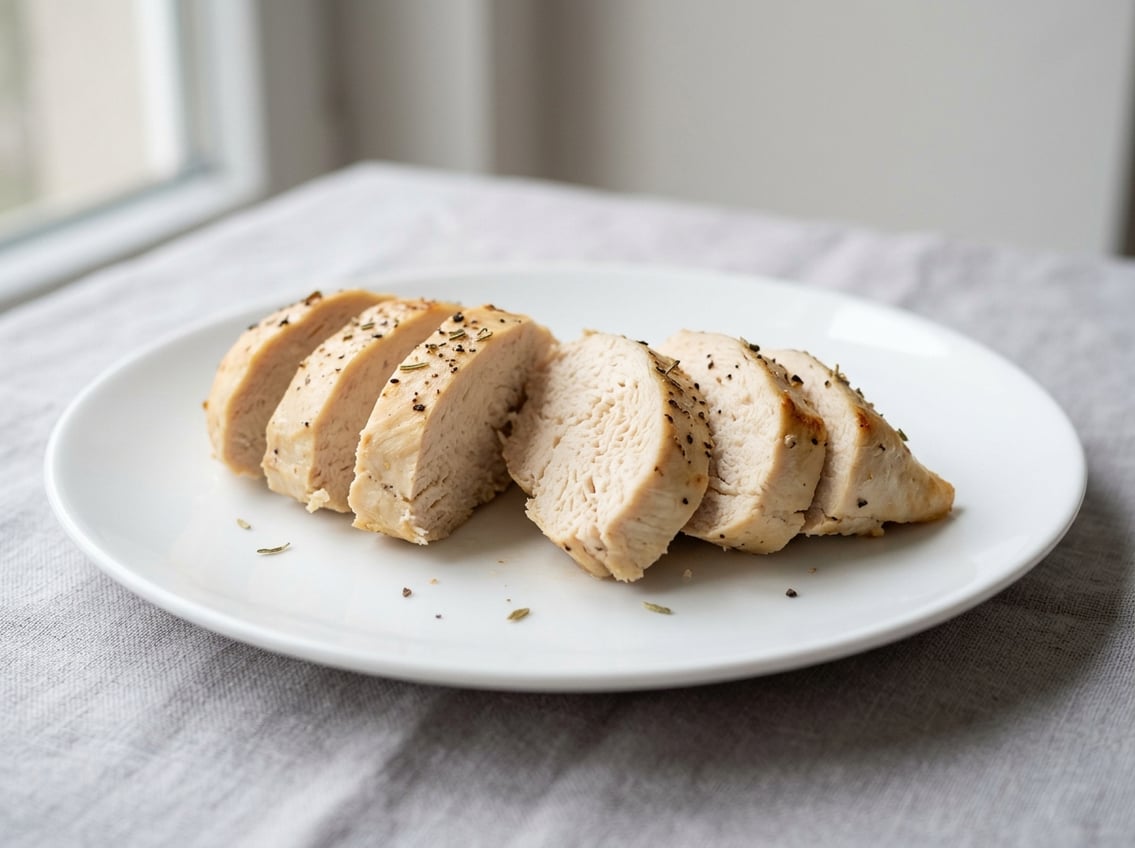
Rubbery chicken is frustrating because it can feel done and still taste tough.
In many cases, the meat is safe to eat, just not pleasant.
The main job is to figure out whether you have overcooked chicken, undercooked chicken, or a texture issue like woody chicken breast.
How to Tell What Went Wrong
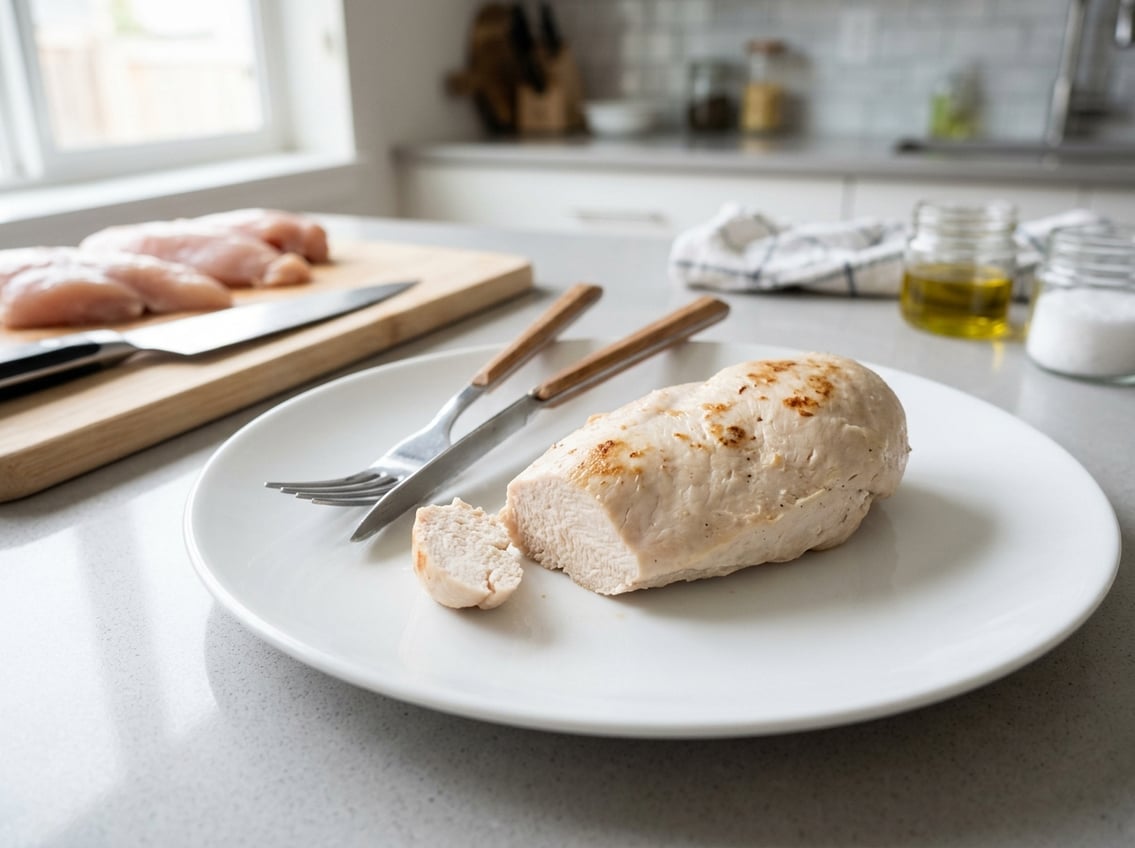
You can usually narrow the problem by looking at the texture, color, and juices.
A few simple checks tell you whether you need to cook longer, cook less next time, or change the chicken you buy.
Signs It Is Overcooked Rather Than Undercooked
Overcooked chicken often feels firm, dry, and stringy.
It may slice cleanly but chew like cardboard.
Undercooked chicken looks and feels different.
It is often glossy, soft in the center, and may wobble or feel jelly-like.
If you use a meat thermometer, you can check for the safe internal temperature of 165°F in the thickest part.
When Rubbery Texture Signals a Food Safety Issue
Rubbery texture is not always a safety problem, but undercooked chicken is.
If the center is still pink, shiny, or cool, keep cooking and use a meat thermometer to confirm doneness.
According to What Molly Made’s guide to rubbery chicken, you should not eat undercooked chicken until it reaches a safe temperature.
If you are unsure, temperature matters more than color.
How Woody Breast Feels Different From Dry Chicken
Woody chicken breast feels dense, tight, and springy in a way that dry chicken does not.
Dry chicken usually turns tough from moisture loss, while woody breast stays oddly firm even when cooked correctly.
Woody chicken breasts, sometimes called woody breast or woody chicken breast, often have a heavy, chewy bite.
The issue comes from the meat itself, not just your cooking method.
The Main Causes Behind the Texture
Rubbery texture usually starts before the chicken ever hits the pan.
Heat, shape, resting time, and meat quality all affect how the final bite feels.
Moisture Loss From Overcooking Chicken
Overcooking chicken causes a rubbery result most often.
As chicken cooks too long, it loses moisture, and the muscle fibers tighten.
That is why even a good recipe can fail if the heat is too high or the chicken stays on the burner too long.
To avoid overcooking, start checking temperature early and pull the chicken as soon as it reaches 165°F.
Uneven Thickness and High Heat Problems
A thick breast and a thin end do not cook at the same rate.
By the time the thickest part is done, the thinner part may already be dry and tough.
High heat makes this worse.
If the outside cooks too fast, the inside may still need time, which raises the chance of rubbery chicken and uneven texture.
Quality Issues Like Woody Chicken Breasts
Poor meat quality can make chicken rubbery from the start.
Woody chicken breast can feel dense and chewy even when cooked properly.
Buying high-quality chicken can help reduce this problem.
Some cooks also prefer organic chicken or smaller breasts with more even shape, since those often cook more predictably.
As noted by What Molly Made, woody breast and white striping are linked with rubbery texture.
Frozen, Cold, or Poorly Rested Chicken
Cold chicken placed straight into a hot pan can cook unevenly.
The outside may dry out before the center is ready, which leads to tough meat.
Frozen chicken that is not fully thawed can create the same issue.
Poorly rested chicken can also lose more juice when sliced, which makes the texture seem even drier.
How to Fix and Prevent Tough Results
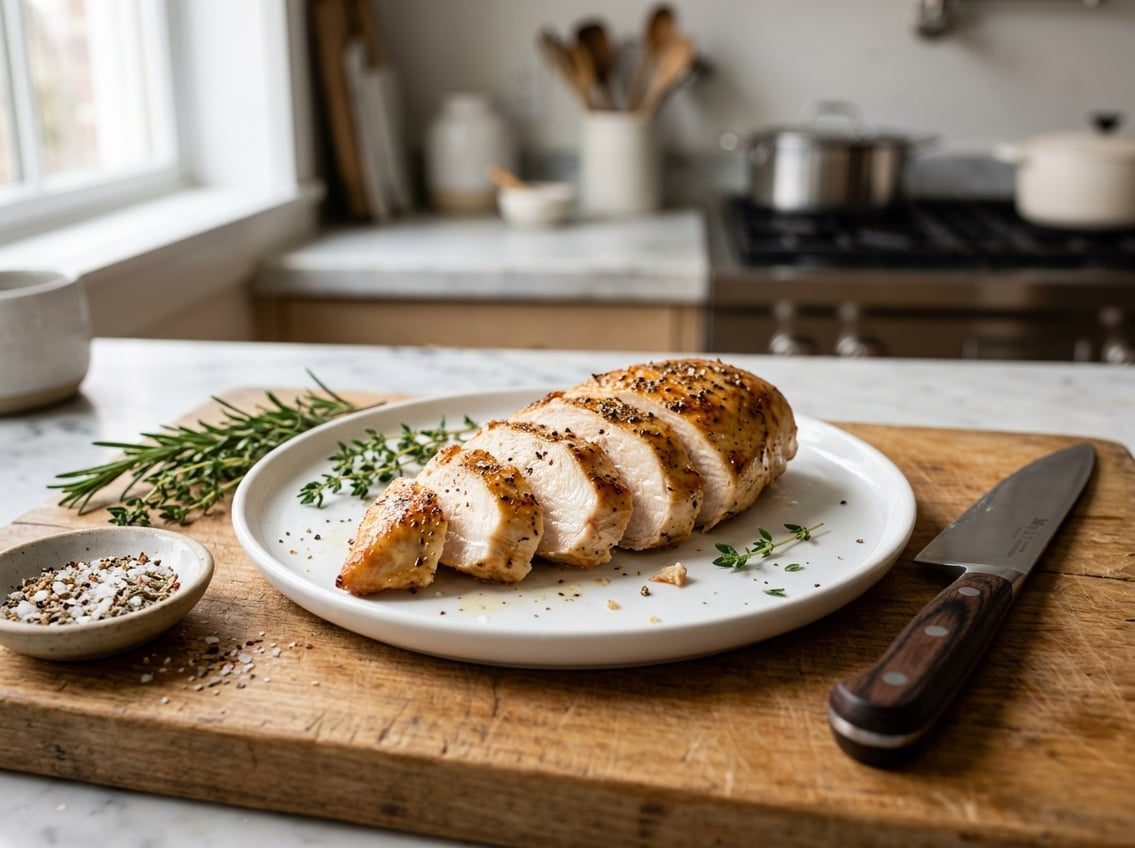
You can salvage rubbery chicken in many cases, especially if it is fully cooked.
The best prevention comes from better prep, gentler heat, and careful temperature checks.
How to Salvage Rubbery Chicken
Slice rubbery chicken thin or shred it, then add moisture back.
Sauce, broth, dressing, or a creamy filling can make the meat taste much better.
This works well for soups, salads, tacos, casseroles, and sandwiches.
If the chicken is only slightly tough, chopping it smaller can help soften the bite.
Prep Steps That Help Chicken Stay Juicy
Flatten thick breasts to an even thickness before cooking.
That helps the meat cook at the same rate, which reduces dry edges and underdone centers.
You can also let chicken sit out briefly before cooking so it is not ice-cold.
If you want another layer of protection, marinate or brine it.
Those steps help prevent rubbery chicken and keep the texture closer to tender chicken.
Cooking Habits That Prevent Dry, Chewy Meat
A meat thermometer gives you reliable results. Pull the chicken when the thickest part reaches 165°F and let it rest before slicing.
Use moderate heat to avoid rubbery chicken. Do not guess on time alone.
Buy high-quality chicken, including organic options when possible. This can give you more consistent texture and fewer issues with woody meat.


