
What Is the Meaning of Chicken Breast With Rib Meat?
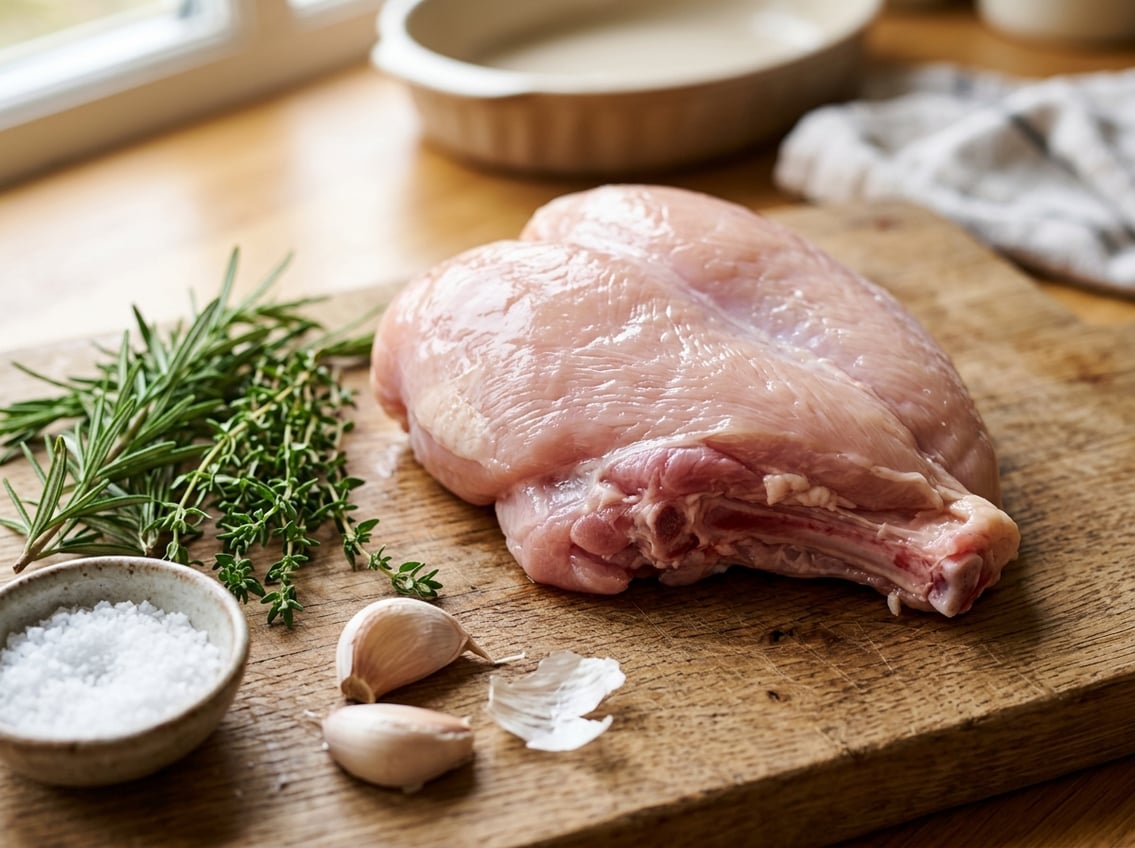
Chicken breast with rib meat means the chicken breast still has a small amount of meat attached from the rib area.
If you see this phrase on a package, you are buying a breast cut that includes a little extra meat near the bone.
That extra rib meat can change flavor, moisture, and nutrition a little, so the label matters when you compare products in the store.
Knowing what the term means helps you choose the right chicken breast for your budget, your recipe, and your diet.
What the Label Means on Chicken Packaging
On chicken packaging, chicken breast with rib meat means the breast still includes a portion of meat from the rib side of the bird.
Processors use this phrase in poultry processing to describe a cut that is mostly breast, with some rib meat still attached.
It is one of several chicken breast cuts, not a separate cut like thighs or wings.
That small amount of extra meat comes from the area where the breast meets the ribs.
You often see this in packaged chicken breast and in some bone-in chicken breast products.
Processors use this label when the breast is not trimmed down to only the main breast muscle.
How Rib Meat Is Attached to the Breast
Rib meat stays attached to the underside or side of the breast near the ribs.
You may see it as a thin strip, or it may blend into the breast piece.
How It Differs From Boneless, Skinless Breast
Boneless, skinless breast is trimmed more heavily.
It removes the skin, bone, and most attached extra meat, so the cut is more uniform.
Chicken breast with rib meat may weigh a little more and can have a slightly different shape.
Why Processors Leave It On
Processors leave rib meat on because it improves yield and reduces waste.
It can add a little more flavor and moisture.
Processors can sell chicken breast cuts without fully trimming every piece, which can matter when you compare chicken cuts by price per pound.
How It Changes Flavor, Texture, and Nutrition
Chicken breast with rib meat is still a lean protein.
The extra rib meat can change how it eats, with differences coming from fat, moisture, and the way the meat sits on the bone side of the breast.
Small changes in fat and moisture can change chicken flavor and texture.
Research shows that lipids play an important role in taste and aroma.
Why Rib Meat Can Add More Chicken Flavor
Rib meat often tastes a little richer than plain breast meat.
It sits closer to the bone and can carry a bit more fat and connective tissue, resulting in a slightly deeper chicken flavor.
Moisture, Fat, and Calorie Differences
The extra rib meat can add a little moisture during cooking, which may help the breast stay juicier.
It can also raise fat and calorie content a bit compared with a fully trimmed chicken breast.
The exact difference depends on the product and how much rib meat is included.
Is It Lower Quality or Just a Different Cut
It is not automatically lower quality.
It is a different trim level of chicken breast, and many shoppers like it for the added flavor.
If you want the leanest choice, plain boneless, skinless chicken breast is usually the better match.
How to Buy and Cook It Confidently
When you buy chicken breast with rib meat, focus on shape, color, and the full label.
It can work well in many recipes, especially when you want a little more flavor than a very lean breast gives you.
Cooking chicken with rib meat does not require a special method.
It can help to use even heat and avoid overcooking.
Chicken breast cuts cook best when the thickest part reaches a safe internal temperature without drying out.
How to Spot It in the Grocery Store
Look for the exact wording on the package.
If you see “with rib meat,” the product includes some attached rib-side meat.
You may find it on fresh chicken breast, bone-in chicken breast, or value-pack chicken cuts.
Best Uses for Cooking Chicken With Rib Meat
It works well for baking, grilling, pan-searing, and air frying.
The small amount of extra fat can help it stay moist in recipes with dry heat.
It is also a practical choice for casseroles, sandwiches, and meal prep.
When to Choose It Over Other Breast Options
Choose it when you want more flavor, a little more moisture, or a lower-cost breast option.
Choose boneless, skinless breast when you want the most uniform cut and the leanest profile.
Your best choice depends on the recipe and your nutrition goals.
Where You Commonly See It in Food Products
You will see chicken with rib meat in both raw poultry and prepared foods.
It shows up often because it gives processors more usable meat from each bird and helps keep products consistent in size and cost.
In the U.S. market, this label is common in grocery cases and in processed chicken products.
It is one of the more practical terms in poultry processing.
Packaged Raw Chicken vs. Prepared Foods
On raw chicken, the label tells you what is left on the cut.
On prepared foods, it can appear in ingredient lists or product descriptions for items made with breast meat.
The meaning stays similar, but the product just appears in a different form.
How It Shows Up in Processed Chicken Products
You may see it in frozen entrees, breaded chicken, nuggets, strips, and deli-style chicken items.
Processors use it because the cut is useful, affordable, and easy to work with.
It also helps products taste a little richer than very lean breast meat alone.
What Labels Can and Cannot Tell You
The label tells you the cut includes rib meat, but it does not tell you the full story about quality, freshness, or taste.
It also does not tell you exactly how much rib meat is present unless the packaging gives more detail.
To find that information, you need to check the nutrition panel, ingredient list, and price per pound.


