
What Is the Healthiest Way to Eat Chicken Breast? Best Methods
If you want the healthiest way to eat chicken breast, choose a lean cut, cook it with low or moderate heat, and keep added fat, salt, and heavy sauces to a minimum.
Skinless chicken breast works well because it is high in protein and low in fat, so the cooking method matters a lot.
The healthiest approach usually means poaching, steaming, baking, or grilling with careful temperature control.
Pair the chicken with vegetables, whole grains, or healthy fats for a balanced meal.
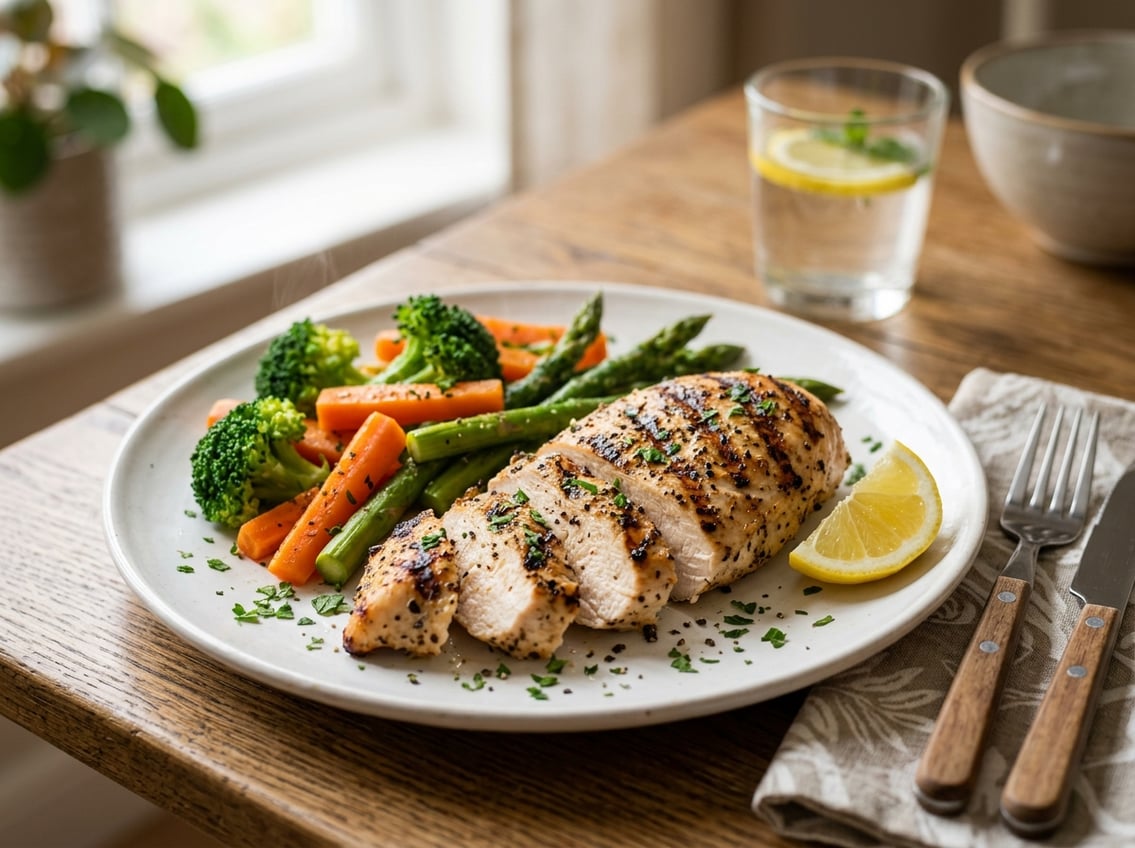
Your goal is not just to avoid fried chicken.
You also want to avoid overcooking, charring, and using sugary or salty sauces.
The best version of healthy chicken breast is tender, flavorful, and easy to use in everyday meals.
The Best Cooking Methods for a Healthy Plate
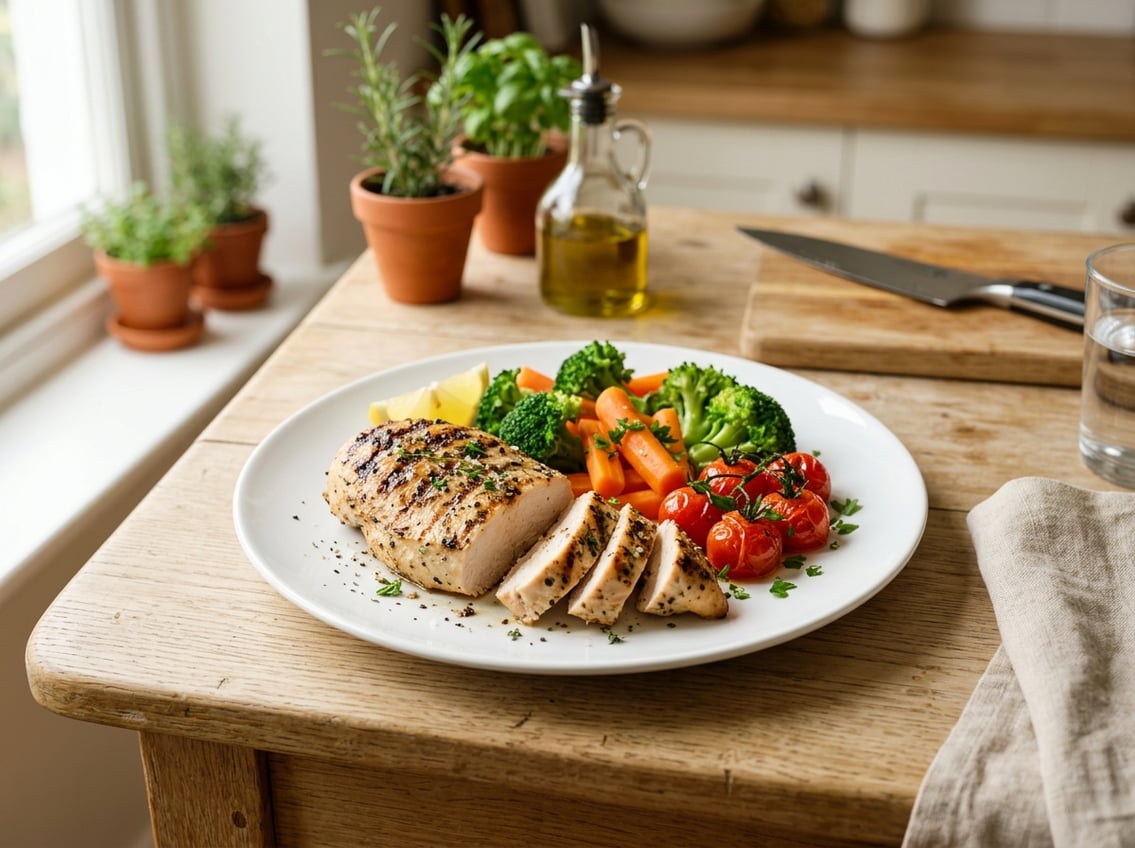
The best healthy cooking methods protect the lean protein in skinless chicken breast while keeping added fat low.
They also help you avoid dry, bland meat that pushes you toward rich sauces or extra salt.
Why Poaching Is Often the Smartest Choice
Poaching chicken uses gentle heat and a liquid like water or broth.
According to EatingWell’s guide on the healthiest way to cook chicken breast, poaching helps keep chicken tender and juicy while avoiding added fat and reducing the chance of harmful compounds from high heat.
Chicken breast is very lean.
When you poach it well, you get moist chicken that is easy to slice, shred, or cube for meals through the week.
How Steaming, Boiling, and Pressure Cooking Compare
Steaming is a solid choice because it uses moist heat and does not require oil.
Boiling is similar, though it can give you less control over texture if the heat is too high or the cooking time runs long.
Pressure cooking helps when you need speed.
It can keep chicken moist while cutting total cook time, which makes it practical for busy nights.
When Baked Chicken and Grilled Chicken Still Fit a Healthy Diet
Baked chicken fits a healthy diet when you avoid heavy breading and keep oil modest.
A meat thermometer helps you stop at the right point, since overbaking dries out chicken breast fast.
Grilled chicken can also be healthy, especially when you limit charring and use skinless chicken breast.
Grilling works best when you keep the heat steady and pull the chicken as soon as it reaches a safe internal temperature of 165°F.
How Cooking Method Changes Nutrition and Risk
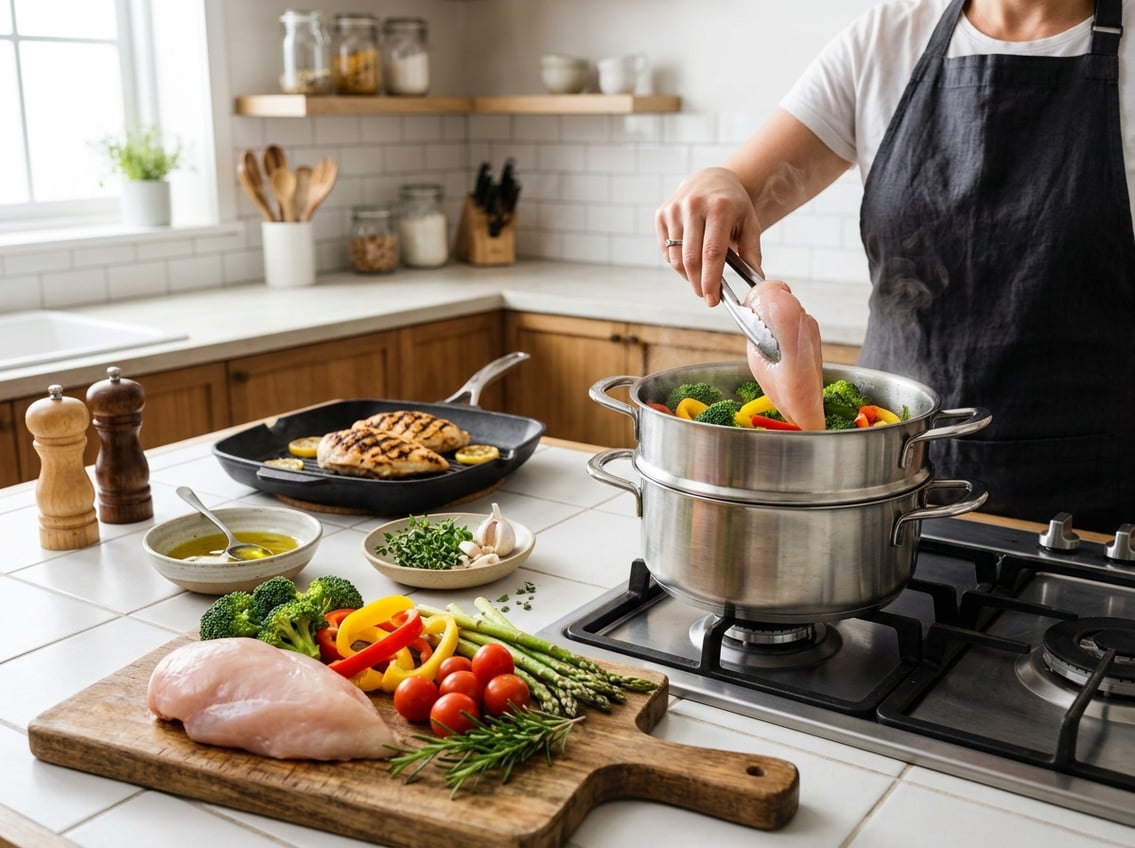
Cooking changes more than taste and texture.
It can also affect moisture, how much added fat you eat, and how many heat-related compounds form on the surface.
Moisture, Protein Quality, and Added Fat
Chicken breast is naturally lean, so dry heat can make it tough.
Moisture-rich methods like poaching and steaming help keep the texture better, making the meal more satisfying without needing butter, cream, or thick sauces.
Protein quality can shift with very intense heat.
Lower-heat cooking methods are gentler on the meat, while fried chicken and heavily browned grilled chicken can add extra fat and texture changes you may not want in a daily meal.
HCAs and PAHs From High-Heat Cooking
High heat can create heterocyclic amines (HCAs) and polycyclic aromatic hydrocarbons (PAHs).
These compounds form when meat is cooked at high temperatures or exposed to smoke and charring.
You do not need to avoid grilled chicken completely.
Use smart habits, like turning the chicken often, avoiding blackened spots, and using a meat thermometer so you can stop cooking as soon as the chicken is done.
How to Reduce Charring Without Giving Up Flavor
Marinating chicken helps a lot.
A marinade with lemon juice, herbs, garlic, or spices can add flavor and may reduce surface burning because it keeps the meat more forgiving on the grill.
You can also use medium heat, avoid sugary glazes until the end, and trim away heavily charred areas.
These small changes make grilled chicken a better fit for regular meals.
Building Balanced Meals With Chicken Breast
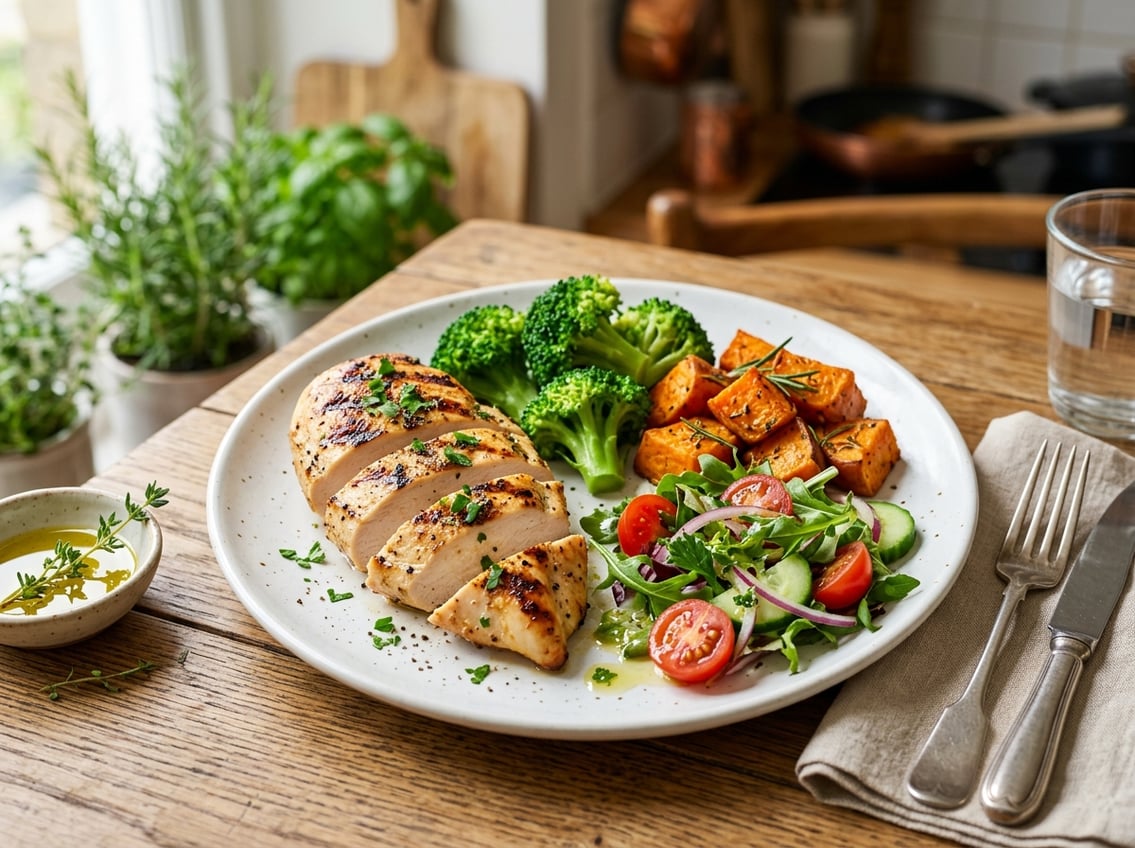
Healthy chicken breast recipes work best when the rest of the plate adds fiber, color, and healthy fats.
Chicken gives you the protein base, and the sides help turn it into a complete meal.
Simple Pairings That Add Fiber and Healthy Fats
A chicken meal prep box gets better with vegetables and slow-digesting carbs.
Try chicken with sweet potato, spaghetti squash, avocado, tomato, or a grain bowl built with brown rice or quinoa.
Small add-ins can carry a lot of flavor.
Feta, mozzarella, cilantro, and lime juice can brighten a plate without making it heavy.
Best Uses for Meal Prep, Salads, and Bowls
Poached or baked chicken works especially well for meal prep because it stays versatile.
You can use it in a salad, a grain bowl, or a wrap without changing the base recipe each time.
This approach makes chicken recipes easier to repeat during the week.
You cook once, then build different chicken breast recipes from the same batch.
Flavor-First Ideas That Stay Nutritious
Aim for bold seasoning, not heavy sauces.
Garlic, paprika, cumin, black pepper, oregano, and citrus can make healthy chicken breast recipes taste complete.
A simple mix of grilled chicken, tomato, avocado, lime juice, and cilantro gives you a balanced plate with fresh flavor.
It is a practical way to keep chicken recipes interesting without adding much extra fat or sodium.
Healthy Recipe Ideas for Everyday Rotation
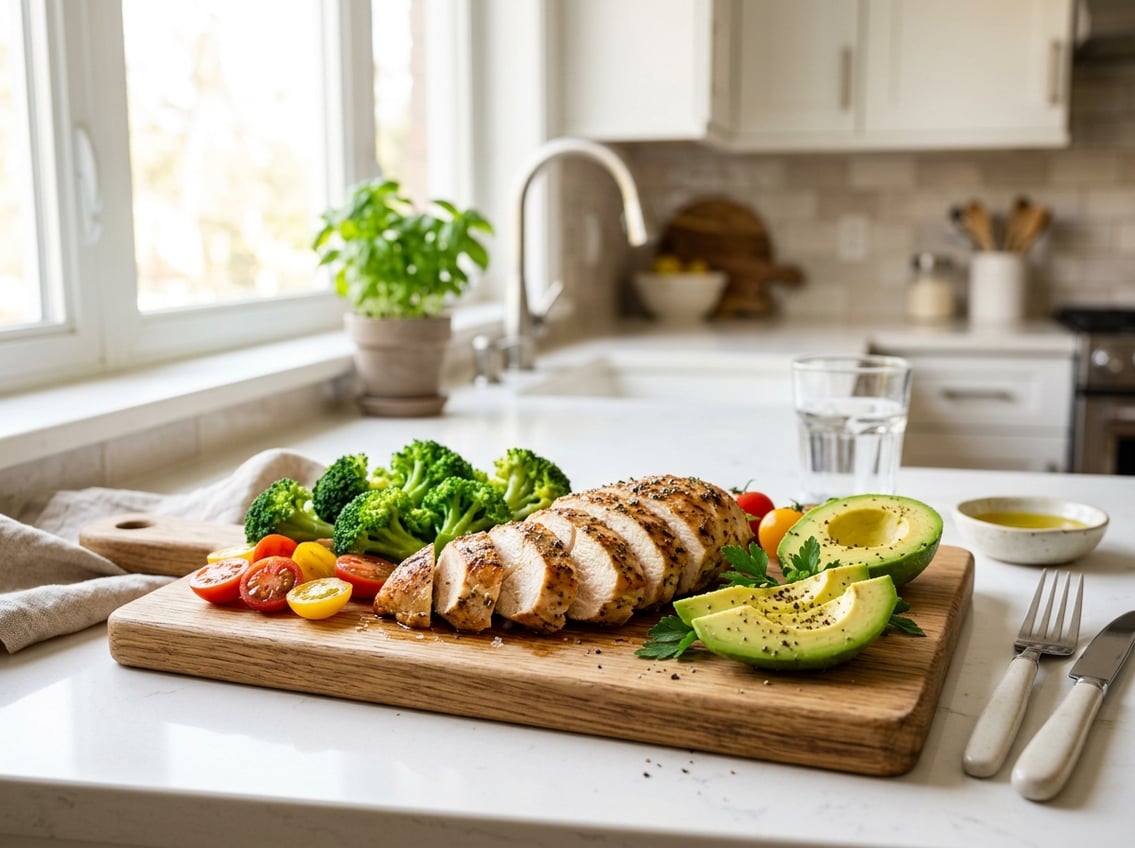
Keep a few reliable healthy chicken breast recipes you can repeat without getting bored.
A mix of mild, fresh, and more savory options helps your meals stay easy to plan.
Poached Chicken for Salads, Wraps, and Bowls
Poached chicken is one of the easiest bases for healthy chicken breast recipes.
It stays moist, shreds well, and works in salads, wraps, soups, and bowls.
A simple batch can handle several meals at once.
That makes it a strong choice for meal prep when you want quick lunches with minimal effort.
Better-for-You Options for Skillets, Stir-Fries, and Skewers
Chicken stir-fry stays light if you use plenty of vegetables and a sauce that is low in sugar and sodium.
Chicken skewers also work well when you keep the marinade simple and avoid sugary basting sauces.
If you want a richer pan meal, garlic butter chicken can still fit sometimes.
Garlic butter chicken bites taste best when you control the portion and serve them with vegetables or a lighter starch.
What to Know About Richer Favorites Like Garlic Butter and Honey Mustard
You can include honey mustard chicken in a healthy plan when you use the sauce as a flavor accent instead of the main ingredient.
The same idea works for garlic butter chicken and other richer favorites.
Marinate the chicken to build flavor early. Then keep the finishing sauce modest.
This approach gives you a better balance between taste and nutrition.
It also helps your chicken breast recipes stay useful for everyday eating.


