
Best Way to Cook Chicken Thighs for Shredding: Flavorful Methods and Pro Tips
You want juicy shredded chicken thighs that stay tender and full of flavor. The best approach is to cook them gently with enough seasoning and moisture so the meat pulls apart easily.
Poaching or slow braising, or a short sear followed by simmering, gives you consistently moist, flavorful shredded chicken thighs. Baking works well for hands-off batch cooking.
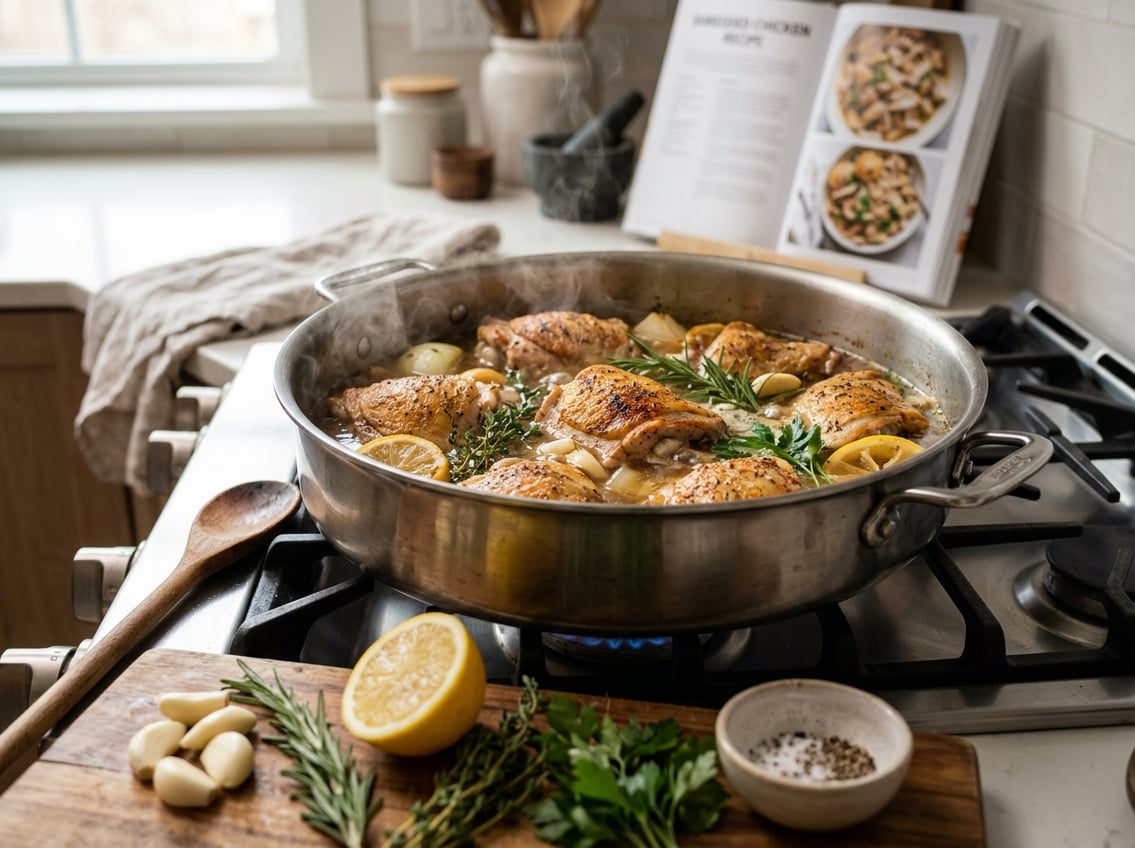
This post will walk you through choosing the right thighs, prepping them for maximum flavor, top cooking methods, simple shredding techniques, and how to store or repurpose leftovers.
Follow these practical steps and you’ll get juicy shredded chicken every time.
Selecting the Right Chicken Thighs
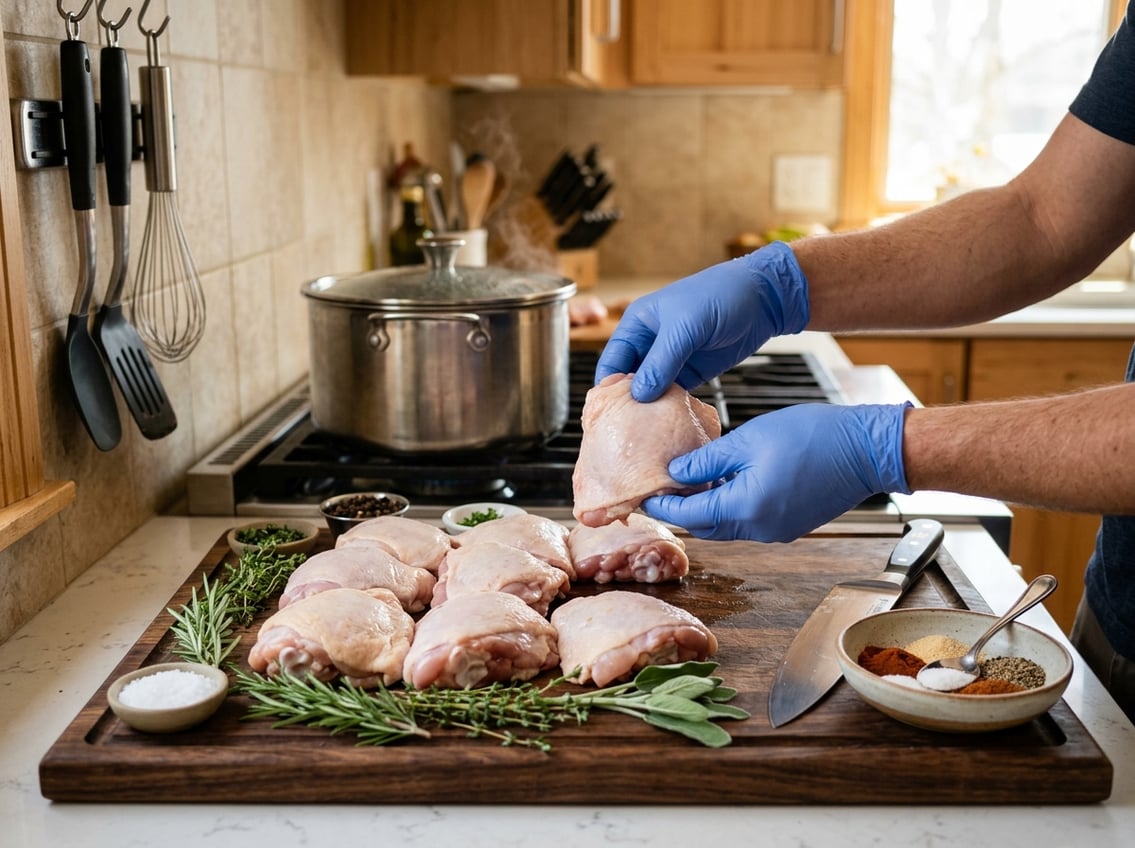
Choose thighs that balance fat, connective tissue, and ease of handling. This helps your shredded meat stay moist and pull apart cleanly.
Focus on cut (bone-in vs boneless), skin choices, and sourcing to match your cooking method and flavor goals.
Boneless vs. Bone-In Thighs
Boneless chicken thighs save you time trimming and shredding. They cook faster and are easier to pull apart with forks or a mixer.
If you need quick shredding for tacos, salads, or sandwiches, boneless skinless chicken thighs work well.
Bone-in thighs give you more flavor and slightly better moisture retention during long braises or slow-roasting. If you plan to cook low and slow, buy bone-in skin-on and remove bones after cooking. The meat often shreds more tenderly and tastes richer.
Boneless thighs have predictable portion sizes, while bone-in yields less edible meat per pound. If you use an Instant Pot or slow cooker, either works, but boneless reduces hands-on time.
Choosing Skinless or Skin-On
Skin-on thighs develop richer flavor and protect meat during higher-heat searing or roasting. If you’re finishing in the oven or pan-searing before shredding, keep the skin on to render fat and baste the meat. Discard skin after cooking if you don’t want it in the final shredded product.
Skinless thighs cut down on fat and reduce splatter when braising or poaching. For recipes where you want leaner shredded chicken or a cleaner broth, choose boneless skinless chicken thighs.
If you plan to shred immediately after cooking, skinless speeds prep. If you want maximum succulence and plan to skim fat or strain juices before shredding, start with skin-on and remove the skin after cooking.
Quality and Sourcing Tips
Look for thighs labeled fresh or properly refrigerated. Avoid slimy or strong-smelling packages.
Check pack dates and choose uniform pieces so cooking time stays consistent. Prefer thighs from reputable suppliers or labeled with clear farming practices.
Pasture-raised or air-chilled thighs often have cleaner flavor and less water retention than conventionally processed meat. Buy slightly more than your recipe calls for to account for bone and trimming loss when using bone-in thighs.
For bulk shredding, freeze-thaw quality matters. Avoid previously frozen packages unless they were vacuum-sealed to preserve texture.
Preparation for Best Results
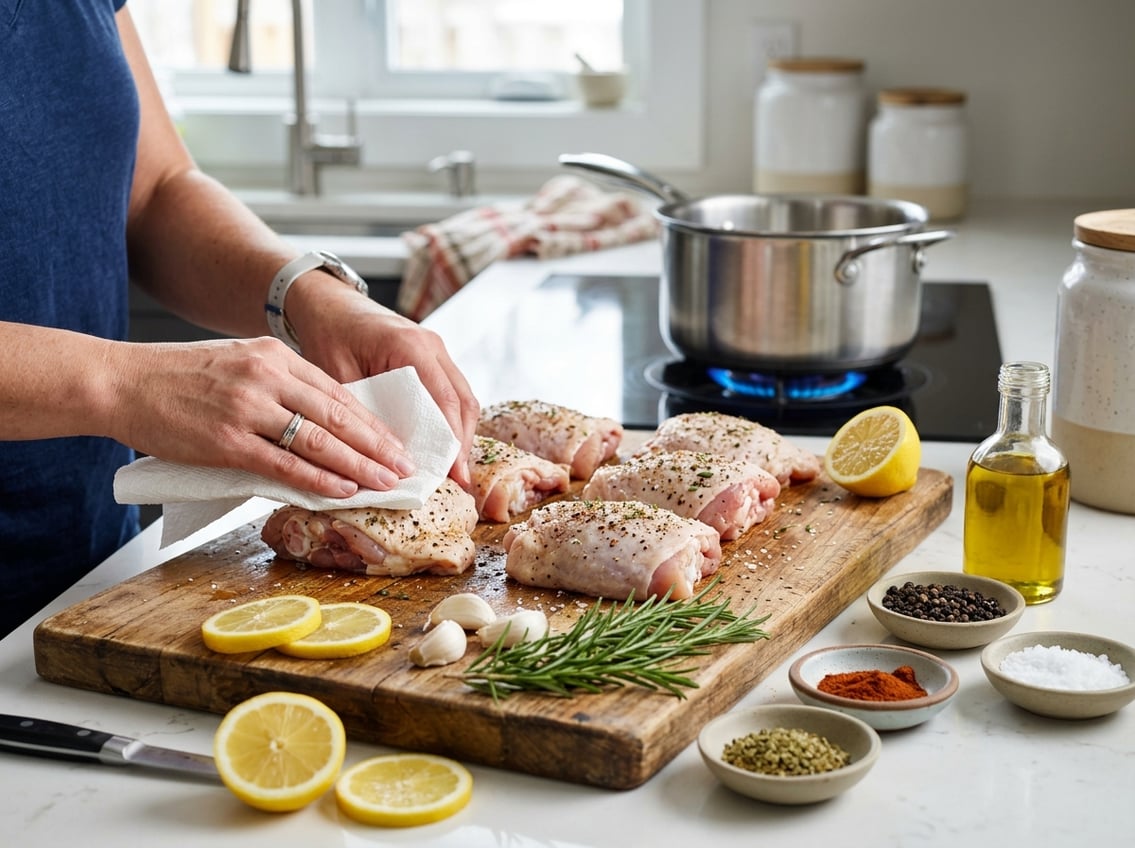
Start with bone-in, skin-on thighs when possible and remove excess moisture before seasoning. Trim away loose fat and silver skin, then choose a seasoning or marinade that complements your recipe.
Trimming and Cleaning
Pat thighs completely dry with paper towels to promote browning and reduce splatter. Use a sharp boning knife or kitchen shears to trim ragged pieces of skin, large fat deposits, and any visible tendon or silver skin.
If you’re using bone-in thighs, leave the bone during cooking for better moisture and flavor, then shred off the bone after resting. For boneless thighs, remove excess fat and check for small bone fragments.
Always wash hands and sanitize surfaces after handling raw poultry.
Ideal Seasonings and Marinades
Season with kosher salt (about 3/4–1 tsp per pound) and freshly ground black pepper to enhance the natural chicken flavor. Add aromatics like garlic powder, onion powder, and a pinch of smoked paprika for depth.
For tacos, add cumin and oregano. For barbecue-style shredded chicken, include brown sugar and chili powder in the dry rub or use a vinegar-based marinade.
Marinate 30 minutes to overnight depending on acidic ingredients. Limit citrus or vinegar to a few hours if you want softer shredding results.
Top Cooking Techniques for Shredding
Choose a technique that keeps thighs moist and reaches 165°F at the thickest point. Use gentle, even heat and enough cooking time for connective tissue to break down so the meat pulls apart easily.
Poaching Chicken Thighs
Poaching uses simmering liquid to cook thighs gently, producing very moist, shreddable meat. Place thighs in a single layer in a pot and cover with cold water or stock.
Add salt, garlic, bay leaf, and peppercorns for flavor. Bring to a gentle simmer and maintain 180–190°F until a thermometer reads 165°F in the thickest part.
Let the thighs rest in the poaching liquid off heat for 5–10 minutes. Shred while slightly warm for cleaner strands.
Poaching is fast and best when you want neutral-flavored chicken to dress with sauces or spices later.
Stovetop Sautéing and Simmering
Brown thighs skin-side down in a large skillet to render fat and develop flavor. Use medium-high heat and a light coating of oil.
After browning, add a cup of stock, tomatoes, or a sauce, reduce heat to low, cover, and simmer until the meat hits 165°F and is easy to pull apart. This usually takes 20–35 minutes depending on size.
Use the pan sauce with the shredded meat for tacos, sandwiches, or soups.
Baking in the Oven
Arrange thighs in a single layer on a rimmed sheet or baking dish and season or marinate as desired. Bake at 375–400°F for 25–35 minutes for boneless thighs, or 35–45 minutes for bone-in, until the internal temperature reaches 165°F and the meat pulls apart easily.
Cover with foil for the first half of baking to retain moisture, then uncover to let skin or edges brown if desired. Let the thighs rest 5–10 minutes before shredding to preserve juices.
Baking gives consistent results when you need to cook larger batches. Toss the warm shreds with the pan juices to boost flavor and moisture.
Slow Cooking and Pressure Cooking
For the slow cooker, place thighs with aromatics and 1/2–1 cup liquid (stock, salsa, or sauce) and cook on low for 4–6 hours or high for 2–3 hours. The low-and-slow approach breaks down collagen thoroughly, producing very tender shreds.
For the pressure cooker or Instant Pot, use 3/4–1 cup liquid and cook boneless thighs 8–10 minutes on high pressure (bone-in 10–12 minutes), then release pressure. Check for 165°F and shred directly in the pot, mixing shreds into the cooking liquid to keep them moist.
Both methods work well for meal prep. Choose slow cooking for hands-off, deeply tender meat. Choose pressure cooking when you need shredded chicken quickly.
Shredding Techniques Explained
Choose a method that matches the quantity you cooked, the texture you want, and the tools you have on hand.
Two Forks Method
Use this when you want control over shred size and you’re working with a few pieces of warm chicken thighs. Place a thigh on a cutting board or shallow pan.
Hold the meat steady with one fork and pull it apart with the other, working from one end to the other to create long, even strands.
Shred while the meat is still warm for the best texture. Rest the thighs 5 minutes after cooking, then shred to keep juices in the meat.
If you want larger pieces, use your hands instead of forks.
Using a Stand or Hand Mixer
This method speeds shredding for larger batches and produces consistent, fine shreds. Transfer warm, trimmed thighs to a large bowl.
For a stand mixer, fit the paddle attachment, start at low speed and increase briefly until the meat pulls apart. For a hand mixer, hold the bowl steady and use short bursts.
Avoid overmixing; stop as soon as strands form. If the chicken is too hot it can break down into mush, and if it’s cold it won’t shred easily.
Use this technique for pulled chicken in tacos, enchiladas, or meal prep when you need uniform texture.
Shredding by Hand and with a Blender
Hand-shredding gives the most rustic texture and is ideal for chunkier salads or sandwiches. Tear warm thighs apart with your fingers into irregular pieces.
A blender or food processor can work for very fine, saucy shredded chicken but requires caution. Pulse briefly with a few short bursts; use the blade at low speed and check frequently.
Add a tablespoon or two of cooking liquid if the meat feels dry to help the blades move. Stop once you see small, flaky pieces suitable for casseroles or spreads.
Storing and Freezing Shredded Chicken Thighs
Store cooled shredded chicken in airtight containers, portioned for intended recipes. Label each package with date and contents.
Freeze only when chicken has fully cooled to preserve texture and safety.
Refrigerator Storage Best Practices
Keep shredded chicken in the coldest part of your fridge at or below 40°F (4°C). Use shallow, airtight containers or resealable bags to speed cooling.
Fill containers no more than 1–2 inches deep so the center chills quickly. Use within 3–4 days for best quality and safety.
If you seasoned the chicken, note the flavor on the label so you can match it to recipes later. Reheat only the portion you’ll eat.
If you plan to mix shredded chicken into salads or cold dishes, store dressing separately and combine just before serving.
How to Freeze and Defrost
Portion shredded chicken into meal-sized amounts before freezing to avoid thawing more than you need. Flatten bags into 1-inch-thick rectangles for fast, even freezing and easier stacking.
Remove as much air as possible or use a vacuum sealer to reduce freezer burn. Label each package with date and use within 3 months for best taste.
To defrost, move a package to the refrigerator overnight. For faster thawing, submerge a sealed bag in cold water, changing water every 30 minutes until pliable.
Reheat thawed chicken to 165°F (74°C) before eating. If you use a microwave or stovetop, add a splash of broth or sauce to restore moisture.
Maximizing Freshness
Store shredded chicken with a small amount of sauce or broth when appropriate to minimize moisture loss. This preserves juiciness during both refrigeration and freezing.
Rotate older packages to the front and follow FIFO (first in, first out). Freeze portions within two hours of cooking to meet food-safety standards.
Label with the cook date and intended use to save time and prevent flavor surprises later.
Creative Ways to Use Shredded Chicken
Shredded chicken adapts to bold Tex-Mex flavors, creamy comfort dishes, and bright, crunchy salads. Use it as the main protein, a binder in casseroles, or a quick topping to turn pantry staples into a full meal.
Chicken Tacos and Enchiladas
Start with shredded chicken as the base for tacos and enchiladas. It absorbs sauces well and keeps its texture under heat.
For tacos, toss warm shredded chicken with lime juice, cumin, smoked paprika, and chopped cilantro. Serve on warmed corn tortillas with diced onion, fresh salsa, and a drizzle of crema or yogurt.
For enchiladas, mix chicken with shredded cheese and a few tablespoons of enchilada sauce. Fill tortillas, roll them, place seam-side down, and cover with more sauce and cheese.
Bake until bubbly. Reserve some pan juices or broth to keep the filling moist.
Try these flavor ideas:
- Buffalo: toss with hot sauce and add blue cheese crumbles.
- Green chile: fold in roasted poblano and tomatillo salsa.
- BBQ: mix with barbecue sauce and top with pickled red onion.
Salads and Sandwiches
Shredded chicken makes salads and sandwiches quick and balanced. For salads, combine chicken with romaine or mixed greens, grape tomatoes, avocado, and toasted pepitas.
Dress with lemon-mustard vinaigrette or creamy ranch. Classic chicken salad blends chicken with mayonnaise or Greek yogurt, diced celery, green apple, and chopped tarragon or parsley.
Adjust the mayo-to-yogurt ratio for your preferred richness. Serve chicken salad on whole-grain bread, croissants, or inside butter lettuce leaves.
For warm sandwiches, mix chicken with BBQ or Alfredo sauce, pile on sourdough, top with cheddar or provolone, and grill until golden. Add pickles or arugula for freshness.
Soups and Comfort Dishes
Shredded chicken works well in soups because it stays tender and distributes flavor evenly.
For classic chicken noodle soup, use a clear chicken broth. Add shredded chicken near the end and simmer just long enough to heat through so the meat doesn’t dry out.
Include carrots, celery, and wide egg noodles. Finish with chopped parsley and lemon for brightness.
For creamier options, stir shredded chicken into a creamy chicken noodle soup or a chowder base with potatoes and corn.
Fold the chicken into the sauce instead of boiling it to keep textures pleasant.
Use leftover shredded chicken in casseroles like chicken pot pie or rice bakes. Combine with a binding sauce, vegetables, and a crispy topping.
For snackable appetizers, mix chicken with cream cheese, hot sauce, and cheddar to make buffalo chicken dip. Bake until bubbly and serve with crackers or veggies.


