
Is It Normal for Chicken Breast to Be a Little Pink? Safety Guide
Sometimes, chicken breast can be a little pink and still be safe to eat. Pink color alone does not always mean the chicken is unsafe, but you should never rely on color by itself to judge doneness.
The safest way to know your chicken breast is done is to check the internal temperature with a meat thermometer. When the chicken reaches 165°F in the thickest part, it is safe to eat, even if a small amount of pink remains.
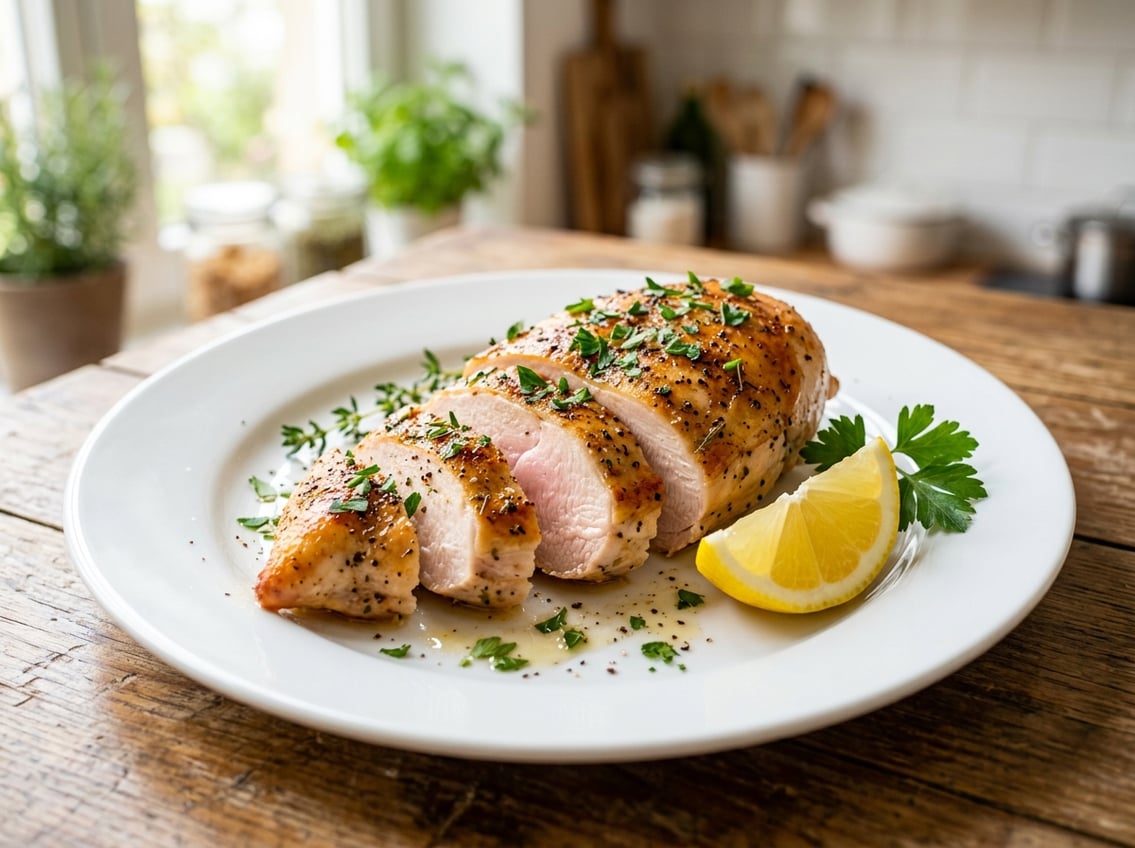
A little pink can show up for several reasons, including the cut of meat, the cooking method, or contact with bone. Smoking or certain seasonings can also cause pinkness.
The key is knowing when pink chicken is harmless and when it is a sign of undercooked chicken.
When Slight Pinkness Is Safe
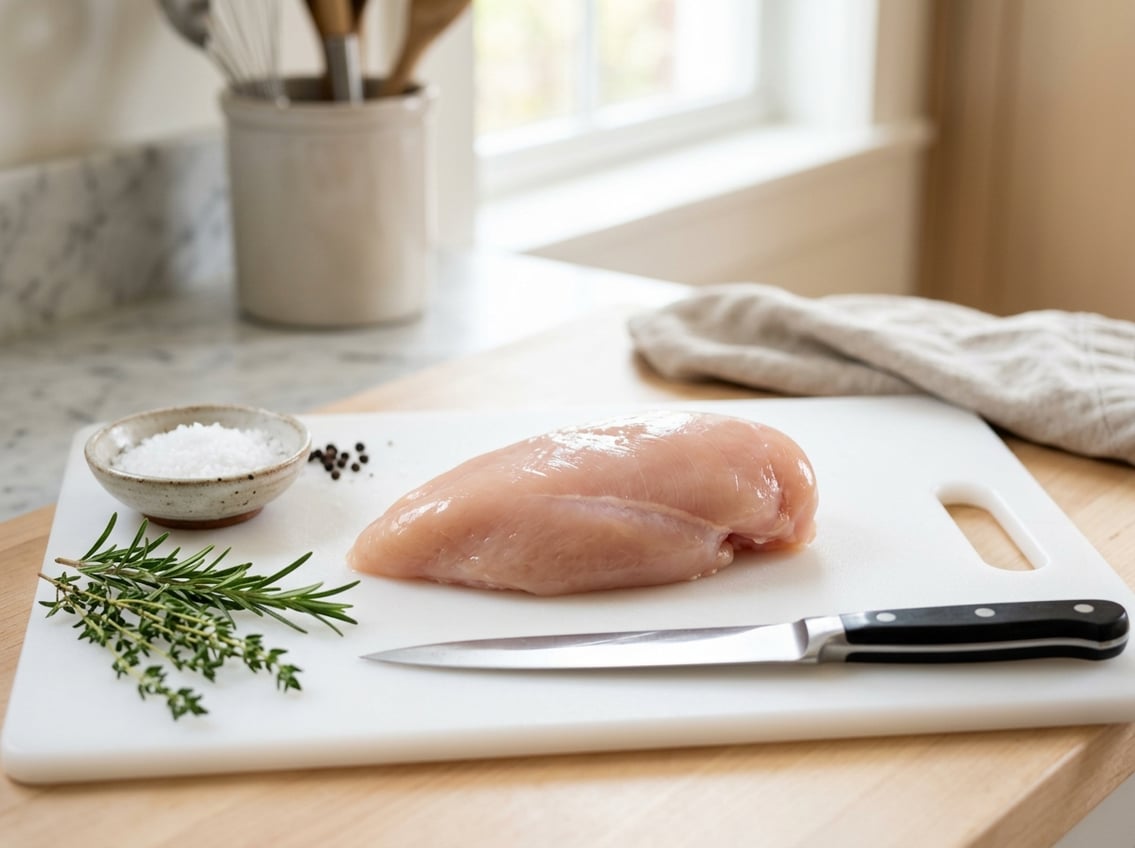
A small pink tint in chicken breast can be normal when the meat has reached a safe temperature. You should focus on the meat thermometer, not color alone.
Cooked chicken can still show some pink and raw chicken can sometimes look less pink than expected.
Why Color Alone Is Not a Reliable Doneness Test
Heat, moisture, bone contact, and cooking style can all affect how the meat looks even after it is fully cooked. That is why a pink center is not enough to call chicken unsafe.
How Myoglobin, Bone Proximity, and Freezing Affect Breast Meat
Myoglobin is a protein in meat that can keep chicken looking pink, especially near the bone. Chicken breast can also stay pink near bones because the area heats differently.
Frozen and thawed chicken may also keep more color in spots, especially if it was frozen quickly or cooked from partially frozen. According to MeatChefTools, safe cooking to 165°F matters more than color alone.
Why Smoked or Oven-Cooked Chicken Can Stay Pink
Smoking can leave chicken pink because smoke compounds affect the color of the meat. Oven cooking can do the same, especially if the chicken was brined or cooked with certain marinades.
That pink color can look alarming, yet the meat may still be safe if the temperature is right.
How to Know Chicken Breast Is Fully Cooked
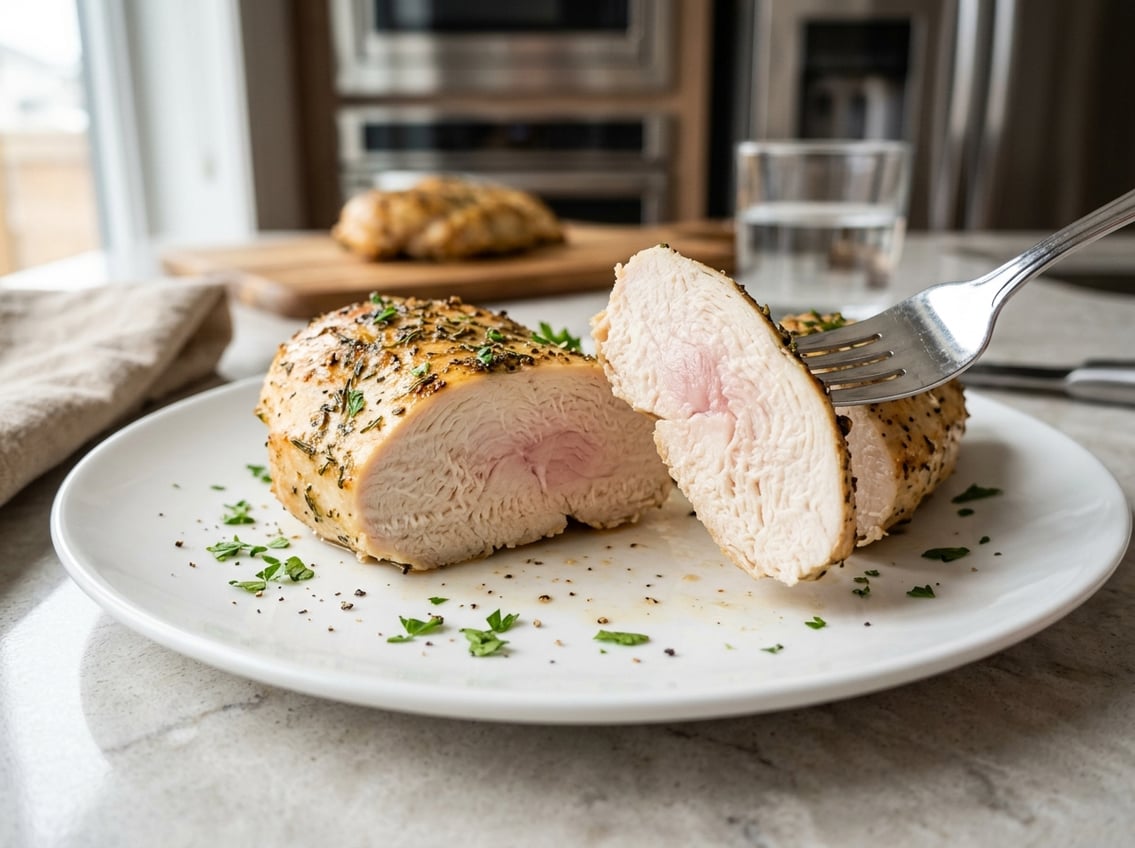
Use a meat thermometer to check doneness. Texture and juices can help support the result, but they should not replace a temperature check.
The Safe Internal Temperature for Chicken Breast
Chicken breast is safe at 165°F (74°C). That temperature kills harmful bacteria that can live in undercooked chicken.
If you remove chicken before it reaches 165°F, it may still be undercooked even if the outside looks done. The USDA guidance is echoed in many cooking guides, including Recipe Fairy’s chicken doneness guide.
Where to Insert a Meat Thermometer for an Accurate Reading
Insert the meat thermometer into the thickest part of the breast. Avoid touching bone, because bone can give a false reading.
If the chicken breast is uneven, check more than one spot.
Texture, Juices, and Other Clues That Support Temperature Checks
Fully cooked chicken usually feels firm, not soft and jelly-like. The juices should run clear, not pink or cloudy.
These clues are helpful, yet they can mislead you if used alone.
Signs the Chicken Should Not Be Eaten
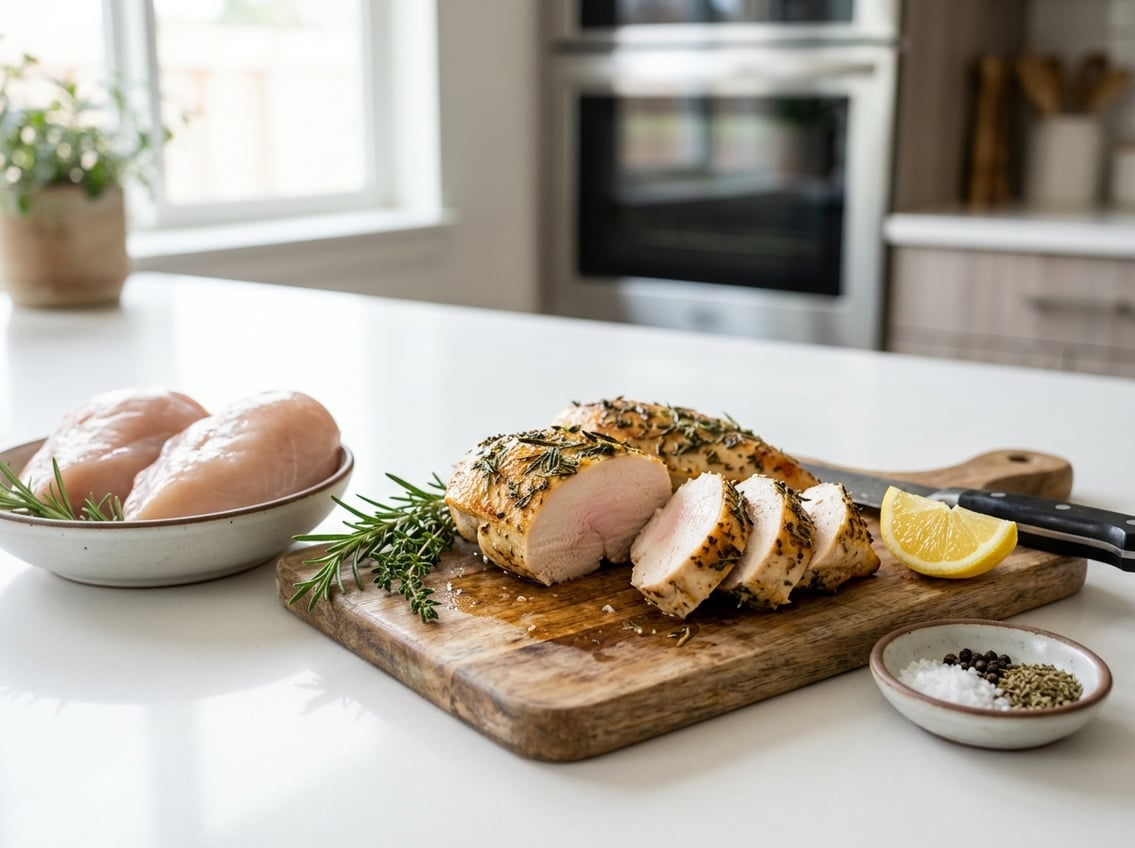
Some pink is normal, yet raw-looking texture or clear signs of undercooked chicken should stop you from eating it. If the meat looks glossy, feels soft in a raw way, or gives off pink juices, cook it longer.
What Undercooked Chicken Looks and Feels Like
Undercooked chicken often looks translucent or rubbery in the middle. The fibers may still seem loose and wet instead of opaque and firm.
If you cut into chicken breast and see raw-looking meat around the center, it is not ready. A little pink is not the same as raw, so you need to judge both color and texture with care.
Food Safety Risks From Salmonella and Campylobacter
Undercooked chicken can carry harmful bacteria such as salmonella and campylobacter. These germs can cause food poisoning with stomach cramps, diarrhea, vomiting, and fever.
The risk is higher for children, older adults, pregnant people, and anyone with a weaker immune system.
What to Do If You Cut Into Chicken and It Seems Raw
Put it back on the heat right away. Keep cooking until the center reaches 165°F in the thickest part.
If the chicken was left out for too long, smelled off, or had a slimy feel before cooking, discard it. For spoilage signs, EatingWell’s chicken safety guide gives practical tips on what to watch for.
Cooking Tips to Avoid Confusion and Overcooking
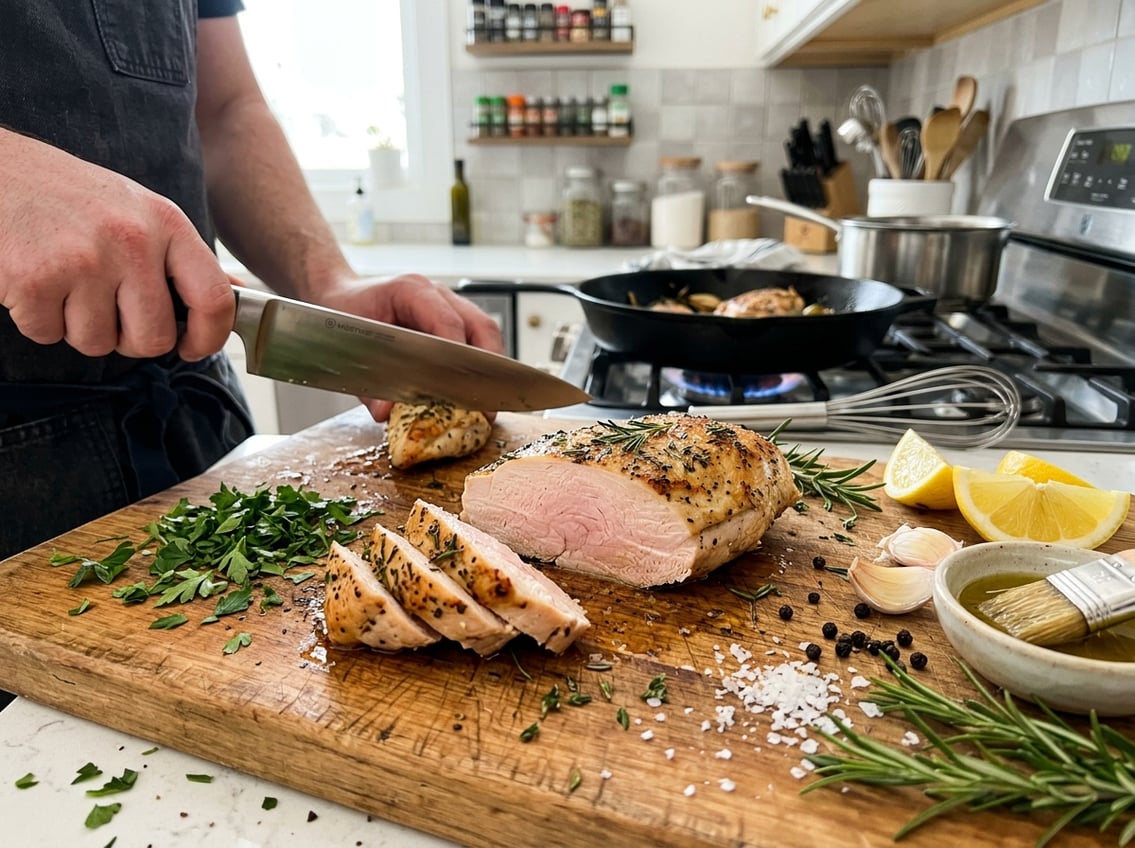
Even cooking helps reduce guesswork. A thermometer, steady heat, and proper resting time can give you juicy chicken without turning the outside dry.
How to Cook Chicken Breast Evenly
Pound thicker breasts to a more even thickness so they cook at the same rate. You can also cook them over moderate heat instead of blasting the outside too fast.
If one end is much thicker, that end may stay pink while the thinner part dries out. Even thickness makes temperature control much easier.
When Resting Time Changes the Appearance
Chicken often looks a little different after it rests. Juices settle, and the meat may look less shiny or more uniformly cooked.
Resting does not raise the temperature enough to fix raw chicken, so do not use resting as a safety step. It only helps the meat hold moisture and finish setting up.
Why Thermometer-Based Cooking Prevents Dry Chicken
A meat thermometer lets you stop cooking at the right moment instead of guessing.
Overcooking dries out chicken breast fast.
Many home cooks pull chicken at 165°F and get safe, juicy meat.
If you want fewer pink surprises and less dryness, use temperature-based cooking.


