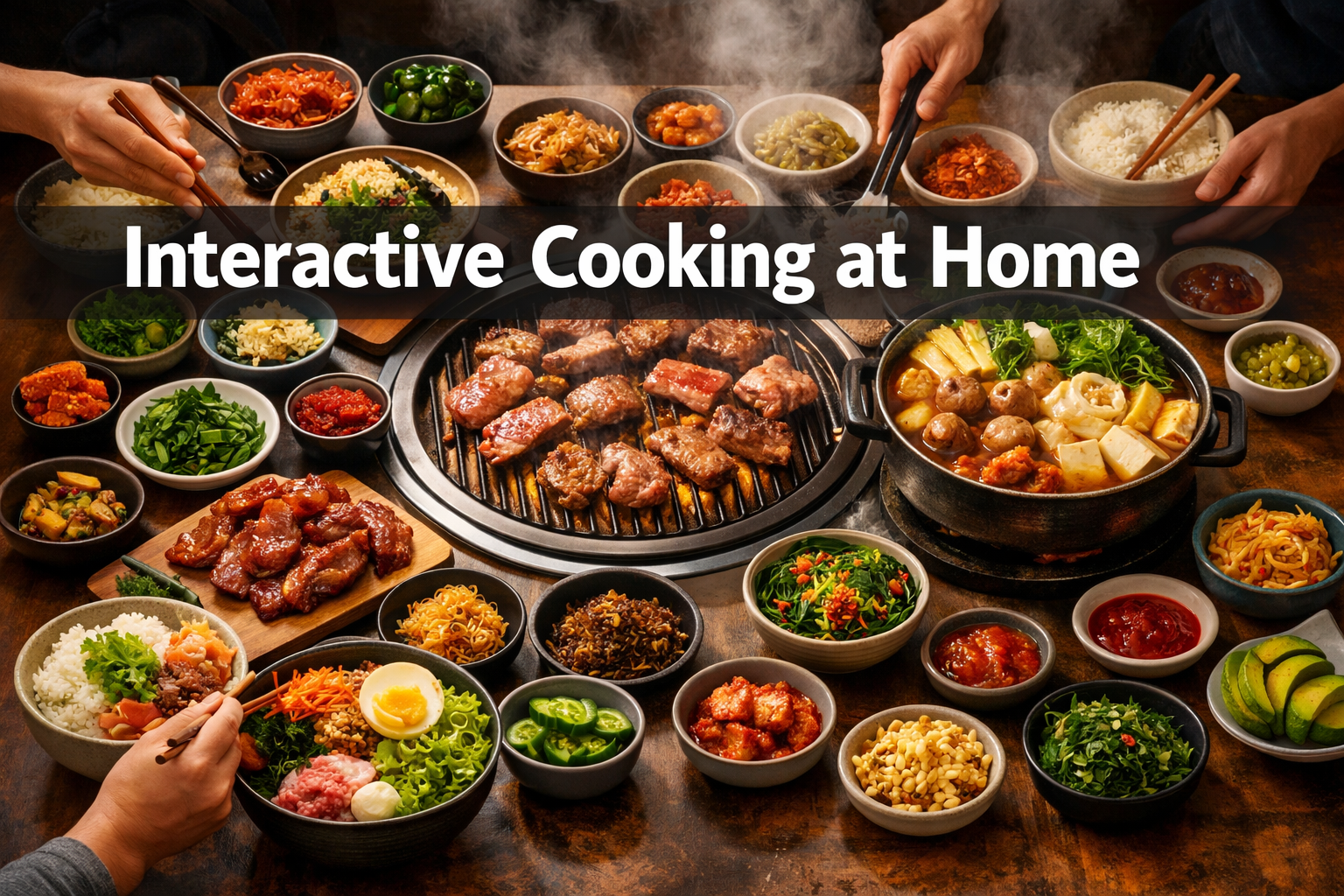
Interactive Cooking Experiences at Home: DIY Korean BBQ, Hot Pot, and Build-Your-Own Asian Bowls
Last updated: July 11, 2026
Quick Answer
Interactive cooking experiences at home, DIY Korean BBQ, hot pot, and build-your-own Asian bowls, transform your dining table into a hands-on culinary adventure where guests cook their own food and customize every bite. These setups require minimal specialized equipment (a portable grill or electric hot pot), fresh ingredients, and simple sauces, making them accessible for families and entertaining. They encourage conversation, accommodate dietary preferences, and turn meal prep into shared entertainment.
Key Takeaways
- Korean BBQ at home uses a portable tabletop grill where diners cook marinated meats and vegetables themselves, creating an interactive social experience.
- Hot pot involves a communal pot of simmering broth where guests add raw ingredients and cook them to preference, ideal for picky eaters and dietary variety.
- Build-your-own bowls (poke, bibimbap, ramen) let everyone customize their meal from ingredient stations, reducing kitchen stress and pleasing diverse tastes.
- Equipment costs range from $30,$150 for a quality portable grill or electric hot pot; most other tools are standard kitchen items.
- Smoke management indoors requires a smokeless grill, proper ventilation, lean meats, and avoiding high-sugar marinades that char quickly.
- Small families benefit from these setups because leftovers store well, portion control is easy, and the experience feels special even for 2-3 people.
- Common mistakes include overcrowding the grill or pot, using frozen ingredients without thawing, and neglecting dipping sauces that add flavor variety.
What Is Korean BBQ at Home and How Does It Work?
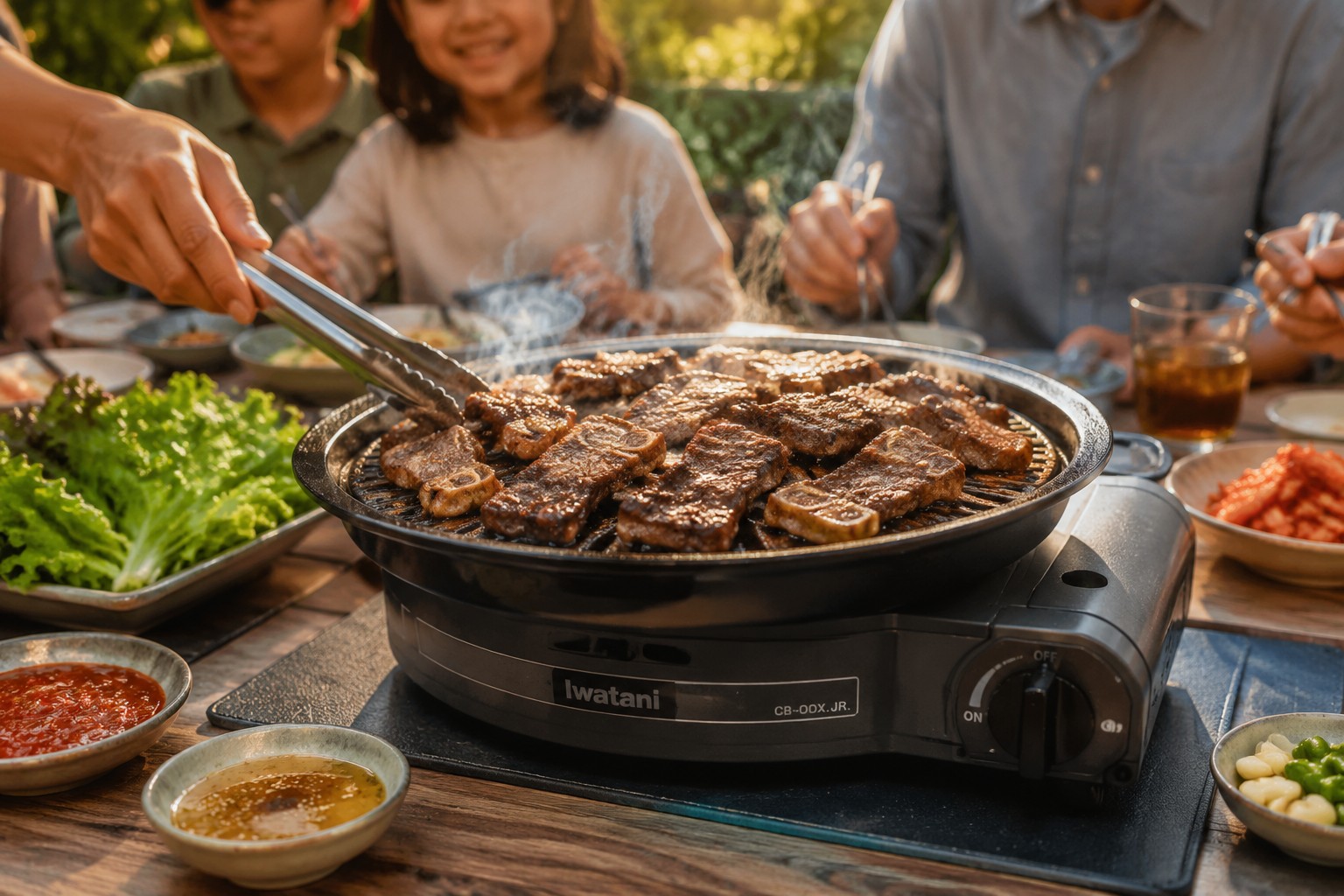
Korean BBQ at home is a tabletop grilling experience where diners cook thin slices of marinated or unseasoned meat, seafood, and vegetables on a portable grill placed at the center of the dining table. Each person grills their own portions to their preferred doneness, then wraps the cooked items in lettuce leaves with rice, kimchi, and sauces. The setup mimics Korean restaurant experiences but offers more control over ingredients, marinades, and pacing.
How it works:
- Set up the grill in the center of your table on a heat-resistant mat or trivet.
- Arrange ingredients around the grill: marinated meats (bulgogi, galbi), vegetables (mushrooms, zucchini, onions), and banchan (side dishes like kimchi, pickled radish, bean sprouts).
- Provide tools like tongs, scissors for cutting meat, and small plates for each diner.
- Cook and eat continuously, grilling small batches so food stays hot and conversation flows.
Choose Korean BBQ at home if you want a lively, hands-on meal that keeps guests engaged and allows everyone to control their own cooking. It’s especially popular for celebrations, date nights, or when hosting adventurous eaters.
What Equipment Do I Need for DIY Korean BBQ at Home?
You need a portable tabletop grill, heat-resistant surface protection, basic grilling tools, and serving dishes. Most home cooks already own the accessories; the grill is the primary investment.
Essential equipment:
- Portable grill: Electric, butane, or infrared models designed for indoor or outdoor tabletop use.
- Heat-resistant mat or trivet: Protects your table from heat damage.
- Tongs and kitchen scissors: For flipping meat and cutting cooked pieces.
- Small serving bowls: For banchan, sauces, and garnishes.
- Lettuce leaves and rice bowls: For wrapping and serving.
Optional upgrades:
- Smokeless grill with built-in fan or water tray to reduce indoor smoke.
- Grill grates with non-stick coating for easier cleanup.
- Portable exhaust fan if your kitchen ventilation is limited.
If you’re setting up for the first time, expect to spend $30,$80 on a basic electric grill and another $20,$30 on accessories. Higher-end smokeless models run $100,$150 but significantly improve the indoor experience.
Best Portable Grill for Korean BBQ Indoors
The best portable grill for indoor Korean BBQ is a smokeless electric model with adjustable temperature control, a non-stick surface, and a drip tray to catch fat and reduce smoke. Look for grills rated at least 1200 watts for consistent heat and models with a water tray or fan system to minimize smoke production.
Top features to prioritize:
- Smokeless technology: Water tray beneath the grill or built-in fan to capture smoke before it spreads.
- Temperature control: Adjustable settings (low, medium, high) to prevent burning marinades.
- Non-stick surface: Easier cleanup and prevents delicate items like fish from sticking.
- Size: At least 12 inches in diameter to cook for 2-4 people comfortably.
- Safety features: Cool-touch handles, auto shut-off, and stable base.
Common mistake: Buying a grill without a drip tray or smoke-reduction feature, which leads to excessive smoke indoors and lingering odors. Always check reviews for smoke performance before purchasing.
Decision rule: Choose a smokeless electric grill if cooking indoors regularly; opt for a butane grill if you plan to use it outdoors or want higher heat for searing.
Difference Between Hot Pot and Korean BBQ
Hot pot and Korean BBQ are both interactive cooking experiences, but hot pot involves simmering raw ingredients in a communal pot of broth, while Korean BBQ uses a tabletop grill to cook marinated meats and vegetables directly. Hot pot is broth-based, slower-paced, and ideal for cold weather; Korean BBQ is grill-based, faster, and emphasizes charred, caramelized flavors.
Key differences:
| Aspect | Hot Pot | Korean BBQ |
|---|---|---|
| Cooking method | Boiling in broth | Grilling on open flame or electric grill |
| Pace | Slow, ingredients cook 2-10 minutes | Fast, most items cook in 1-3 minutes |
| Flavor profile | Broth-infused, mild to spicy | Charred, smoky, caramelized |
| Best for | Cold weather, picky eaters, variety | Social gatherings, meat lovers, quick meals |
| Equipment | Electric hot pot or portable burner | Portable grill |
Choose hot pot if: You want a warming, customizable meal where everyone can cook at their own pace and dietary restrictions are easy to accommodate (vegetarian broth, separate dipping sauces).
Choose Korean BBQ if: You prefer bold, grilled flavors and want a faster, more interactive experience with a focus on meat and vegetables.
Both pair well with Asian ingredient essentials like gochujang, sesame oil, and miso for authentic flavor.
How Much Does It Cost to Set Up Hot Pot at Home?
Setting up hot pot at home costs $40,$120 for equipment and $30,$60 for ingredients to serve 4 people. The primary expense is an electric hot pot or portable burner ($30,$80), with the rest going toward broth, proteins, vegetables, noodles, and dipping sauces.
Equipment costs:
- Electric hot pot: $30,$80 (basic models with temperature control).
- Divided pot (for two broths): $50,$100.
- Ladles, strainers, chopsticks: $10,$20 if you don’t already own them.
Ingredient costs (for 4 people):
- Broth base: $5,$10 (store-bought or homemade stock).
- Proteins: $20,$30 (thinly sliced beef, pork, shrimp, tofu).
- Vegetables: $10,$15 (Napa cabbage, mushrooms, bok choy, spinach).
- Noodles and extras: $5,$10 (udon, glass noodles, dumplings).
- Dipping sauces: $5,$10 (sesame paste, soy sauce, chili oil).
Total first-time cost: $70,$180 (equipment + ingredients). Subsequent meals cost only $30,$60 for ingredients since you already own the pot.
Common mistake: Buying too many ingredients for a first attempt. Start with 2-3 proteins, 4-5 vegetables, and one noodle type to avoid waste and overwhelm.
What Meats and Vegetables to Buy for Korean BBQ
For Korean BBQ at home, buy thinly sliced beef short ribs (galbi), ribeye, pork belly, and chicken thighs for protein, plus mushrooms, zucchini, onions, and bell peppers for vegetables. Pre-marinated options save time, but unseasoned meats let you control flavor with homemade marinades.
Best meats:
- Beef short ribs (galbi): Marinated in soy, sugar, garlic, and sesame oil; tender and flavorful.
- Ribeye or sirloin: Thinly sliced, quick-cooking, rich marbling.
- Pork belly (samgyeopsal): Fatty, crispy when grilled, often served unseasoned with dipping salt.
- Chicken thighs: Marinate in gochujang or soy-ginger sauce; more forgiving than breast meat.
Best vegetables:
- Mushrooms (shiitake, king oyster): Absorb marinades, add umami.
- Zucchini and bell peppers: Slice into thick rounds or strips; grill until charred.
- Onions: Sweet when caramelized, balance rich meats.
- Garlic cloves: Grill whole for a mellow, sweet flavor.
Shopping tips:
- Look for “Korean BBQ cut” or “thinly sliced” labels at Asian grocery stores.
- Freeze meat for 30 minutes before slicing if cutting at home; it firms up for cleaner cuts.
- Buy 4-6 ounces of meat per person and 1-2 cups of vegetables.
Pair your setup with build-your-own high-protein comfort bowls for a complete interactive meal experience.
What Sauces and Marinades Do I Need for Korean BBQ?
You need a soy-based marinade (for beef and chicken), a spicy gochujang marinade (for pork), and 2-3 dipping sauces like ssamjang (fermented bean paste), sesame oil with salt, and a soy-vinegar mix. These cover the essential flavor profiles and let diners customize each bite.
Essential marinades:
- Bulgogi marinade (beef, chicken): Soy sauce, sugar, sesame oil, garlic, ginger, pear juice (tenderizes meat).
- Gochujang marinade (pork, chicken): Gochujang, soy sauce, honey, garlic, sesame oil.
- Unseasoned option: Serve pork belly or ribeye plain with dipping sauces.
Essential dipping sauces:
- Ssamjang: Fermented soybean and chili paste; savory, slightly spicy, perfect for lettuce wraps.
- Sesame oil + salt: Simple, nutty, highlights meat flavor.
- Soy-vinegar sauce: Soy sauce, rice vinegar, sesame seeds, green onion; bright and tangy.
Quick homemade bulgogi marinade (serves 4):
- Mix ½ cup soy sauce, 3 tablespoons sugar, 2 tablespoons sesame oil, 4 minced garlic cloves, 1 teaspoon ginger, and ¼ cup grated pear or apple.
- Marinate thinly sliced beef for 30 minutes to 2 hours.
Common mistake: Over-marinating delicate proteins like chicken or seafood (more than 2 hours), which can make them mushy. Beef and pork can marinate up to 24 hours.
How to Prevent Smoke When Cooking Korean BBQ Indoors
To prevent smoke when cooking Korean BBQ indoors, use a smokeless grill with a water tray or fan, choose lean cuts of meat, avoid high-sugar marinades that burn quickly, and ensure proper ventilation by opening windows and using an exhaust fan. Cooking at medium heat instead of high also reduces smoke.
Smoke-reduction strategies:
- Use a smokeless grill: Models with water trays catch dripping fat before it burns and smokes.
- Trim excess fat: Fat dripping onto the heating element creates smoke; trim visible fat from meats.
- Moderate heat: Cook at medium temperature (300-350°F) to prevent marinades from charring.
- Ventilation: Open windows, turn on range hood, or place a portable fan near the grill to direct smoke outside.
- Avoid sugary marinades: High sugar content burns quickly; use marinades with balanced sugar or apply sauce after grilling.
Quick fix during cooking: If smoke builds up, lower the heat immediately, wipe the grill surface with a damp cloth between batches, and empty the drip tray frequently.
Decision rule: If you live in an apartment with limited ventilation, invest in a smokeless grill ($80,$150) rather than a standard electric or butane model.
Can I Do Korean BBQ Without a Special Grill?
Yes, you can do Korean BBQ without a special grill by using a cast-iron skillet, grill pan, or outdoor gas grill. The experience won’t be as interactive since guests can’t cook at the table, but you’ll achieve similar flavors by cooking marinated meats over high heat and serving them family-style with lettuce wraps and banchan.
Alternative methods:
- Cast-iron skillet: Preheat over high heat, cook marinated meat in small batches, 1-2 minutes per side. Works well for bulgogi and thin-sliced pork.
- Grill pan: Provides grill marks and some char; use medium-high heat to avoid burning marinades.
- Outdoor gas or charcoal grill: Best for authentic smoky flavor; grill meats directly over high heat.
- Broiler: Place marinated meat on a foil-lined baking sheet, broil 4 inches from heat, 2-3 minutes per side.
Trade-offs: You lose the interactive, cook-at-the-table element, and cleanup shifts from communal to one person in the kitchen. However, flavor remains excellent, and you avoid the cost of a tabletop grill.
Common mistake: Overcrowding the skillet or grill pan, which steams meat instead of searing it. Cook in small batches, leaving space between pieces.
Is At-Home Korean BBQ Worth It for Small Families?
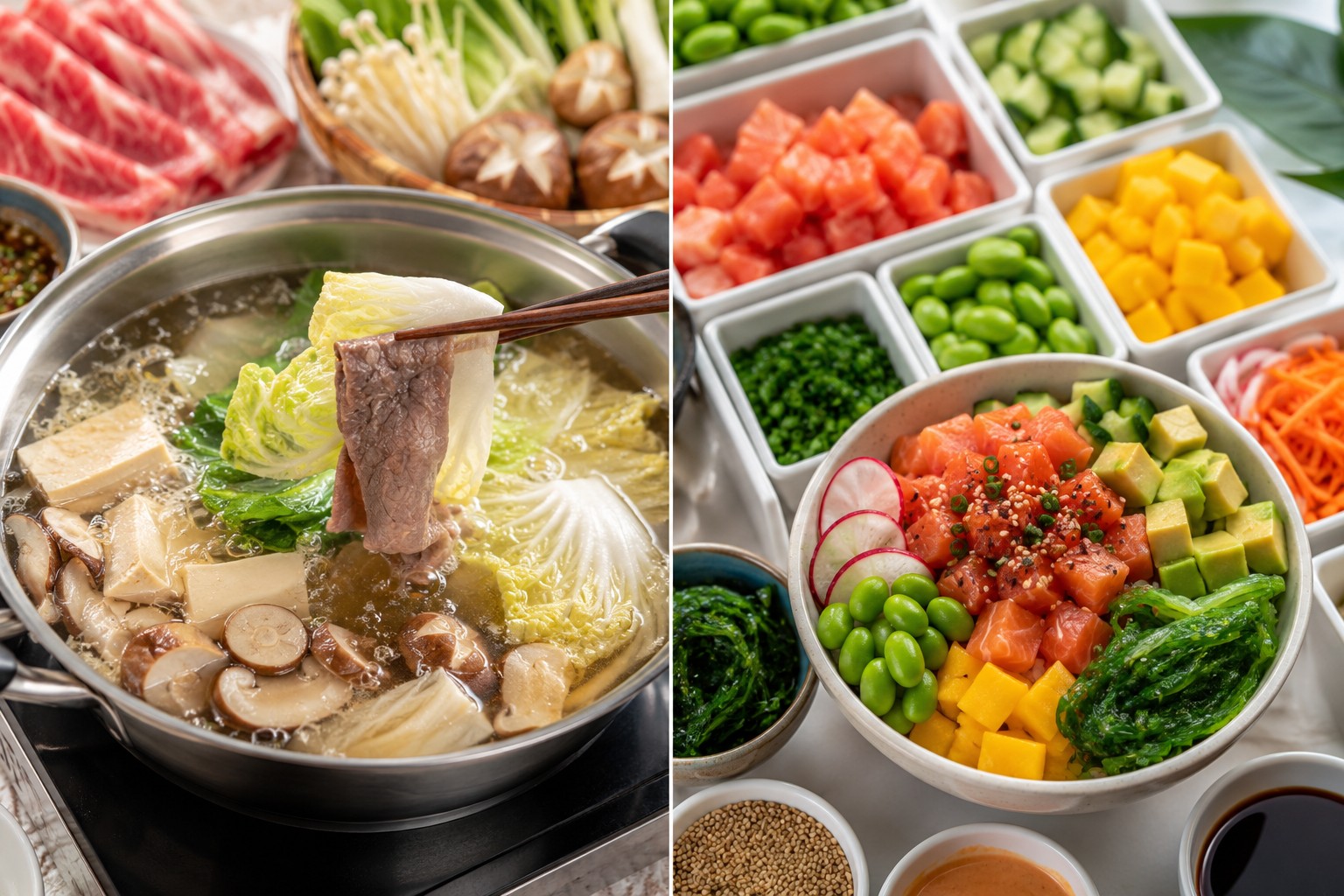
At-home Korean BBQ is worth it for small families (2-3 people) because the setup scales down easily, ingredients store well for multiple meals, and the interactive experience feels special even in small groups. A compact portable grill costs $30,$50, and you can buy smaller portions of meat and vegetables to avoid waste.
Why it works for small families:
- Portion control: Buy 4-6 ounces of meat per person; most recipes scale down without issue.
- Leftover-friendly: Marinated meats freeze well for up to 3 months; cooked leftovers reheat in a skillet or microwave.
- Low-pressure entertaining: Even cooking for two feels like an event, and cleanup is minimal with a non-stick grill.
- Dietary flexibility: Each person can choose their own proteins and vegetables, accommodating picky eaters or dietary restrictions.
Cost comparison (for 2 people):
- Restaurant Korean BBQ: $40,$70 for two with drinks and sides.
- At-home setup: $15,$25 for ingredients (after initial grill purchase), plus you control quality and portions.
Decision rule: If you’ll use the grill at least 4-6 times per year, the equipment pays for itself compared to restaurant visits.
Common Mistakes When Making Hot Pot at Home
The most common mistakes when making hot pot at home are overcrowding the pot (which lowers broth temperature and makes ingredients soggy), adding frozen ingredients without thawing (which dilutes the broth), and neglecting to prepare dipping sauces in advance (which reduces flavor variety). Starting with too many ingredient types also overwhelms first-timers.
Top mistakes and fixes:
- Overcrowding the pot: Add ingredients in small batches so the broth stays at a rolling boil. Cook leafy greens and noodles last since they absorb broth quickly.
- Using frozen ingredients: Thaw proteins and dumplings in the fridge overnight; frozen items release excess water and cool the broth.
- Skipping dipping sauces: Prepare 2-3 sauces (sesame paste, soy-vinegar, chili oil) before starting; they add essential flavor contrast.
- Wrong broth temperature: Keep the pot at a steady simmer (not a rolling boil) to prevent splattering and overcooking delicate items.
- Too many ingredients: Limit your first hot pot to 2-3 proteins, 4-5 vegetables, and one noodle type. Expand as you gain confidence.
Quick tip: Use a slotted spoon or small strainer to retrieve cooked items instead of fishing with chopsticks, which can be frustrating and messy.
Build Your Own Poke Bowl Ingredients List
A build-your-own poke bowl station needs a protein base (raw sushi-grade fish or cooked options), a grain (rice or greens), 6-8 toppings (vegetables, fruits, crunchy elements), and 3-4 sauces. This setup lets each person customize their bowl while you prep everything in advance.
Essential ingredients (for 4 people):
Proteins:
- Sushi-grade tuna or salmon (1 pound, cubed)
- Cooked shrimp or tofu (for non-raw options)
Bases:
- Sushi rice or brown rice (3 cups cooked)
- Mixed greens or spinach (for low-carb option)
Toppings:
- Vegetables: Cucumber, edamame, shredded carrots, seaweed salad, avocado
- Crunchy elements: Sesame seeds, crispy onions, macadamia nuts
- Extras: Mango, pineapple, pickled ginger, green onions
Sauces:
- Soy sauce, spicy mayo (mayo + sriracha), ponzu, sesame-ginger dressing
Prep tips:
- Cube fish into ½-inch pieces and keep refrigerated until serving.
- Cook rice 1-2 hours ahead and let it cool to room temperature.
- Arrange toppings in small bowls or a muffin tin for easy access.
This setup pairs perfectly with global comfort food recipes for a complete interactive meal experience.
Is Hot Pot Good for Picky Eaters or Kids?
Hot pot is excellent for picky eaters and kids because everyone can choose exactly what goes into their bowl, cook items to their preferred doneness, and avoid ingredients they dislike. The interactive cooking process also engages children and makes them more willing to try new foods.
Why it works:
- Total customization: Kids can stick to familiar items (noodles, dumplings, mild broth) while adventurous eaters try spicy broths and exotic vegetables.
- Control over cooking: Picky eaters can cook items longer or shorter based on texture preferences.
- No cross-contamination: Each person uses their own utensils and bowl, avoiding the “my food touched something I don’t like” issue.
- Fun factor: Cooking at the table feels like a game, making kids more engaged with the meal.
Kid-friendly hot pot tips:
- Offer a mild broth (chicken or vegetable) alongside a spicy option if using a divided pot.
- Include familiar proteins like chicken, shrimp, and meatballs.
- Pre-cut vegetables into small, manageable pieces.
- Supervise young children around the hot pot to prevent burns.
Common concern: “Will kids eat enough?” Yes, because they’re actively involved in cooking and can add as much or as little as they want. Most kids enjoy the novelty and eat more than at a traditional sit-down meal.
How to Clean Up After Indoor Korean BBQ
Clean up after indoor Korean BBQ by letting the grill cool for 10-15 minutes, scraping off food residue with a grill brush or spatula, washing the grill grate and drip tray with warm soapy water, and wiping down the table and surrounding area to remove grease splatters. Proper ventilation during cooking reduces lingering odors.
Step-by-step cleanup:
- Cool the grill: Unplug and let it cool completely before handling.
- Scrape the grate: Use a grill brush or wooden spatula to remove stuck-on food while the grill is still slightly warm (easier than when cold).
- Wash removable parts: Soak the grill grate and drip tray in warm soapy water for 10 minutes, then scrub with a sponge.
- Wipe the base: Use a damp cloth with mild dish soap to clean the grill base and heating element (avoid submerging electric components).
- Clean the table: Wipe down the table, placemats, and surrounding area with a degreasing cleaner or vinegar solution.
- Air out the room: Open windows and run fans for 30-60 minutes to clear smoke and odors.
Quick tip: Line the drip tray with aluminum foil before cooking for faster cleanup, just discard the foil and rinse the tray.
Common mistake: Scrubbing the grill grate while it’s cold, which makes residue harder to remove. Clean it while still warm (but not hot) for best results.
Interactive Cooking Experiences at Home: Setting Up Build-Your-Own Asian Bowls
Build-your-own Asian bowl stations let guests assemble custom meals from a spread of bases, proteins, vegetables, and sauces, making them ideal for casual entertaining and accommodating diverse dietary needs. Set up ingredient stations in the order guests will build their bowls: base, protein, toppings, sauces.
Setup guide:
- Choose a bowl style: Poke, bibimbap, ramen, or rice bowls.
- Prep ingredients in advance: Cook proteins, chop vegetables, prepare sauces, and cook grains 1-2 hours before guests arrive.
- Arrange stations: Use a buffet table or kitchen island with labeled bowls for each ingredient.
- Provide serving utensils: Tongs, spoons, and ladles for each ingredient to prevent cross-contamination.
- Offer guidance: Create a simple menu card showing suggested combinations or a “build order” (base → protein → veggies → sauce).
Popular bowl themes:
- Bibimbap: Rice, gochujang beef or tofu, sautéed spinach, bean sprouts, carrots, fried egg, sesame oil.
- Poke: Sushi rice, raw tuna or salmon, edamame, cucumber, avocado, spicy mayo, soy sauce.
- Ramen: Noodles, soft-boiled egg, pork belly or tofu, bok choy, corn, green onions, miso broth.
Why it works: Guests build exactly what they want, you avoid cooking to order, and cleanup is straightforward since most prep is done in advance. This approach also works well with leftover makeover strategies for using up ingredients creatively.
How to Make Interactive Cooking Experiences at Home More Engaging
Make interactive cooking experiences at home more engaging by adding conversation-starter elements like ingredient trivia cards, encouraging guests to share cooking tips, offering a “create your own marinade” station, and playing themed background music. Small touches like personalized chopsticks or custom sauce labels also elevate the experience.
Engagement ideas:
- Ingredient trivia: Print small cards explaining the origin or health benefits of each ingredient (e.g., “Gochujang is a fermented Korean chili paste used since the 16th century”).
- Cooking challenges: Have guests vote on the best lettuce wrap combination or most creative poke bowl.
- DIY sauce station: Provide base ingredients (soy sauce, sesame oil, vinegar, chili flakes, garlic) and let guests mix their own dipping sauces.
- Themed music: Play K-pop for Korean BBQ, Japanese city pop for poke bowls, or Cantopop for hot pot.
- Personalized touches: Use name tags on chopsticks or small bowls, or provide aprons for a playful “chef” vibe.
Why it matters: Interactive cooking is inherently social, but these extras give guests something to talk about beyond the food itself, making the meal more memorable.
Quick win: Create a simple “suggested combinations” card for each cooking style (e.g., “Try bulgogi + kimchi + ssamjang in a lettuce wrap”) to help hesitant guests get started.
Frequently Asked Questions
What is the best temperature for Korean BBQ at home?
Cook Korean BBQ at medium to medium-high heat (300-375°F) to sear meat without burning marinades. Adjust lower for sugary marinades and higher for unseasoned cuts that need a good char.
Can I use a regular hot pot for hot pot at home?
Yes, any pot that holds heat and fits on a portable burner works. Electric hot pots are more convenient for tabletop cooking, but a regular pot on a butane burner is a budget-friendly alternative.
How long does it take to set up Korean BBQ at home?
Expect 30-45 minutes for ingredient prep (slicing meat, arranging banchan, making sauces) and 5-10 minutes to set up the grill and table. Marinating adds 30 minutes to 24 hours depending on the recipe.
What broth is best for hot pot beginners?
Chicken or vegetable broth is best for beginners because it’s mild, versatile, and pairs well with any protein or vegetable. Add soy sauce, ginger, and garlic for extra flavor without overwhelming spice.
How do I store leftover Korean BBQ ingredients?
Store marinated raw meat in an airtight container in the fridge for up to 24 hours or freeze for up to 3 months. Cooked leftovers keep for 3-4 days refrigerated and reheat well in a skillet or microwave.
Is build-your-own bowl cheaper than ordering takeout?
Yes, build-your-own bowls cost $5,$8 per person at home versus $12,$18 for takeout. Ingredients like rice, vegetables, and sauces are inexpensive and stretch across multiple meals.
Can I do hot pot without an electric pot?
Yes, use a portable butane burner with a regular pot or a fondue pot with a heat source. The key is maintaining a steady simmer at the table so guests can cook continuously.
What vegetables work best for Korean BBQ?
Mushrooms, zucchini, onions, bell peppers, and whole garlic cloves work best because they hold up to high heat, develop char, and complement rich meats. Avoid delicate greens that wilt too quickly.
How do I prevent my hot pot broth from getting too salty?
Start with a lightly seasoned broth and let guests add soy sauce or salt to taste. Avoid adding too many salty ingredients (like cured meats or pickled vegetables) at once, which concentrate as the broth reduces.
What’s the easiest interactive cooking experience for beginners?
Build-your-own bowls are easiest because all prep is done in advance, there’s no live cooking at the table, and guests simply assemble their meals. Hot pot and Korean BBQ require more active management during the meal.
Can I make Korean BBQ vegetarian?
Yes, grill marinated tofu, tempeh, mushrooms (shiitake, portobello), zucchini, eggplant, and bell peppers. Use the same marinades as for meat; tofu and mushrooms absorb flavors especially well.
How many ingredients should I offer for a build-your-own bowl station?
Offer 2-3 bases, 2-3 proteins, 6-8 toppings, and 3-4 sauces. This provides variety without overwhelming guests or creating excessive prep work.
Conclusion
Interactive cooking experiences at home, DIY Korean BBQ, hot pot, and build-your-own Asian bowls, transform ordinary meals into engaging social events that accommodate every taste and dietary need. With minimal equipment investment ($30,$150 for a quality grill or hot pot), accessible ingredients from your local grocery or Asian market, and simple prep strategies, you can create restaurant-quality experiences that encourage conversation, creativity, and connection around your dining table.
Start with one format that matches your comfort level: build-your-own bowls require the least active cooking, hot pot offers a warming communal experience, and Korean BBQ delivers bold flavors and hands-on grilling. As you gain confidence, mix and match elements, serve Korean BBQ with a hot pot side station, or offer both poke and bibimbap bowl options at the same meal.
Next steps:
- Choose your format and purchase the necessary equipment (portable grill, electric hot pot, or just serving bowls for DIY bowls).
- Plan your first menu with 2-3 proteins, 4-6 vegetables, and essential sauces.
- Prep ingredients 1-2 hours before guests arrive so you can enjoy the experience alongside them.
- Experiment with Asian ingredient essentials to deepen flavors and explore new combinations.
The beauty of these interactive cooking experiences lies in their flexibility, they scale from intimate dinners for two to lively gatherings for eight, adapt to any dietary restriction, and turn meal prep into shared entertainment. Your dining table becomes the stage, and everyone gets to be both chef and guest.
SEO Meta Title: Interactive Cooking at Home: Korean BBQ, Hot Pot & Bowls