
How Long Are Thawed Chicken Thighs Good For: Safe Storage Tips
You can safely keep thawed chicken thighs in the refrigerator for 1–2 days before cooking. If you thawed them in the fridge and kept them at 40°F (4°C) or below, use them within that 48-hour window or cook or discard them.
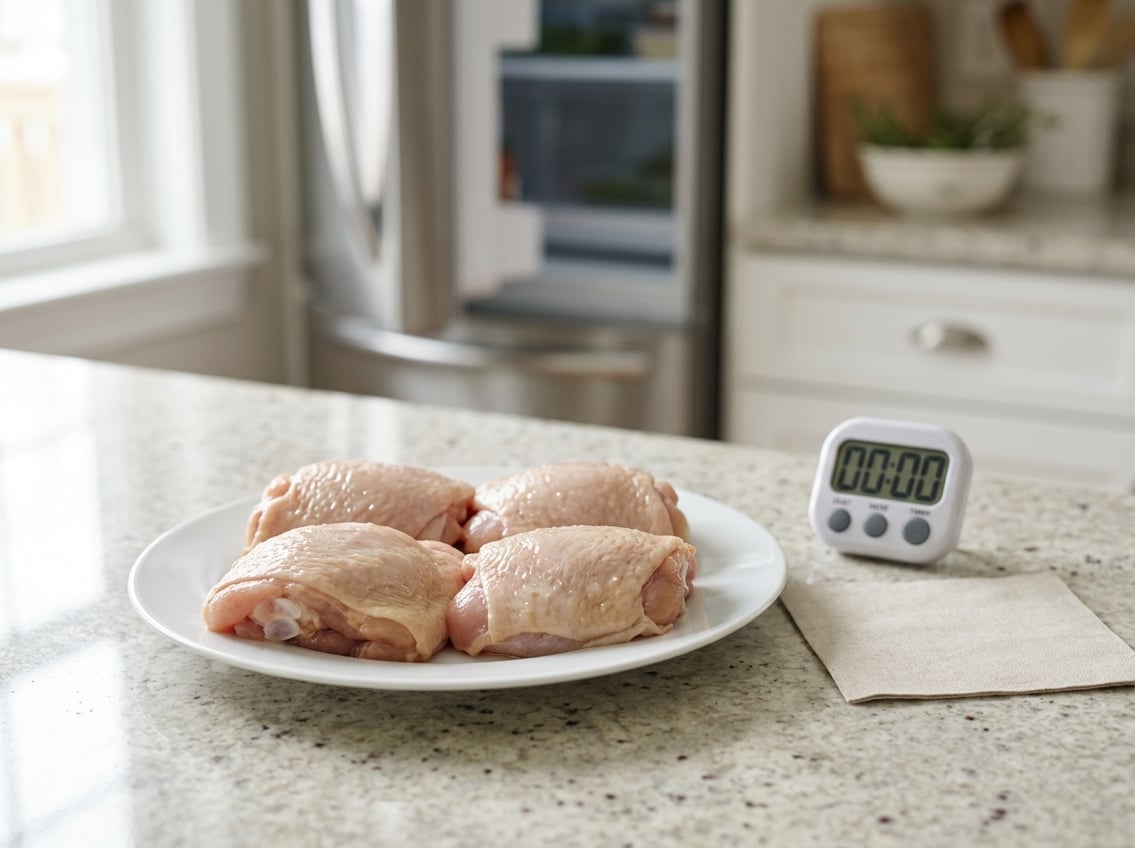
Thawing method, fridge temperature, and storage technique all affect how long chicken thighs stay safe. You’ll also want to know how to spot spoilage, when you can refreeze, and steps to avoid cross-contamination.
Understanding Refrigerator Shelf Life for Thawed Chicken Thighs
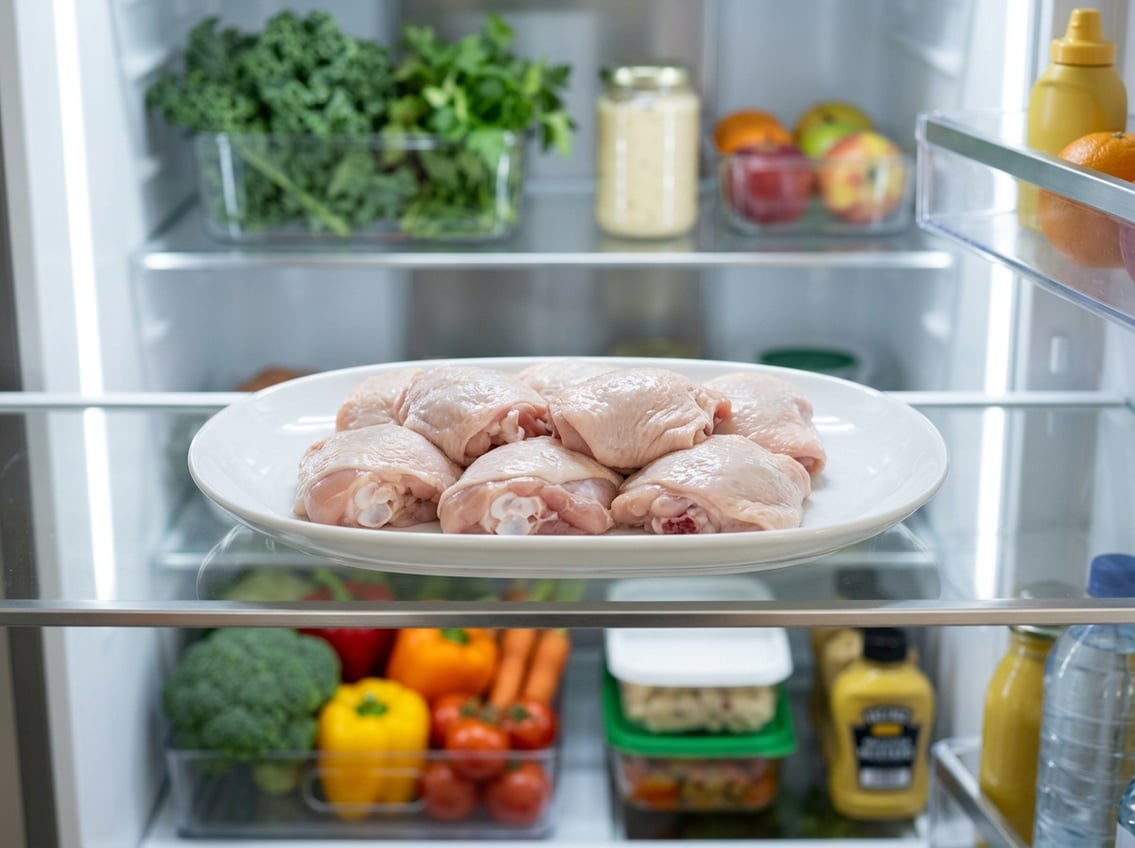
Handle thawed chicken thighs with care for timing, temperature, and packaging to keep them safe and maintain quality. Refrigerator limits, raw and cooked storage differences, and main factors all influence how long thighs stay good.
Refrigerator Time Limits After Thawing
You can keep thawed raw chicken thighs in the refrigerator for 1–2 days from the moment thawing completes. Keep them at 40°F (4°C) or below, since higher temperatures speed bacterial growth.
If you thawed the thighs in the fridge, track the calendar date and plan to cook within that 48-hour period.
Cooked chicken thighs last longer. Store them in airtight containers and use within 3–4 days. Label containers with cooking or thaw dates.
If you thawed using cold water or a microwave, cook immediately. Refrigerate cooked meat no later than 2 hours after cooking (1 hour above 90°F/32°C).
Differences Between Raw and Cooked Storage
Raw thighs still contain live bacteria that can multiply even when cold, so treat them conservatively. Store raw thighs on the lowest shelf in a sealed container or heavy-duty bag to prevent drips and cross-contamination.
Do not refreeze raw thighs unless you thawed them in the refrigerator and they remain within the 1–2 day window.
Cooked thighs have had surface bacteria reduced by heat, so they keep safely for 3–4 days refrigerated. Use shallow, airtight containers to cool cooked thighs quickly.
When reheating, heat to an internal temperature of 165°F (74°C) to ensure safety. Once reheated, consume promptly and do not refreeze reheated portions.
Variables Influencing Shelf Life
Temperature is the primary variable. A fridge at 35–38°F (2–3°C) gives you the full recommended storage time, while a fridge closer to 40°F (4°C) shortens it. Check your thermostat and place a fridge thermometer where you store meat.
Packaging matters. Airtight containers and vacuum sealing slow moisture loss and limit bacterial exposure. Label packaging with thaw or cook dates.
Thaw method affects safety. Refrigerator thawing preserves the 1–2 day fridge window. Thawing in cold water or the microwave requires immediate cooking.
Initial meat quality and how long it spent frozen also influence shelf life. Older or previously partially thawed thighs deteriorate faster once refrigerated.
Safe Thawing Techniques for Chicken Thighs
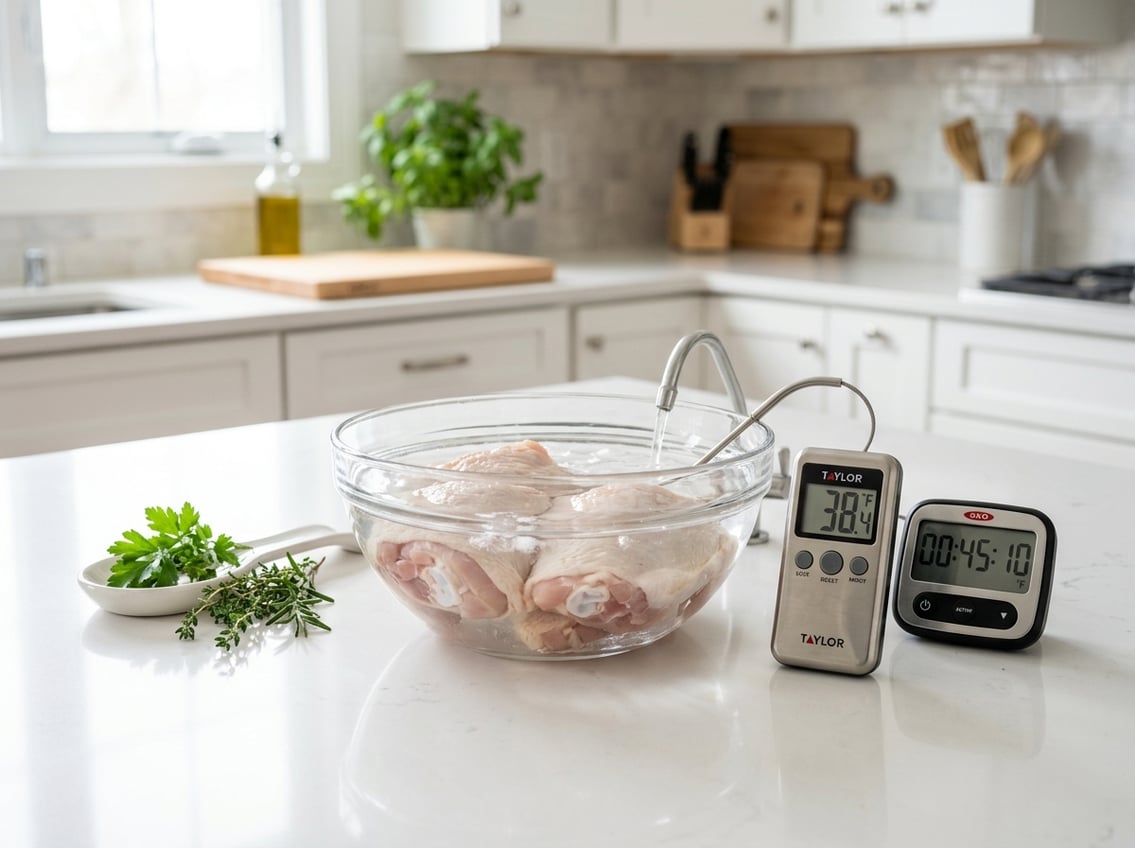
Thaw chicken thighs where temperatures stay below 40°F and avoid leaving them at room temperature. Use methods that prevent cross-contamination and cook thawed thighs promptly according to the method used.
Refrigerator Thawing Explained
Refrigerator thawing keeps chicken thighs at a safe, consistent temperature below 40°F. Place thighs in their original packaging or a sealed, leak-proof bag on a plate or shallow pan to catch drips.
Plan at least 24 hours per pound. A typical 1–2 lb package of thighs usually thaws overnight, but thicker pieces can take longer.
Store thawed thighs on the bottom shelf to prevent juices from contaminating other foods. Once fully thawed in the fridge, use them within 1–2 days for safety and quality.
You may refreeze thighs that were thawed in the refrigerator without cooking, though quality can decline.
Cold Water Thawing Guidelines
Cold water thawing speeds the process while keeping the meat out of the danger zone. Seal thighs in a leak-proof bag and submerge in a bowl or sink filled with cold tap water.
Change the water every 30 minutes to keep it cold. Expect about 1–2 hours for a 1–2 lb package, longer for larger or thicker pieces.
Cook chicken thighs immediately after cold-water thawing. Do not refreeze unless you cook them first.
Always sanitize the sink or container after use to avoid cross-contamination from raw chicken juices.
Risks of Microwave and Room Temperature Thawing
Thawing thighs on the counter or in warm water exposes the surface to 40–140°F, where bacteria multiply quickly. Never leave chicken at room temperature to thaw.
Microwave thawing works quickly but heats unevenly, creating hot spots that start to cook some areas and leave others cold. Use the microwave’s defrost setting and rotate or flip thighs frequently.
Cook thighs immediately after microwave thawing to destroy any bacteria that may have grown during partial warming. Avoid refreezing unless you cook them first.
Best Storage Practices for Thawed Chicken Thighs
Keep thawed chicken thighs sealed, chilled at 40°F (4°C) or below, and stored where drips can’t reach other foods. Label each package with the thaw date and use or cook within 1–2 days.
Airtight Containers and Proper Packaging
Use airtight containers or heavy-duty resealable bags to stop air and bacteria from reaching the meat. If the thighs are still in original packaging, place them on a plate or in a shallow pan inside a sealed bag to catch any juices.
For longer fridge life and to prevent freezer burn if you must refreeze, wrap tightly in plastic wrap, then place into a freezer-safe bag or container. Remove excess air. Keep raw chicken separated from ready-to-eat foods.
Temperature Control and Fridge Placement
Set your refrigerator to 40°F (4°C) or lower and verify with a fridge thermometer. Place thawed thighs on the bottom shelf or in a meat drawer so juices cannot drip onto other items.
Avoid storing thawed chicken in the door, where temperature fluctuates. If your fridge is crowded, create space so cold air circulates around the container.
Labeling and Dating for Food Safety
Write the thaw date clearly on each package with a permanent marker. Use a simple label format: “Thawed: YYYY-MM-DD — Use by: YYYY-MM-DD” so you and others can see the deadline at a glance.
Follow the 1–2 day rule: cook within 24–48 hours of finishing thawing in the refrigerator. If you won’t cook in that window, cook the thighs and then refrigerate the cooked meat for 3–4 days, or refreeze only if the thighs were thawed entirely in the fridge.
Knowing When Thawed Chicken Has Spoiled
Check color, texture, and smell first, and treat any chicken that shows multiple warning signs as unsafe. If thawed thighs have been in the fridge longer than 1–2 days, inspect closely before using.
Color, Texture, and Smell Indicators
Look at the skin and flesh. Fresh thawed chicken thighs are pale pink with white fat. If you see gray, green, or iridescent patches, discard the meat immediately.
Press the flesh with a fingertip. Fresh thighs feel slightly springy and moist. Sliminess or a tacky, sticky surface indicates bacterial growth.
Smell the chicken near, but not inside, the packaging. A sour, ammonia-like, or rotten odor is a clear spoilage sign.
If the thighs were thawed in the fridge, remember the safe window is 1–2 days for raw poultry. Thawed in cold water or microwave? Cook immediately and don’t store in the fridge for that 1–2 day window.
Handling Expired Chicken Safely
Do not taste chicken to test for spoilage. Tasting risks foodborne illness even if the flavor seems only slightly off.
Discard spoiled thighs in a sealed bag to prevent drips and odors. Place the bag in an outdoor trash container as soon as possible.
Clean any surfaces the chicken contacted with hot, soapy water or a bleach solution (1 tablespoon bleach per gallon of water). Sanitize utensils, cutting boards, and your hands for at least 20 seconds after handling.
If you thawed and then refroze within 1–2 days while keeping the thighs at 40°F (4°C) or below, you can refreeze them safely but quality may decrease. If you used cold water or microwave thawing, cook the thighs fully before refreezing; do not refreeze raw meat thawed by those methods.
Refreezing and Freezing Options for Thawed Chicken
You can put thawed chicken thighs back in the freezer if you handled them correctly. The method you choose affects both safety and quality.
When and How to Refreeze Thawed Chicken
You may refreeze chicken thighs only if you thawed them in the refrigerator and kept them at 40°F (4°C) or below the whole time.
If you thawed the thighs in cold water or the microwave, cook them fully before freezing.
To refreeze raw thighs that remained refrigerated, wrap them tightly to limit air contact. Use airtight freezer bags, vacuum-seal, or double-wrap with heavy-duty foil plus a freezer bag. Label packages with the date.
If you cooked the thighs first, cool them quickly, portion into shallow containers, and freeze within two hours of cooking.
Quality and Safety Concerns With Refreezing
Refreezing can reduce moisture and create textural changes in chicken thighs. Expect drier meat and possible graininess after thawing and cooking again.
Repeated temperature abuse is the main risk. If meat spent more than two hours above 40°F (4°C), do not refreeze it. Always inspect for off-odors, sliminess, or unusual color before refreezing or cooking.
Limit refreezing cycles to one when possible to preserve both safety and eating quality.
Freezing Thawed Chicken for Later Use
Choose packaging based on how long you plan to store the thighs. For short-term storage up to 2 months, heavy-duty freezer bags with excess air removed are sufficient.
For longer storage (3–6 months), vacuum sealing or overwrapping retail packaging with foil or freezer paper prevents freezer burn better.
Portion before freezing to avoid repeated thaw-refreeze cycles. Freeze single-meal portions flat on a tray, then transfer to bags.
Always date and label packages with contents and whether they are raw or cooked. When ready to use, thaw in the refrigerator overnight or cook from frozen following safe internal temperature guidelines.
Preventing Cross-Contamination During Thawing and Storage
Keep thawing chicken confined and its juices contained. Clean and separate anything that touches the chicken so you don’t transfer bacteria to ready-to-eat foods, utensils, or surfaces.
Separating Chicken From Other Foods
Store thawing chicken on the bottom shelf of the refrigerator in its original packaging or a leak-proof container to keep drips from contaminating other foods.
If you use cold water thawing, place the wrapped thighs in a sealed plastic bag and set the bag in a bowl or pan so water and any leaks remain contained.
When you handle raw thighs, work only with them on a designated cutting board or surface. Use a color-coded system or label boards and utensils for raw poultry so you don’t accidentally use them for vegetables, salads, or cooked foods.
Keep raw chicken at least 6 inches away from ready-to-eat items in the fridge and never stack raw poultry above other foods. If you must move thawed thighs, transfer them in a sealed container and wipe up any spills immediately with a disposable towel.
Sanitizing Surfaces and Utensils
After you handle raw chicken, wash your hands for 20 seconds with soap and warm water before touching anything else.
Clean cutting boards, knives, countertops, and containers with hot, soapy water. Then sanitize them using a bleach solution (1 tablespoon unscented household bleach per gallon of water) or a commercial food-safe sanitizer.
Run plastic or silicone cutting boards and most utensils through the dishwasher when possible. The high heat kills bacteria.
For sinks and counters, rinse off visible debris and apply sanitizer. Let it sit for the recommended time, then air-dry or use single-use paper towels.
Always dry and store sanitized items separately from dirty dishes.
Replace or deeply scrub any cutting board with deep grooves where bacteria can hide.


