
Can You Be Allergic to Chicken Thighs? Causes, Symptoms & Solutions
You can develop an allergy to chicken thighs. Chicken meat contains proteins that trigger an immune response in some people, but this type of allergy is uncommon.
If you react to chicken, any part of the bird, including thighs, can cause symptoms. These range from mild skin or digestive upset to, in rare cases, severe anaphylaxis.
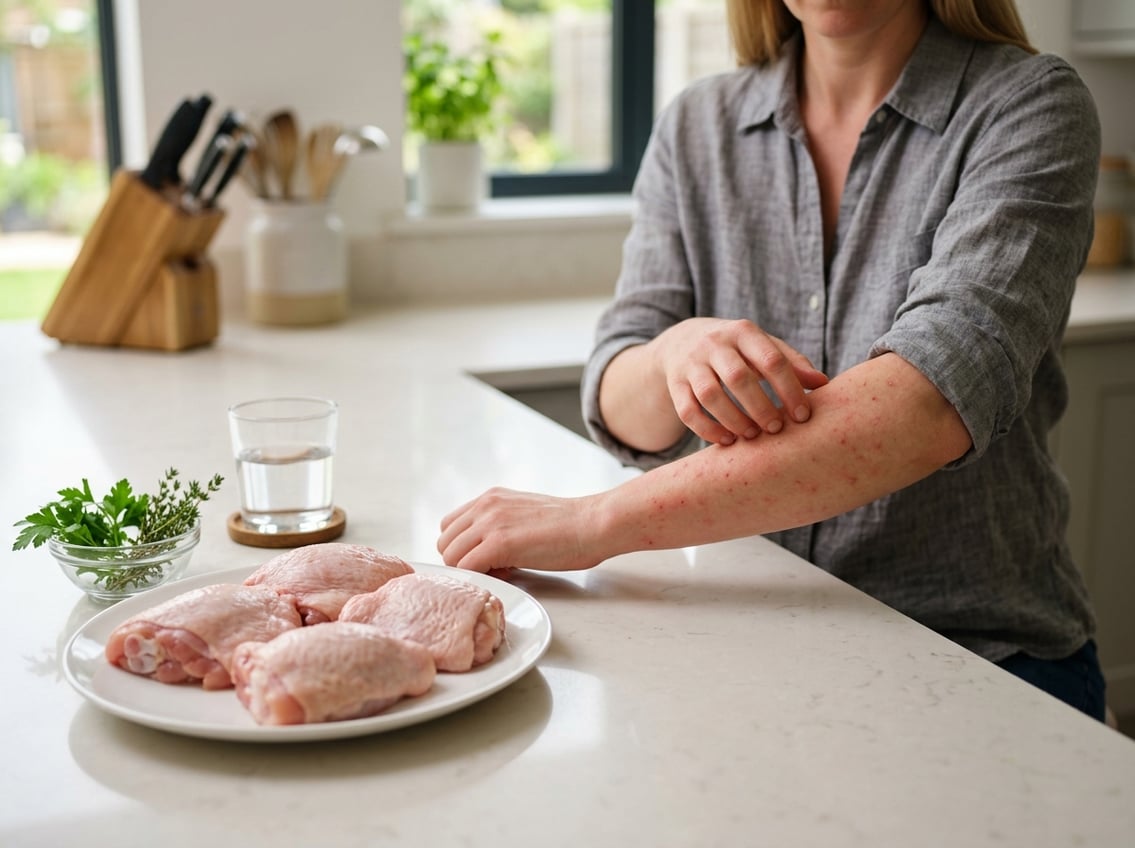
Notice how your body responds after eating chicken. Symptoms can mimic other conditions like food intolerance or a cold, and cross-reactions with eggs or other poultry are possible.
Understanding Allergies to Chicken Thighs

Chicken thighs contain the same proteins found throughout chicken meat. Your immune response depends on which specific proteins your body recognizes as harmful.
You may react to cooked or raw thigh meat, contact with feathers or droppings, or through cross-reactivity with other animal proteins.
What Triggers Allergic Reactions to Chicken Meat
Your immune system often targets protein components in chicken, such as chicken serum albumin. These proteins can remain allergenic in both raw and cooked meat.
When IgE antibodies bind these proteins, your body releases histamine and other mediators. This causes symptoms from hives and itching to wheezing and vomiting.
Some people react only to raw chicken because heat denatures certain proteins. Others react to both raw and cooked meat if heat-stable proteins are involved.
If you are sensitized to other poultry like turkey or duck, you may also react to chicken thighs. Rarely, immune responses tied to alpha-gal syndrome can contribute to meat reactions, but alpha-gal more often involves mammalian meat.
Difference Between Chicken Allergy and Intolerance
An allergy involves an immune response, usually IgE-mediated, and you may see rapid-onset symptoms like swelling, hives, or respiratory trouble after eating chicken thighs.
Intolerance involves non-immune mechanisms, such as digestive upset from high-fat meat or food additives. This causes bloating, cramping, or diarrhea without hives or airway involvement.
Testing helps distinguish the two. Skin prick tests or serum-specific IgE tests can identify a true chicken meat allergy.
An elimination diet and oral food challenge under medical supervision help confirm intolerance or allergy.
If you have asthma or eczema, your risk of a food allergy is higher.
Prevalence and Risk Factors
Chicken allergy is uncommon compared with egg, milk, peanut, or shellfish allergies, but it can occur and be severe.
People who work with birds or live near poultry may develop respiratory or contact sensitization from feathers, dust, or droppings.
Those with existing atopic conditions like eczema, allergic rhinitis, or asthma face greater risk of developing a food or poultry allergy.
Age and exposure patterns matter. Children can outgrow some food allergies, while adults may develop new onset chicken meat allergy after repeated exposure or immune changes.
Cross-sensitization to fish, shrimp, or other meats has been observed in some studies. Your allergy history to other animal proteins helps assess your risk.
Signs and Symptoms of Chicken Allergy

Symptoms include local skin or mouth reactions and, in severe cases, life-threatening systemic signs.
You may notice itching, swelling, or digestive upset after eating or handling chicken. Severe cases can progress rapidly to anaphylaxis.
Mild and Moderate Symptoms
You may first see skin irritation such as redness, itching, or small raised bumps (hives) at the site that touched the chicken or across your body.
Hives can appear within minutes to a few hours and often move or change shape.
Angioedema, or swelling of deeper tissues, can affect your lips, eyelids, or face and sometimes causes a tight, uncomfortable sensation.
Oral allergy syndrome can cause itching or mild swelling of your tongue, lips, or throat shortly after eating undercooked or well-cooked chicken.
Other moderate signs include sneezing, clear nasal discharge, itchy eyes, or a mild sore throat.
These symptoms often respond to antihistamines, but you should track their pattern and discuss them with your clinician.
Severe Allergic Reactions and Anaphylaxis
A severe allergic reaction can progress quickly and requires immediate action.
Watch for trouble breathing, wheezing, persistent coughing, or a feeling that your throat is closing.
Systemic signs include rapid heartbeat, a sudden drop in blood pressure, dizziness, fainting, and loss of consciousness.
Anaphylaxis may also cause widespread hives, severe angioedema (including a swollen tongue), and vomiting.
If you experience breathing difficulty, throat tightness, lightheadedness, or collapse, use your epinephrine auto-injector immediately and call emergency services.
Digestive and Respiratory Issues
Gastrointestinal symptoms can include nausea, stomach cramps, abdominal pain, vomiting, and diarrhea that start soon after ingestion.
These signs may occur alone or alongside skin and respiratory symptoms.
Respiratory complaints range from coughing and throat irritation to wheezing and asthma attacks.
If you have asthma, a chicken allergy can trigger more severe bronchospasm and increased medication needs.
Document the timing of digestive and respiratory symptoms relative to eating or contact with chicken. This detail helps your clinician decide on testing, diagnosis, and whether to prescribe an epinephrine auto-injector.
Causes and Cross-Reactivity in Chicken Thigh Allergy
Proteins in chicken thighs can trigger a direct immune response or cross-reactions with related animal or egg proteins.
The main drivers are specific poultry allergens and shared proteins that cause immune recognition across different foods and exposures.
Cross-Reactivity With Other Meats and Eggs
If you react to a protein in chicken thigh, you may also react to other meats because some proteins share similar sequences.
Relevant allergens include myosin light chain, α-parvalbumin, and serum albumin. These can be present in poultry muscle and sometimes in fish or mammal tissues.
Cross-reactivity patterns you might see:
- Chicken and turkey: common, especially for myosin and parvalbumin-related IgE binding.
- Chicken and fish or shellfish: occasional, when parvalbumin or enolase-like proteins are involved.
- Chicken and beef or pork: less common, but possible when serum albumin or parvalbumin homology exists.
Cross-reactive sensitization does not always cause symptoms. Your clinical history and, if needed, supervised testing or oral challenge determine whether cross-reactivity is clinically relevant.
Bird-Egg Syndrome and Its Implications
Bird-egg syndrome occurs when you first become sensitized to avian proteins in feathers or egg yolk and later react to poultry meat.
The main culprit is chicken serum albumin (Gal d 5 / α-livetin), a heat-labile protein found in egg yolk, feathers, and muscle tissue.
You may react to raw or undercooked egg yolk and sometimes to undercooked chicken thigh, but tolerate well-cooked meat because serum albumin denatures with heat.
Occupational or inhalant exposure, such as contact with pet birds or working in the poultry industry, increases the chance of sensitization to avian serum albumin.
Testing for IgE to chicken serum albumin helps distinguish true poultry meat allergy from unrelated egg allergy.
If you suspect bird-egg syndrome, tell your clinician about feather exposure, egg reactions, and whether cooked meat provokes symptoms.
Diagnosing a Chicken Thigh Allergy
You need a targeted approach to confirm a reaction to chicken thighs. This includes a specialist evaluation, objective testing, and controlled dietary trials.
Each step narrows causes, distinguishes true allergy from intolerance, and guides safe management.
Consulting an Allergist
See an allergist if you’ve had hives, swelling, vomiting, wheezing, or low blood pressure after eating chicken thighs.
Bring a detailed food and symptom log listing portion size, preparation method (raw, undercooked, well-cooked), timing of symptoms, and any other foods eaten.
Tell the allergist about exposures to eggs, other poultry, feathers, or occupational contact with live birds. Cross-reactivity, such as bird-egg syndrome, changes testing and advice.
The specialist will assess severity, decide on immediate treatment needs, and recommend which diagnostic tests best fit your history.
Allergy Testing Methods
The allergist may use skin prick testing and blood tests (specific IgE) to check sensitivity to chicken proteins.
Skin prick testing places tiny amounts of standardized extracts on your forearm or back. A wheal within 15–20 minutes supports sensitization.
Let your provider know about recent antihistamine use because it can suppress results.
Specific IgE blood tests measure antibodies to chicken meat or chicken serum albumin. Positive tests show sensitization but don’t prove clinical allergy.
Test results must be interpreted alongside your reaction history.
Oral Food Challenge
An oral food challenge (OFC) provides the definitive diagnosis when skin or blood tests are inconclusive.
The allergist will perform a medically supervised, graded feeding of chicken thigh in a clinic with emergency care available.
You’ll receive gradually increasing amounts over hours while clinicians monitor for symptoms.
OFCs can be open, single-blind, or double-blind placebo-controlled. The latter is used when objective verification is crucial.
Do not attempt an OFC at home.
If you’ve had anaphylaxis previously, the allergist may recommend alternative testing or prepare intensive monitoring during the challenge.
Elimination Diet Approaches
An elimination diet helps link symptoms to chicken thighs when testing is unclear or unavailable.
Remove all forms of chicken (thighs, broth, processed chicken) for 2–4 weeks and track symptoms daily, noting any improvement.
Use a checklist for skin, respiratory, and gastrointestinal signs to keep records objective.
After symptom improvement, reintroduce chicken thigh under controlled conditions, either during an OFC or at home only with prior agreement from your allergist and access to emergency treatment.
Avoid partial eliminations that leave chicken broth or flavorings in your diet, since hidden chicken proteins can confound results.
Managing Chicken Allergy Safely
You need clear, practical steps to avoid exposure, treat reactions quickly, and replace chicken in your diet safely.
Avoiding Chicken and Hidden Sources
Identify all forms of chicken you must avoid: thighs, breasts, broth, stock, deli meats, and meat-based gravies.
Read labels for ingredients such as “chicken stock,” “natural flavors,” or hydrolyzed protein, and watch for cross-contamination warnings on packaged foods.
Avoid restaurants or buffet lines unless staff confirm separate preparation areas and utensils.
At home, use separate cutting boards, pans, and utensils if others cook chicken. Wash surfaces and hands with soap and hot water after handling poultry.
Check non-food items that may contain chicken-derived ingredients or feathers, such as vaccines, pet foods, and feather pillows.
When traveling, carry a translated allergy card stating you must avoid chicken and chicken broth.
Emergency Action Plans
Create a written emergency plan listing symptoms that require epinephrine and steps for responders.
Include your full name, known allergens, location of epinephrine auto-injectors, and emergency contact numbers.
Keep copies at home, workplace, and with close family members.
Always carry at least one epinephrine auto-injector (EpiPen or equivalent) and check expiration dates monthly.
If you have a history of severe reactions, carry two injectors.
Train family, coworkers, or caregivers on how to use injectable epinephrine and when to call emergency services.
If you use epinephrine, inject immediately for signs of anaphylaxis such as difficulty breathing, throat tightness, wheezing, dizziness, or collapse.
After injection, call emergency services and go to the hospital for monitoring because symptoms can recur.
Medications and Symptom Relief
Carry antihistamines for mild skin or nasal symptoms. Non-sedating oral antihistamines like loratadine or cetirizine help itching and hives.
Use them for minor reactions but not as a substitute for epinephrine in severe cases.
If your healthcare provider prescribes an epinephrine auto-injector, follow their dosing and storage instructions.
Store injectors at room temperature and avoid extreme heat or cold.
Learn correct injection technique and practice with a trainer device.
Ask your allergist about testing and whether desensitization or avoidance-only strategies suit you.
Keep a medication checklist in your wallet with names, doses, and instructions for first responders.
Alternative Protein Sources
Replace chicken thighs with a mix of plant and animal proteins to meet your needs. Choose reliable animal options like beef, pork, lamb, eggs (if you’re not allergic), and fish if tolerated.
Confirm you have no cross-reactivity with poultry when you try new animal proteins. Plant-based proteins include tofu, tempeh, lentils, chickpeas, seitan, edamame, and quinoa.
Tofu and tempeh provide high-quality protein. Use firm tofu for frying or grilling and tempeh for stir-fries and sandwiches.
Rotate your protein sources to ensure you get all essential amino acids. Use fortified foods or supplements if needed, and consider B12 and iron testing if you reduce or eliminate meat.
Record recipes and portion sizes that match the protein in a chicken thigh (about 20–25 g protein per 100 g cooked) to maintain dietary balance.
Living With Chicken Allergy and Preventing Complications
You can manage a chicken allergy with careful planning, strict avoidance, and clear emergency steps. Make practical changes at home, when eating out, and during travel to reduce risk of an allergic reaction to chicken and its products.
Meal Planning and Lifestyle Adaptations
Plan meals around safe proteins like tofu, beans, fish, or pork. Avoid any dish listing “chicken” or “poultry” in ingredients.
Check labels for chicken broth, chicken fat, or natural flavors derived from poultry. If unsure, contact manufacturers.
At home, designate utensils, cutting boards, and cookware for chicken-free use to prevent accidental exposure. Replace or thoroughly clean sponges, dishcloths, and containers that touched chicken.
Use apps or lists that track safe brands and restaurant menus for quicker decisions. If you have bird-egg syndrome or related sensitivities, review egg-containing products with your allergist before reintroducing them.
Carry written allergy information and a translated card for travel that states you must avoid chicken and chicken-derived ingredients.
Preventing Cross-Contamination
Always ask how food is prepared when eating out. Request separate pans, oil, and utensils, and ask staff to change gloves.
Avoid buffets, shared condiment stations, and grills where chicken and other foods contact the same surfaces. At home, clean surfaces with hot, soapy water and sanitize cutting boards after preparing chicken.
Store chicken well-sealed and below other foods in the refrigerator to stop drips. If someone in your household cooks chicken, require immediate cleanup and separate storage to protect your meals.
When buying pre-prepared foods, look for “may contain” warnings and choose items produced in dedicated non-poultry facilities if possible. If packaging is unclear, call customer service for ingredient and cross-contact policies.
When to Seek Medical Help
Call emergency services or seek urgent care if you have signs of a severe allergic reaction such as difficulty breathing, throat tightness, dizziness, fainting, rapid heartbeat, or swelling of the face or tongue.
If you suspect anaphylaxis, use your epinephrine auto-injector right away. Go to the emergency department even if your symptoms improve.
Schedule an appointment with an allergist for testing like skin prick or blood tests. The clinician can prescribe an EpiPen and train you in its use.
Your clinician can also advise when to use antihistamines, corticosteroid creams, or refer you to an immunologist.
Keep a written action plan where you can easily find it. Update the plan after any reaction.
Tell caregivers, schools, or workplaces about your allergy and what to do in an emergency.


