
How Does Chicken Breast Taste Like? Flavor and Texture
You can expect chicken breast to taste mild, clean, and lightly savory, with a small natural sweetness.
If you are asking how does chicken breast taste like, the short answer is that it is one of the most neutral-tasting cuts of meat. This quality makes it work well with many seasonings and sauces.

That mild taste makes chicken breast easy to compare with other foods. It does not usually taste strong, gamey, or fatty, and it absorbs garlic, herbs, citrus, and spice very well.
According to this chicken breast flavor profile, well-cooked chicken breast has a subtle, gently sweet flavor and a tender, firm bite.
The real experience depends on how you cook it. When you cook it well, it tastes clean and satisfying.
When it is dry or overcooked, the flavor can seem flat and the texture can feel stringy.
Core Flavor Profile of Chicken Breast
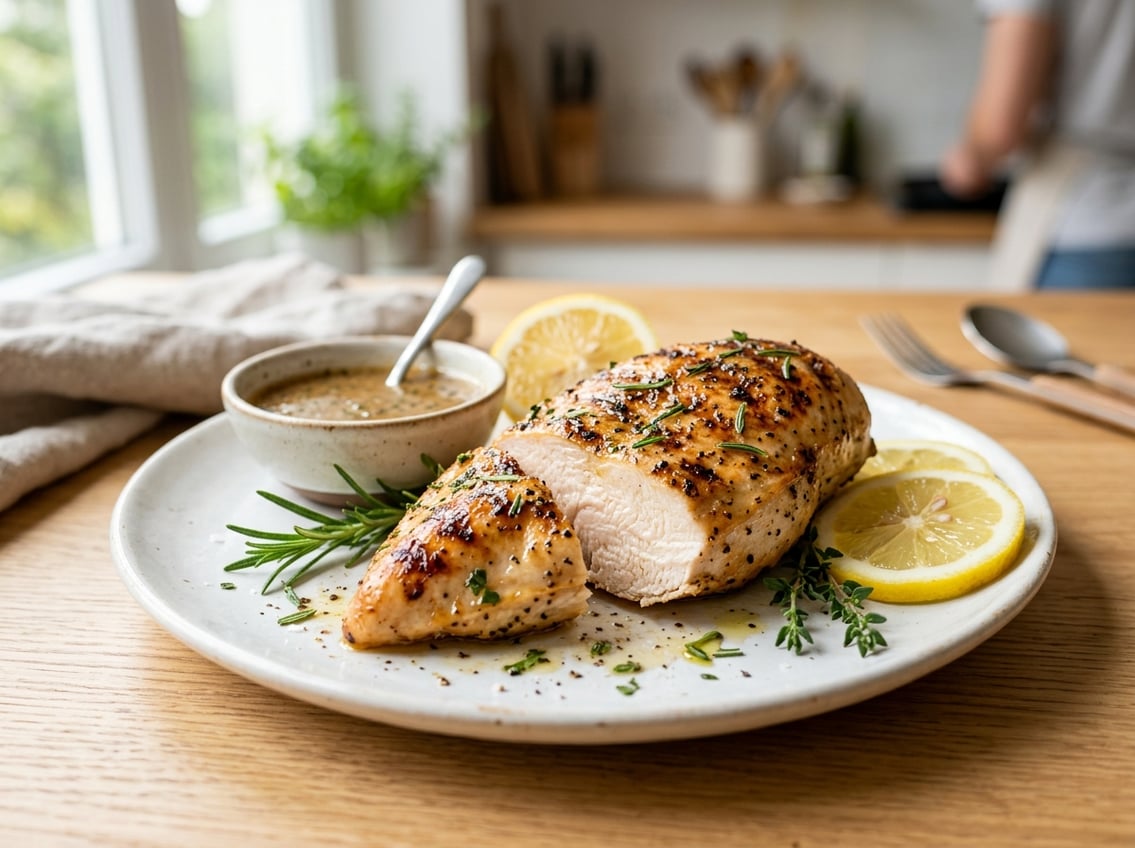
Chicken breast has a mild flavor that sits in the background until you add salt, heat, or seasoning. The cut is lean, so the taste is cleaner than fattier meats and less intense than many dark-meat cuts.
People often describe it as simple, gentle, and versatile.
Mild Savory Notes and Light Sweetness
The core flavor of chicken breast is lightly savory with a faint natural sweetness. You may notice a soft poultry taste, especially when the meat is fresh and cooked with care.
It does not usually have a strong aroma or a heavy aftertaste.
Chicken breast works in many dishes because its mild flavor supports herbs, citrus, butter, soy sauce, cream, and spice.
How Chicken Flavor Compares With Dark Meat
Chicken breast tastes less rich and less fatty compared with thighs or drumsticks. Dark meat brings deeper flavor because it contains more fat and connective tissue.
Breast meat tastes cleaner and more neutral, which some people prefer for simple meals.
If you want a stronger chicken taste, dark meat gives you more of it. If you want a lighter flavor that takes on seasoning easily, chicken breast is often the better choice.
What Boneless Chicken Breast Usually Tastes Like
Boneless chicken breast usually tastes the same as other breast meat, just easier to cook quickly and evenly. Since it lacks skin and bone, the flavor depends more on cooking method than on natural richness.
A properly cooked boneless chicken breast tastes mild, lean, and slightly juicy.
That same leanness can make it seem bland if you do not season it well. It works best when you build flavor on the surface and protect moisture during cooking.
Texture, Juiciness, and Overall Eating Experience
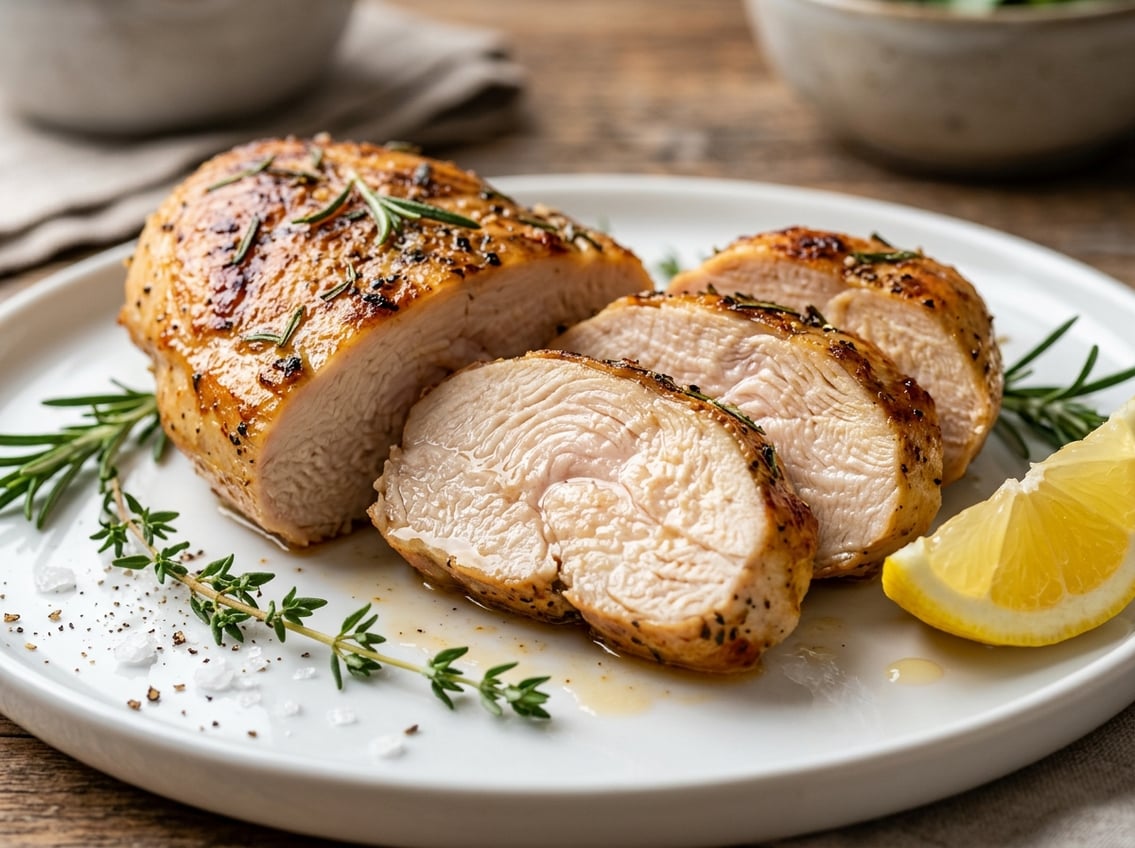
Chicken breast tastes best when the texture stays tender and moist. Because the cut is lean, your cooking method matters as much as the seasoning.
The mouthfeel can shift from clean and soft to dry and tough very quickly.
Why Properly Cooked Breast Tastes Clean and Tender
When you cook chicken breast to the right temperature, it feels firm but still juicy. The flavor reads as clean because the meat stays moist and the fibers stay intact.
That tender texture helps you notice the mild savory taste more clearly.
Proper cooking also gives you a better aroma and better bite. A just-cooked breast feels pleasant because it is not greasy, heavy, or chewy.
How Overcooking Changes Flavor and Mouthfeel
Overcooking pushes moisture out of the meat, and that changes both taste and texture. The breast can become chalky, stringy, or dry, which makes the mild flavor seem weaker.
Dry chicken also tends to need more sauce because it feels less satisfying on its own.
Why Some Store-Bought Pieces Taste Rubbery or Bland
Some packaged chicken breasts taste rubbery because of processing, uneven sizing, or poor cooking. Very large or heavily trimmed pieces can cook unevenly, so the outside dries before the center is done.
Meat that has been frozen, thawed, or held too long may also lose some freshness.
Poor handling can flatten the flavor too. If the chicken does not smell fresh or if it has been pumped with excess liquid, the natural chicken taste can seem weaker.
What Changes the Flavor Most
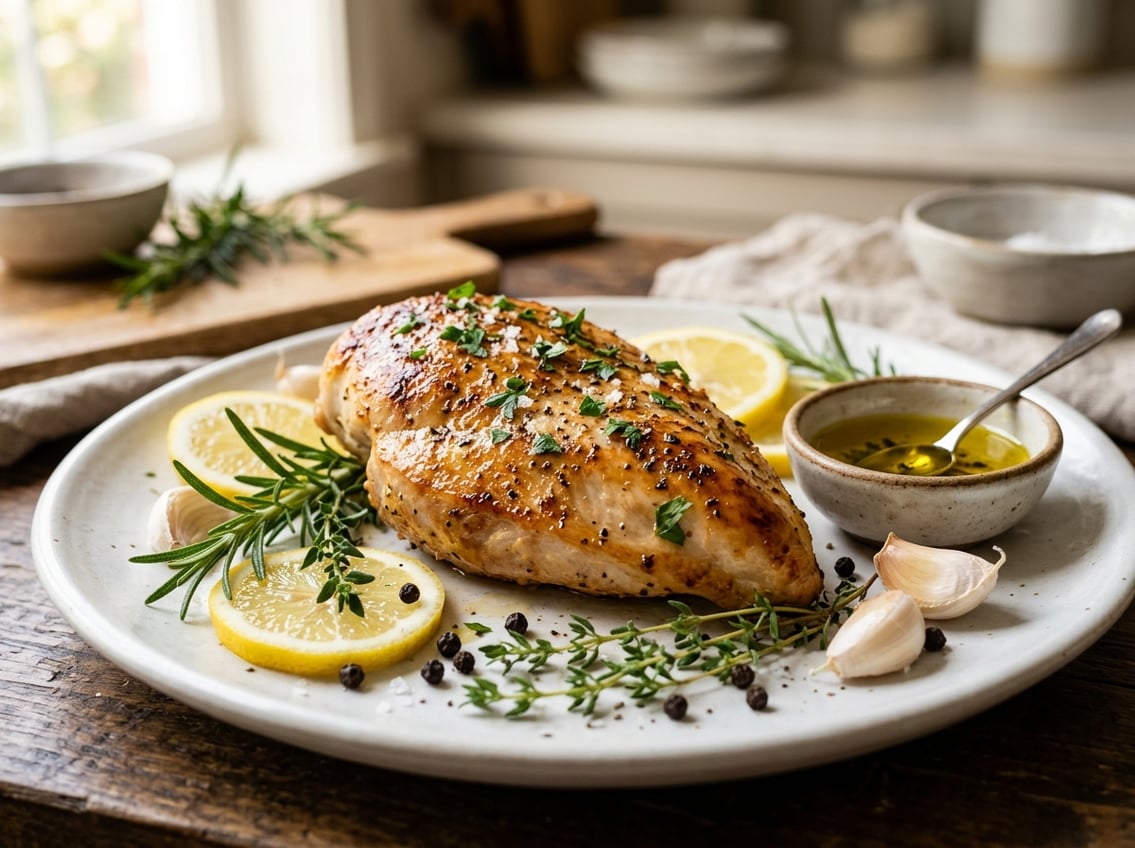
Chicken breast is a blank canvas, so flavor changes fast based on how you cook it and what you add to it. Heat, salt, fat, acidity, and resting time all shape the final taste.
Even the chicken itself can vary by breed, diet, and processing.
Cooking Methods That Build More Flavor
High-heat methods like grilling, roasting, and pan-searing create browning, which adds a deeper savory taste. That browned surface gives chicken breast more complexity than boiling or steaming.
Gentle roasting can also keep the meat juicier while still giving you a more developed flavor.
Slow, wet methods can work too, especially when you want a softer result. The key is to avoid drying the meat before the flavor has time to build.
Seasoning, Marinades, and Brining
Salt is one of the biggest flavor boosters for chicken breast. A simple brine or marinade helps the meat hold moisture and taste more seasoned all the way through.
Herbs, garlic, lemon, paprika, soy sauce, and olive oil all work well with the mild chicken flavor.
For a quick flavor upgrade, a simple marinade can do a lot. The idea of coating boneless chicken breast with pesto before roasting shows how a strong seasoning base can change the taste fast.
Breed, Diet, Freshness, and Processing
Freshness affects both aroma and taste. Fresh chicken breast usually has a mild, clean smell and a firmer feel, while older meat can lose flavor and texture.
Breed, feed, and processing also influence richness, moisture, and consistency.
Some chicken products are built for convenience, not peak flavor. According to Perdue Chicken, feed and production standards are part of quality control, and that kind of detail can affect the eating experience.
Where Chicken Breast Fits in Real Dishes

Chicken breast works in meals where you want a lean protein that carries other flavors well. It fits in fast weeknight meals, meal prep bowls, salads, soups, pasta, and roasted dinners.
Its mild taste makes it easy to pair with bright, rich, or spicy ingredients.
Best Flavor Pairings for Everyday Meals
Chicken breast pairs well with lemon, garlic, thyme, rosemary, black pepper, and olive oil. It also tastes good with rice, potatoes, roasted vegetables, and simple pan sauces.
If you want more richness, add butter or a creamy finish.
These pairings work because they add contrast to the mild meat. A little acid, salt, and fat can make the chicken flavor seem fuller without hiding it.
How It Works Across Different Chicken Dishes
In simple chicken dishes, breast meat gives you a light, clean taste that suits salads, wraps, and grain bowls. In soups or casseroles, it soaks up broth and seasoning well.
In stir-fries or sandwiches, it stays flexible and easy to slice or shred.
Chicken breast adapts to many cooking styles without needing a strong built-in flavor.
Why Rich Preparations Like Coq au Vin Taste Different
Rich dishes such as coq au vin taste different because the sauce, wine, mushrooms, and aromatics shape the chicken more than the meat itself.
In those dishes, the cooking liquid infuses chicken breast, making it seem deeper and more complex.
The breast still tastes mild at its core.
However, the finished dish feels fuller and more layered.


