
How Are Chicken Thighs Supposed to Smell: Freshness, Spoilage, and Safety
You should expect raw chicken thighs to have a mild, almost neutral scent. The smell should be clean, slightly meaty, and not sharp or sour.
If you detect a strong sour, sulfuric, ammonia-like, or distinctly rotten odor, throw the thighs away. Those smells reliably indicate spoilage.
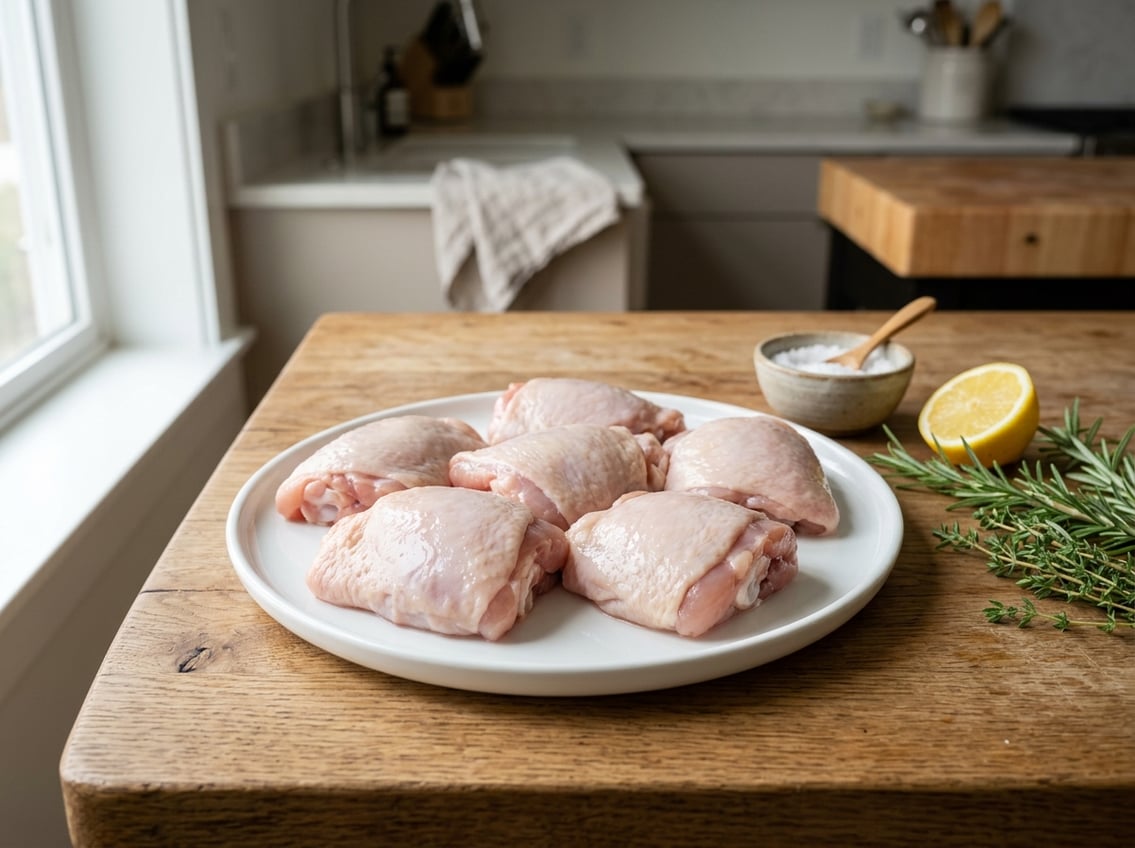
Normal chicken smell differs by cut and cooking method. You can spot visual and textural cues that confirm an off-odor.
Storage or handling mistakes often cause unpleasant smells. Use practical checks at the grocery store and at home to decide if your chicken thighs are safe to cook.
Identifying the Normal Smell of Fresh Chicken Thighs
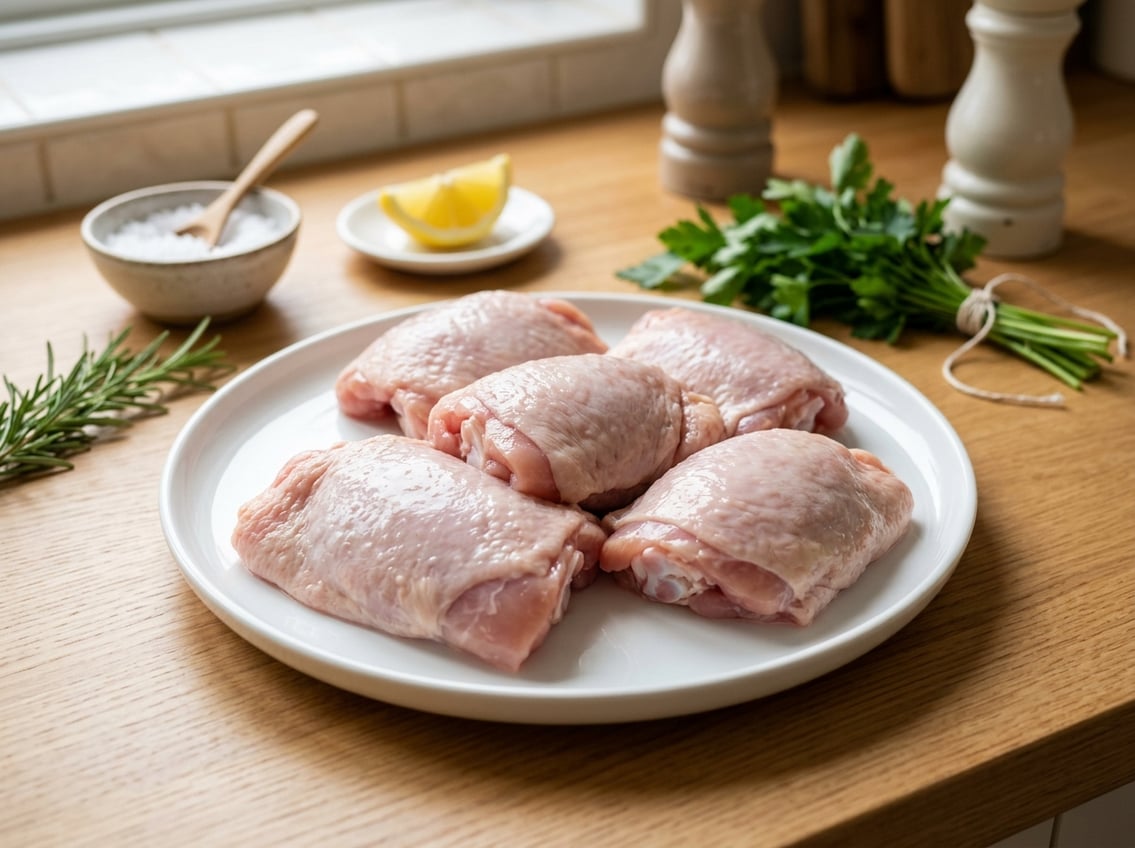
Expect a faint, meaty scent without sour, sulfurous, or chemical notes. Use smell alongside color and texture to judge freshness and safety.
Typical Aromatic Profile
Fresh raw chicken thighs give a subtle, slightly meaty odor that is neither strong nor offensive. You may notice a mild metallic or iron note near the bone because thighs contain more blood-rich tissue than breast meat.
Avoid odors described as sour, ammonia-like, rotten, or eggy. Those indicate bacterial byproducts such as amines or hydrogen sulfide.
A faint “raw meat” smell is normal, but a persistent sharp tang or chemical aroma is not. Smell the meat with the package briefly opened and at arm’s length. If you notice an immediate sharp odor, discard the chicken.
Difference From Chicken Breasts
Thighs usually smell a bit stronger than breasts due to higher fat and dark muscle content. You will detect more savory, fatty notes in thighs, while breasts tend to be nearly neutral or only slightly metallic.
Because thighs have more connective tissue and marrow near the bone, aroma can be stronger around joints. That difference reflects natural composition, not spoilage.
Let sourness or slime—not mild intensity—determine safety.
Freshness Indicators Beyond Smell
Smell alone can mislead, so always check texture and color. Fresh thighs are pinkish with white fat and feel moist but not slimy.
Look for gray-green discoloration, sticky or tacky surface film, or swollen packaging. If you find any of these with off-odor, discard the chicken.
Refrigerate chicken at or below 40°F (4°C) and use within 1–2 days of purchase, or freeze for longer storage. If you thaw chicken in cold water or the microwave, cook immediately.
Recognizing Signs of Spoilage in Chicken Thighs
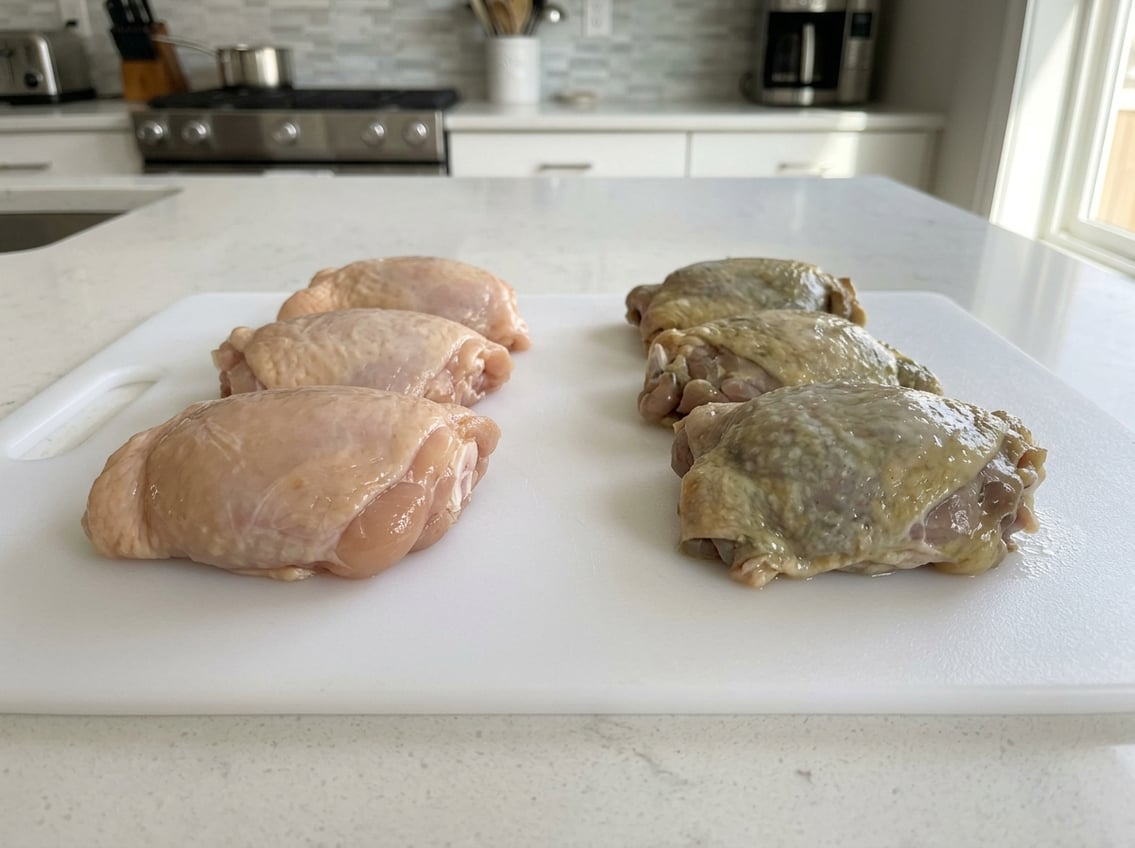
Check smell first, then use touch and sight. Strong sulfur, sour or ammonia-like odors, sliminess, discoloration, and mold are the clearest signs that chicken thighs have spoiled.
Sulfurous and Rotten Egg Odors
A sulfurous or rotten-egg smell shows bacterial breakdown of proteins or contamination with certain bacteria. If your chicken thighs release a persistent rotten-egg or hydrogen sulfide-like odor when you open the package, discard them.
Anaerobic bacterial activity or meat stored too long in the temperature danger zone can cause this odor. Do not try to mask it with spices; bacteria that cause that smell can also produce toxins, so discard the chicken.
Sour or Ammonia-Like Smells
A sharp sour or chemical, ammonia-like smell usually means proteolytic bacteria or advanced spoilage. If the raw chicken thigh gives a tangy, fermented scent or a pungent ammonia note, do not taste it.
These smells often come with increased bacterial counts even if the color looks acceptable. If cooked chicken develops a sour or ammonia odor after refrigeration, discard it.
Visual and Textural Spoilage Clues
Look for color changes to gray, green, or yellow, and any visible mold. Fresh raw chicken should be light pink with white fat.
If you see grayish flesh, green tints, or yellowed fat, do not use it. Fresh chicken is moist and slightly slippery but not tacky or slimy.
Sliminess, a sticky film, or residue on your hands after touching raw chicken indicates spoilage. Check packaging for swelling or leaks; bulging packs often mean gas-producing bacteria are present.
Why Chicken Thighs May Develop Distinct Odors
Thighs produce a stronger, deeper scent because of their fat, blood-rich muscle, and how they’re stored and raised. Tissue chemistry, packaging, and the bird’s diet and age explain most normal and abnormal odors.
Fat and Myoglobin Breakdown
Fat in chicken thighs oxidizes faster than in lean breast meat, producing mild roasted or stale notes as lipids break down. This process can create a slightly pungent aroma even when the meat is still safe to cook.
Myoglobin and residual blood near the bone give dark meat a more metallic or iron-like scent. If proteolytic bacteria begin to act on muscle proteins, you may detect faint eggy or broth-like sulfur notes.
Persistent sulfur, sour, or ammonia smells point to spoilage and require discarding the meat. Fresh raw chicken thighs smell faintly meaty and should feel moist, not slimy.
If the surface is sticky and the smell is sharp or putrid, do not use the thighs.
Packaging and Confinement Effects
Vacuum-sealed or tightly wrapped thighs can trap gases like hydrogen sulfide and other volatiles. When you open the package, that concentrated burst often seems like a stronger, sulfurous smell even if the meat is still fresh.
If the odor dissipates after 10–15 minutes of airing, the cause was likely confinement odor. Swollen packaging, cloudy juices, or slimy texture indicate bacterial growth and spoilage rather than simple trapped aroma.
Store-bought thighs refrigerated for short periods often smell milder once unwrapped. Always check the sell-by date and how long the thighs have been refrigerated alongside the odor.
Influence of Bird Diet and Age
A bird’s diet changes fat composition and volatile compounds in its meat. Chickens fed diets higher in certain grains, fishmeal, or herbs can produce thighs with more pronounced fatty or fishy notes.
Older birds have denser muscles and higher myoglobin content, which amplifies metallic and gamey scents in raw chicken thighs compared with younger birds. Backyard or pastured birds also tend to have a stronger, more complex aroma than industrially raised birds.
If you consistently notice an unusual smell from a supplier, consider switching sources or asking about feed and processing practices.
Comparing Raw and Cooked Chicken Thigh Aromas
You will notice a clear shift from a faint, meaty raw scent to richer, savory aromas as thighs cook. Pay attention to specific odor changes; some shifts indicate normal chemistry while others signal spoilage.
Transformation During Cooking
Heat triggers Maillard reactions and fat rendering that produce roasted, nutty, and savory notes. As the skin browns and fat melts, volatile compounds like aldehydes and pyrazines form and dominate the aroma.
Thighs contain more fat and myoglobin than breasts, so cooked chicken thigh smell becomes deeper and more pronounced. Slow braising yields broth-like, gelatinous scents from collagen breakdown.
High-heat searing gives toasty, caramelized top notes. Acidic marinades and aromatics alter and often mask inherent chicken thigh odor.
Undercooked meat can retain raw, slightly metallic or sulfurous hints. Overcooked meat may smell acrid from burnt proteins and oxidized fats.
Normal vs. Unpleasant Cooked Scents
Normal cooked chicken thighs smell savory, fatty, and slightly sweet from browned skin. You should detect a warm, meaty aroma without sour, ammonia, or rotten-egg characteristics.
Unpleasant cooked scents include lingering sourness, strong ammonia-like notes, or a persistent sulfur or rot odor. If the cooked meat smells off even after thorough cooking, discard it.
Musty or metallic smells suggest freezer burn or enzymatic breakdown before cooking. Combine smell checks with texture and color.
Sticky or discolored meat that smells bad is unsafe regardless of how it was cooked.
Best Storage and Handling Practices for Chicken Thighs
Store raw thighs cold, keep packaging sealed, and move cooked leftovers into shallow containers promptly. Follow temperature targets and timing to maintain freshness and reduce bacterial risk.
Refrigeration Guidelines
Keep your refrigerator at 40°F (4°C) or below and place raw chicken thighs on the lowest shelf to prevent drips onto other foods. Leave thighs in their original sealed packaging if you will use them within 24–48 hours.
Transfer to an airtight container or resealable bag if the package is damaged. If you buy bulk thighs, divide them into meal-sized portions before refrigerating to reduce repeated exposure when you open the package.
Store cooked chicken in shallow, covered containers and eat within 3–4 days. Always thaw frozen thighs in the fridge, not on the counter.
Freezing Techniques to Preserve Freshness
Freeze chicken thighs as soon as possible if you won’t use them within 1–2 days. Wrap individual portions tightly in plastic wrap or freezer paper.
Place packages into heavy-duty freezer bags or airtight containers to limit air exposure and preserve freshness. Label each package with the date and use within 4–9 months for best quality.
Aim for 4–6 months if you expect frequent temperature fluctuations in your freezer. To thaw safely, move frozen thighs to the refrigerator for 24 hours or use cold water changed every 30 minutes for faster thawing.
Cook immediately after thawing by the faster methods.
Preventing Freezer Burn
Remove as much air as possible before sealing to prevent freezer burn on chicken thighs. Use a vacuum sealer if available, or press out air from zipper bags and use double-wrapping for added protection.
Keep freezer temperature at 0°F (-18°C) and avoid opening the freezer frequently. If you spot white, dry patches, trim affected areas before cooking.
The meat remains safe but may be drier and less flavorful.
Minimizing and Managing Unpleasant Chicken Thigh Smells
Prevent or reduce off-odors by controlling temperature, packaging, and quick prep steps. Use simple tests—look, touch, and smell after airing—to decide whether to clean, marinate, or discard.
Safe Use of Marinades and Rinsing
Do not rinse raw chicken under cold running water to reduce pathogens. Instead, pat thighs dry with paper towels to remove excess liquid that can trap smells.
If you want to neutralize mild confinement or fatty odors, use a short acidic marinade with lemon juice, vinegar, or plain yogurt. Acids help mask and break down surface odors.
Use aromatic ingredients like garlic, ginger, fresh herbs, and ground spices to cover and complement natural chicken thigh smell during cooking. Trim excess fat and any discolored spots before marinating to reduce strong, persistent odors tied to fat or blood near the bone.
Always marinate in the refrigerator and discard marinades that contacted raw meat or bring them to a boil before repurposing.
When to Discard Questionable Chicken
If you still notice a strong sour, rotten-egg, or ammonia-like odor after airing chicken thighs for 10–15 minutes, discard them.
A sulfurous smell along with a sticky or slimy texture or gray or green discoloration means the chicken is spoiled.
Check the packaging. Bulging, leaking, or cloudy juices suggest spoilage.
Always follow time and temperature rules. Discard raw thighs kept above 40°F (4°C) for unknown periods or stored in the fridge for more than 1–2 days.
When you feel unsure, throw away questionable chicken to avoid foodborne illness.


