
Do You Cover Chicken Thighs in the Oven? Best Baking Methods Explained
You can bake chicken thighs covered or uncovered, depending on your desired result. If you want guaranteed juiciness, cover the thighs for part of the bake to trap steam. If you want crisp, golden skin, leave them uncovered or remove the cover near the end.
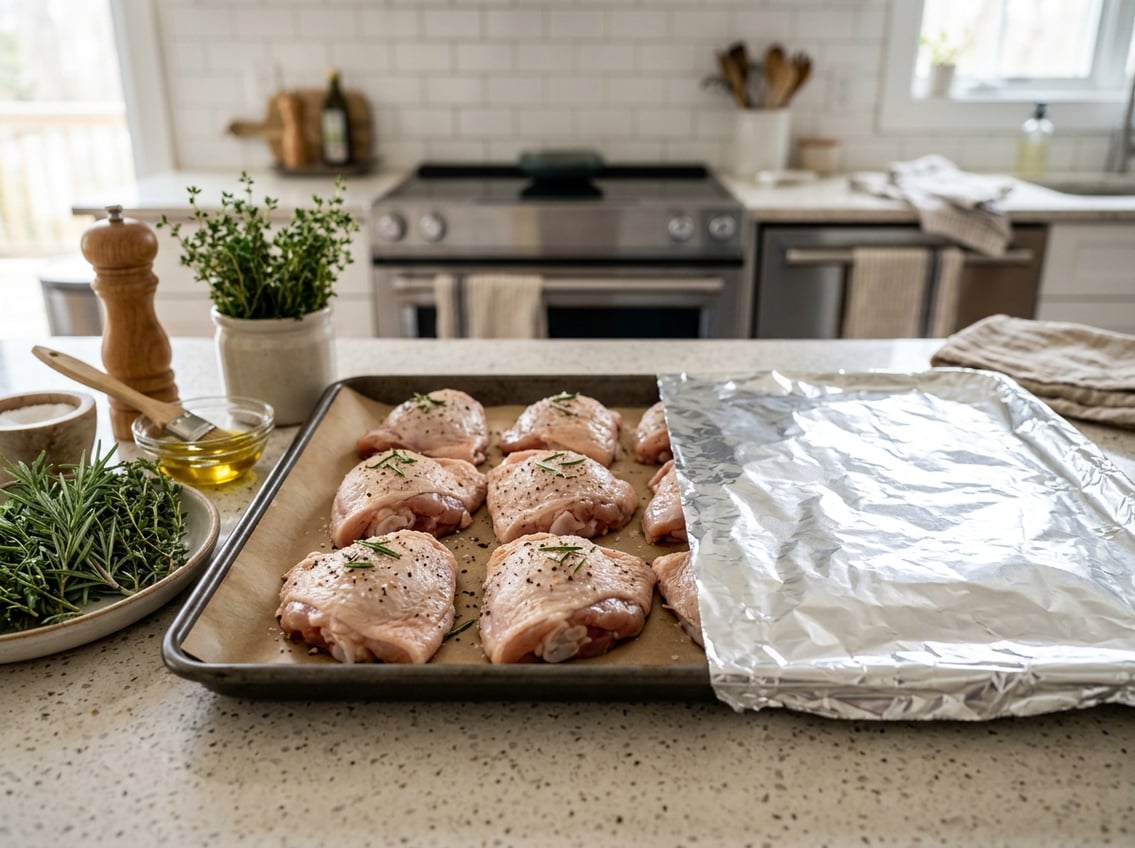
This post explains how covering affects moisture, cooking time, and texture. It also provides a simple oven-baked chicken thighs method, flavor tips, common mistakes to avoid, and adjustments for different cuts.
Use these tips to get consistent results whether you bake chicken thighs for a quick meal or a larger dinner.
Covering vs. Baking Uncovered
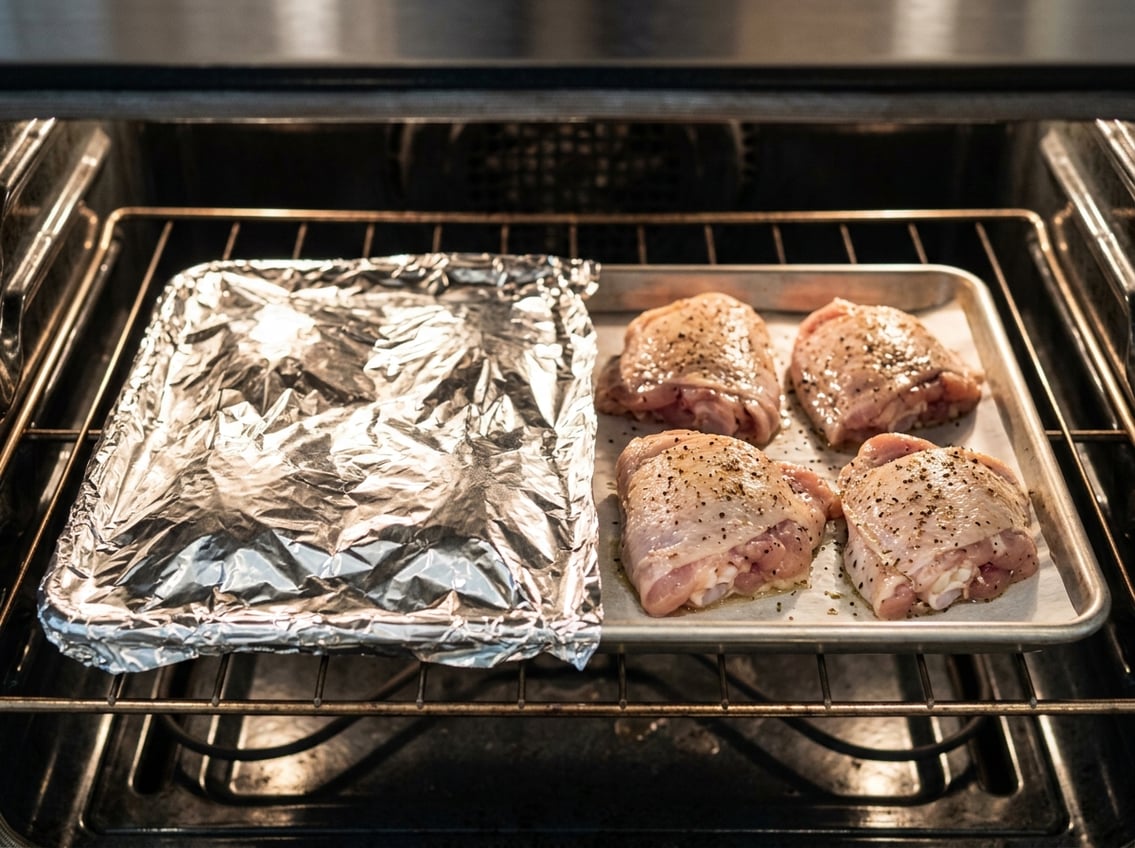
Covering chicken thighs traps moisture and slows browning. Baking them uncovered promotes crisp skin and deeper flavor.
Choose your method based on whether you want juicy meat or a crunchy exterior.
How Covering Affects Moisture and Texture
When you cover chicken thighs with foil, a lid, or a Dutch oven, you create a humid environment that keeps moisture in. This helps with bone-in or large thighs and with lean skinless thighs that dry out quickly.
Covered baking reduces direct oven heat on the surface, slowing crust formation but giving more even temperature through the meat. If you add broth or water to the pan, you increase steam and further protect the meat from drying.
Remove the cover for the last 5–10 minutes if you want slight browning without sacrificing juiciness.
Achieving Crispy Skin with Uncovered Baking
Baking chicken thighs uncovered exposes the skin to dry oven air, which promotes evaporation and crisp, browned skin. Pat thighs dry with paper towels and brush with a thin layer of oil to encourage even crisping.
Use higher heat—400–425°F (200–220°C)—for skin-on thighs. Position them skin-side up on a wire rack or baking sheet to allow airflow beneath.
Monitor internal temperature and remove when the thickest part reaches 165°F (74°C) to avoid overcooking while preserving a crunchy exterior.
When to Use Both Methods
You can combine techniques: start covered to cook thighs through, then finish uncovered to crisp the skin. For example, bake covered at 350°F (175°C) until internal temp is about 155–160°F, then increase heat to 425°F and uncover for 8–12 minutes to brown.
This works well with bone-in, skin-on thighs or when cooking with a sauce that would otherwise keep the skin soggy. Time the uncovering so the thighs hit 165°F as the skin reaches your desired color and texture.
Oven-Baked Chicken Thighs: Step-by-Step Guide
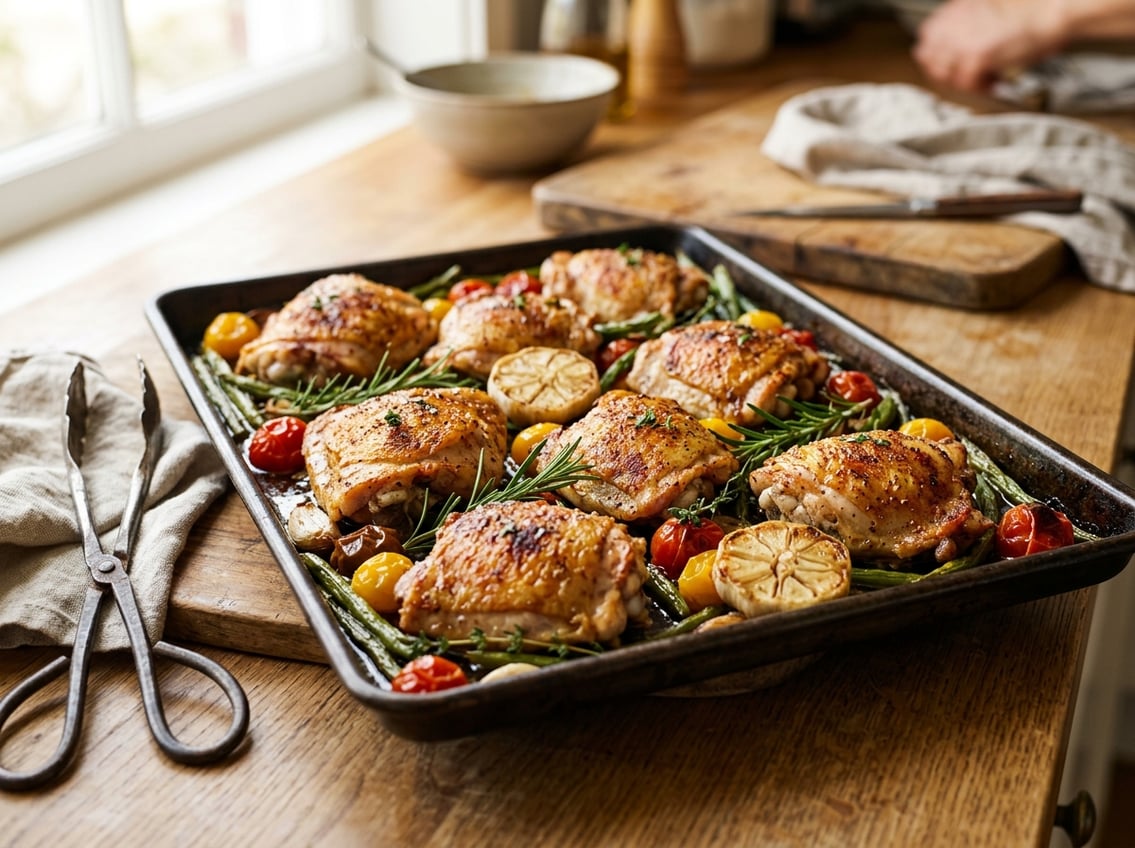
Use the right temperatures, timing, and prep steps so thighs cook evenly, reach a safe temperature, and deliver the texture you want.
Recommended Temperature and Timing
Preheat your oven to 400–425°F (204–218°C). Roast bone-in, skin-on thighs at 425°F for 25–35 minutes and start checking at 25 minutes.
Boneless thighs take about 20–25 minutes at 400–425°F. Use an instant-read thermometer and insert it into the thickest part without touching bone.
Target 165°F (74°C). For darker, more tender thigh meat, you can pull at 170–175°F, but 165°F is safe and juicy.
If you cook a tray with mixed sizes, remove smaller pieces earlier. Let thighs rest 5–10 minutes off heat so carryover cooking raises temperature and redistributes juices.
Choosing Bone-In or Boneless Thighs
Bone-in chicken thighs hold moisture and heat, yielding more forgiving results and richer flavor. Plan for 25–35 minutes at high heat.
Boneless chicken thighs cook faster and fit well in sheet-pan dinners. They take about 20–25 minutes.
Trim excess fat for even cooking and pat dry to help browning. Pick pieces similar in size and thickness for consistent timing.
For braising or long, slow cooking, use bone-in thighs. For fast weeknight bakes, boneless often works better.
Using Skin-On vs. Skinless Thighs
Skin-on chicken thighs produce crispy, browned exterior when baked at high heat. Pat the skin dry, season, and place skin-side up on a rack or sheet pan.
Baking at 425°F and finishing uncovered gives the best crisp. Skinless thighs cook faster and absorb marinades more directly, but won’t develop a crisp crust.
To add surface texture, coat skinless pieces with oil or mayonnaise and broil briefly at the end. Elevate skin-on bone-in thighs on a wire rack so heat circulates.
For tray bakes with vegetables, place thighs skin-side up on the veggies or use skinless thighs to avoid excess fat on the veggies.
Enhancing Flavor and Juiciness
Focus on salt, acid, fat, and aromatics to build flavor. Use techniques like drying skin, brining, or partial covering to preserve juiciness while achieving crisp skin.
Best Seasoning Combinations
Use salt as your baseline: kosher or sea salt at about ¾–1 teaspoon per pound for dry-brining. This helps the meat retain moisture and seasons through the flesh.
For savory-herb, mix smoked paprika, garlic powder, onion powder, dried thyme, and black pepper. Rub under and over the skin if using skin-on thighs.
For Mediterranean flavor, combine olive oil, lemon zest, oregano, and crushed red pepper. Coat the thighs and let sit for 30 minutes to an hour.
For sweet-savory, use honey or maple, Dijon, soy sauce, and smoked paprika. Apply toward the end if you cover the thighs earlier to avoid burning.
Pat thighs dry before seasoning to promote browning. If you plan to cover the chicken thighs for part of the bake, remove the cover for the final 10–15 minutes to allow the skin to crisp.
Marinating Techniques
Choose an acid, fat, and aromatics for a balanced marinade. Use a typical ratio of 3 parts oil to 1 part acid, and add aromatics like garlic, rosemary, and a teaspoon of salt.
Score the skin and marinate for at least 30 minutes at room temperature or up to 12–24 hours in the fridge for stronger flavor. Avoid over-marinating in citrus for more than 24 hours.
If you plan to bake covered, use a thicker marinade or a glaze. A wet marinade will steam when covered and help tenderness, while finishing uncovered crisps the skin.
Discard leftover marinade that touched raw chicken, or simmer it for a few minutes to use as a sauce.
Brining is an alternative to marinating. Dissolve salt in water, add sugar and aromatics, and brine bone-in thighs for 1–4 hours. This improves juiciness more reliably than oil-based marinades.
The Importance of Resting
Remove thighs from the oven when the thickest part reaches 160–163°F (71–73°C). Carryover cooking will bring them to the safe 165°F (74°C).
Rest the thighs uncovered on a wire rack for 5–10 minutes. Resting lets juices redistribute and the exterior cool slightly so the skin stays crisper.
If you baked covered, rest with the skin exposed to prevent sogginess. Tent loosely with foil only if you must keep them warm longer.
After resting, slice against the grain for the most tender bites and serve immediately.
Tips and Common Mistakes
Keep skin crisp or meat juicy by controlling moisture, heat, and timing. Small adjustments in covering, pan choice, and arrangement can change the final texture.
Preventing Dryness and Overcooking
Check internal temperature with an instant-read thermometer. Insert the probe into the thickest part without touching bone.
Remove thighs at 160–163°F (71–73°C) and rest 5–10 minutes so carryover reaches 165°F (74°C). Pat skin dry before seasoning to encourage browning.
If you marinate, wipe excess marinade from the skin before baking. Don’t rely on oven time alone.
Thigh size and bone-in vs. boneless change cook time. Reduce oven temperature by 25°F and add 5–10 minutes for large bone-in thighs if you usually follow a recipe for smaller pieces.
Using Foil and Covers
Use foil to trap moisture when you want juicier meat. Tent loose foil over the pan for the first two-thirds of cooking, then remove it to crisp skin for the final 10–15 minutes.
If you prefer crispy skin from the start, bake uncovered at 400–450°F and use a light oil on the skin. A Dutch oven or covered roasting pan gives uniform heat with less evaporation.
Remove the lid at the end if you need a crisp finish. Avoid tightly sealing foil directly on skin; it will steam the surface and prevent crisping.
For saucy preparations, cover to prevent splatter and baste once or twice.
Proper Pan Selection
Use a rimmed baking sheet with a wire rack for maximum airflow and even browning. The rack elevates thighs so hot air circulates under the pieces.
For one-pan meals, choose a heavy-duty roasting pan and spread vegetables in a single layer around the thighs. Overcrowding lowers oven temperature locally and creates steaming instead of roasting.
Dark pans brown faster. Reduce oven temp by 25°F if you switch from light to dark bakeware.
Place thighs toward the center of the oven for the most consistent heat.
Adapting Techniques for Different Cuts
Choose methods that match the cut and skin presence so you get juicy meat and the texture you want. Timing, temperature, and whether you cover the pan change when you move between bone-in/skin-on and boneless/skinless thighs.
Bone-In, Skin-On Thighs
Bone-in, skin-on chicken thighs benefit from higher heat and partial exposure to air. Start at 425°F (218°C) on a rimmed baking sheet or in a roasting pan to render fat and crisp skin.
If you want extra moist meat, tent loosely with foil for the first 15–20 minutes, then remove foil to brown for the final 10–15 minutes. Use a wire rack so hot air circulates under the thighs and skin crisps evenly.
Check internal temperature at the thickest part, not touching bone. Remove at 160–163°F (71–73°C) and rest 5–10 minutes for carryover to reach 165°F (74°C).
Season skin directly and brush with a little oil to promote browning.
Boneless or Skinless Thighs
Boneless or skinless chicken thighs cook faster and dry out more easily, so control heat and moisture. Bake at 400°F (204°C) for 18–25 minutes depending on thickness, or cover with foil for part of the cooking time to retain juices at higher temps.
If you want a browned exterior, pat thighs dry, rub with oil, and finish under the broiler for a minute or two. For very tender results, bake covered at 375°F (190°C) for 20–30 minutes, then uncover for 5 minutes to evaporate surface moisture.
Always probe the center. Remove at 160–163°F (71–73°C) and rest before serving.
Serving and Storing Oven-Baked Chicken Thighs
Plan for crisp skin or tender meat depending on whether you finished baking covered or uncovered. Handle leftovers promptly to keep them safe and flavorful.
Suggested Side Dishes and Serving Ideas
Pair bone-in, skin-on baked chicken thighs with starches and vegetables that absorb juices and balance richness.
Try roasted baby potatoes tossed with olive oil, rosemary, and garlic. Their crisp edges complement the thigh skin.
Make a simple pan sauce from drippings, a splash of white wine or chicken stock, and a pat of butter to glaze the meat.
Include bright, acidic sides to cut fat. Choose lemon-garlic sautéed green beans, a crisp cabbage slaw with apple cider vinaigrette, or a quick arugula salad dressed with lemon and Parmesan.
For grain options, offer fluffy rice pilaf or quinoa seasoned with parsley and toasted almonds.
Place vegetables like carrots and onions under the thighs so they roast in the juices for a one-sheet meal.
Storing and Reheating Leftovers Safely
Cool cooked thighs at room temperature for no more than two hours. Then refrigerate them in an airtight container.
Store them in the fridge for up to 3–4 days. Freeze in a single layer wrapped in foil or freezer bags for up to 3 months.
Label with the date to avoid keeping them too long.
Reheat gently to preserve juiciness and crispness. For best results, use a 350°F (175°C) oven on a wire rack over a baking sheet for 10–15 minutes.
Add 2–3 minutes under the broiler if you want the skin crisp. For convenience, use the microwave: cover loosely, heat in short intervals, then finish in a hot skillet or under the broiler to restore texture.
Always check that the internal temperature reaches 165°F (74°C) before serving.


