
Can You Use Chicken Thighs for Chicken Noodle Soup? Pros, Methods, and Tips
You can use chicken thighs for chicken noodle soup. They often make the broth richer and the meat more tender than breasts.
If you want a hearty, homemade chicken noodle soup that stays juicy and full of flavor, choose thighs—bone-in if possible—for the best results.
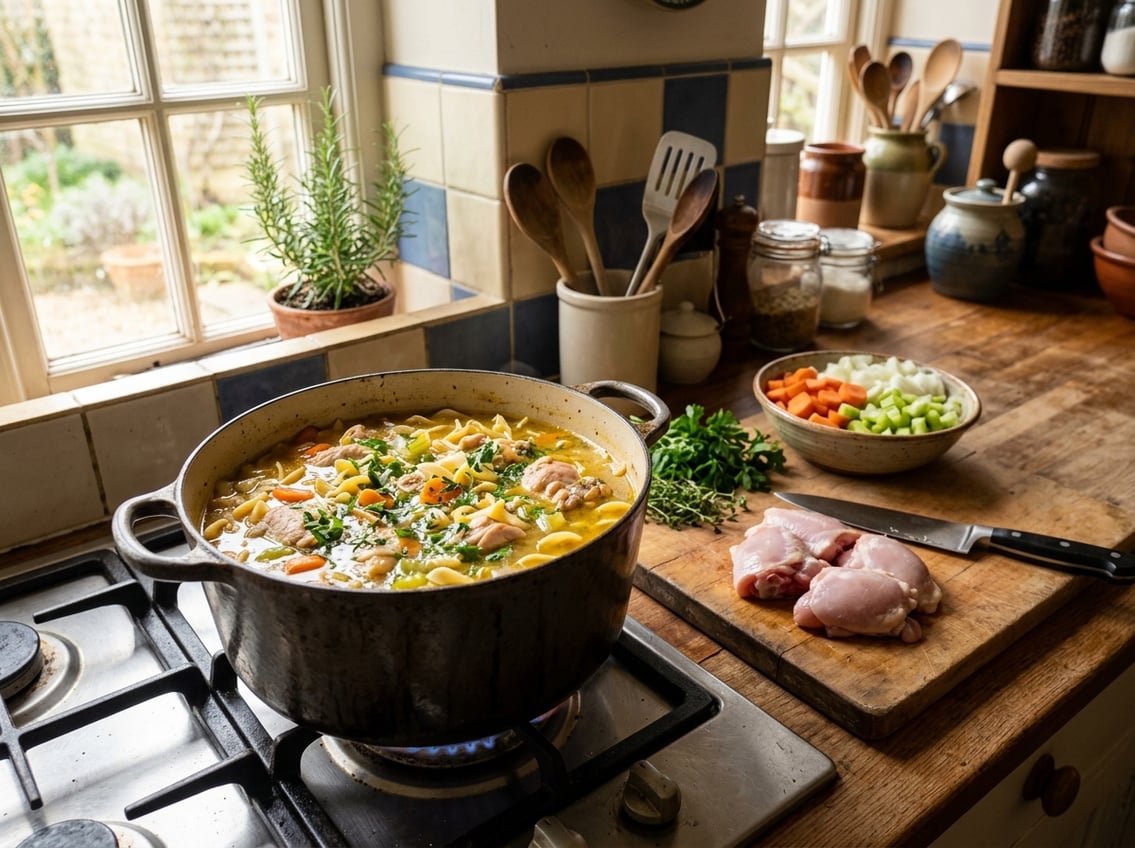
Chicken thighs work well for comfort food classics. You can pick the right cuts, use simple prep and cooking methods that keep meat tender, and try easy flavor boosters to deepen your broth.
Whether you want an easy chicken noodle soup shortcut or a truly rich, homemade version, these tips help you make a satisfying soup. It keeps well and adapts to shortcuts or variations.
Why Chicken Thighs Are Ideal for Soup
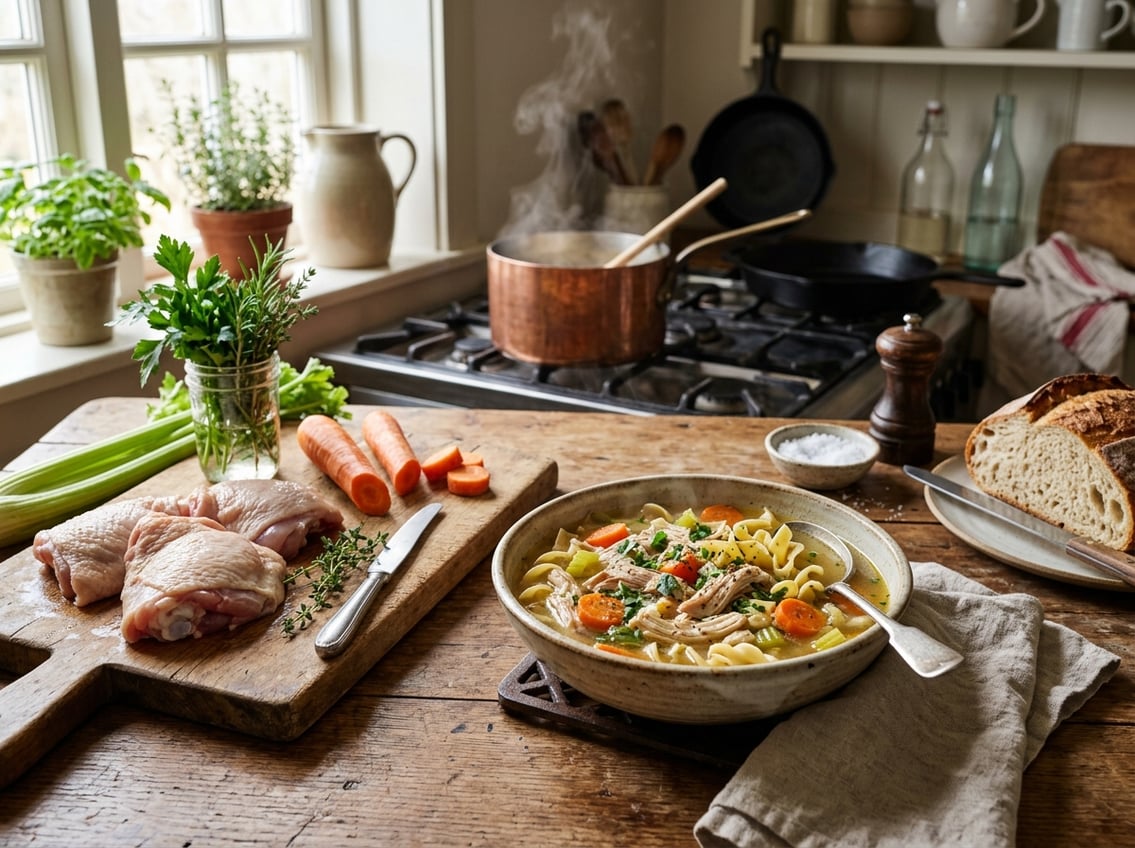
Chicken thighs give you deeper flavor and tender meat that won’t dry out. They are a budget-friendly option that works with bone-in or boneless cuts.
You get rich broth from bones and collagen. Dark meat offers forgiving cooking times and flexible choices for skin-on or skinless preparation.
Flavor Benefits of Dark Meat
Dark meat in chicken thighs contains more fat and connective tissue than breast meat. As thighs simmer, they release savory compounds.
If you use bone-in, skin-on thighs, the marrow and skin render, adding umami and a slight gelatinous mouthfeel. This lets the broth coat noodles and vegetables more satisfyingly.
Use boneless thighs when you want quick shredding and concentrated meat flavor without bones. Choose skinless thighs if you prefer a cleaner-tasting broth; the tradeoff is slightly less richness.
For classic chicken noodle soup, a mix of bone-in for broth and boneless for easy meat pieces balances flavor and convenience.
Texture and Juiciness
Thighs stay moist during long simmering, so your meat remains tender when you reheat or simmer again. The higher fat content prevents the stringy, dry texture you often get from chicken breast in a prolonged cook.
Bone-in thighs release collagen that turns into gelatin, giving the broth a silky body that clings to noodles and herbs. Boneless, skinless thighs still provide suppleness and shred easily, making them ideal if you prefer bite-sized pieces.
Cost and Accessibility
Chicken thighs typically cost less per pound than breasts. You can buy more meat or add extra pieces like wings and legs to deepen the stock without raising the price much.
Thighs are widely available fresh or frozen in skin-on, skinless, bone-in, and boneless forms. You can adapt a chicken thigh soup recipe to what’s on sale.
Choosing the Right Chicken Thighs
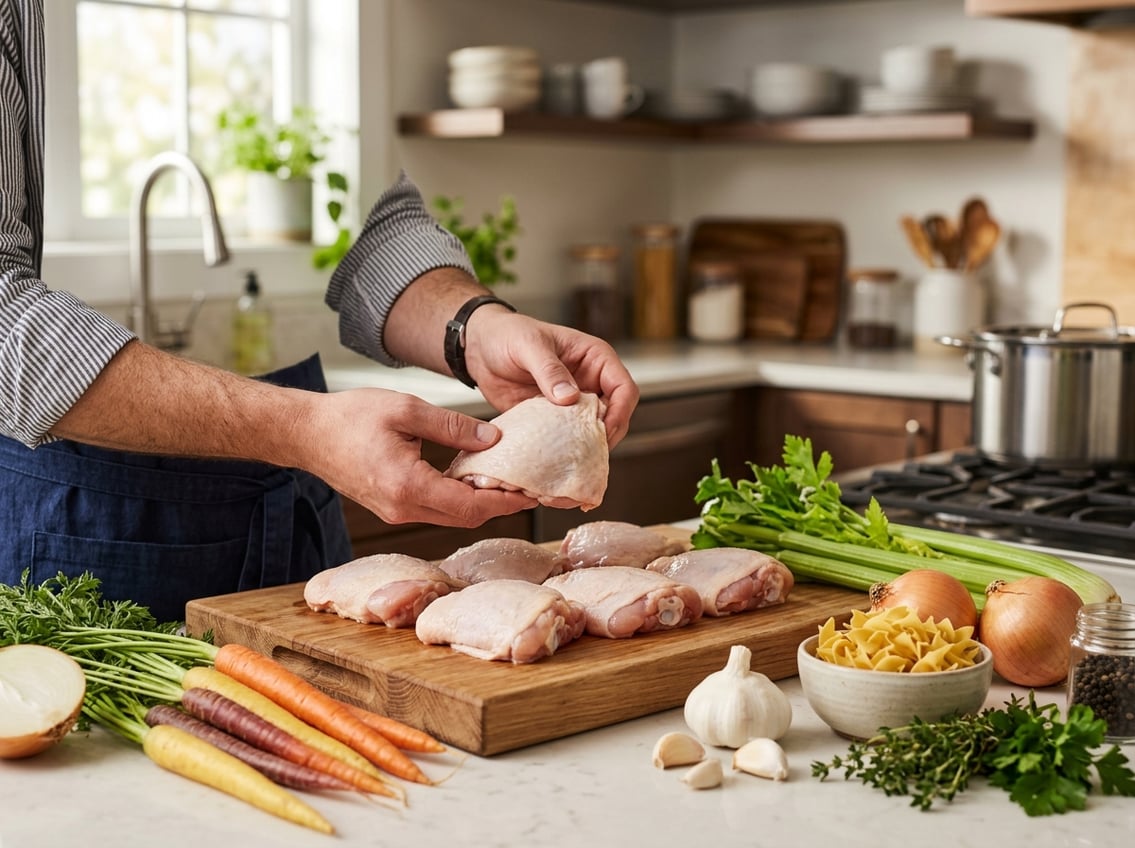
Pick thighs that balance flavor, convenience, and the final texture you want in the soup. Decide whether you want the extra richness from bones and skin or the quick prep of boneless, skinless pieces.
Bone-In vs. Boneless
Bone-in chicken thighs add depth to your broth because the marrow and connective tissue release gelatin and flavor during simmering. Use bone-in if you want a richer, slightly glossy broth and don’t mind pulling meat from the bone after cooking.
Boneless chicken thighs cook faster and are easier to shred or cube directly into the soup. Choose boneless chicken thighs when you need faster prep or a chunkier texture that blends into noodle bowls without bones.
If using bone-in, simmer gently for 25–40 minutes depending on size, then remove bones and return meat to the pot. For boneless, 15–25 minutes of simmering usually yields tender, fully cooked pieces.
Skin-On vs. Skinless
Skin-on chicken thighs give you extra fat that renders into the soup, boosting mouthfeel and body. Brown the skin first if you want a deeper savory note, then simmer.
Alternatively, leave skin on during simmering and remove before serving for a milder richness. Skinless chicken thighs reduce surface fat and produce a cleaner-tasting broth with less surface oil to skim.
Use skinless if you prefer a lighter soup or plan to strain and degrease the stock thoroughly for a clearer bowl. When starting from skin-on, watch the fat level and skim as needed.
For skinless, season more assertively because you lose some flavor fat would otherwise provide.
Fresh or Frozen Options
Fresh chicken thighs give the best texture and consistent cook times, especially when you’re aiming for evenly tender meat for shredding. Buy fresh if you plan to make soup the same day and want predictable results.
Frozen thighs are fine and often more convenient. Thaw fully in the refrigerator overnight or use the defrost setting on your microwave before simmering.
If you cook from frozen, extend simmer time and check internal temperature—165°F (74°C) in the thickest part—before shredding. Labeling matters: look for “boneless” or “bone-in” and “skin-on” or “skinless” on packaging to match your recipe plan.
Frozen packages can contain excess water. Pat pieces dry before browning to avoid steaming instead of searing.
How to Prepare Chicken Thighs for Chicken Noodle Soup
Trim excess fat, season deliberately, and decide whether to use bone-in or boneless thighs based on the level of broth richness you want. Sear the thighs to build flavor, then finish them in the pot or cook separately and shred before adding to the soup.
Trimming and Seasoning
Remove visible excess fat and any loose skin from the thighs. This reduces greasy broth and gives you cleaner flavor.
If you use bone-in thighs, leave the skin on for searing but remove it before serving if you prefer less fat in the finished soup. Season each thigh with 1/2 teaspoon kosher salt and 1/4 teaspoon black pepper per thigh, plus a light dusting of garlic powder or onion powder if you like.
Pat the seasoning into the meat so it adheres. Drizzle 1 tablespoon olive oil per pound of chicken when you’re ready to sear or roast; the oil helps browning and locks in juices.
Browning for Extra Flavor
Heat a heavy pot or skillet over medium-high heat and add a thin film of olive oil—about 1 to 2 teaspoons. Sear thighs in a single layer without crowding until each side develops a deep golden crust, usually 3–4 minutes per side for boneless and 4–5 minutes for bone-in.
After browning, remove the thighs and sauté your vegetables—onion, carrot, celery—in the same pan for 3–5 minutes until softened and aromatic. Deglaze with a splash of broth or water to lift brown bits.
Return the chicken to the pot to simmer, or shred it separately and fold into the finished broth.
Preparing for Different Cooking Methods
For stovetop simmering: brown thighs, add 1–2 quarts low-sodium chicken broth, a bay leaf, and simmer 25–35 minutes for boneless, 30–40 minutes for bone-in. Remove bones if used and shred the meat with two forks.
For oven or roasting: roast seasoned thighs at 425°F (220°C) for 20–25 minutes until internal temperature reaches 165°F (74°C). Rest 5 minutes, then shred.
This method gives a slightly roasted flavor you can add to a lighter store-bought broth. For slow cooker or Instant Pot: brown first for best flavor; then cook on low 6–8 hours or high pressure 10–12 minutes (plus natural release).
Shred right in the cooker or remove and shred before adding noodles to avoid overcooking them. Use shredded chicken to finish the soup, adding noodles only when the meat is fully tender to prevent them from becoming mushy.
Cooking Methods for Chicken Thighs in Soup
Choose a method that matches your time, equipment, and the texture you want. Simmering builds broth depth, poaching keeps meat tender, slow cookers or Instant Pots add convenience, and roasting adds caramelized flavor.
Simmering Directly in Broth
Add bone-in or boneless chicken thighs straight to a pot of chicken broth—use low-sodium chicken broth if you plan to adjust salt later. Bring the pot to a gentle simmer, not a boil, to prevent toughening.
Maintain a low simmer for 25–40 minutes depending on thigh size and whether they’re boneless or bone-in. Sauté your vegetables first in a little olive oil for 3–5 minutes to develop sweetness, then add broth and thighs.
Remove thighs when the internal temperature reaches 165°F, shred chicken, and return it to the pot with wide egg noodles added near the end so they don’t overcook. Skim fat or strain if you want a clearer homemade chicken noodle soup.
Poaching Separately
Poach thighs in a separate wide pan with just enough chicken broth or water to cover them. Add aromatics—onion, carrot, celery—and a few sprigs of thyme for flavor.
Keep liquid at a bare simmer and poach 20–30 minutes until the meat reaches 165°F. Remove thighs, shred chicken, and reserve poaching liquid to adjust soup consistency.
Use poached meat for a lighter-tasting soup or when you want to control how much chicken flavor goes into the main pot.
Slow Cooker and Instant Pot Techniques
For a hands-off option, place thighs, low-sodium chicken broth, and vegetables into the slow cooker and cook on low for 6–8 hours or high for 3–4 hours. Shred chicken in the pot and add egg noodles during the last 30 minutes on high, or cook noodles separately to avoid starch clouding the broth.
In an Instant Pot, use the sauté function to brown thighs briefly in olive oil, then add broth and aromatics and cook on high pressure for 10–12 minutes with a natural release. Remove and shred.
Both methods extract collagen from bone-in thighs, enriching the broth. Adjust seasoning after shredding and before adding noodles.
Roasting Before Adding
Roast skin-on chicken thighs at 400°F for 30–40 minutes until golden and cooked through to add depth. Roast vegetables alongside or use pan drippings for extra flavor.
Transfer roasted meat to the soup during the last 10–15 minutes of simmering so flavor melds without overcooking. Shred the roasted chicken and add it back with pre-cooked or quickly-cooking wide egg noodles.
Roasting adds caramelized notes and richer texture, which works well if you want a more robust homemade chicken noodle soup. Remove excess fat from pan drippings if you prefer a lighter broth.
Essential Soup Ingredients and Flavor Boosters
Focus on noodles that hold up without turning mushy. Use vegetables that release sweet aromatics and herbs or seasonings that deepen the broth.
Prioritize texture and layering: cook components in stages and season gradually.
Best Noodles for Chicken Soup
Choose egg noodles for their rich texture. Wide egg noodles give a hearty mouthfeel and stand up well in hot broth.
If you plan to reheat leftovers, cook noodles separately and add them when serving to avoid soggy results. For a quicker cook time, use medium egg noodles.
For a chewier bite, pick fresh egg noodles. Dried varieties are fine but will absorb more broth.
If you prefer gluten-free options, select a sturdy rice or chickpea pasta labeled for soups. Add noodles in the final 6–10 minutes of simmering if they’ll sit in the pot, or cook in salted water and drain before stirring into bowls.
Vegetables and Aromatics
Begin by sweating onions, carrots, and celery in olive oil. This classic mirepoix builds a sweet, savory base.
Sauté vegetables over medium heat until softened—about 6–8 minutes—before adding garlic to avoid burning it. Use garlic sparingly: 1–3 cloves minced will brighten the broth.
Add diced carrots and celery for texture and color, and reserve some carrot slices for garnish. If you want extra depth, roast the chicken thighs briefly or sear them in the pot to develop fond.
Add vegetables early enough to extract flavor. Keep delicate herbs and tender greens for later so they don’t disintegrate.
Herbs and Seasonings
Start with low-sodium chicken broth so you control salt level. Combine it with the cooking liquid from seared or simmered chicken thighs for a richer stock.
Include 1–2 bay leaves and 1 tsp dried thyme (or a few sprigs fresh) during simmering to add background earthiness. Season gradually: add a pinch of red pepper flakes if you want mild heat.
Finish with chopped parsley or a squeeze of lemon for brightness. Taste and adjust salt toward the end.
Use olive oil for the initial sauté and a light drizzle when serving if desired. Remove bay leaves before serving to avoid bitter bites.
Storing, Freezing, and Reheating Chicken Thigh Soup
Store cooked soup promptly and cool it quickly to limit bacterial growth. Use airtight containers and label with the date.
Plan to eat refrigerated soup within 3–4 days or freeze it for longer storage.
How to Freeze Chicken Noodle Soup
Cool soup to room temperature within 1–2 hours. Divide it into shallow containers or use an ice bath.
Leave about 1 inch of headspace in rigid containers or allow room in freezer bags for expansion.
If your soup includes egg noodles or rice, remove or undercook them before freezing. These starches get mushy after thawing.
Freeze the broth and cooked chicken separately from pasta when possible.
Use airtight freezer-safe containers or heavy-duty freezer bags. Squeeze out excess air from bags and lay them flat to freeze.
Label with the date. For best quality, use within 2–3 months.
Thaw soup in the refrigerator overnight or use the microwave’s defrost setting.
Reheat on the stove to a rolling simmer for at least 1–2 minutes, stirring occasionally to recover texture.
Tips for the Best Make-Ahead Soup
Brown the chicken thighs first for richer flavor. Shred them after cooking for tender meat that holds up well in storage.
Strain or skim fat if you prefer a clearer broth and less grease when reheated.
If you plan to freeze portions, undercook vegetables and noodles by 25–50%. Finish cooking after thawing to preserve texture.
Store meat and broth together but keep noodles or dumplings separate when practical.
Portion soup into meal-sized containers so you only reheat what you’ll eat.
Reheat once only. Cool and refrigerate leftovers promptly.
Add a splash of fresh lemon juice or chopped herbs after reheating to revive brightness.
Variations and Shortcuts
Try these options to speed up cooking or adjust nutrition without sacrificing flavor.
Use a store-bought rotisserie chicken to cut prep time, or pick low-sodium broth and lean trims to control salt and calories.
Using Rotisserie Chicken
Rotisserie chicken saves 20–40 minutes and gives you fully cooked, well-seasoned meat ready to shred.
Remove skin for less fat, then pull the breast and thigh meat into bite-size pieces.
Add the shredded chicken to the simmering broth near the end, about 5–10 minutes, to warm through without overcooking the noodles.
If your rotisserie is salty, rinse the meat briefly or use low-sodium broth and taste before adding extra salt.
Reserve any pan juices or bones for a quick broth boost. Strain and de-fat before returning to the pot.
Rotisserie chicken also works well in freezer-friendly portions. Keep noodles separate to avoid mushy leftovers.
Low-Sodium and Healthier Choices
Use low-sodium chicken broth as the base to control salt. You can add small amounts of salt at the end if needed.
If you want leaner soup, remove the skin from thighs or use a mix of thigh and boneless skinless breast. Thighs add richness, while breast reduces fat.
Increase vegetables like carrots, celery, and onion. Add herbs such as parsley or thyme for flavor instead of extra salt.
To keep chicken noodle soup healthy after reheating, cook noodles separately and store them in the fridge. Combine noodles with the soup just before serving to preserve texture and limit starch release into the broth.


