
What Are the Health Benefits of Chicken Thighs? Nutrition, Protein, and More
You can enjoy chicken thighs and still eat healthfully. They deliver concentrated protein, important micronutrients like iron and zinc, and satisfying fats that help keep you full.
A 3–4 ounce skinless thigh typically provides about 20–32 grams of protein along with B vitamins and minerals. Thighs are a nutrient-dense option that supports muscle, energy, and immune function.
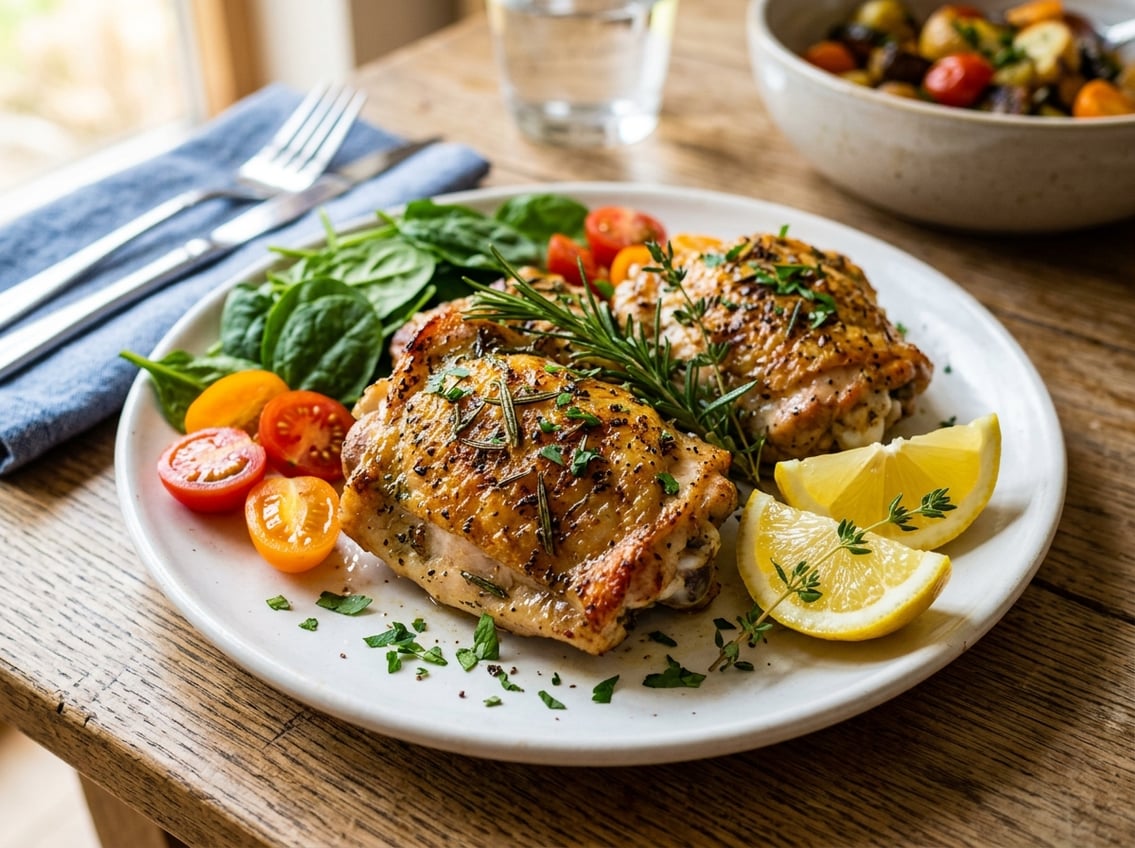
This article provides a clear nutrition overview and the specific health benefits thighs offer. You’ll also learn how they affect satiety and weight management and when to choose skinless versus skin-on.
You’ll get practical guidance on heart-healthy fats and cooking methods that preserve nutrition while maximizing flavor.
Chicken Thigh Nutrition Overview
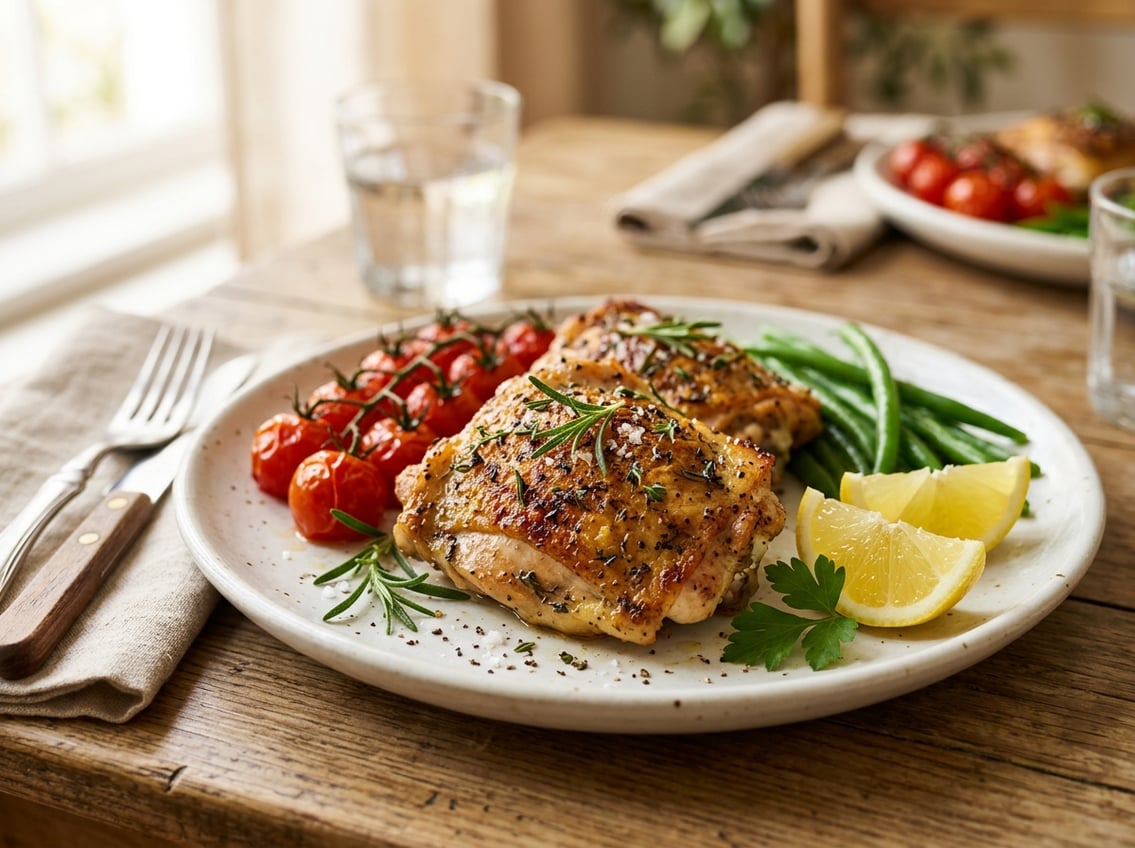
Chicken thighs deliver concentrated protein plus several minerals and B vitamins in a relatively small serving. They contain more fat than breast meat, which adds flavor and calories but also supplies fat-soluble value when eaten in moderation.
Macronutrient Profile
A typical 3‑ounce (85 g) cooked, skinless chicken thigh provides about 20–26 g of protein and roughly 9–11 g of total fat, depending on cooking method and whether skin is removed. That protein amount supports muscle maintenance, satiety, and recovery after activity.
Fat in thighs includes both unsaturated and saturated fats. Skinless thighs reduce total and saturated fat substantially compared with skin-on portions.
Carbohydrates are negligible, so thighs fit low‑carb meal plans. Calorie content ranges widely: skinless servings sit near 160–210 kcal per 3–4 ounce cooked portion, while skin‑on pieces can approach 270–300 kcal for the same weight.
If you track macros, count thighs as a high‑protein, moderate‑fat choice. Adjust portion size and cooking fat to meet daily calorie and saturated fat targets.
Micronutrients and Vitamins
Chicken thighs contain more micronutrients than breast meat, important for energy and immune function. They supply notable amounts of vitamin B12 and niacin (vitamin B3), both essential for red blood cell formation and cellular energy metabolism.
Thighs also contain other B vitamins that support neurological health. Minerals include phosphorus for bone and cellular function, iron for oxygen transport, and zinc for immune response and wound healing.
Selenium appears in useful amounts too, acting as an antioxidant cofactor. Sodium content varies with added salt and brining, so monitor that if you need a low‑sodium diet.
Eating thighs with a variety of vegetables and whole grains helps you combine those micronutrients with fiber and phytonutrients for a balanced meal.
Comparison With Chicken Breast
Compared with chicken breast, thighs have more total and saturated fat and therefore higher calories per ounce. Breast meat typically delivers about 3 g total fat per 3‑ounce cooked serving versus roughly 9 g in skinless thigh.
Protein is similar on a per‑ounce basis, though breasts can be slightly higher in lean protein density. Thighs offer higher amounts of iron, zinc, and some B vitamins (notably B12), making them a better choice when you need those micronutrients.
Breasts provide a leaner protein option if you prioritize minimal fat and lower calories. Choose thighs when you want richer flavor, more micronutrients like iron and zinc, or higher satiety from fat. Choose breast when you need a low‑fat, high‑protein option.
Key Health Benefits for the Body
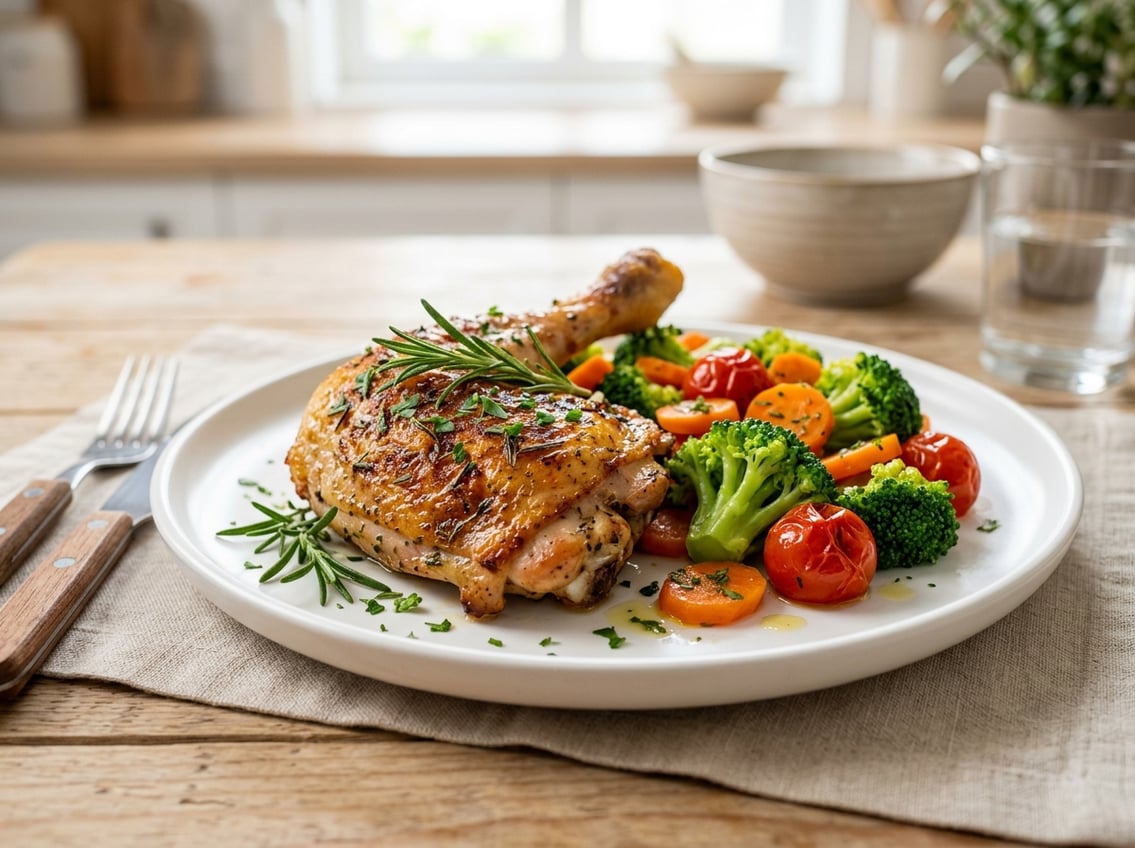
Chicken thighs deliver concentrated protein, minerals, and B vitamins that support muscle recovery, bone strength, and steady energy. You get practical amounts of nutrients like phosphorus, vitamin B6, B12, niacin, and complete amino acids in typical servings.
Support for Muscle Repair
Chicken thighs provide about 20 g of high-quality protein per 3-ounce cooked serving, supplying all nine essential amino acids your body cannot make. That complete protein is crucial after exercise or injury because it supplies leucine and other branched-chain amino acids that trigger muscle protein synthesis and help reduce muscle breakdown.
Vitamin B6 in chicken thighs aids amino acid metabolism, helping your body use dietary protein more efficiently for repair. A serving also contributes to daily protein targets that preserve lean mass during weight loss or aging.
Choose skinless, grilled or baked thighs to get muscle-supporting protein with moderate fat.
Bone Health and Density
Phosphorus in chicken thighs supports bone mineralization. A typical serving provides a substantial portion of the phosphorus you need to form and maintain bone structure.
Chicken also supplies zinc and small amounts of iron, nutrients that assist collagen formation and the cellular processes in bone remodeling. The protein and mineral content help preserve bone mass when combined with weight-bearing activity and adequate calcium and vitamin D.
If you remove the skin and limit added saturated fat, chicken thighs fit well into diets aimed at preserving bone density as you age.
Energy Metabolism and B Vitamins
Chicken thighs deliver key B vitamins—niacin, vitamin B6, and vitamin B12—that drive energy metabolism by converting carbohydrates, fats, and proteins into usable energy. Niacin supports cellular respiration and energy production, while vitamin B6 plays a direct role in glycogen breakdown and amino acid metabolism.
Vitamin B12 in chicken assists red blood cell formation and neurological function, helping you maintain steady energy levels and cognitive clarity. Including chicken thighs as part of balanced meals with whole grains and vegetables helps you sustain daily energy.
Role in Weight Management and Satiety
Chicken thighs provide concentrated protein and modest fat per serving, which can help you feel fuller between meals and maintain energy. Choosing skinless thighs and pairing them with vegetables and whole grains helps control calories while preserving nutrient density.
Impact on Satiety
Protein slows gastric emptying and raises post-meal fullness. A 3-ounce skinless chicken thigh supplies about 20 g of protein—enough to noticeably reduce hunger after a meal.
That sustained fullness can lower the chance you snack on calorie-dense foods, supporting steady energy levels through the afternoon. Fat in thighs also contributes to satiety by adding mouthfeel and slowing digestion, but it raises calories more than protein does.
If you want to maximize satiety while managing calories, keep the skin off and use low-calorie cooking methods like grilling or baking. Combine the thigh with fiber-rich vegetables or whole grains to amplify fullness per calorie.
Lean Protein for Diets
Thighs contain more fat than breast meat, but they still qualify as a quality source of lean protein when prepared without skin and excess oil. For a 3-ounce skinless serving, the balance of roughly 20 g protein to 9 g total fat delivers protein density useful for muscle maintenance during weight loss or weight-stable eating.
You can include chicken thighs in a healthy, balanced diet by monitoring portion size and cooking technique. Aim for portion control (about 3–4 ounces cooked) and plate composition: half vegetables, one-quarter whole grains, and one-quarter protein.
That approach preserves the thigh’s nutrient benefits while keeping calories aligned with your weight-management goals.
Heart Health and Healthy Fats
Chicken thighs supply protein and several types of fat that affect cholesterol and heart disease risk. Choosing skinless thighs and cooking methods like grilling or baking reduces saturated fat and lets you benefit from the healthier fats they contain.
Types of Fat in Chicken Thighs
A 3-ounce serving of skinless chicken thigh contains about 9 grams of total fat, with roughly 2 grams as saturated fat and the rest as unsaturated fats. The saturated fat raises LDL cholesterol when consumed in excess, so you should limit added saturated fats across your day if you have high cholesterol.
Most of the remaining fat is a mix of monounsaturated and polyunsaturated fats, plus small amounts of omega-3 and omega-6 polyunsaturated fatty acids. You get about 20 grams of protein per 3-ounce serving, so chicken thighs give you both protein and a moderate fat profile in one portion.
Remove the skin to cut calories and saturated fat nearly in half.
Monounsaturated and Polyunsaturated Fats
Monounsaturated fats (MUFA) in thighs, mainly oleic acid, can help lower LDL cholesterol without reducing HDL when you replace saturated fats in your diet. That shift can reduce your risk factors for heart disease over time.
Polyunsaturated fats (PUFA), including omega-6 and small amounts of omega-3, support cell function and provide essential fatty acids your body cannot make. When you pair skinless chicken thighs with vegetables and whole grains instead of fried sides or heavy sauces, you emphasize MUFA/PUFA benefits while keeping sodium and saturated fat low.
Skin-On vs. Skinless Chicken Thighs
Skin-on thighs add flavor and moisture but increase calories and fat. Skinless thighs cut fat and suit lower-calorie plans while still delivering protein and nutrients.
Cooking method and seasoning determine how much saturated fat and sodium end up on your plate.
Nutrition Changes With Preparation
Cooking method changes chicken thigh nutrition more than the cut alone. A 3.5-ounce (100 g) cooked skinless chicken thigh typically contains about 180–190 calories, ~25–27 g protein, and 8–9 g total fat.
The same portion with skin often rises to roughly 240–260 calories and 16–18 g fat because the skin holds rendered fat and any added oil used for crisping. How you cook matters: grilling or baking drains fat and preserves protein, while frying or cooking with added butter raises calories and saturated fat.
Seasonings and sauces can add sodium and sugars, so measure marinades and rubs if you track macros or blood pressure. For grilled chicken thigh, remove excess oil and pat skin dry to reduce flare-ups and limit added fats.
Skinless Chicken Thigh Advantages
Choosing skinless chicken thighs lowers total and saturated fat without significantly changing protein content. You still get about 20–27 g protein per 3–4 ounce serving.
That makes skinless thighs a practical option when you want nutrient-dense, affordable protein while cutting calories. Skinless thighs cook faster and absorb marinades more readily, which helps retain moisture in methods like baking, stir-frying, or grilling.
If you’re watching cholesterol or managing weight, removing the skin roughly halves the fat content compared with skin-on portions. Pair skinless chicken thigh with vegetables and whole grains to balance macronutrients and micronutrients.
Cooking Methods and Healthy Recipes
You can keep chicken thighs healthy by choosing low-fat cooking techniques, controlling added salt and oils, and pairing the meat with whole grains and vegetables. Focus on methods that render fat away from the meat and use herbs, citrus, or spice rubs for flavor.
Grilling, Baking, and Stir-Frying
Grilling sears fat away and gives grilled chicken thighs a charred flavor without extra oil. Use boneless, skinless thighs or remove the skin after cooking.
Marinate in lemon, garlic, and a teaspoon of olive oil to prevent sticking and add flavor. Cook over medium-high heat about 6–8 minutes per side for 1-inch-thick pieces, until internal temperature reaches 165°F (74°C).
Baking chicken concentrates flavor with minimal added fat. Roast at 400°F (200°C) on a rack so drippings fall away.
Rub thighs with smoked paprika, black pepper, and a small brush of oil, then roast 25–30 minutes. Baking preserves juiciness and lets you control sodium and sauces.
Stir-frying delivers quick cooking and crisp vegetables. Cut thighs into strips, use a nonstick pan or wok, and add just 1 tablespoon of oil for 4 servings.
Cook over high heat 4–6 minutes until browned. Finish with low-sodium soy, ginger, and scallions.
This keeps fried chicken thighs’ flavor profile but drastically reduces oil compared with deep frying.
Meal Planning and Budget-Friendly Options
You can stretch chicken thighs across several meals to save money and time. Cook a batch of baked or grilled thighs on Sunday.
Repurpose them into salads, grain bowls, tacos, and stir-fries through the week. Shred the thighs for soups and casseroles to provide protein while keeping costs low.
Buy bone-in, skin-on thighs on sale. Remove the skin after cooking to reduce saturated fat while keeping flavor during cooking.
Use versatile marinades and spice blends so one purchase covers multiple healthy chicken thigh recipes. For pantry-friendly sides, pair thighs with brown rice, quinoa, or roasted seasonal vegetables to balance meals and increase fiber.


