
Can You Get Chicken Thighs Boneless With Skin: Shopping, Preparation, and Cooking Insights
You can get boneless, skin-on chicken thighs, though they’re less common than bone-in or skinless options. You may need to visit a butcher, specialty market, or debone them yourself.
Availability varies by store and region, so knowing where to look or how to debone at home helps you get crispy skin with convenience.
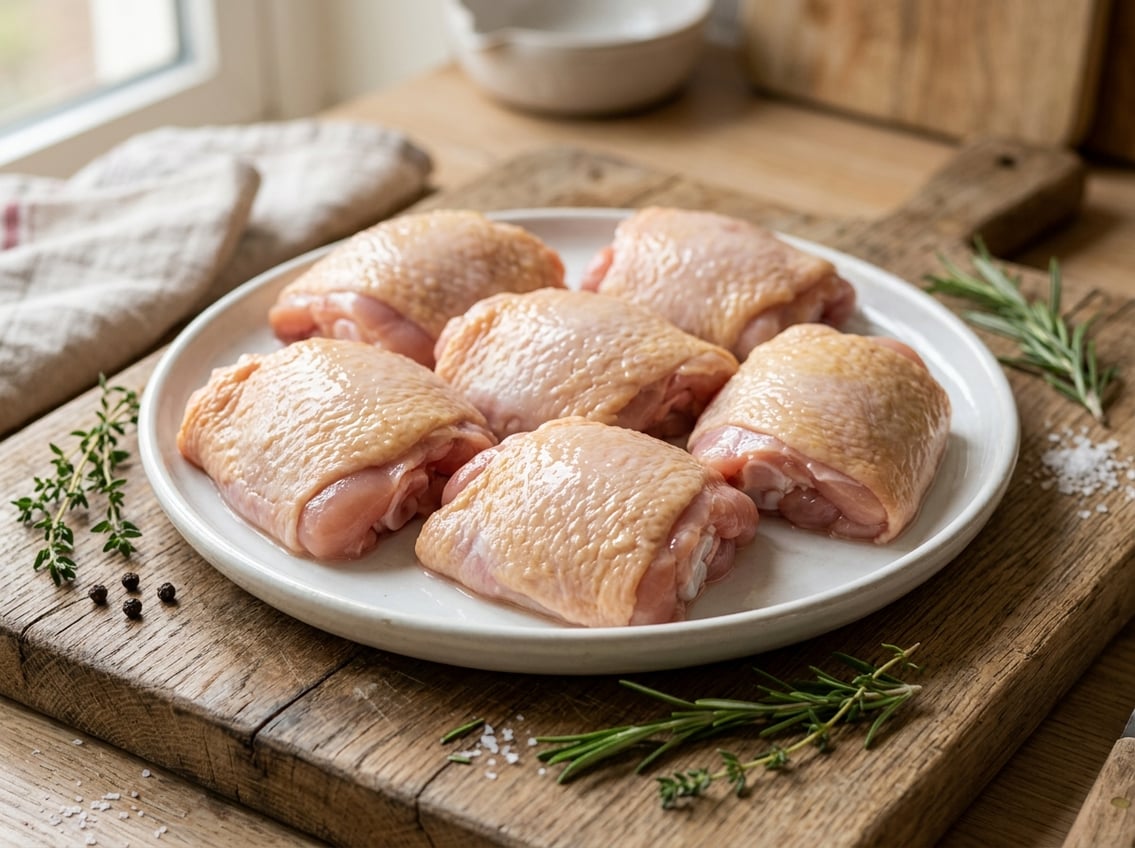
This guide covers typical cuts, where to buy them, how to ask a butcher or debone at home, and the best cooking methods for crispy skin and juicy meat. You’ll also see trade-offs between skin-on and skinless thighs, nutrition notes, and solutions for common cooking issues.
Understanding Chicken Thigh Cuts
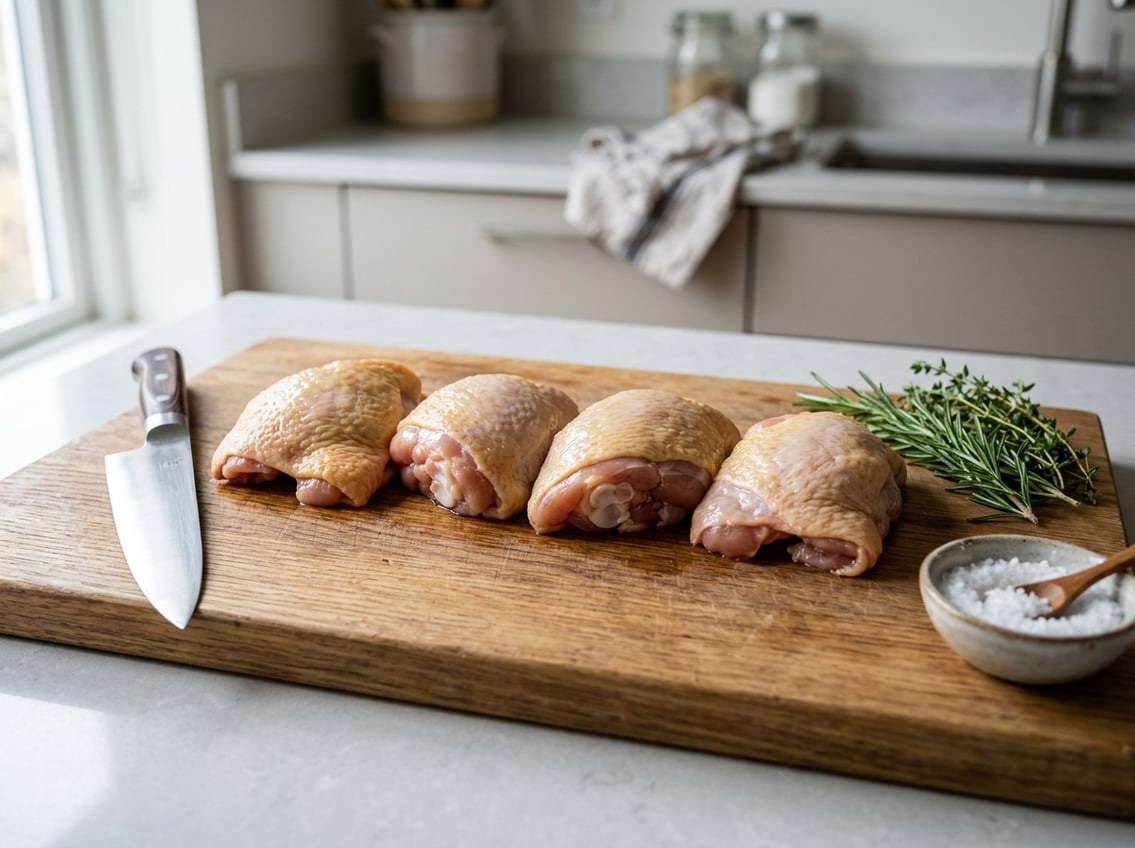
The presence or absence of bone and skin changes how chicken thighs cook, taste, and require prep. These differences affect cook time, moisture retention, and handling in recipes.
Difference Between Bone-In, Skin-On and Boneless, Skinless Thighs
Bone-in, skin-on chicken thighs retain heat and flavor during cooking. The bone slows heat transfer, so they take longer to cook but stay juicier, while the skin crisps and adds fat and texture.
Expect 10–20% longer cook times versus boneless cuts. Boneless, skinless chicken thighs cook faster and more uniformly because the bone and skin are removed.
They’re convenient for stir-fries, skewers, and quick pan-sears, but lose some fat and flavor from the skin. They also shrink more during cooking and can dry out if overcooked.
Choose bone-in, skin-on for roasting or braising when you want maximum juiciness and flavor. Pick boneless, skinless for speed, portion control, and recipes where skin texture isn’t needed.
Overview of Boneless, Skin-On Chicken Thighs
Boneless, skin-on chicken thighs cook quickly while retaining fat and crispable skin. Most stores sell either bone-in/skin-on or boneless/skinless, so you may need to ask a butcher or remove the bone yourself.
When you debone a skin-on thigh, keep the skin and connective tissue to maintain moisture during cooking. These thighs sear faster than bone-in cuts and still allow the skin to crisp.
They’re great for pan-roasting, grilling, and recipes that need quick, high heat. Request “boneless, skin-on” at the counter or buy bone-in, skin-on thighs and remove the bone at home. Save the bones for stock.
Dark Meat vs. White Meat in Chicken Thighs
Chicken thighs are dark meat, containing more myoglobin and intramuscular fat than breasts. This gives them richer flavor and more resistance to drying during higher-heat or longer cooking.
Dark meat muscles develop more connective tissue, which benefits from lower, slower cooking or methods that break down collagen. Thighs also perform well with quick, high-heat techniques due to the extra fat.
Prioritize your cooking method when choosing thigh cuts. Use skin-on or bone-in for long roasts and braises, and boneless (with or without skin) for fast, high-heat searing or recipes needing uniform pieces.
Where to Find Boneless, Skin-On Chicken Thighs
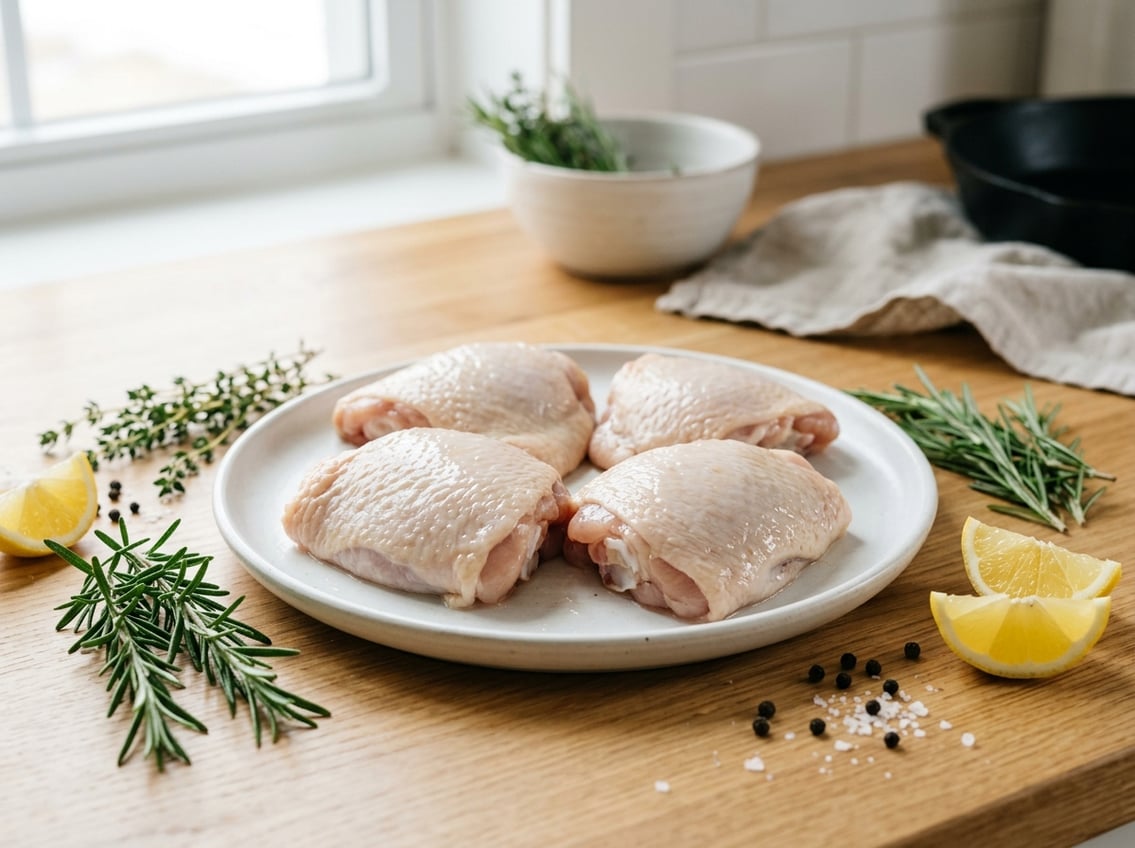
You can find boneless, skin-on chicken thighs at butcher shops, major supermarkets, ethnic markets, or online vendors. Each source varies by price, quality, and ability to request custom butchering.
Shopping at Butcher Shops
Butchers often carry or will prepare boneless chicken thighs with skin on if you ask. They can debone thighs while leaving the skin intact and can advise on breed, freshness, and recommended uses.
Ask about sourcing—local farms, pasture-raised, or organic—and inspect the color and smell before buying. Butchers can cut bulk orders and vacuum-seal packages for freezing, which helps when buying larger quantities.
Availability at Supermarkets and Warehouse Clubs
Most large supermarkets stock boneless, skin-on chicken thighs intermittently. Check the meat counter or pre-packaged fresh meat section.
Look for labels that state “boneless, skin-on” or ask the meat department to confirm. Warehouse clubs and bulk grocers often sell family packs and frozen trays, making them a cost-effective choice for large quantities.
Compare price per pound against other cuts and check sell-by dates to ensure freshness.
Exploring Ethnic and Asian Markets
Ethnic and Asian groceries often offer a wider variety of poultry cuts, including boneless pieces with skin left on. These markets sometimes sell individual thighs by count or weight, giving you more control over portion size.
You’ll often find competitive pricing and fresher turnover at these stores. If the exact cut isn’t on display, ask the counter staff; they’re usually willing to debone or leave the skin on for you.
Using Online Meat Delivery Services
Online meat retailers and subscription services sell boneless, skin-on chicken thighs with clear sourcing information and shipping options. Companies like regional butcher-box services let you order single packs or bulk quantities.
Factor in shipping cost and delivery timing. Read customer reviews for consistency and inspect packages on arrival for proper packaging and temperature control.
DIY Deboning: How to Prepare Boneless, Skin-On Chicken Thighs at Home
Deboning at home gives you juicy, skin-on thighs for pan-frying or roasting and a usable bone for stock. With a few tools and careful knife work you can remove the bone while leaving most of the skin intact.
Recommended Tools for Deboning
Use a sharp boning knife with a narrow, flexible blade about 5–7 inches long to follow the bone and make controlled cuts. A paring knife helps with trimming small bits of cartilage.
Keep kitchen shears on hand to split joints and trim excess skin or fat. Use a non-slip cutting board and a damp towel underneath to prevent shifting.
Hold slippery meat with paper towels or a silicone-grip cloth to avoid cutting your fingers. Disposable gloves help with hygiene. Have a bowl for trimmings and a container for bones to keep your workspace tidy.
Step-by-Step Deboning Process
Pat the thigh dry and place it skin-side down with the rough side up to locate the thigh bone. Curl your fingers and make a shallow lengthwise incision along the bone using the tip of the boning knife.
Work the knife tip close to the bone, using short scraping strokes to free meat from both sides. Rotate the thigh as needed to expose the bone without cutting through the skin.
Once the bone is exposed, grasp the end with a paper towel and continue scraping meat away until the bone separates. Use kitchen shears to snip any stubborn connective tissue.
Trim remaining cartilage and excess fat to produce a smooth, boneless, skin-on thigh ready for seasoning.
Tips for Preserving the Skin
Keep the skin attached by working skin-side down and avoiding deep cuts that puncture the skin. Use the knife tip and scraping motion to follow the curvature of the bone.
If the skin tears, patch it with a small flap of trimmed skin and secure it with a toothpick while cooking, or tuck the torn edges under. Chill the thighs for 15–20 minutes before deboning if the meat is very soft.
Trim only obvious excess fat; leaving a thin layer under the skin helps produce crispy results when roasting or pan-searing.
Saving Bones for Stocks and Soups
Collect bones, cartilage, and trimmings in a freezer-safe bag as you debone. Brown the bones in a hot oven for 20–30 minutes for a richer chicken stock.
Simmer bones with onion, carrot, celery, bay leaf, and peppercorns for 3–6 hours to extract flavor and collagen. Strain and cool, then refrigerate or freeze the stock.
Label containers with the date. Homemade chicken stock freezes well for up to 6 months.
Cooking Techniques and Best Uses
You can achieve juicy meat and crisp skin with the right heat, timing, and a little prep. Focus on drying the skin, controlling flare-ups, and finishing to the correct internal temperature.
Grilling Skin-On Boneless Thighs
Grill boneless, skin-on chicken thighs over medium-high heat (about 400°F) for a good char without overcooking. Pat thighs dry, salt 30–60 minutes ahead, and oil the grates.
Start skin-side down for 4–6 minutes until the skin browns and releases easily. Flip and move to indirect heat if flare-ups occur, then cook another 6–8 minutes.
Aim for 165°F for safe doneness. Rest 5 minutes before serving to redistribute juices.
Watch for dripping fat and use a two-zone fire for control.
Pan-Searing and Roasting Methods
For crisp skin and even cooking, use a cast-iron skillet and finish in a 400°F oven. Start in a cold skillet skin-side down, bring to medium-high, and let fat render slowly for 7–10 minutes.
Once the skin is browned, flip and transfer the skillet to the oven for 8–12 minutes, depending on thickness. For boneless, skin-on thighs expect 16–22 minutes total.
Use an instant-read thermometer in the thickest part to confirm 165°F. If roasting on a sheet pan, place thighs on a wire rack so air circulates and skin crisps all around.
Recipe Ideas and Flavor Pairings
Boneless chicken thighs with skin work well with bold marinades and high-heat cooking. Try a soy-ginger glaze for grilled thighs, a lemon-herb rub for pan-roasted thighs, or a smoky chipotle marinade.
Serve with sides that absorb juices, like mashed potatoes, rice, or quinoa, and quick roasted vegetables. Pan jus and yogurt-based sauces like tzatziki complement both boneless, skin-on and boneless skinless chicken thighs.
Meal plan ideas:
- Weeknight grill: soy-ginger thighs, steamed rice, cucumber salad.
- Roast skillet meal: lemon-thyme thighs, mashed potatoes, roasted asparagus.
- Fast air-fryer: spice rub thighs, quinoa, sautéed greens.
Skinless vs. Skin-On and Nutritional Considerations
Decide between higher calories and richer flavor or fewer calories and leaner protein. The skin changes fat, moisture, taste, and price, so pick the cut that fits your goals.
Calorie and Fat Comparison
A 100 g cooked skinless chicken thigh contains about 180–190 kcal and 8–9 g of fat. The same weight with the skin adds about 60–70 kcal and raises fat to roughly 16–18 g, mostly from the skin.
Skinless chicken thighs give you more protein per calorie than skin-on thighs, making them better for calorie-controlled plans. Boneless, skinless thighs remove most external fat while keeping dark-meat richness.
White meat (breast) remains leaner than either thigh option if minimal fat is your priority.
Impact of Skin on Flavor and Moisture
Chicken skin delivers concentrated fat and collagen, which crisp and brown during high-heat cooking. That browning increases flavor and helps trap juices, so skin-on chicken thighs usually taste richer and stay moister than skinless thighs.
Boneless, skin-on chicken thighs offer flavor and ease of cooking without bones. If you prefer lower fat, use marinades, brines, or shorter high-heat sears to preserve juiciness in boneless, skinless thighs.
Cost Differences Across Cuts
Processors leave more of the carcass intact, so skin-on, bone-in thighs are generally the least expensive per pound.
Additional butchering raises the price of boneless, skinless thighs, while boneless, skin-on thighs usually cost somewhere in between, depending on demand.
You can lower cost by buying whole bone-in thighs and deboning them at home, though this adds prep time.
If your budget is tight and you want convenience, look for sales on boneless skinless thighs or buy larger packs to freeze portions and reduce per-serving cost.
Common Challenges and Solutions
You’ll learn why grocery packs seldom include boneless, skin-on chicken thighs.
This section also explains how to handle and store them when you buy or make them yourself.
Practical steps cover sourcing, deboning, and protecting the skin during storage and cooking.
Why Boneless, Skin-On Thighs Are Rarely Prepackaged
Retailers usually sell either bone-in skin-on or boneless skinless thighs because of cost and handling differences.
Removing the bone while leaving the skin intact requires extra labor and skill, which raises pack cost and cuts profit margins for supermarkets.
Butchers and specialty shops can produce boneless, skin-on chicken thighs reliably because they have skilled staff and can price cuts for small quantities.
If you want the cut without doing the work, ask your butcher to debone bone-in chicken thighs while keeping the skin. You should expect a small fee or minimum order.
If you try it yourself, use sharp kitchen shears or a boning knife and work on cold thighs to keep the skin from tearing.
Save the bones for stock to recoup some value and reduce waste.
Handling and Storing Delicate Skin-On Cuts
Skin-on thighs tear more easily than skinless. Always handle them with clean, dry hands and use flat, broad motions when moving pieces.
Keep thighs skin-side up on a tray to avoid creasing. Don’t stack more than two layers to prevent pressure damage.
Refrigerate thighs at 32–39°F (0–4°C) in an airtight container lined with paper towels to absorb excess moisture. Use them within 2 days.
For longer storage, flash-freeze pieces on a sheet pan skin-side up until firm. Transfer them to a freezer bag with the date to preserve skin texture and prevent pieces from sticking together.
Move frozen thighs to the refrigerator for 24 hours to thaw. Dry the skin well before seasoning and cooking to help it crisp and avoid soggy results.


