
Why Is Chicken Thighs Better Than Breast? Expert Comparison Guide
You want chicken that stays juicy, tastes rich, and still fits your nutrition goals. Chicken thighs deliver that more often than breasts.
Thighs pack more fat and flavor, which keeps them tender during cooking. You also get extra iron and B vitamins without sacrificing protein.
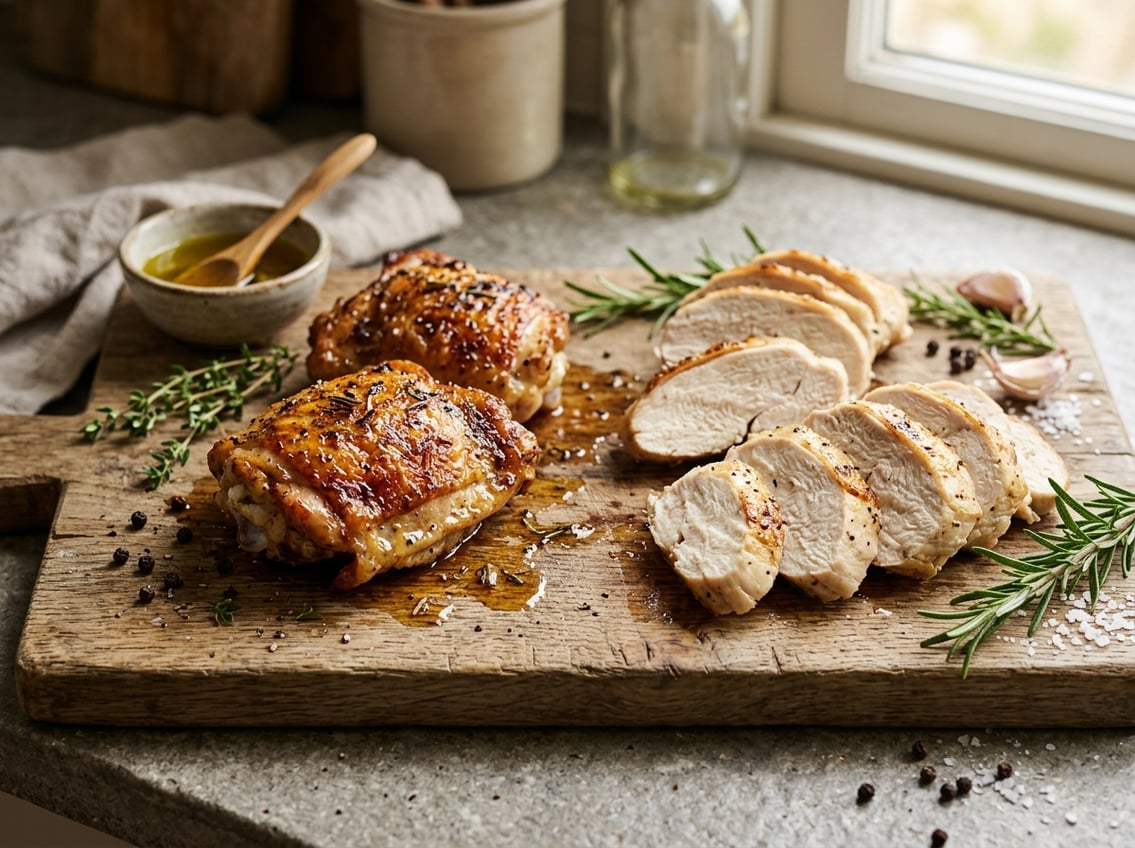
You’ll see clear nutritional differences, why thighs perform better in many recipes, and practical perks like cost and forgiving cooking methods. Compare calories, protein, and satiety to pick the cut that fits your diet and cooking style.
Key Nutritional Differences Between Chicken Thighs and Breasts
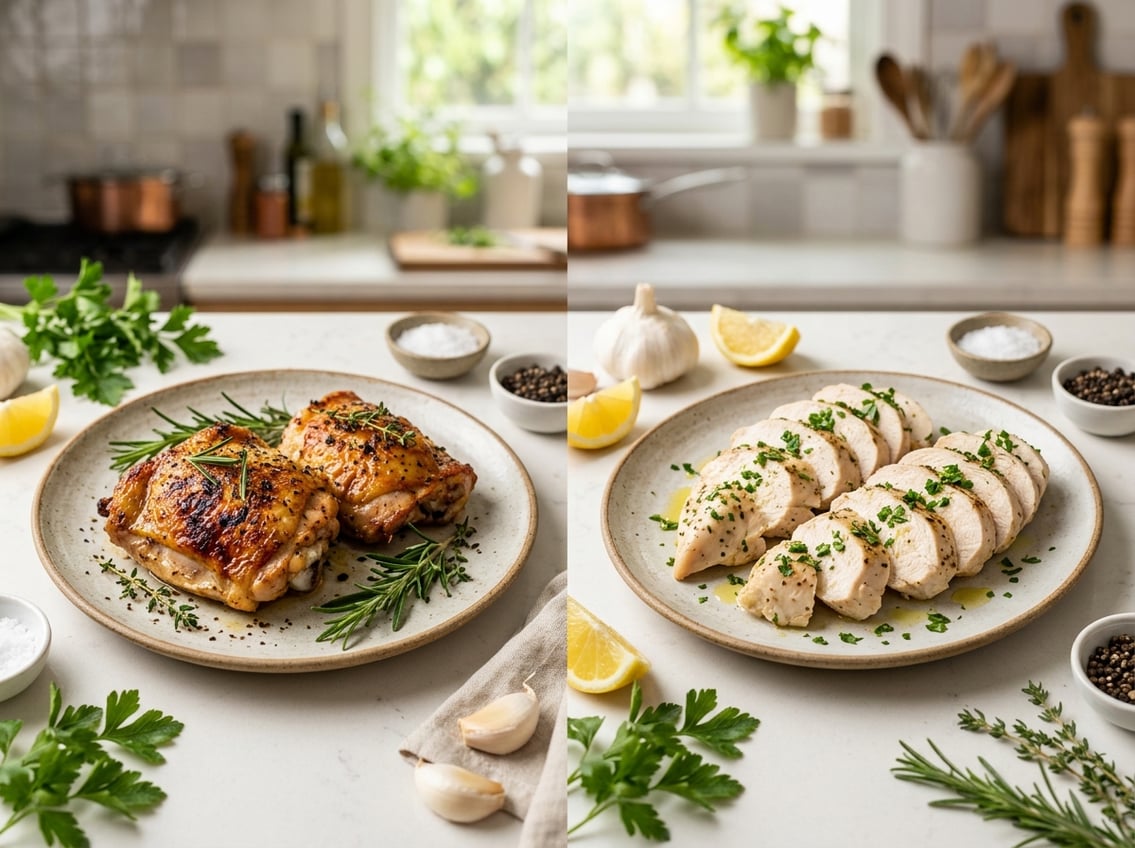
Thighs and breasts differ in calories, fat, protein density, and certain vitamins and minerals. These differences affect fullness, cooking tolerance, and how the meat supports your nutrient needs.
Protein, Calories, and Fat Content
Chicken breast is leaner per ounce and gives you more protein by weight. For example, 100 g of boneless, skinless chicken breast contains about 22–23 g protein and roughly 100–110 calories.
Skinless chicken thighs provide less protein per 100 g—around 18–19 g—and more calories, generally 140–150 kcal, because they contain roughly 6–8 g total fat.
Thighs’ higher fat content slows digestion, increases fullness, and helps with absorption of fat-soluble vitamins. Breasts fit better when you need to limit calories or saturated fat.
If you keep the skin on, both calories and saturated fat increase substantially.
Micronutrient Profiles
Chicken thighs contain higher amounts of iron and zinc per serving. These minerals support oxygen transport and immune function.
Breasts usually provide more niacin (vitamin B3) and vitamin B6, nutrients tied to energy metabolism and protein turnover.
Selenium and phosphorus appear in both cuts, but the relative proportions shift with the cut and cooking method. If you eat skinless chicken thighs, you reduce added fat while keeping the iron and zinc advantage.
Role of Myoglobin in Dark and White Meat
Myoglobin gives thighs their darker color and distinct nutritional behavior. Thigh muscles work harder, which increases iron content and contributes to the richer flavor.
That myoglobin also affects how thighs respond to heat. They resist drying and remain juicier.
White meat (breast) has less myoglobin and less intramuscular fat, so it cooks faster and can dry out if overcooked. The lower myoglobin content partly explains the breast’s lighter color and different micronutrient mix.
When you cook or choose cuts, remember myoglobin affects taste, texture, and certain nutrient levels, especially heme iron, which is more bioavailable in dark meat.
Flavor and Culinary Advantages of Chicken Thighs
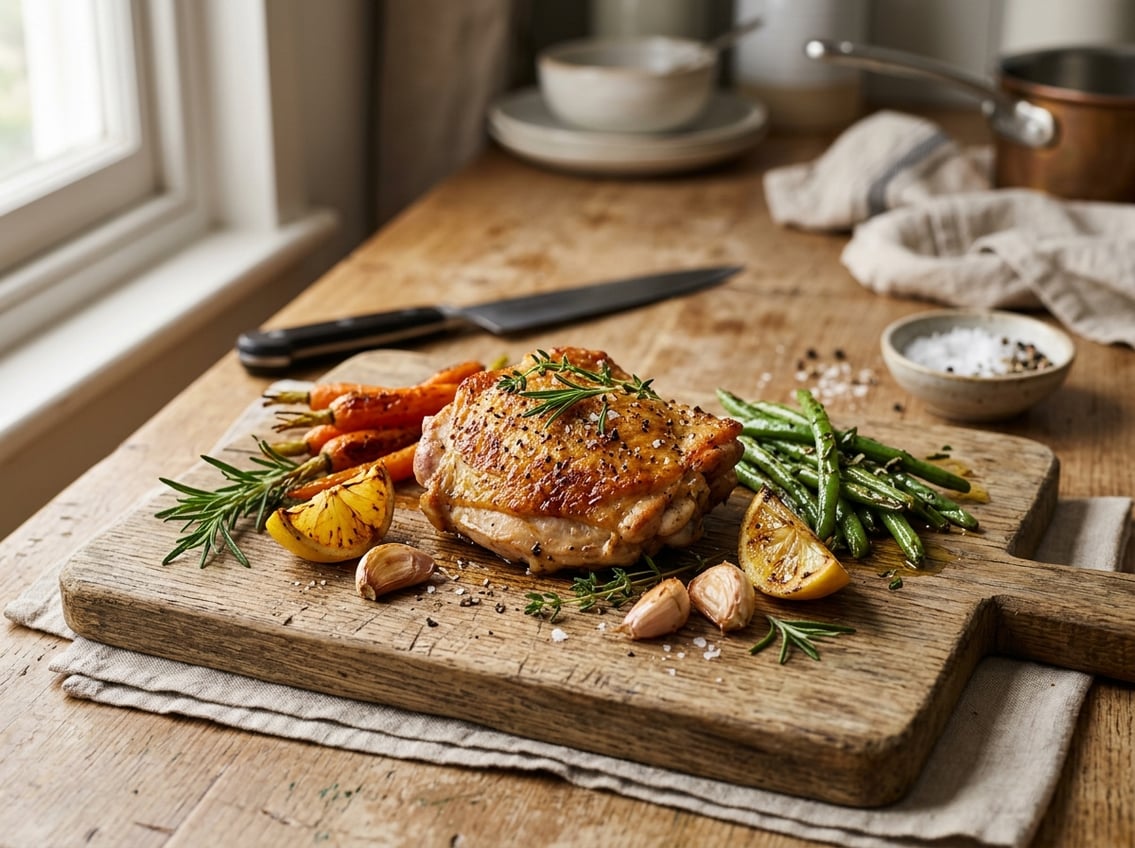
You get richer, more forgiving meat that holds up to high heat, long cooks, and bold seasonings. Thighs offer deeper savory notes and a silkier mouthfeel.
Why Fat Equals Flavor
Fat in chicken thighs carries and amplifies seasoning molecules, so your marinades and rubs taste stronger than on chicken breast. The intramuscular fat melts during cooking and releases flavorful compounds into the meat and any sauce.
If you cook skin-on thighs, rendered fat crisps the exterior and creates browning that adds caramelized, savory layers. Even skinless dark meat retains enough fat to produce pronounced taste without extra oil.
When you want concentrated flavor with less finishing fat, sear thighs to render and collect the pan juices. That liquid boosts flavor for sauces, grain bowls, and sandwiches.
Texture and Moisture Benefits
Dark meat in chicken thighs contains more connective tissue and intramuscular fat than breast. This keeps the meat tender under a wider range of temperatures.
Collagen in the thighs turns to gelatin around 175–185°F, producing a moist, silky texture. Thighs resist drying during longer cooks and reheating, so your meal stays juicy if timing slips.
For shreddable meat, cook thighs until the collagen breaks down. For slices that hold shape, pull them earlier.
Versatility in Cooking Techniques
Chicken thighs adapt to searing, braising, grilling, slow-cooking, and air-frying with reliable results. Use bone-in, skin-on thighs for roasting and grilling to get crisp skin and more flavor.
Choose boneless, skinless thighs for quick pan-frying, stir-fries, and skewers. Thighs tolerate both fast, high-heat methods and long, moist braises.
When you plan batch meals, roast a tray of thighs, shred half, and use the rest in salads or sandwiches.
Practical Perks: Cost, Availability, and Meal Prep
Chicken thighs usually cost less per pound than breasts. They are easier to find in bone-in and skin-on formats and hold up better to make-ahead cooking.
Saving Money Without Sacrificing Quality
You typically pay less for chicken thighs than for boneless, skinless chicken breast. Buying bone-in, skin-on thighs drops the price further, and you can save the bones to make stock.
If you buy thighs in bulk or on sale, portioning and freezing them reduces per-meal cost. Thighs’ higher fat content also means you can use less added oil or sauce to get satisfying flavor.
Quick checklist:
- Compare price per pound at checkout.
- Buy bone-in for stock and lower cost.
- Freeze in meal-size portions to avoid waste.
Batch Cooking and Storage
Thighs tolerate longer cooking and reheating better than breasts. Roast, braise, or slow-cook a sheet pan or pot of thighs and portion into airtight containers for 3–5 days in the fridge.
For longer storage, freeze cooked thighs for 2–4 months. Label containers with date and portion size.
When reheating, use gentle methods (oven at 325°F or covered in a skillet) to retain juiciness.
Practical prep tips:
- Cook to 165°F then rest; thighs stay juicy if held a bit longer.
- Cool quickly in shallow containers before refrigerating.
- Reheat from frozen in a covered pan for best texture.
Satiety and Nutrition for Different Diet Goals
Chicken thighs provide more fat and calories per ounce, which slows digestion and increases meal satisfaction. Chicken breasts deliver higher protein per calorie and lower fat.
Supporting Weight Loss and Satiety
If your goal is weight loss, prioritize overall calorie balance and daily protein targets. A 100 g serving of skinless chicken breast gives about 22–23 g protein and 100–110 kcal, so it helps you hit protein goals with fewer calories.
Thighs contain more fat and about 140–150 kcal per 100 g, with 18–19 g protein. That extra fat slows digestion, which often reduces snacking and helps you feel full longer.
Practical tips:
- Choose breast for tighter calorie control and post-exercise recovery.
- Choose thigh when hunger undermines your plan; reduce portion size or trim visible fat to limit extra calories.
Choosing the Right Cut for Lean Protein Needs
When you need lean protein, such as for muscle maintenance while cutting or for low-fat medical diets, chicken breasts are the clearer choice. They give more grams of protein per calorie, supporting muscle synthesis with less dietary fat.
If you prefer thighs for flavor, keep them skinless and measure portions. You can also combine strategies: use breast as the main protein source and add small amounts of thigh for variety and micronutrients.
Cooking Methods and Recipe Versatility
Thighs give you forgiving, flavorful results across high-heat searing, braising, and roasting. Breasts need more precise timing and moisture strategies to avoid dryness.
Bone-in pieces and homemade broth add depth and economical value to stews, sauces, and roasted dishes.
Best Ways to Cook Chicken Thighs
Sear skin-on, bone-in thighs in a hot pan for 6–8 minutes skin-side down to render fat and get crisp skin. Finish in a 400°F oven for 12–20 minutes until internal temperature reaches 165°F.
Boneless, skinless thighs tolerate longer cooking and higher heat, so you can grill, stir-fry, or braise them without the same risk of drying.
Use braising for stews and curries: brown thighs first, then simmer in 1–2 cups of liquid (stock, wine, or tomatoes) for 30–45 minutes until connective tissue softens.
For sheet-pan meals, toss thighs with oil and spices and roast with vegetables at 425°F for 25–35 minutes. Thighs absorb marinades well; 30 minutes to overnight improves flavor.
Preparing Chicken Breasts for Maximum Juiciness
Pound breasts to even thickness for uniform cooking. Aim for ¾–1 inch thickness.
Cook on medium-high heat for 3–5 minutes per side depending on thickness, and remove from heat at 160–162°F to rest to 165°F carryover. This prevents overcooking and dryness.
Brining (5–10% salt solution for 30–60 minutes) increases moisture retention and seasoning. Use quick pan-sears and finish in the oven, or slice thin for stir-fries and salads.
Coat in a light oil or butter and avoid prolonged high heat without moisture.
Using Chicken Broth and Bone-In Cuts
Save bones from bone-in thighs to make broth. Roast the bones at 400°F for 25–30 minutes to deepen flavor.
Simmer bones with aromatics for 4–6 hours or use a slow cooker. This process extracts gelatin, which adds body to sauces, soups, and braises.
Strain and refrigerate the broth. Skim fat if needed.
Use broth as the braising liquid for thighs or poach breasts gently at 160–180°F for tender results.
In one-pot dishes, bone-in thighs contribute collagen that thickens the sauce without added thickeners.
Broth stretches meals economically and increases nutrient and flavor density in rice, grain bowls, and stews.


