
Why Does It Say Chicken Breast With Rib Meat? Explained
When you see “chicken breast with rib meat” on the label, it means the pack contains mostly chicken breast, plus a small amount of meat from near the ribs. You are buying a chicken breast cut that was trimmed less aggressively.

That extra rib meat can change the flavor, moisture, price, and nutrition a little. If you want plain, fully trimmed breast meat, you need to know what to look for before you buy.
What the Label Means on the Package
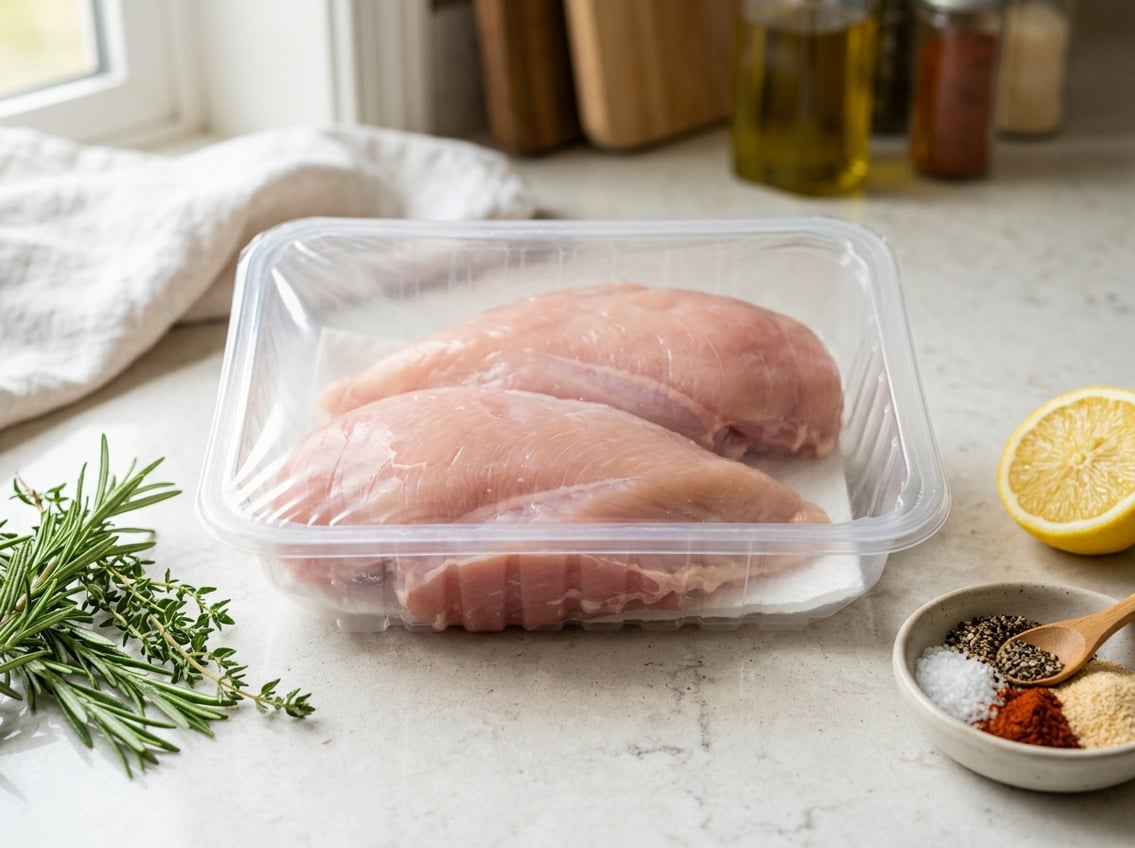
The label tells you the product is still mostly chicken breast, but it also includes rib meat that naturally sits near the breastbone. According to Chef’s Resource’s explanation of chicken breast with rib meat, the cut is not purely breast meat.
That small difference affects how the meat looks, tastes, and cooks. It also helps explain why two packages of white meat can seem similar while still having different labels.
Where Rib Meat Comes From on the Bird
Rib meat comes from the area close to the ribs and breastbone on the chicken. During processing, it stays attached to the breast, so it can remain on the cut after trimming.
You may also see it described as a small portion of meat from the rib area of the bird. It is still chicken, and it still comes from the breast region, not from dark meat or a separate cut.
How It Differs From Fully Trimmed Chicken Breast
A fully trimmed chicken breast has more of the extra meat removed, so the piece looks cleaner and more uniform. Chicken breast with rib meat may look slightly less even, with a small strip of meat attached near the bottom.
The main difference is trim level, not the type of animal part. You are still buying white meat, just with a little more of the natural structure left in place.
Why Processors Leave Rib Meat Attached
Processors leave rib meat attached because it reduces waste and increases usable yield from each bird. It can also improve flavor and help the meat stay a little juicier during cooking.
In some products, this lowers production costs and makes packaging more efficient. This does not automatically mean the chicken is lower quality; it usually means it was trimmed with a different goal in mind.
How It Affects Nutrition, Cost, and Quality
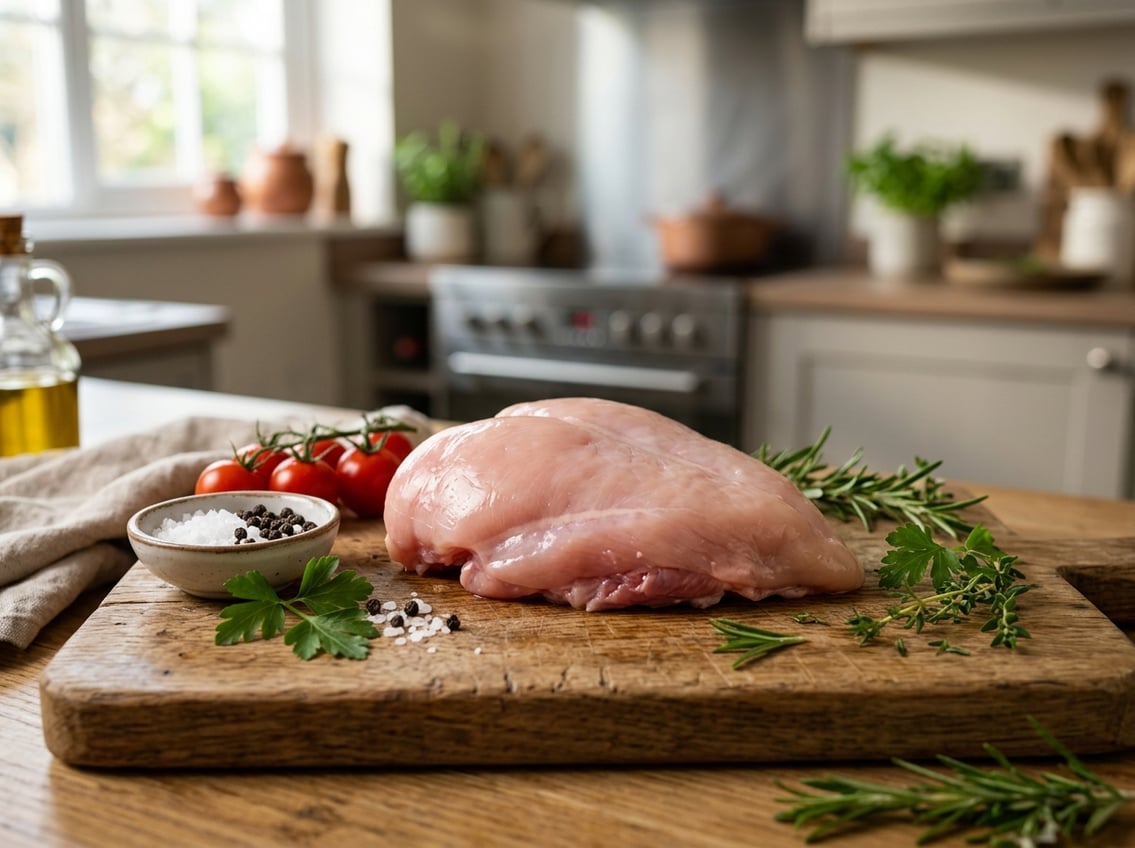
Rib meat adds a little more fat than a fully trimmed breast, which can raise calories and slightly change texture. The nutritional change is usually small, but it can matter if you track macros closely.
Price and quality also depend on how the product is sold, where you shop, and how much trimming was done. In some cases, the label can make the cut a better value for everyday cooking.
Calories, Fat Content, and Protein Content
Chicken breast is known for high protein and low fat, as noted by EatingWell’s review of chicken breast nutrition. Adding rib meat usually increases fat content a bit, which can raise calories slightly as well.
The protein content stays high because the product is still mostly breast meat. If you compare labels, you may notice small differences rather than a large nutrition gap.
Does Rib Meat Make Chicken Lower Quality
Rib meat is still chicken meat, and many cooks like it because it can bring a little more flavor and moisture than a fully trimmed breast. The label is more about cut style than quality grade.
If you want the leanest possible option, plain boneless skinless breast is a better match. Rib meat can still fit well in many meals.
Why Prices Can Differ at Grocery Stores and Butcher Shops
Prices can vary because the trim level changes yield, and yield affects cost. Grocery stores often price chicken by weight, while butcher shops may trim more or less depending on how the cut is prepared.
A package with rib meat is not always cheaper, so comparing price per pound matters. Sometimes you are paying for convenience, and sometimes you are paying for a slightly different cut from the same bird.
Best Ways to Cook It Without Drying It Out
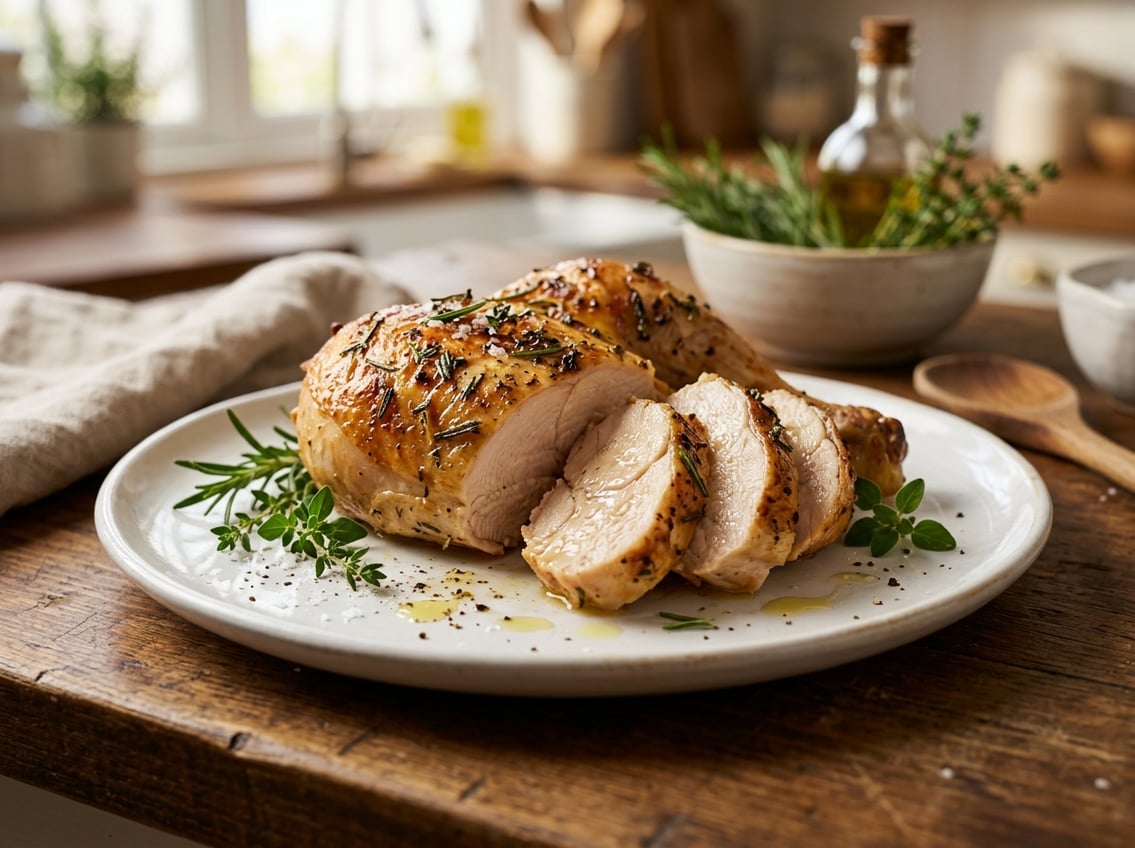
Chicken breast with rib meat cooks much like other chicken breast, yet the extra meat can give you a little more margin for moisture. That makes it useful in many meals, from weeknight skillet dishes to oven baking.
The main goal is to cook it to a safe temperature without pushing it too far. A few simple methods help keep the texture tender.
When Cooking Chicken Breast With Rib Meat Changes the Method
For most cooking methods, you do not need a major change. The piece may be slightly uneven, so the thinner parts can cook faster than the thicker center.
You should watch the shape of the cut, not just the clock. Even heat and careful timing matter more than the label itself.
Using Marinade, Pan-Searing, Braising, and Slow Cooking
A marinade can help add flavor and support moisture, especially if you plan to pan-sear the chicken. Acid, oil, salt, and herbs all work well for this cut.
For quick cooking, pan-searing gives you a browned outside and a tender inside. For longer cooking, slow cooking and braising both work well because they keep the meat moist while it finishes gently.
Safe Doneness and Why a Meat Thermometer Matters
A meat thermometer helps you avoid dry chicken. Cook the thickest part to 165°F, which is the safe doneness target for chicken.
Checking temperature matters more than guessing by color or firmness. That is especially useful when the piece has rib meat attached, since uneven thickness can make visual checks less reliable.
When You Will See It in Everyday Chicken Products
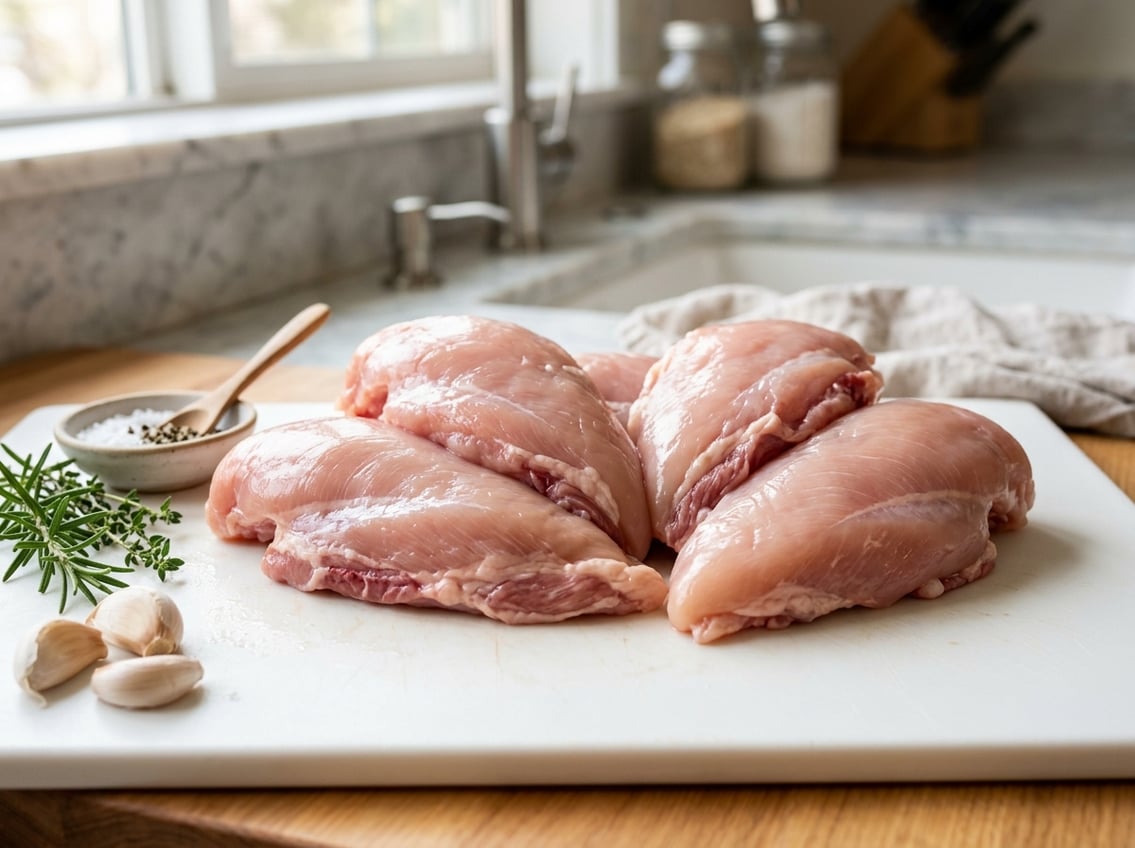
You will most likely see this label on packaged raw chicken and in items made from breast meat that has been lightly trimmed. It also shows up in some prepared foods where consistency, flavor, and cost all matter.
Not every package with breast meat includes rib meat. It depends on how the product was cut and how much trimming the processor did.
Fresh Packs Versus Processed Chicken Products
Fresh packs often list the cut exactly as it was prepared, so the label is easy to spot. Processed chicken products may use the term because the meat is blended into a larger recipe or shaped into a final product.
In analysis of chicken labels, the key point is that labels can look reassuring while still varying in trim and treatment. Reading the package carefully helps you know what you are getting.
How It Shows Up in Chicken Nuggets and Similar Items
You may see chicken with rib meat in nuggets, patties, strips, and frozen meals. It is still chicken breast meat, just not the most heavily trimmed version.
This is different from mechanically separated chicken or scrap meat. It usually appears as a practical ingredient choice in products where texture and cost need to stay consistent.
How It Compares With Other Popular Cuts
Rib-meat breast remains a white meat product and is usually leaner than chicken thigh.
It offers larger boneless servings and easier slicing than chicken wings.
A whole chicken provides every major cut, giving you more variety but less convenience.
Chicken breast with rib meat offers lean protein with a little extra flavor. It sits between fully trimmed breast and richer cuts like thigh.


