
What Is the Meaning of Chicken Thigh: Cuts, Uses, and Cooking Tips
A chicken thigh is the upper part of the bird’s leg. This dark meat contains more fat and connective tissue than breast meat, giving it a richer flavor and greater tolerance for longer cooking.
If you want tender, juicy poultry that stands up to grilling, braising, frying, or slow cooking, choose the chicken thigh.
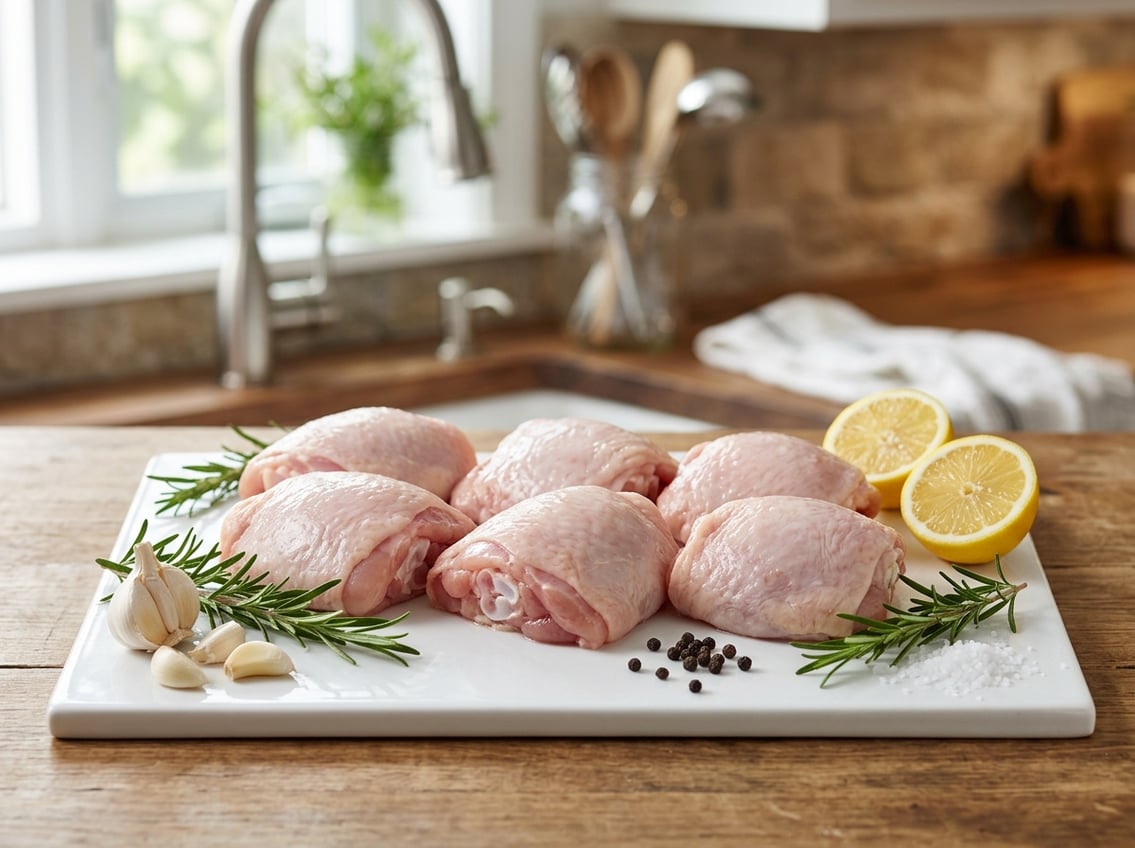
You’ll learn what anatomically defines a thigh, how its nutrition and fat content compare with white meat, and the common retail forms. Practical tips on cooking methods and everyday uses will show why this cut earns a permanent spot in your meal rotation.
Anatomy and Definition of a Chicken Thigh
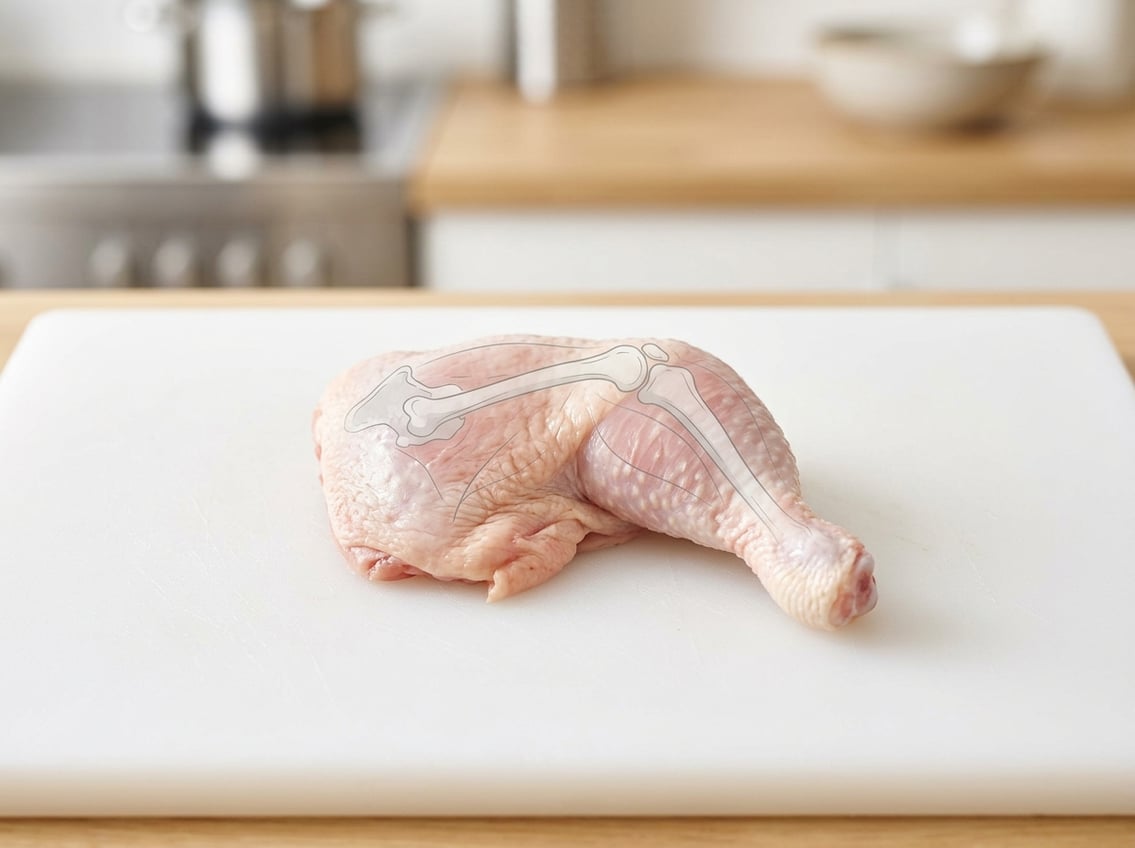
A chicken thigh is the upper section of the bird’s leg. Cooks value it for its flavor, connective tissue, and versatility.
You’ll find variations in bone, skin, and fat that affect texture, cooking time, and uses.
Location and Structure
The thigh sits between the chicken’s body and the drumstick, attached at the hip joint. To find the thigh, follow the bird’s leg upward from the drumstick; the thigh contains a single femur bone and surrounding muscles.
Muscle fibers in the thigh are built for sustained movement, so they contain more myoglobin and connective tissue than breast meat. This anatomy yields darker, more flavorful meat that tolerates longer cooking and higher heat without drying.
Skin often covers the thigh and helps retain moisture and crisp when roasted or fried. Tendons and a bit of fat near the bone contribute to juiciness.
If you buy bone-in chicken thighs, expect slightly longer cooking times but better flavor.
Difference From Drumstick and Other Cuts
The drumstick is the lower leg segment below the knee joint, while the thigh is the upper leg above it. Drumsticks center on the tibia and fibula bones and have denser, slightly firmer meat compared with the broader, fattier thigh.
Compared with breast meat, thighs are darker, fattier, and more forgiving to cook. Boneless chicken thighs are trimmed free of the femur and connective tissue, making them quicker to cook and easier to shred.
Skin-on chicken thighs deliver a crisp exterior and better insulation during roasting. When recipes call for chicken leg, they may mean the whole leg (thigh plus drumstick) or specifically the thigh; check the ingredient list.
You’ll see bone-in chicken thigh used where flavor and collagen matter, and boneless chicken thigh where speed or shredding is required.
Dark Meat Characteristics
Thigh meat classifies as dark meat because it contains more myoglobin and fat than white meat. This composition gives it a stronger chicken flavor and a naturally moist texture after cooking.
Connective tissue in the thigh breaks down into gelatin with sufficient heat and time, enhancing mouthfeel in braises, stews, and slow-roasted dishes. You can cook thighs to 165°F for safety; many preparations benefit from higher internal temperatures to fully render collagen.
Dark meat accepts bold marinades and long cooking methods without drying. Skin-on or skinless chicken thighs often appear in comfort dishes, barbecues, and global cuisines.
Bone-In and Boneless Variations
Bone-in chicken thighs include the femur. The bone adds flavor and slows cooking slightly.
Bone-in, skin-on chicken thighs produce a pronounced roast or grill flavor and retain moisture better during high-heat techniques. Boneless chicken thighs remove the bone and often the skin, reducing cook time and simplifying slicing or shredding.
Boneless skinless chicken thighs are convenient for stir-fries, kebabs, and quick skillet meals where uniform thickness matters. Skin-on options let you crisp the exterior; skinless thighs reduce fat and can be preferable for braises or recipes that don’t require crisping.
Choose bone-in for depth of flavor and boneless for speed and ease of portioning.
Nutritional Profile and Health Considerations
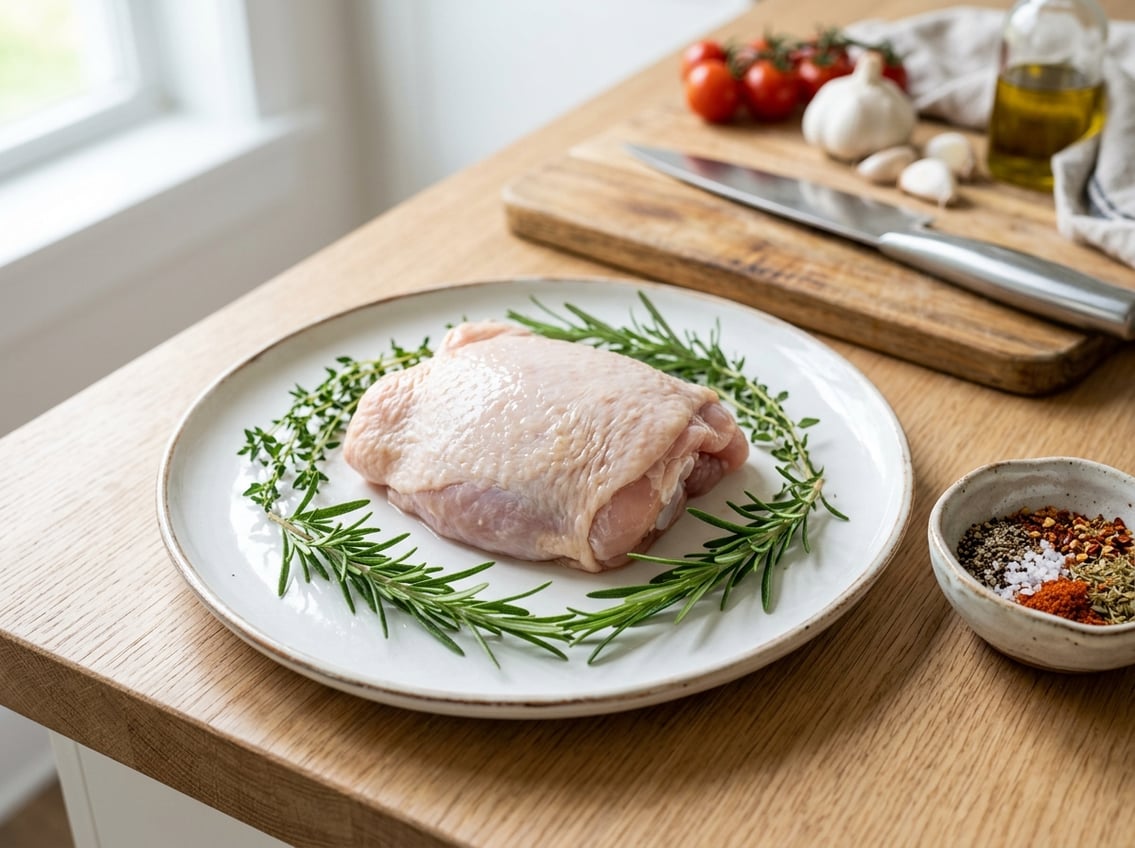
Chicken thighs deliver high protein, moderate fat, and several B vitamins and minerals. Skin-on pieces increase calories and saturated fat, while skinless thighs lower fat without changing protein much.
Protein and Fat Content
A 100 g serving of cooked, skinless chicken thigh provides about 25 g of protein, making it a reliable source for muscle repair and satiety. If you need slightly higher protein per calorie, use skinless thighs; they keep most of the protein while cutting added fat.
Fat content varies by preparation and whether the skin remains. Skinless thighs usually contain around 9–11 g total fat per 3-ounce (85 g) serving.
Skin-on chicken thighs add roughly 8–10 g more fat and increase calories by about 100–120 per serving. Much of the fat in dark meat is monounsaturated, but skin raises saturated fat and overall energy density.
Vitamins and Minerals
Chicken thighs supply several key micronutrients. They are a good source of niacin (vitamin B3) and vitamin B6, which support energy metabolism and nervous system function.
You’ll also get vitamin B12 in meaningful amounts, important for red blood cell production. Minerals include iron, zinc, potassium, and selenium.
Dark meat tends to carry more iron and zinc than white meat, which helps if you’re managing iron status or immune support. Sodium content depends mainly on added salt or brining; unprocessed thighs are low in sodium by default.
Comparisons to Other Chicken Parts
Compared with chicken breast, thighs contain more fat and slightly fewer calories per gram when skin is removed, but deliver richer flavor and greater culinary resilience. A 3-ounce cooked chicken breast has roughly 3 g of fat and about 26 g of protein.
A comparable skinless thigh offers around 9 g fat and about 20–25 g protein. Skin-on thighs are higher in calories than both breast and skinless thighs.
Choose them when flavor and juiciness matter more than calorie control. If you want lower saturated fat, remove the skin or select breast meat.
If you prioritize iron, zinc, and flavor density, dark meat thighs are a strong choice.
Popular Cooking Methods
You’ll find methods that maximize juiciness, render crisp skin, or speed up dinner prep depending on cut and equipment. Focus on temperature, skin-on vs skinless, and whether the thighs are bone-in or boneless to get consistent results.
Roasting and Baking Techniques
Roasting in a hot oven crisps skin-on chicken thighs while keeping meat juicy. Preheat to 425°F (220°C), pat skin dry, season, and place thighs skin-side up on a rack or sheet pan so fat renders away from the meat.
For bone-in thighs, roast 30–40 minutes until internal temperature reaches 165°F (74°C). Boneless thighs often need 20–25 minutes.
Use a probe thermometer for accuracy. You can finish with a high broil for 1–3 minutes to deepen browning.
For extra flavor, baste with butter mixed with herbs or spoon pan juices and chicken stock over the thighs during the last 5–10 minutes. If you use skinless thighs, reduce oven time slightly and watch for drying; a glaze or sauce helps retain moisture.
Grilling, Braising, and Slow Cooking
Grilling gives char and smoky flavor, best with skin-on, bone-in thighs over medium-high heat. Sear skin 4–6 minutes per side, then move to indirect heat to finish until 165°F.
Marinate or brush with oil-based sauces to prevent flare-ups. Braising uses low heat and liquid—chicken stock, wine, or a tomato base—to tenderize and enrich flavor.
Brown thighs first in a skillet, then simmer in stock for 25–40 minutes for boneless or longer for bone-in. The liquid keeps skinless thighs moist and creates a sauce to serve with the meat.
Slow cooking is ideal for shreddable chicken thigh recipes. Use boneless or bone-in, add stock and aromatics, and cook on low 4–6 hours.
Slow-cooked thighs absorb flavors and remain tender. You won’t get crispy skin unless you finish under a broiler.
Pan-Frying and Fried Varieties
Pan-frying sears thighs quickly. Use a heavy skillet and moderate oil to brown skin-on pieces 6–8 minutes per side.
Finish in the oven if pieces are thick. For skinless thighs, flatten slightly for even cooking and reduce oil to avoid greasiness.
Fried chicken thighs deliver a crunchy crust. Dredge in seasoned flour or a batter, then fry in oil at 350–375°F (175–190°C) until golden and cooked through—about 12–15 minutes for bone-in.
Drain on a rack, not paper, to keep crust crisp. You can shallow-fry boneless thighs for quicker weeknight fried chicken.
Serve fried thighs with a pat of butter or a spoonful of pan juices for added richness if using pan-frying techniques.
Forms and Buying Guide
You’ll find thighs sold in a few consistent forms, each affecting cooking time, flavor, and price. Choosing between bone-in or boneless and skin-on or skinless determines how you’ll cook, how juicy the meat stays, and how much prep you’ll need.
Bone-In vs. Boneless
Bone-in chicken thighs include the femur and sometimes a bit of joint. The bone slows heat penetration, so they take longer to cook but resist drying.
Use them for braises, slow roasting, and grilling where extra flavor and moisture matter. The bone also adds weight, so plan roughly 1/2 pound per person for bone-in portions.
Boneless chicken thighs are trimmed off the bone and cook faster and more evenly. Use them for quick sautés, skewers, stir-fries, and recipes that call for shredding.
Boneless thighs often cost a bit more per pound, but they save prep time and fit better in sandwiches, tacos, and pan-fried dishes.
Skin-On vs. Skinless
Skin-on chicken thighs lock in fat during cooking and give you crispy skin when roasted or pan-seared. Keep skin-on thighs skin-side up in the oven for browning, and use high initial heat to render fat and crisp the surface.
Skin also supports slower, wet-cooking methods by protecting meat from direct heat. Skinless thighs cut down on surface fat and shorten crisping steps, so they’re useful for marinades, curries, and leaner preparations.
If you remove skin, pat the meat dry before searing to encourage browning. You can reserve removed skin for rendering or crisping separately if you want flavor without excess fat on the final dish.
Selecting, Storing, and Freezing
When selecting, look for thighs that are pinkish and plump with minimal odor. Avoid packages with excessive liquid, as that can signal age or poor handling.
Check labels for “bone-in” or “boneless” and “skin-on” or “skinless” so you get the exact cut you planned to cook. Store fresh thighs in the coldest part of your refrigerator and use within 1–3 days depending on the sell-by date.
Keep them in original packaging or an airtight container to prevent cross-contamination. Cooked thighs will last 3–4 days refrigerated.
To freeze, wrap individual thighs tightly in plastic wrap or foil and place in a labeled freezer bag. Remove as much air as possible; frozen thighs keep best for up to six months.
Thaw in the refrigerator overnight before cooking for the most consistent results.
Versatility and Culinary Applications
Chicken thighs offer rich flavor, forgiving texture, and flexible cooking methods that work for weeknight meals, weekend entertaining, and long-simmered dishes. You can braise, roast, grill, pan-sear, shred, or fry them to suit cuisines and recipes that call for sustained moisture or crisp skin.
Role in Global Cuisines
Many national dishes feature chicken thighs because the meat withstands long cooking and absorbs bold marinades. In Filipino adobo, cooks braise thighs in vinegar, soy, garlic, and bay leaf until collagen turns to gelatin, yielding tender, flavorful meat.
In Mediterranean and North African stews, thighs pair with preserved lemons, olives, and spices and hold up to long simmering with onions and tomatoes. Asian stir-fries and Korean bulgogi-style marinades use thinly sliced thighs for quick heat without drying.
Indian curries often rely on thighs to deliver succulence through slow simmering in spice-laden sauces. Across these cuisines, the thigh’s higher fat content ensures consistent juiciness and concentrated chicken flavor.
Family-Friendly and Entertaining Dishes
You can rely on chicken thighs for crowd-pleasing recipes that balance convenience and taste. Roast bone-in, skin-on thighs with a simple rub of salt, pepper, and butter for a hands-off main that crisps up in the oven and stays moist for guests.
For families, shred baked thighs into tacos, sandwiches, or pasta; the meat reheats well and resists drying. For casual entertaining, make crispy-fried thighs or a baked chicken parmesan using boneless thighs topped with marinara and melted cheese.
Slow-cooker or sheet-pan dinners featuring thighs, mushrooms, and onions let you prep ahead and serve hearty portions with minimal last-minute work.
Pairings With Other Ingredients
Consider ingredients that complement the thigh’s fat and flavor when you plan a dish. Aromatics like onions and garlic create a savory foundation for braises and stocks.
Roast thighs with mushrooms to balance the meat’s richness with the mushrooms’ earthiness. Butter gives a glossy mouthfeel and helps brown the skin.
Finish pan-seared thighs with a knob of butter and fresh herbs. Save bones from bone-in thighs when you make chicken stock; the collagen creates a gelatinous, flavorful base for soups and sauces.
Acidic components such as vinegar, lemon, or tomato cut through fat and brighten the dish. Choose these pairings to match thighs to the textures and flavors you want on the plate.


