
What Is the Best Chicken Thigh Recipe? Essential Tips and Top Dishes
The best chicken thigh recipe is the one that fits your time, equipment, and flavor goal. You might want crispy oven-roasted skin for a quick weeknight win, low-and-slow braised thighs for rich, hands-off dinners, or spicy grilled thighs when you crave big, charred flavor.
Choose the method that matches your schedule and taste. You’ll consistently get juicy, flavorful chicken thighs for any meal.
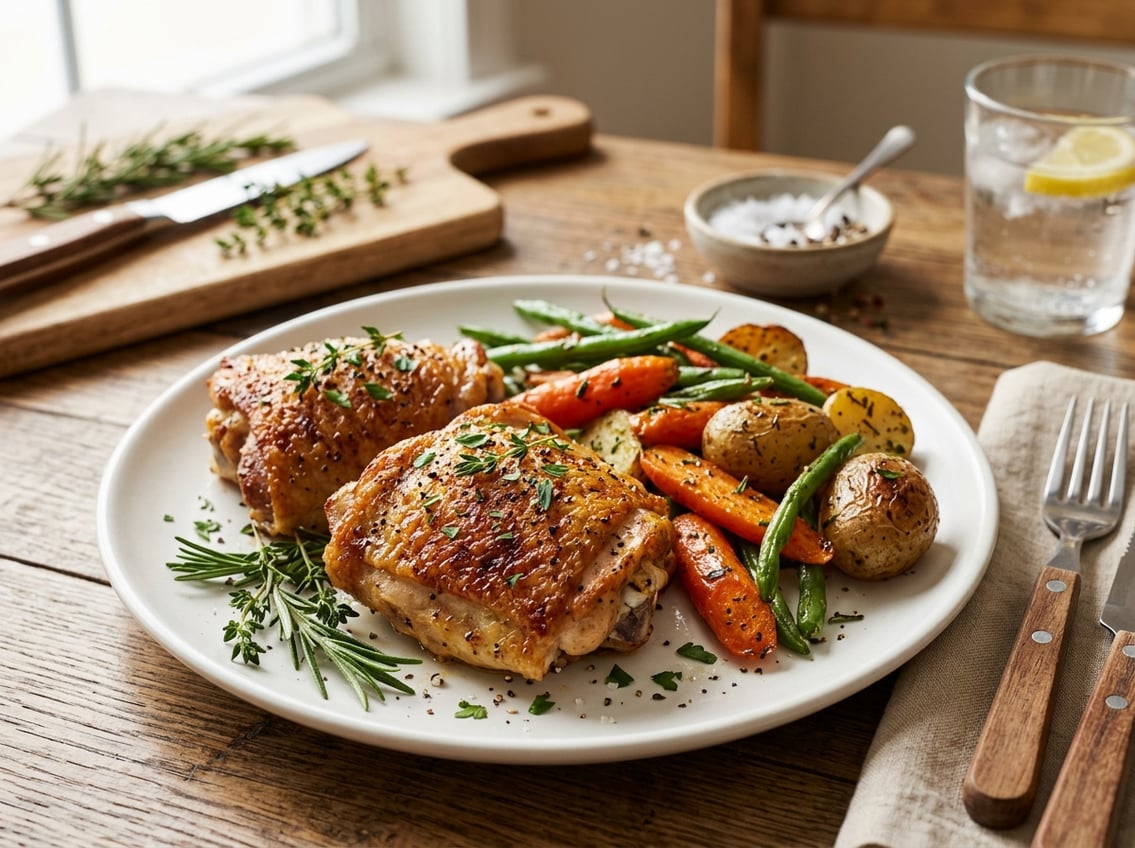
This article explains how different thigh types and cooking methods change results. It shares must-try recipes, reliable flavor pairings, and make-ahead tricks so you can plan easy, satisfying meals.
Understanding Different Types of Chicken Thighs
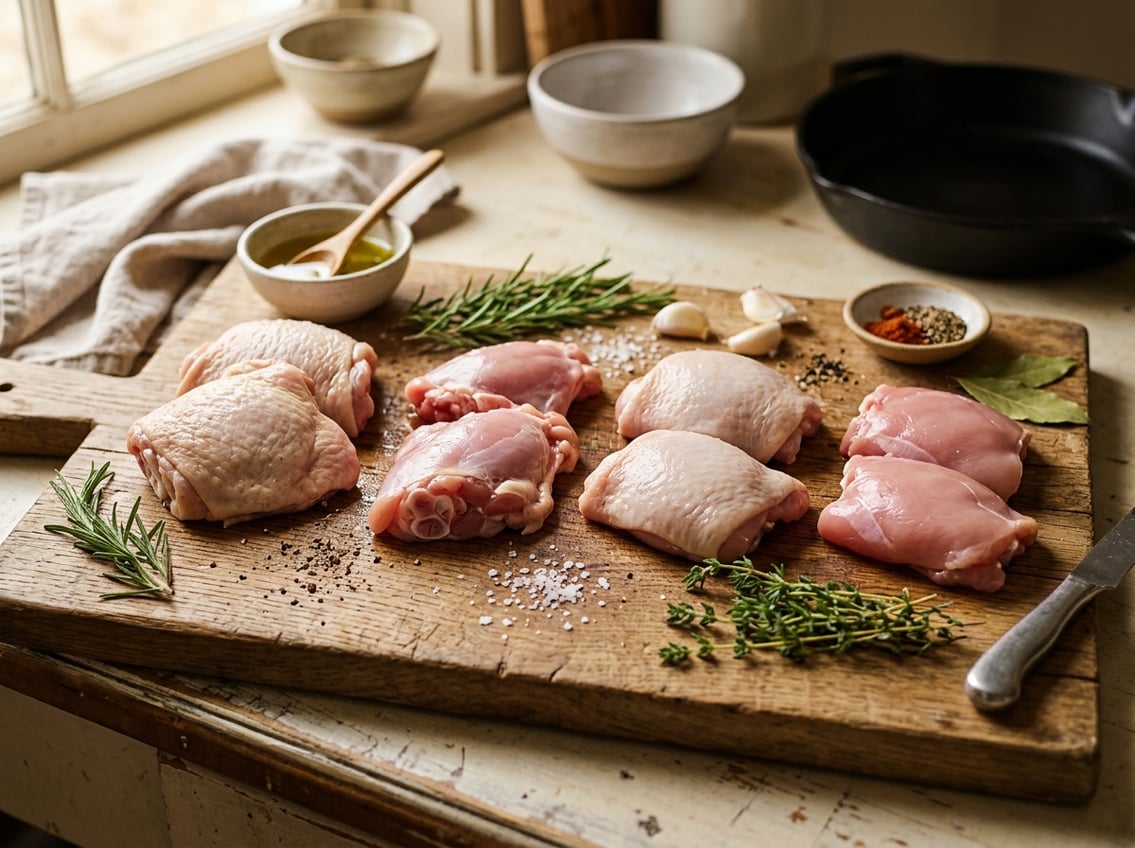
Select thighs based on cooking method, time, and the texture you want. Choices about bone and skin affect flavor, cooking time, and how you season or present the dish.
Bone-In vs. Boneless Chicken Thighs
Bone-in chicken thighs retain more flavor during long cooks because the bone conducts heat and releases marrow-rich compounds. Use bone-in thighs for braises and roasts when you want richer pan sauces, as they tolerate higher heat and longer cooking without drying out.
Boneless chicken thighs cook faster and are easier to portion and eat. They work well for sautés, stir-fries, and dishes where uniform thickness matters.
Trim excess fat for leaner results. Pound or score thicker pieces so they cook evenly.
If you need precise timing or quicker weeknight meals, choose boneless. For depth of flavor, especially in roasting or slow-cooked recipes, go with bone-in.
Skin-On vs. Skinless Chicken Thighs
Skin-on chicken thighs add fat and flavor during cooking and give you crispy, browned skin when roasted, grilled, or pan-seared. Leave the skin intact for methods that render fat slowly; it bastes the meat and improves mouthfeel.
Pat the skin dry and salt it ahead of time for the best crispness. Skinless chicken thighs are leaner and absorb marinades and rubs more directly.
Choose skinless for braises where you don’t want a layer of rendered fat on the finished dish, or for quicker stovetop cooking. They also reduce splatter when frying.
Match skin choice to your technique. Use skin-on for texture and flavor that depends on rendered fat, and skinless when you want lower fat, faster cooking, or a cleaner finished sauce.
Top Cooking Methods for Chicken Thighs
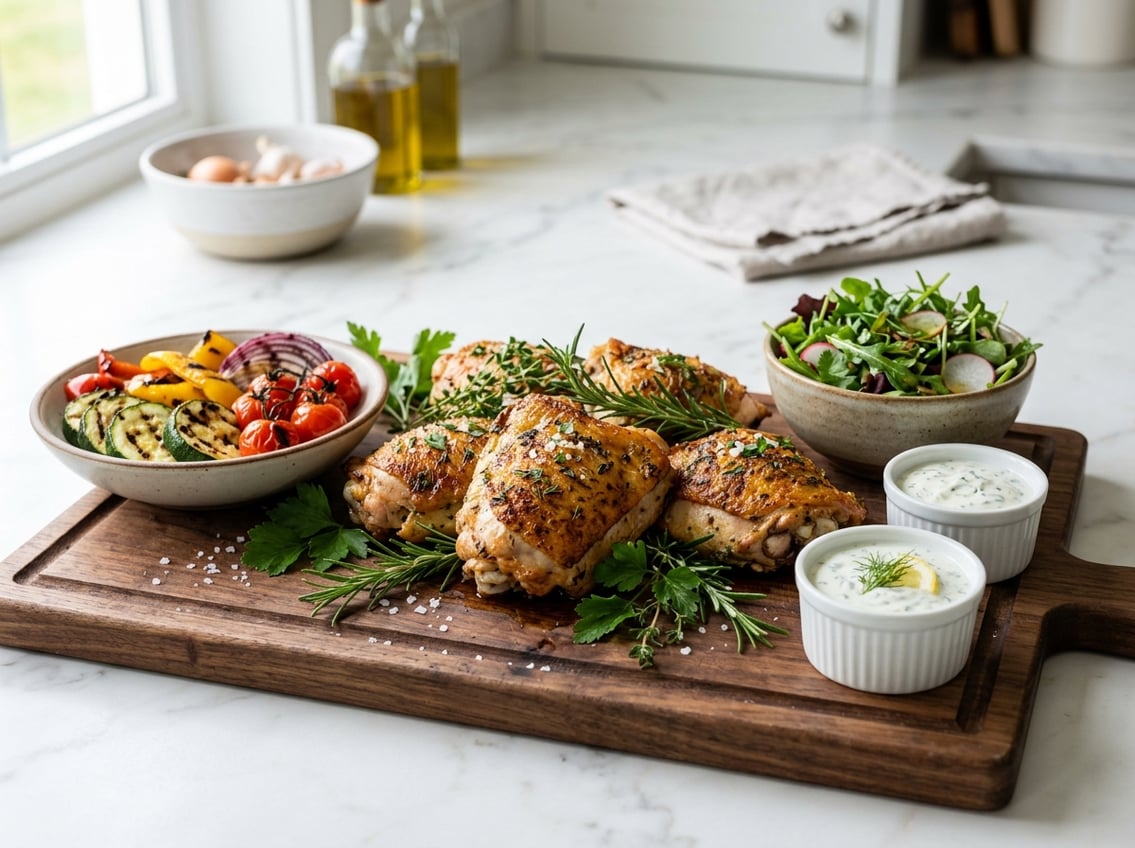
Sear-and-roast, low-and-slow braises, direct-heat grilling, and focused techniques for crispy skin all bring reliable results. Each method targets a specific texture and convenience, whether you want tender shreddable meat, a sheet-pan dinner, smoky char, or skin that actually crackles.
Oven-Baking and Roasting Techniques
Use bone-in, skin-on thighs for the best moisture and flavor when baking or roasting. Preheat the oven to 400°F (205°C) for faster roasting or 350°F (175°C) for gentler cooking.
Pat the skin dry, season or brine briefly, and arrange thighs skin-side up on a wire rack over a sheet pan to allow even air circulation. If you start on the stovetop, sear skin-side down in an ovenproof skillet for 4–6 minutes until deeply golden, then transfer the pan to the oven to finish.
Roast until internal temperature reaches 175°F (79°C) for tender connective-tissue breakdown. Remove at 165–170°F if you prefer firmer texture.
Rest uncovered 5–10 minutes to keep skin crisp. Use roasting juices for pan sauce or glaze.
Slow Cooker and One-Pan Approaches
Brown thighs briefly to render fat and build flavor, then add aromatics and 1–2 cups of liquid (stock, wine, or tomato-based sauces). Cook on low for 4–6 hours or high for 2–3 hours.
Combine vegetables and thighs on a sheet pan or braiser so vegetables absorb the cooking juices. Keep liquid moderate to avoid steaming the skin if you want any crispness.
Use thick sauces or reduce braising liquid on the stove after cooking to concentrate flavor. Slow cooker chicken thighs work in stews and shredded-chicken recipes; use bone-in for better texture and keep skin off if you want less fat.
Grilling and Tandoori-Style
Grilling adds smoke and char you can’t get in the oven. Use direct high heat (medium-high) to render skin and create grill marks, then move thighs to indirect heat to finish without burning.
Marinades with yogurt, lemon, and spices work well for tandoori-style cooking. Allow at least 2–4 hours of marination for flavor penetration.
If you have a tandoor or a very hot grill, cook quickly near the heat for traditional tandoori char. Use a two-zone fire for thicker pieces.
Aim for an internal temperature of 175°F (79°C) for tenderness and check near the bone. Rest briefly and serve with a squeeze of acid to brighten the rich meat.
Grilled chicken adapts well to both skin-on and skinless thighs.
Achieving Crispy Chicken Thighs
Crispy chicken thighs need dry skin, high initial heat, and rendered fat. Pat skin completely dry and season.
Consider a light dusting of baking powder (aluminum-free) to help browning. Start skin-side down in a hot cast-iron pan without overcrowding, press to contact, and sear until deep golden.
Finish in a 400–425°F oven if pieces are thick. Alternatively, roast on a rack so fat drains away and air circulates.
For baked chicken thighs, avoid excess liquid and baste sparingly. Let the thighs rest uncovered to maintain crispness.
If using a slow cooker, crisp the skin afterward under the broiler or in a hot pan.
Must-Try Chicken Thigh Recipes
These recipes show how versatile chicken thighs can be. Braise them in tomato and wine, simmer in creamy sauces, glaze for a sticky finish, or keep them light for weeknight dinners.
Each pick focuses on reliable techniques, key seasonings, and simple serving ideas.
Classic Comfort Foods
Get deep, slow-cooked flavor with dishes like chicken cacciatore and smothered chicken. For cacciatore, brown bone-in, skin-on thighs, then braise them with tomatoes, bell peppers, onion, garlic, and a splash of red wine until the sauce reduces and the thighs pull apart easily.
Serve over polenta or pasta. Smothered chicken relies on low heat and a rich onion gravy.
After searing, make a pan gravy with flour and stock, then return the thighs to the braise. Chicken noodle soup using dark meat adds richness; shred roasted thighs into the broth for extra depth.
Global Flavors
Take thighs into international territory with butter chicken, bourbon chicken, and chicken stroganoff. Butter chicken uses a spiced tomato-cream sauce.
Marinate boneless thighs in yogurt and spices, sear, then finish in the sauce for saucy pieces perfect with rice or naan. Bourbon chicken caramelizes a sweet-savory glaze.
Cook thighs with soy, brown sugar, vinegar, and bourbon (or substitute) until sticky and glossy. Chicken stroganoff swaps beef for thighs in a mushroom–sour cream sauce.
Sear strips of thigh meat, deglaze with stock and a hit of mustard, then fold in sour cream off the heat to avoid curdling. Each recipe highlights bold, layered spices and sauces that pair well with starches.
Healthy and Family-Friendly Favorites
Keep thighs lean and crowd-pleasing by choosing cooking methods and sides carefully. Bake or grill skin-on thighs to render fat while keeping meat juicy.
Finish with a light glaze of citrus, honey, or a soy-ginger mix for flavor without heaviness. Glazed chicken thighs using a thin honey-soy or balsamic glaze give a familiar sweet-savory finish.
For a lighter one-pot option, use boneless skinless thighs in a vegetable-forward stew or a quick skillet with tomatoes, spinach, and white beans. Chicken noodle soup made with thigh meat offers comfort and nutrition.
Add plenty of carrots, celery, and whole-grain noodles to round the meal.
Creative Weeknight Options
Try pan-seared boneless thighs with a quick mustard-pan sauce for a fast, flavorful meal. Brown the thighs, deglaze with white wine or stock, add Dijon and a pat of butter, and serve with steamed greens.
For a hands-off sheet-pan dinner, roast skin-on thighs with chopped potatoes, onions, and a spice blend (smoked paprika, garlic powder, thyme) for easy cleanup. BBQ chicken thighs work well on the grill or under the broiler.
Brush with your favorite sauce in the last minutes to avoid burning. For a quick global twist, toss cooked thigh strips in gochujang or teriyaki glaze and serve over rice bowls with pickled vegetables.
Flavor Pairings and Staple Ingredients
Bold, balanced flavors stand up to the richness of thighs. Simple staples turn a weeknight dinner into a reliable favorite.
Focus on acidity, aromatics, and one sweet or smoky element to create depth without extra fuss.
Essential Seasonings and Rubs
Salt and pepper are your baseline. Use kosher salt and freshly cracked black pepper to season at least 30 minutes before cooking for better penetration.
For savory depth, combine garlic powder, smoked paprika, and onion powder as a go-to dry rub. Add heat with red pepper flakes or cayenne if you like a bite.
For herb-forward profiles, mix dried thyme, rosemary, and oregano into the rub. These tolerate high heat and pair well with pan-searing or roasting.
If you prefer an Asian-leaning glaze, use soy sauce, brown sugar, minced ginger, and a splash of rice vinegar. For a glaze, brush during the last 5–8 minutes of roasting to avoid burning.
Finish with citrus zest (lemon or orange) or a few sprigs of fresh parsley to brighten the dish.
Vegetable and Starch Pairings
Roast sweet potatoes alongside bone-in thighs. Their natural sweetness caramelizes and balances savory, salty chicken juices.
Cut sweet potatoes into 1-inch cubes, toss with olive oil, salt, and a pinch of smoked paprika, and arrange around the thighs so they cook in the rendered fat. Other sturdy vegetables like carrots, Brussels sprouts, and red onions hold up to long roasting and pick up crispy, browned edges.
For starches, go with rice pilaf, buttery mashed potatoes, or simple orzo tossed with lemon and parsley. For one-pan convenience, add par-cooked potatoes or pearl couscous to the pan in the last 20 minutes.
A green element such as sautéed spinach, steamed broccoli, or a crisp fennel salad adds acidity and texture contrast to cut the thigh’s richness.
Make-Ahead and Easy Prep Chicken Thigh Dishes
Batch-cook chicken thighs once and use them across multiple meals. Use methods that lock in moisture and require little hands-on time so you can pull ready protein for salads, bowls, tacos, or simple dinners.
Slow Cooker and Sheet Pan Meals
Use a slow cooker for hands-off braises that yield fall-off-the-bone thighs. Add aromatics (onion, garlic, bay leaf), 1 cup of stock or tomato sauce per 2–3 pounds of thighs, and low heat for 4–6 hours.
Finish by skimming fat and shredding or serving whole. Sheet pan roasting gives you a quick one-pan dinner and excellent meal-prep batches.
Arrange boneless thighs with a thin layer of oil, salt, and a spice rub. Roast at 375°F for about 45–50 minutes, flipping halfway.
The pan juices make an easy sauce for rice or bowls. Both methods free up time on busy weeknights and adapt readily to different cuisines.
Freezer-Ready Chicken Thigh Recipes
Portion the cooked thighs before freezing to preserve texture and speed up reheating. Cool them completely.
Freeze the thighs in single-meal containers or vacuum bags with 1–2 tablespoons of pan juices to prevent drying. Label each container with the date.
Use the chicken within 3 months for best quality. Choose recipes that freeze well, such as braised slow-cooker thighs in sauce or teriyaki-style thighs.
You can also freeze plain roasted thighs to dress later. Reheat from frozen in a 325°F oven for 20–30 minutes.
Alternatively, thaw the chicken overnight in the fridge and warm it on the stovetop for 8–10 minutes. Simple prep and seasoning let you transform the chicken into tacos, salads, pasta, or grain bowls throughout the week.


