
What Happens If You Eat Undercooked Chicken Thighs: Symptoms, Risks, and Food Safety Tips
If you bite into undercooked chicken thighs, you risk exposing yourself to bacteria like Salmonella and Campylobacter that commonly live in raw poultry.
You can get food poisoning, with symptoms such as nausea, vomiting, diarrhea, abdominal pain, and fever. Monitor your health and act quickly if symptoms start.
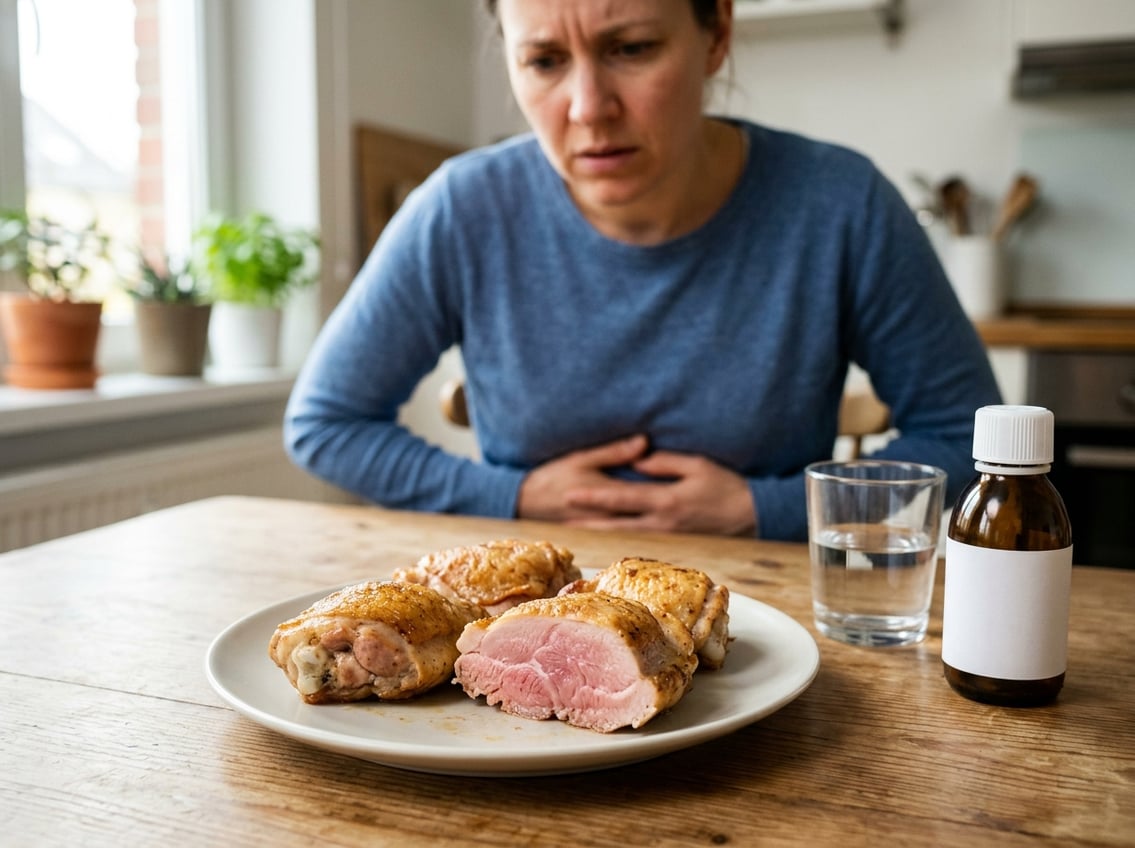
Chicken thighs pose a particular risk because they can harbor bacteria deep within the meat.
You can protect yourself by learning the risks, knowing what symptoms to expect, and using safe food handling practices.
Why Undercooked Chicken Thighs Are Dangerous
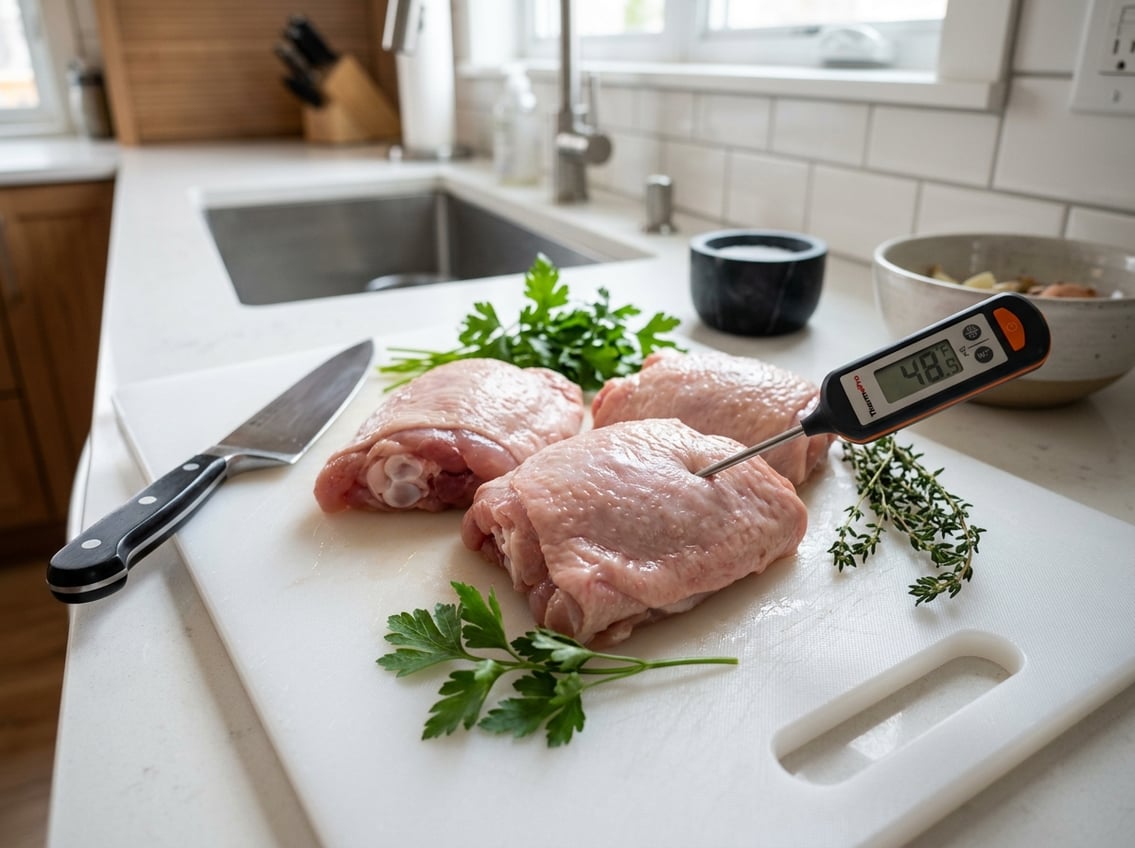
Undercooked chicken thighs can carry bacteria that cause food poisoning. These bacteria survive unless you cook the meat to a safe internal temperature.
You face risks from several specific pathogens and from how those pathogens multiply and produce toxins.
Common Bacteria Found in Raw Chicken
Raw chicken often contains Campylobacter and Salmonella, and less commonly Clostridium perfringens.
Campylobacter jejuni can cause diarrhea, cramping, fever, and sometimes longer-term complications like reactive arthritis.
Salmonella species can cause similar gastrointestinal symptoms and, in vulnerable people, lead to bloodstream infections.
Clostridium perfringens is often linked to large-batch cooked foods left at unsafe temperatures. This bacterium produces enterotoxins that cause abdominal pain and watery diarrhea.
Cook chicken thighs to 165°F (74°C) measured in the thickest part. Use separate cutting boards and refrigerate leftovers within two hours to reduce risk.
How Harmful Bacteria Cause Food Poisoning
Bacteria on undercooked chicken multiply during improper handling and survive if you don’t cook the meat hot enough.
Once inside your body, some bacteria invade the intestinal lining and trigger inflammation, vomiting, fever, and diarrhea.
Other bacteria, such as Clostridium perfringens, may produce toxins in your gut after you eat contaminated food. This causes sudden abdominal cramps and watery diarrhea without high fever.
Your risk increases if you are elderly, pregnant, immunocompromised, or very young.
Symptoms usually start within hours to days. Severe dehydration or signs of systemic infection require prompt medical care.
Typical Symptoms After Eating Undercooked Chicken
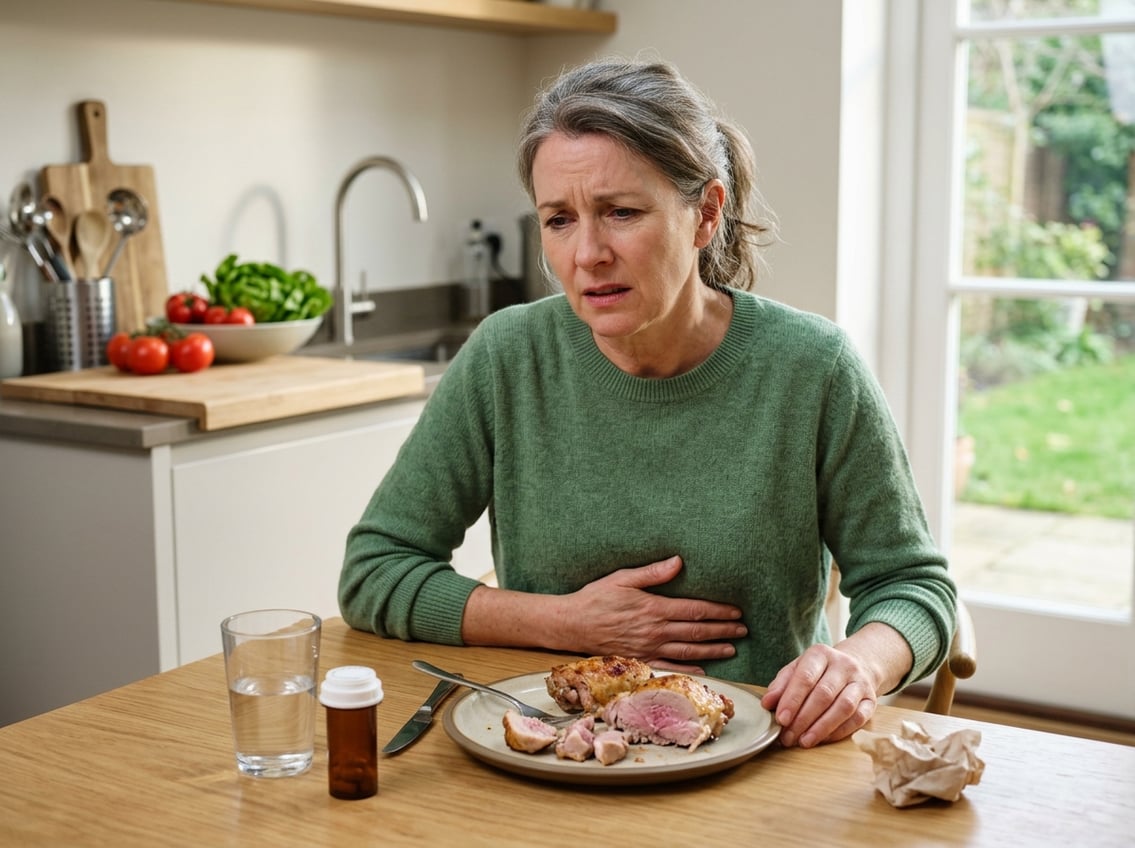
You may develop symptoms ranging from mild stomach upset to serious infection. Timing and severity depend on the contaminant, the amount eaten, and your immune status.
Early Warning Signs
Within 6–48 hours, you may notice nausea and stomach cramps.
Vomiting and watery diarrhea often follow, sometimes with urgency and frequent stools.
These symptoms cause fluid and electrolyte loss. You should sip clear fluids or an oral rehydration solution right away.
Mild fever and chills are also common. If you’re otherwise healthy, symptoms often peak in the first two days and may begin to improve within 48–72 hours.
Severe or Complicated Symptoms
Watch for high fever (above 102°F / 39°C) and persistent vomiting that prevents fluid intake.
Bloody diarrhea or stools containing visible blood can occur with Campylobacter or severe Salmonella infection.
Severe abdominal pain, prolonged high fever, confusion, or very low urine output are red flags.
People with weakened immune systems, the elderly, infants, and pregnant people face higher risk of complications.
When to Seek Medical Attention
Contact a healthcare provider promptly if you have bloody diarrhea, fever above 102°F, repeated vomiting, or signs of severe dehydration such as dizziness, dry mouth, or producing little or no urine.
Seek urgent care if you experience severe abdominal pain, blood in stool, lightheadedness, or confusion.
If you’re pregnant, elderly, very young, or immunocompromised, call your provider early even for moderate symptoms.
Timeline for Food Poisoning Development
If you eat undercooked chicken thighs, symptoms can start within hours or take several days depending on the bacteria.
Severity and duration depend on the specific pathogen, the amount you ate, and your immune response.
How Quickly Symptoms Can Appear
Symptoms from undercooked chicken usually begin between 2 hours and 5 days after eating.
Campylobacter commonly causes symptoms 2–5 days after exposure, leading to abdominal cramps, diarrhea (often bloody), fever, and nausea.
Salmonella typically appears 6–72 hours after ingestion and often produces diarrhea, fever, and abdominal pain.
Clostridium perfringens can act fast; symptoms often start 8–16 hours after eating and usually cause intense cramping and watery diarrhea without high fever.
If you consumed a large number of bacteria, symptoms tend to appear sooner and be more severe.
How Long Illness Typically Lasts
Duration varies by pathogen and your health.
Illness from Campylobacter usually lasts about 1 week, though fatigue and loose stools can persist longer.
Salmonella infections commonly resolve in 4–7 days for healthy adults, but young children, older adults, and immunocompromised people can take weeks and sometimes need antibiotics.
Clostridium perfringens tends to be shorter; most people recover within 24 hours to 2 days.
Supportive care—hydration, rest, and electrolyte replacement—helps you recover faster.
Seek medical care if symptoms worsen, last longer than a few days, or include severe dehydration, high fever, or blood in stools.
Serious Health Complications Linked to Undercooked Chicken
Eating undercooked chicken thighs can lead to infections that trigger immune-related complications affecting nerves, joints, and the gut.
These conditions can appear days to weeks after the initial foodborne illness and may require specialist care.
Guillain-Barré Syndrome (GBS)
Campylobacter jejuni, found on raw or undercooked poultry, can trigger Guillain-Barré syndrome (GBS).
If you develop GBS, your immune system attacks peripheral nerves, often starting with tingling or weakness in the feet and hands that progresses upward.
Early signs include numbness, difficulty walking, and reduced reflexes within 1–3 weeks after the diarrheal illness.
Severe cases can cause respiratory muscle weakness and may require ventilatory support.
Diagnosis uses clinical exam, nerve conduction studies, and cerebrospinal fluid testing. Treatment includes intravenous immunoglobulin (IVIG) or plasma exchange.
Recovery can take months to years. Seek immediate medical attention if you experience rapidly progressing weakness after a bout of food poisoning.
Reactive Arthritis
Reactive arthritis can follow infection with Salmonella, Shigella, Campylobacter, or other bacteria that can contaminate undercooked chicken.
You may notice joint pain, swelling, and stiffness in the knees, ankles, or wrists typically 1–4 weeks after the initial gastrointestinal symptoms.
Symptoms can include pain in one or a few joints, tendon pain, and sometimes eye inflammation or urinary symptoms.
Management focuses on NSAIDs for pain control, corticosteroid injections for persistent joint inflammation, and disease-modifying drugs if symptoms persist beyond months.
Most cases resolve within 6–12 months, but a minority develop chronic arthritis.
Tell your clinician about recent foodborne illness when joint symptoms begin.
Irritable Bowel Syndrome (IBS)
Post-infectious IBS can develop after acute bacterial gastroenteritis from pathogens on undercooked chicken.
You might experience chronic abdominal pain, bloating, and altered bowel habits that start after the infection resolves and persist for months or longer.
Diagnosis follows symptom criteria and exclusion of ongoing infection or inflammatory bowel disease.
Management emphasizes symptom control through dietary changes, fiber adjustments, antispasmodics, and targeted probiotics.
Tell your provider about the preceding foodborne illness to guide appropriate testing and treatment.
Immediate Actions to Take If You’ve Eaten Undercooked Chicken
Act quickly if you suspect you ate undercooked chicken.
Monitor for nausea, diarrhea, fever, and signs of dehydration. Start fluids and rest.
Clean any surfaces or utensils that touched the raw or undercooked chicken to prevent cross-contamination.
Monitoring and Treating Mild Symptoms
Watch for symptoms like nausea, stomach cramps, loose stools, and sometimes low-grade fever.
Symptoms can begin within hours to several days, so check your condition for at least 72 hours after eating.
Treat mild symptoms at home. Rest and avoid solid fatty or dairy-heavy foods until nausea eases.
Use over-the-counter anti-diarrheal medication only if you do not have a high fever or bloody stools.
Acetaminophen or ibuprofen can reduce fever and aches. Follow dosing instructions on the label.
Seek medical advice if symptoms worsen quickly, if you have bloody diarrhea, or if you are pregnant, elderly, very young, or immunocompromised.
Managing Dehydration
Start rehydration right away.
Sip water regularly and use oral rehydration solutions or electrolyte drinks that contain sodium and potassium to replace losses from vomiting and diarrhea.
Follow a simple rehydration plan: 1–2 cups (240–480 mL) of ORS over the first hour, then continue small sips frequently.
If you are vomiting, take smaller sips or ice chips to reduce nausea.
Avoid alcohol, caffeine, and sugary sodas because they can worsen fluid loss.
Watch for dehydration warning signs: dizziness when standing, dry mouth, very low urine output, dark urine, or confusion.
Seek urgent medical care if you cannot keep fluids down, show severe weakness, or have signs of shock.
Cleaning Up After Exposure
Clean all surfaces and items that contacted the raw or undercooked chicken.
Use hot, soapy water first, then disinfect with a bleach solution (1 tablespoon bleach per 1 quart/1 L water) or an EPA-registered surface disinfectant.
Wash cutting boards, knives, countertops, plates, and hands for at least 20 seconds with soap and hot water.
Launder any contaminated towels or clothing in hot water and dry on high heat.
Dispose of any juices, marinades, or packaging that touched the chicken.
Avoid rinsing raw chicken under the faucet; rinsing spreads bacteria.
Store raw poultry on the bottom shelf of the refrigerator in a sealed container to prevent drips.
Use a food thermometer to ensure thighs reach 165°F (74°C) before serving.
Preventing Foodborne Illness in the Future
Follow practical steps every time you buy, store, and prepare chicken to reduce risk.
Focus on careful handling, cooking to the correct temperature with a thermometer, and preventing cross-contamination in the kitchen.
Proper Handling of Raw Chicken
Treat raw chicken as a potential source of germs every time you touch it.
Place packages in a disposable bag at the store, put chicken on the bottom refrigerator shelf, and keep it in a sealed container to prevent juices from dripping onto other foods.
Wash your hands with soap and water for 20 seconds before and after handling raw chicken.
Use a dedicated cutting board and utensils for raw poultry. Wash them with hot, soapy water and sanitize before touching other foods.
Do not wash raw chicken under running water; splashing can spread bacteria around your sink and counters.
If you accidentally contaminate surfaces, clean with hot, soapy water then disinfect with a household sanitizer.
Safe Cooking Temperatures and Thermometers
Always cook chicken to an internal temperature of 165°F (74°C). That temperature kills Salmonella, Campylobacter, and most other common poultry pathogens.
Use a calibrated meat thermometer and insert it into the thickest part of the thigh without touching bone. Check the temperature in multiple spots for whole pieces.
For reheated leftovers, make sure they reach 165°F again. Avoid relying on color or juices alone.
Pink meat can be safe if it reaches 165°F. Clear juices do not guarantee safety.
Keep a thermometer on the counter. Rinse the probe in hot, soapy water between uses.
Avoiding Cross-Contamination in the Kitchen
Keep raw chicken separate from ready-to-eat foods at all times. Store raw poultry below produce and cooked items in the fridge.
Transport raw poultry home in a sealed bag.
Use separate plates and utensils for raw and cooked chicken. Wash and sanitize any plate that held raw chicken before using it for cooked meat.
Wash cutting boards, knives, counters, and sink areas with hot, soapy water after preparing chicken. Apply a kitchen disinfectant to these surfaces.
Replace worn cutting boards. Consider using color-coded boards to keep tasks separate.


