
Is It Healthy to Eat Chicken Thighs Every Day? Nutrition, Risks, and Best Practices
You can eat chicken thighs every day and stay healthy if you focus on portion sizes, choose skinless cuts or drain excess fat, and pair them with vegetables and whole grains.
Chicken thighs offer protein and important micronutrients. Daily consumption becomes a concern only if preparation and balance tilt toward excess calories, saturated fat, or sodium.
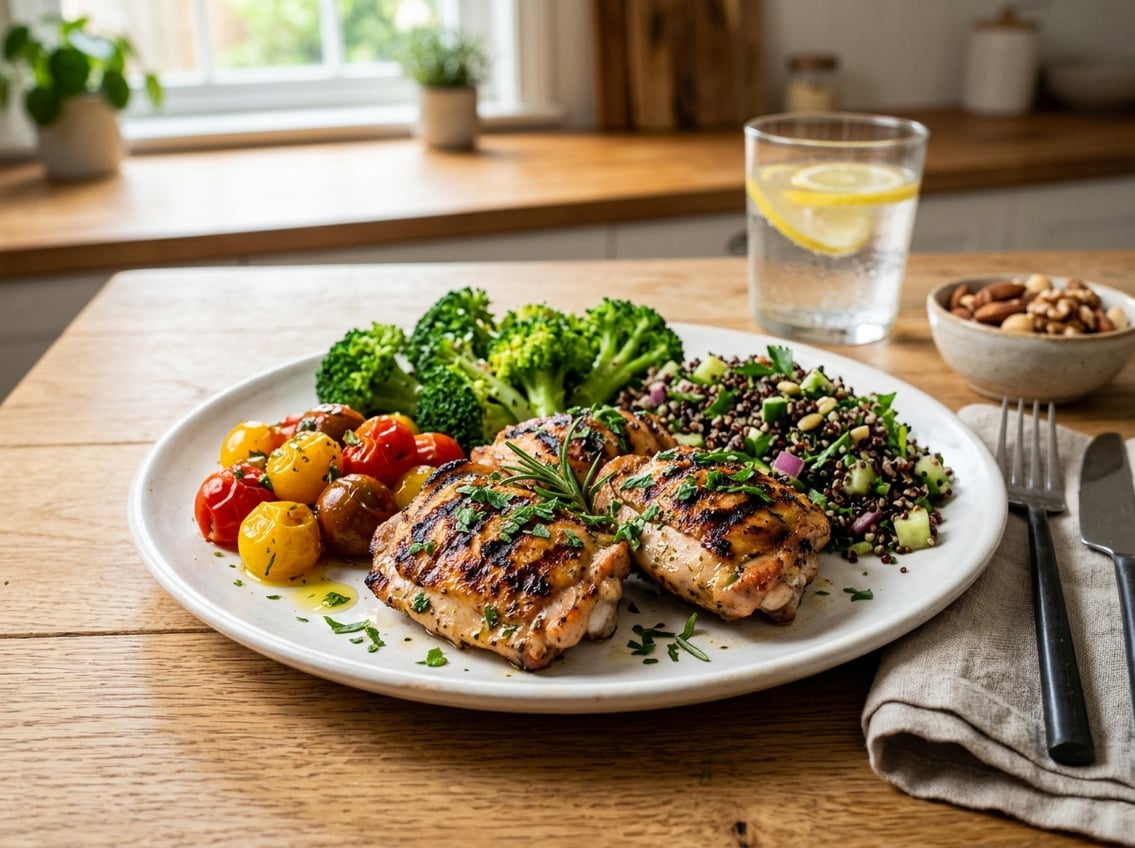
This post breaks down the nutrition of chicken thighs, the benefits they deliver, the health considerations if you make them a daily habit, and practical cooking and meal-planning strategies.
You can enjoy the flavor and convenience of thighs while protecting your long-term health.
Nutritional Profile of Chicken Thighs
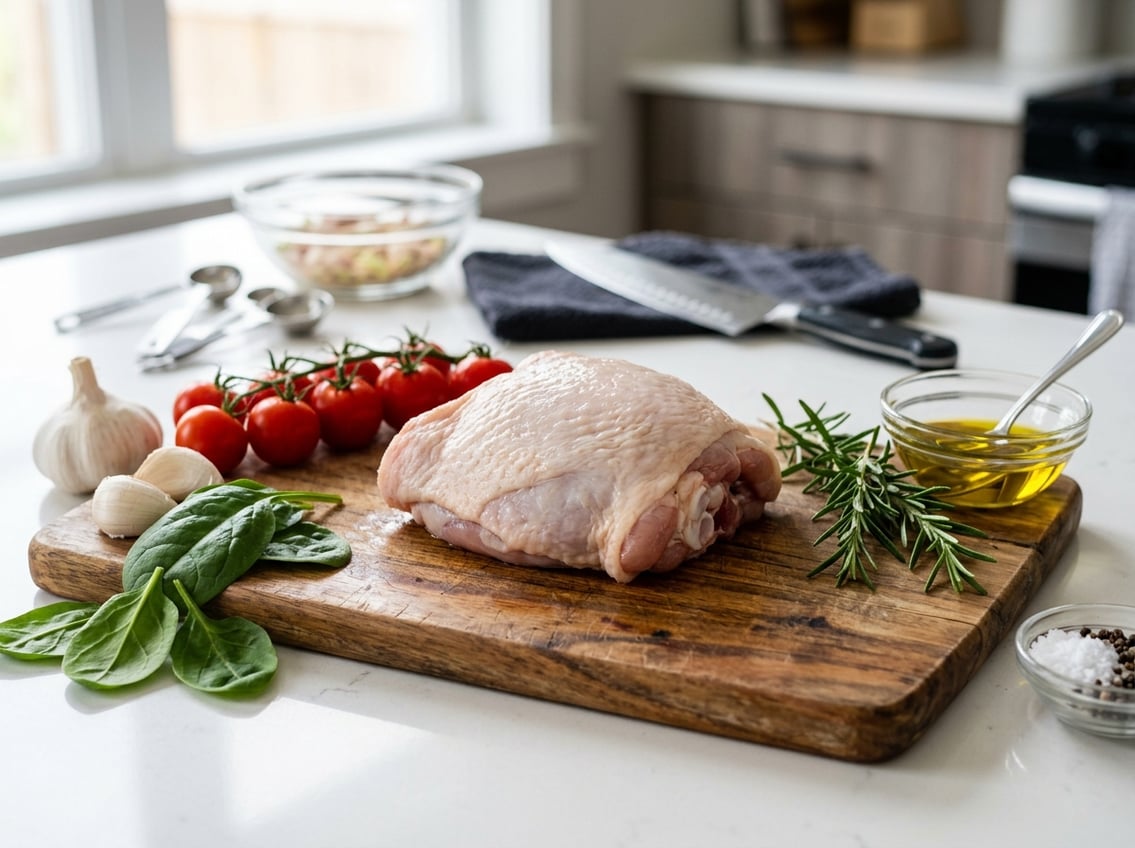
Chicken thighs deliver concentrated protein, moderate fat, and several B-vitamins and minerals that support muscle, energy metabolism, and immunity.
How you buy and cook them—bone-in vs. boneless, skin-on vs. skinless—changes calories and fat the most.
Macronutrients and Calories
A typical 3-ounce cooked, skinless chicken thigh provides about 160–175 calories and roughly 20–28 grams of protein depending on whether it’s boneless or bone-in.
Protein from chicken thighs is complete, supplying all essential amino acids to support muscle repair and satiety.
Fat content runs higher than breast meat. Expect about 8–10 grams of total fat per 3-ounce skinless thigh, with roughly 2–3 grams saturated fat and the remainder largely monounsaturated and polyunsaturated fats.
If you eat boneless chicken thighs, portion sizes are easier to track. Bone-in pieces weigh more but contain similar nutrient density per edible ounce.
Carbohydrates are negligible. Sodium depends on added brines or marinades, so check labels if you buy pre-marinated thighs.
Vitamins and Minerals in Dark Meat
Chicken thighs are richer in iron, zinc, and several B-vitamins than white meat.
A single serving supplies meaningful amounts of vitamin B6 and B12, which help with energy metabolism and red blood cell formation.
Selenium and phosphorus are also present at useful levels for antioxidant defenses and bone health.
If you rely on chicken thighs regularly, you can meet your daily needs for these micronutrients—especially iron and zinc—better than with an equivalent portion of chicken breast.
Micronutrient amounts vary slightly between boneless and bone-in cuts due to edible weight differences, but the overall profile remains favorable.
Difference Between Skinless and Skin-On Thighs
Removing the skin cuts the calorie and fat content substantially.
A 3-ounce skin-on roasted thigh can add about 100 extra calories and up to 10–12 grams more fat compared with the same portion skinless.
Keep skin on during cooking for flavor, then remove it before eating to reduce fat intake while preserving juiciness.
Skin also increases saturated fat and overall energy density, which matters if you eat chicken thighs daily and monitor calories or saturated fat intake.
Vitamins and minerals change little with or without skin; the edible meat retains most protein and micronutrients whether you choose boneless chicken thighs or bone-in pieces.
Potential Health Benefits
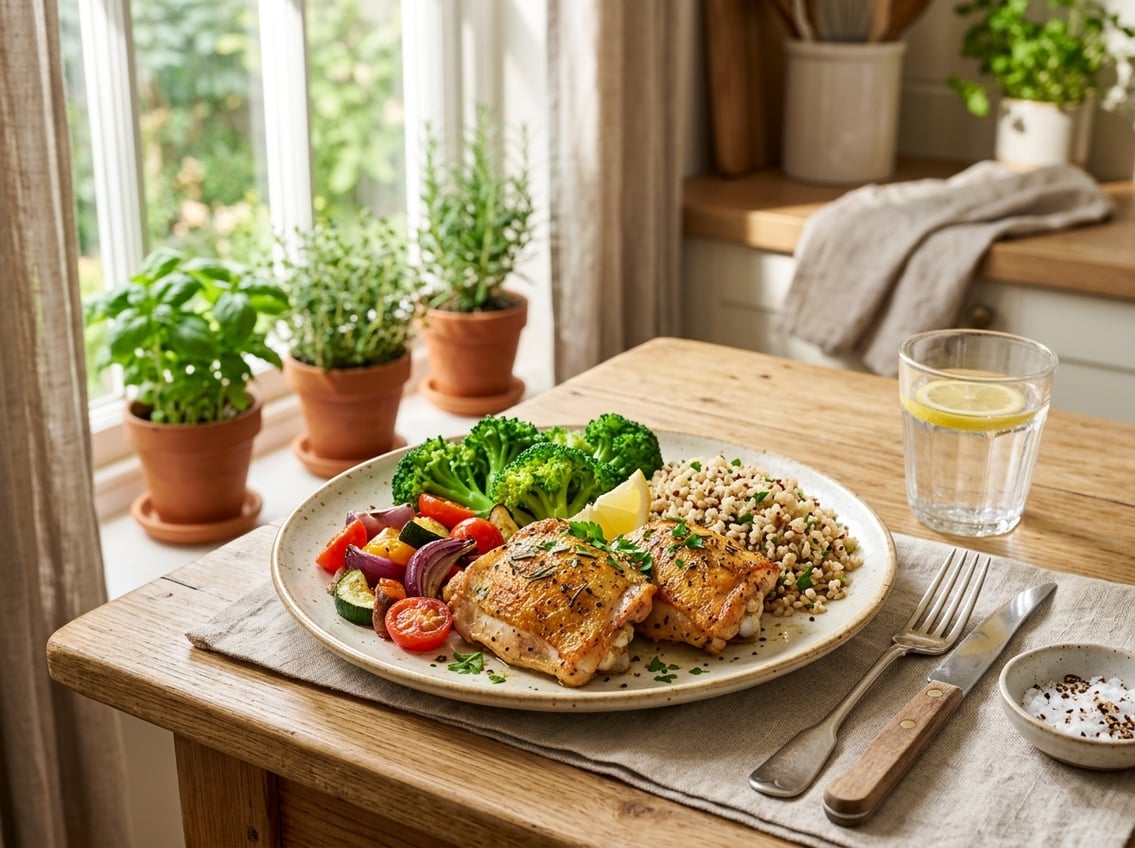
Chicken thighs provide concentrated protein, essential B vitamins, selenium, zinc, and iron, along with more fat and collagen than breast meat.
These nutrients support muscle repair, appetite control, and cellular functions for immune and metabolic health.
Protein Quality and Muscle Support
You get about 20 grams of high-quality protein in a typical 3-ounce, skinless chicken thigh, containing all nine essential amino acids needed for tissue repair.
That complete amino-acid profile helps stimulate muscle protein synthesis after resistance exercise and supports recovery when you eat thighs as part of a balanced meal.
Thighs also deliver connective-tissue proteins like glycine and proline, which can support joint and tendon health over time.
If you have higher protein needs because you train regularly, are older, or are recovering from illness, thighs offer an affordable, flavorful way to meet those targets.
Weight Management and Satiety
The higher fat content in chicken thighs slows stomach emptying and can increase feelings of fullness compared with very lean cuts.
Eating a thigh with fiber-rich vegetables or whole grains helps control appetite and may reduce total calorie intake at subsequent meals.
Protein itself is thermogenic and satiating. Including moderate portions of thighs can help preserve lean mass during weight loss.
Choose grilling or baking and remove the skin if you need to limit added calories and saturated fat while retaining protein benefits.
Nutrient Density and Immune System Support
Chicken thighs pack several micronutrients per serving that matter for immune and metabolic function: B12 for red blood cell formation and nerve health, selenium for antioxidant enzymes, zinc for immune cell activity, and phosphorus and potassium for cellular energy and muscle function.
These are more concentrated in dark meat than in some plant proteins.
Because thighs supply both macronutrients and these minerals, they serve as a practical component of meals that support immune resilience, energy metabolism, and recovery.
To maximize nutrient intake, pair thighs with vegetables and avoid high-sodium sauces.
Health Considerations When Eating Chicken Thighs Daily
Eating chicken thighs every day can provide steady protein, iron, and B vitamins, but you should watch portion size, cooking method, and sourcing.
Pay attention to fat, cholesterol, and whether the chicken was raised with antibiotics to protect long-term heart and immune health.
Fat Content and Cholesterol Concerns
A 3-ounce skinless chicken thigh contains about 164 calories, roughly 9 grams total fat, and 105 mg cholesterol.
If you regularly eat multiple servings or leave the skin on, those numbers rise and can push your daily saturated fat and calorie intake higher than you intend.
Manage intake by measuring portions (3–4 ounces cooked per meal), removing skin when you want less fat, and using low-fat cooking methods like grilling, baking, or steaming.
Track total daily saturated fat rather than focusing only on thighs; pair the meat with vegetables and whole grains to lower the calorie density of your meals.
Saturated Fat and Heart Health
Saturated fat in chicken thighs is modest compared with red meat but higher than chicken breast.
A typical skinless thigh has about 2 grams saturated fat per 3-ounce serving; skin-on increases that amount and the overall calorie load.
If you have high LDL cholesterol, aim to keep saturated fat under 10% of calories (or lower if advised by your clinician).
Swap skin-on for skinless, limit added frying oil, and choose mono- and polyunsaturated fats elsewhere like olive oil, nuts, and fatty fish to balance your diet and reduce cardiovascular risk.
Sourcing and Antibiotics in Chicken
How chicken is raised affects both antibiotic exposure and food safety.
Conventional poultry operations may give antibiotics for growth promotion or disease prevention, which can select for antibiotic-resistant bacteria.
Look for labels such as “no antibiotics ever,” “raised without antibiotics,” or third-party certifications.
Buying from suppliers who publish antibiotic-use policies or choosing pasture-raised or organic options reduces your risk of antibiotic residues and resistant microbes.
Practice safe handling and cook to an internal temperature of 165°F (74°C) to kill pathogens.
Optimal Preparation and Cooking Methods
Use cooking techniques that limit added fat, control sodium, and preserve juiciness.
Choose methods that produce a crisp exterior without overcooking the interior and pair thighs with vegetables or whole grains for balanced meals.
Baking, Grilling, and Roasting Approaches
Use a meat thermometer to reach 165°F (74°C) internal temperature for safety without drying the meat.
For baking or roasting, place skin-side up on a rack so fat renders away from the meat. Roast at 400–425°F for 25–35 minutes depending on thickness.
When grilling chicken thighs, sear first over medium-high heat to get char, then move to indirect heat to finish cooking.
Flip once or twice; avoid constant turning which prevents a crisp skin.
For skinless thighs, grill with a slotted grill pan or on foil to prevent flare-ups and nutrient loss.
Sheet-pan roasting works well for one-pan meals. Arrange thighs with cut vegetables in a single layer, space them so air circulates, and toss vegetables with a light brush of oil and herbs.
This method concentrates flavor while keeping added fat low.
Reducing Added Fats and Calories
Trim visible external fat and remove the skin if you want to cut saturated fat and calories.
If you prefer skin-on for flavor, cook on a rack so excess fat drips off and blot with a paper towel after resting to remove surface grease.
Use nonstick cookware, a well-seasoned cast-iron pan, or an air fryer to achieve browning with 1–2 teaspoons of oil per pound rather than multiple tablespoons.
Swap commercial high-sugar sauces for yogurt- or tomato-based marinades to lower calories and added sugars.
Limit salt by using citrus, vinegar, fresh herbs, garlic, smoked paprika, and black pepper for bright flavor.
These seasonings enhance taste while keeping sodium in check and complement both roasting and grilling.
Flavorful and Healthier Recipes
Try a simple marinade: 3 tablespoons plain yogurt, 1 tablespoon lemon juice, 2 cloves minced garlic, 1 teaspoon smoked paprika, and black pepper.
Marinate 30–60 minutes. Yogurt tenderizes without adding heavy oil and works well for grilling or baking.
For sheet-pan dinners, toss chopped broccoli, bell peppers, and quartered red potatoes with 1 tablespoon olive oil, rosemary, and lemon zest.
Nestle skin-on thighs among vegetables and roast at 425°F until vegetables caramelize and thighs reach 165°F.
If you want a low-calorie sauce, simmer crushed tomatoes with onions, garlic, oregano, and a splash of balsamic until thickened.
Spoon over grilled or roasted thighs for a flavorful, lower-fat finish that pairs well with whole grains or a salad.
Balancing Chicken Thighs With a Varied Diet
Eating chicken thighs regularly gives you steady protein, iron, zinc, B vitamins, and satisfying flavor.
Pairing them with diverse proteins and prep methods helps control saturated fat, sodium, and nutrient gaps.
Importance of Rotating Protein Sources
Rotate proteins across the week to reduce exposure to nutrients you may overconsume and to fill gaps you might otherwise miss.
For example, alternate skinless chicken thighs with lean chicken breast, fatty fish like salmon or mackerel twice weekly for omega-3s, and plant proteins like lentils, tofu, or chickpeas for fiber and different micronutrients.
Vary cooking methods too: grill, bake, braise, or stir-fry instead of frying or heavy breading.
This lowers added fats and excess calories while keeping meals interesting.
If you eat chicken every day, keep portions around 3–4 ounces cooked and remove skin most of the time to trim saturated fat.
Practical rotation plan:
- Monday: Baked skinless chicken thigh with roasted vegetables
- Wednesday: Salmon fillet with quinoa salad
- Friday: Lentil curry with a small chicken thigh mixed in
This approach balances macronutrients and micronutrients while maintaining convenience.
Comparing to Other Cuts and Protein Options
Chicken breast offers lower total and saturated fat per 3-ounce serving (about 3 grams total fat), making it a better choice when you want lean protein.
Skin-on thighs deliver more calories and fat; choose skinless thighs to narrow that gap.
Red meat and processed meats tend to contain higher saturated fat and sodium, so limit those relative to poultry and plant proteins.
Seafood supplies long-chain omega-3s that chicken thighs lack, so include fish 1–2 times weekly if you can.
Plant proteins add fiber and different amino acid profiles; combine beans with grains to reach complete protein.
Use this simple checklist when choosing proteins:
- Fat content: pick lean cuts or remove skin
- Micronutrients: add fish for omega-3s, legumes for fiber
- Preparation: prefer grilling, baking, steaming over frying
This helps you enjoy chicken thighs without missing key nutrients or consuming excess fat.
Guidelines for Including Chicken Thighs in a Healthy Eating Pattern
Focus on portion control, cooking methods, and sourcing to keep chicken thighs a nutritious, regular part of your meals.
Pay attention to skin removal, serving size, and how often you eat them relative to other protein sources.
Safe Portion Sizes and Frequency
Aim for a 3–4 ounce cooked portion of boneless, skinless chicken thighs per meal, which is about 1 small thigh. This serving provides roughly 20–25 grams of protein and keeps calories and fat moderate.
Use a food scale or visual cues. A deck-of-cards-sized piece equals about 3 ounces.
Limit daily intake to one standard portion if you eat thighs every day. If you also eat other animal fats or processed foods that day, reduce the thigh portion size or choose leaner proteins for one meal.
Rotate proteins throughout the week. Include fish, legumes, or chicken breast to balance saturated fat and micronutrient variety.
Watch added ingredients. Breading, heavy sauces, and deep-frying increase calories and saturated fat.
Choose grilling, baking, braising, or air-frying. Remove the skin before cooking or eating to cut fat and calories.
Choosing Organic or Leaner Cuts
If you prioritize lower fat and fewer additives, choose skinless, boneless chicken thighs or occasionally pick chicken breast.
Boneless, skinless thighs still offer more flavor and dark-meat nutrients like iron, zinc, and B vitamins. They contain less visible fat than skin-on cuts.
Organic or pasture-raised labels can reduce your exposure to certain antibiotics and hormones. These options may also improve feed quality, but they usually cost more.
Check packaging for third-party certifications and ingredient lists. “No added solutions” means the product contains less sodium.
Trim visible fat when you buy chicken. You can also portion thighs into meal-sized packs before freezing.
If price or availability limits your choices, remove the skin and use healthy cooking methods to get the most nutritional benefit from any boneless or skinless chicken thigh.


