
What Happens If a Dog Eats a Chicken Thigh Bone? Critical Risks & Actions
If your dog eats a chicken thigh bone, your first priority is to spot danger signs and decide whether to act now or monitor closely.
A cooked chicken thigh bone can splinter and cause choking, cuts, or an intestinal blockage. Watch for coughing, gagging, vomiting, bloody stool, abdominal pain, or sudden lethargy.
Small dogs and puppies face higher risk because their digestive tracts are narrower and more easily injured or obstructed.
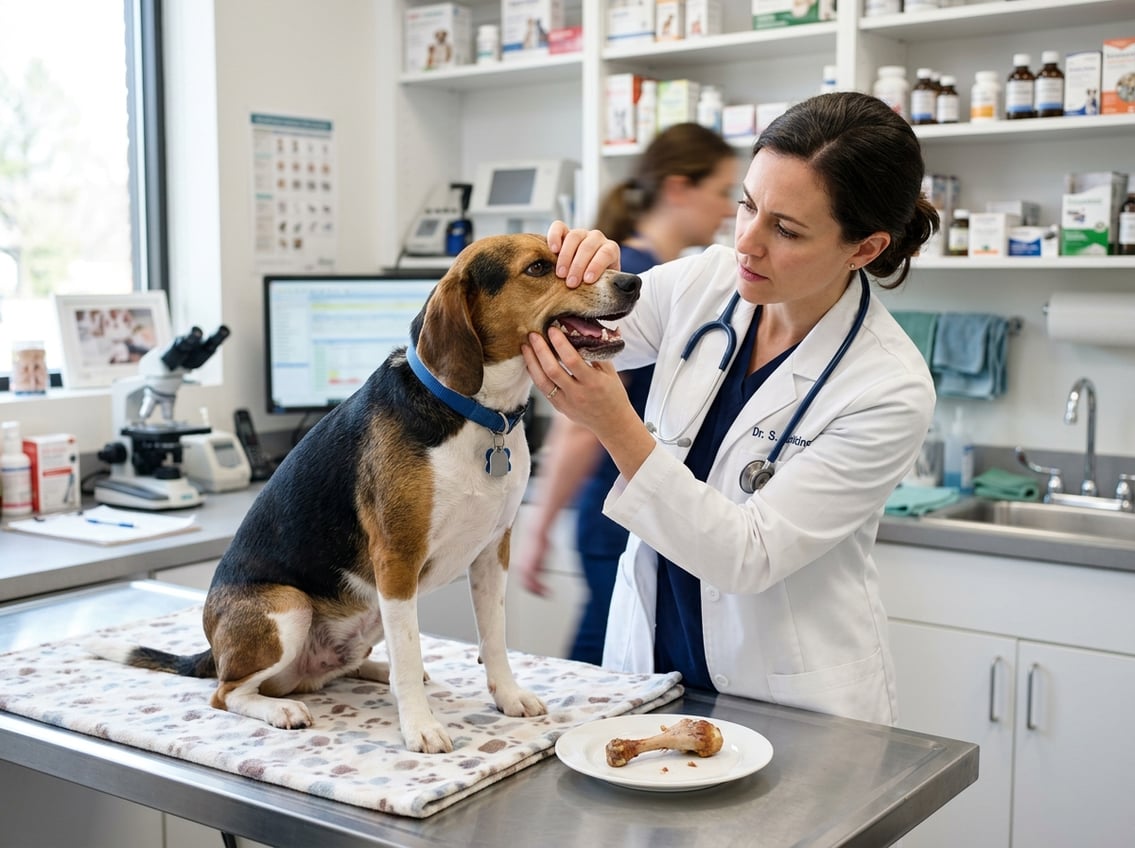
Stay calm but prepared. This article explains immediate steps to take, when to head to the vet, how veterinarians diagnose and treat bone ingestion, and which symptoms mean the situation is urgent.
You’ll also learn factors that change the level of risk and practical prevention tips to stop your dog from snatching bones again.
Immediate Dangers of Chicken Thigh Bone Ingestion
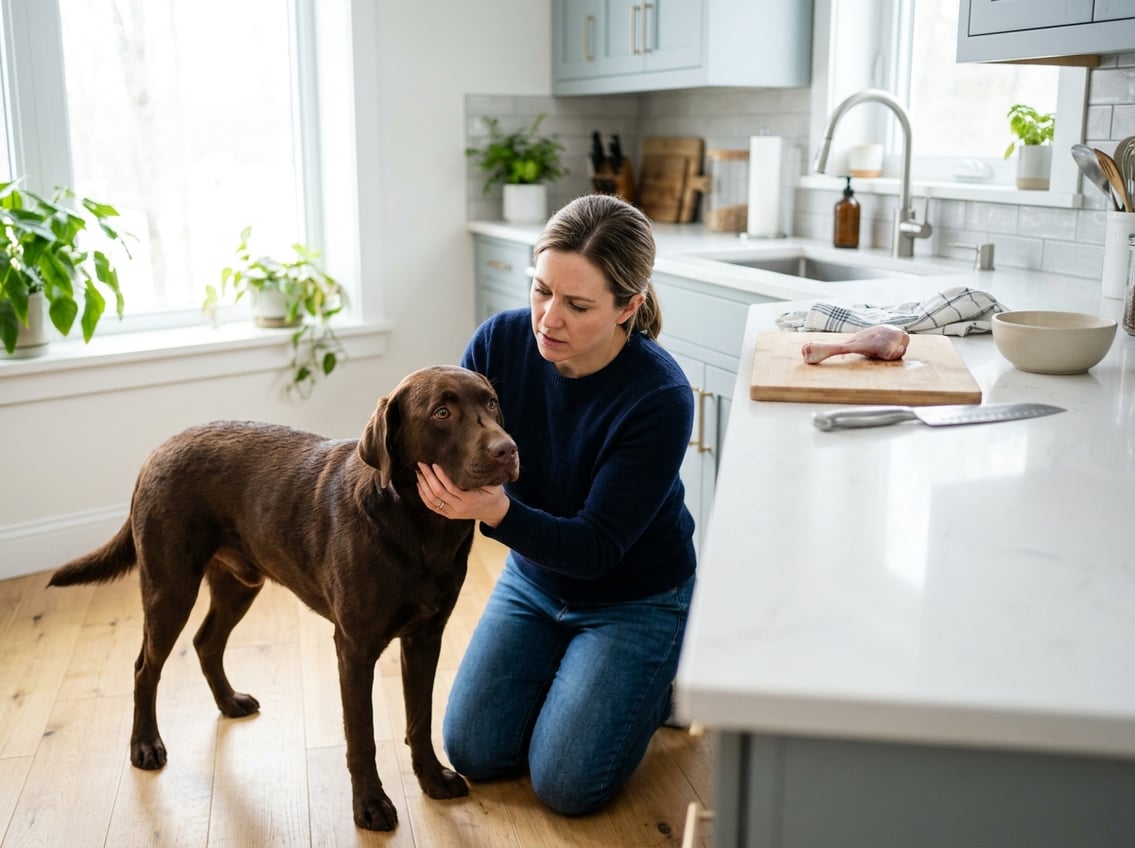
A chicken thigh bone can cause rapid, serious problems that require prompt attention.
You need to watch for breathing trouble, internal damage, and signs of a blockage.
Choking and Airway Obstruction
A whole or large fragment of a chicken thigh bone can get stuck in your dog’s throat or upper airway.
If your dog chews and swallows a piece that lodges in the pharynx or trachea, you may see violent gagging, coughing, retching, drooling, pawing at the mouth, or sudden difficulty breathing. These signs can appear within seconds to minutes.
If you can safely see and reach the object, you may be able to remove it. Do not push blindly into the throat.
If your dog is panicking, collapsing, blue around the gums, or cannot breathe, get to an emergency vet immediately.
Gastrointestinal Injuries and Internal Bleeding
Cooked chicken bones splinter into sharp shards that can lacerate the mouth, esophagus, stomach, or intestines.
You might notice blood in vomit or stool, drooling, reluctance to eat, abdominal pain, or signs of shock (weakness, pale gums) within hours to days.
Perforations can lead to leaking of intestinal contents into the abdomen and rapid onset of peritonitis, which is life threatening.
A vet examines your dog, often using abdominal X rays or ultrasound and bloodwork to look for free air, fluid, or signs of infection.
Early detection and surgery may be required if a tear or bleeding is present.
Risk of Intestinal Blockage
Bone fragments or whole portions of a thigh bone can become impacted anywhere along the GI tract, most commonly at narrow points such as the pylorus, ileocecal valve, or colon.
Signs of obstruction include repeated vomiting (often bile or food), no bowel movements, severe abdominal pain, lethargy, and a distended abdomen.
Small dogs and puppies face higher risk because their intestinal diameter is smaller.
Blockages may present slowly over 12 to 72 hours.
Radiographs, contrast studies, or ultrasound help localize an obstruction.
Treatment ranges from medical management (fluids, anti vomiting meds, close monitoring) to endoscopic removal or emergency surgery if the obstruction doesn’t pass or is causing compromised blood flow to the intestines.
What to Do Right After Your Dog Eats a Chicken Thigh Bone
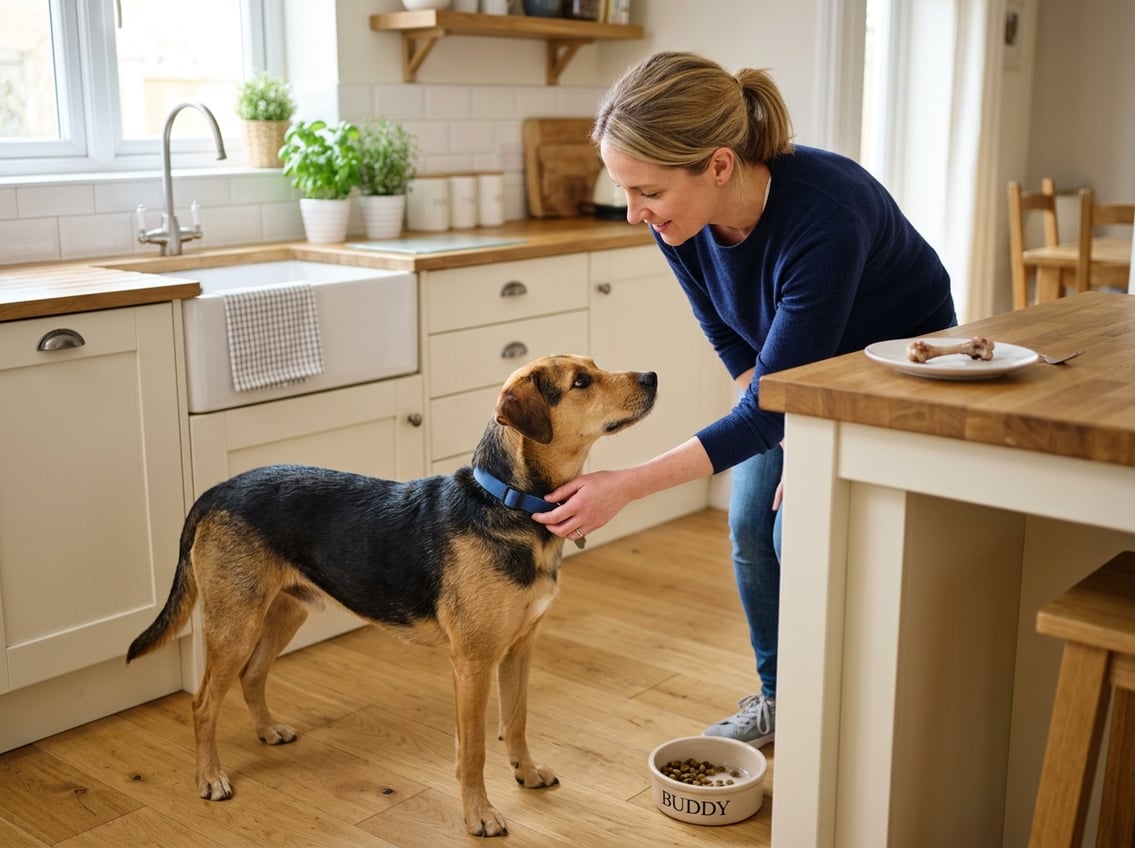
Act quickly and calmly.
Check your dog for immediate breathing or swallowing problems, note the time and what exactly was eaten, and prepare to contact veterinary help if you see any concerning signs.
How to Assess Your Dog’s Condition
Look for immediate danger signs: choking, persistent coughing, gagging, drooling, pawing at the mouth, or loud rasping when breathing.
If any of these occur, the bone may be lodged in the throat or airway and you must get emergency care right away.
If your dog seems alert, breathing normally, and able to swallow, observe them closely for several hours.
Record the approximate time the thigh bone was eaten, whether it was cooked or raw, and your dog’s weight and age. This information matters when you talk to a vet or use an online vet service.
Check stool over the next 24 to 72 hours for blood, melena (black tarry stool), or signs of obstruction such as straining to defecate or vomiting.
Note any abdominal pain, bloating, or loss of appetite. These can indicate a perforation or blockage that needs urgent veterinary attention.
When to Contact a Veterinarian
Call your regular veterinarian or an emergency clinic immediately if you observe choking, breathing difficulties, repeated vomiting, bloody stool, severe abdominal pain, or collapse.
Tell them your dog’s breed, age, weight, exact item eaten (chicken thigh bone), whether it was cooked, and the time since ingestion.
If your vet isn’t available, use a reputable online vet triage service to get immediate guidance.
They can advise whether in clinic evaluation, X rays, or endoscopy or surgery might be needed based on your dog’s signs and risk factors.
If your dog is a puppy, very small breed, or has a history of GI issues or previous obstructions, seek earlier veterinary assessment even if they seem fine initially.
Do’s and Don’ts for At-Home Response
Keep your dog calm and confined to prevent running or jumping that could worsen an internal injury.
Record the details (time, cooked or raw, which bone) and gather packaging or leftovers for the vet to see.
Offer small amounts of plain soft food like white bread only if recommended by a vet to help cushion and move the bone. Use online vet guidance first if you’re unsure.
Do not try to force your hand into the dog’s mouth unless you can clearly see and safely remove the bone. You risk injuring yourself and pushing the bone deeper.
Do not induce vomiting without veterinary instruction. Vomiting can cause sharp bone fragments to re injure the throat or esophagus.
Do not ignore mild signs. Subtle changes in appetite, stool, or behavior can precede serious complications.
If in doubt, contact a vet or an online triage service immediately for specific next steps.
How Vets Diagnose and Treat Chicken Bone Ingestion
Vets assess your dog’s breathing, ability to swallow, abdominal pain, and any visible wounds first.
They then use targeted imaging and specific treatments based on bone location, size, and symptoms.
Veterinary Examinations and Imaging
Your vet begins with a focused physical exam. They check airway patency, mouth and throat for lodged fragments, abdominal palpation for pain or masses, and temperature for fever.
Expect questions about when the bone was eaten, whether it was cooked, and any vomiting, drooling, gagging, or lethargy you’ve seen.
Imaging choices depend on the exam. Standard abdominal and thoracic X rays often identify radiopaque bone fragments and signs of obstruction or free air from perforation.
If X rays are inconclusive, your vet may order abdominal ultrasound to evaluate soft tissue changes or CT for precise bone localization and surgical planning.
Endoscopic exam under sedation can be both diagnostic and therapeutic if the fragment sits in the esophagus or stomach.
Possible Medical Treatments
If the bone has passed into the stomach and your dog is stable, your vet may recommend conservative management with hospitalization for observation or home monitoring with clear signs to watch for.
They might give IV fluids for dehydration, antiemetics for vomiting, and broad spectrum antibiotics if perforation or infection is suspected.
Your vet can also use food boluses, such as soft bread or canned food, to help cushion and move small bone fragments in some cases.
For superficial oral injuries, topical antiseptics or short courses of pain relief are common.
If you can’t get to a clinic immediately, consider contacting an online vet service for real time advice on signs that require urgent care.
Surgical vs. Non-Surgical Interventions
Non surgical options include endoscopic retrieval and medical monitoring. Endoscopy under general anesthesia allows vets to visualize and remove fragments from the esophagus or stomach with forceps or baskets.
This avoids abdominal surgery when the object is reachable and the GI wall is intact.
Surgery becomes necessary when there’s intestinal obstruction, perforation, or bone fragments that have migrated beyond endoscope reach.
A laparotomy lets the surgeon locate and remove the bone, repair perforations, and perform resection if necrotic bowel is present.
Recovery typically involves hospitalization, IV fluids, pain control, and antibiotics.
Your vet will explain risks, expected recovery time, and post op care so you know what to expect.
Recognizing Warning Signs and Symptoms
If your dog eats a chicken thigh bone, watch for changes in breathing, behavior, and bathroom habits.
Early recognition of specific signs can determine whether you monitor at home or seek emergency veterinary care.
Symptoms of Distress to Monitor
Watch for immediate airway or throat problems after your dog eats a chicken bone.
Loud coughing, gagging, retching, or repeated pawing at the mouth often mean the bone is lodged in the throat or upper airway.
Obvious breathing difficulty, noisy or labored breaths, open mouth breathing, or blue tinged gums indicate an urgent airway issue.
Also note sudden agitation, collapse, or pale or white gums. These are signs of shock and require immediate veterinary attention.
Signs of Digestive Complications
If the bone has passed into the stomach or intestines, digestive symptoms usually appear over hours to days.
Vomiting, persistent diarrhea, or straining to defecate suggest irritation, partial obstruction, or perforation.
Look for decreased appetite and lethargy; these are common early signals of internal pain or infection.
Abdominal bloating, a hard or painful belly to the touch, and unusual postures (such as hunched or guarded) point toward obstruction or peritonitis and need prompt evaluation.
Red Flags That Require Immediate Action
Certain signs demand immediate transport to an emergency clinic when your dog eats chicken bones.
Severe continuous vomiting, unproductive retching, or inability to breathe are life threatening and urgent.
Visible blood in vomit or stool, high fever, or sudden collapse also indicate serious internal injury or infection.
If you see any of these red flags, do not wait or try home remedies. Call your veterinarian or an emergency hospital and describe that your dog ate a chicken bone so they can prepare for imaging and possible surgery.
Factors That Influence Risk and Outcomes
Several specific elements determine whether your dog will pass a chicken thigh bone safely or develop complications.
The dog’s size and age, whether the bone was raw or cooked, and the bone’s type and dimensions all change the likelihood of choking, splintering, obstruction, or perforation.
Dog Size and Age
Smaller dogs and puppies face higher risk from a chicken thigh bone because their esophagus and intestinal diameter are narrower.
A bone fragment that passes in a Labrador may lodge in a Chihuahua or small terrier.
Puppies also have softer, smaller teeth that can crush bones into sharper splinters.
Older dogs with dental disease or missing teeth are more likely to swallow large pieces whole rather than chew thoroughly.
Brachycephalic breeds such as pugs and bulldogs often have crowded mouths and can choke more easily.
If your dog is very small, very young, or has dental or airway issues, monitor closely and contact your vet sooner rather than later.
Raw vs. Cooked Chicken Bones
Cooked chicken bones become brittle and splinter readily when chewed.
Those splinters can perforate the esophagus, stomach, or intestines and are the most common cause of severe complications after a dog eats a chicken bone.
Cooked thigh bones present high risk because they are typically larger and more prone to fracture into sharp shards.
Raw thigh bones are less likely to shatter into sharp pieces but carry bacterial risks such as salmonella or campylobacter and can still cause choking or intestinal blockage if swallowed whole.
If your dog eats a raw chicken bone, watch for GI signs and consult your vet about bacterial infection risks and whether observation or testing is needed.
Type and Size of Bone Ingested
A chicken thigh bone is larger and denser than wing or rib bones, so its size matters relative to your dog’s throat and gut.
Large intact thigh bones can lodge in the esophagus or stomach, while smaller fragments are more likely to transit but may still perforate if jagged.
The cross sectional shape matters. Hollow bones like many poultry bones fracture into sharp, knife like splinters.
If your dog chewed the bone into small, rounded pieces, the chance of obstruction drops, though splinters remain possible.
If the bone was swallowed whole or in large chunks, note the time and observe for gagging, drooling, vomiting, abdominal pain, or lack of appetite.
Bring that information to your veterinarian to help decide on X rays, endoscopy, or surgery.
Preventing Accidental Chicken Bone Ingestion
Keep bones and cooked food out of reach.
Secure trash so your dog can’t access it, and teach reliable drop or leave commands.
Use management and training together to reduce risk.
Safe Food Storage and Disposal
Store cooked chicken and bones right away in a sealed container. Place the container on a high shelf or inside a locked cabinet.
Always clear plates and cutting boards from counters. If you need to set food down, use the center of the stove or the inside of the microwave.
Use a kitchen trash can with a childproof latch. Alternatively, keep waste in a secure outdoor bin.
Double-bag bones when you throw them away. Put the bag directly into the outside garbage to keep your dog from finding them.
Put leftovers in the fridge within 30 minutes of serving. When you take food outside, carry it in a closed container.
Training Tips for Counter-Surfers
Teach a reliable “leave it” and “drop it” with high-value treats. Present a low-value item, say “leave it,” and reward your dog for ignoring it.
Increase the challenge by using higher-value temptations. Practice in short sessions until your dog responds right away.
Manage your dog’s environment during training. Use a leash or baby gate to block access while you work on impulse control.
Gradually practice around cooked food. Work until your dog listens to commands in real situations.
Reward calm behavior while you prepare or eat meals. Give your dog a stuffed food puzzle or chew toy at the table.
Make sure everyone in the household uses the same cues and rewards. Consistency helps your dog learn faster.
Safer Alternatives to Chicken Bones
Choose vet-approved chew options instead of real bones. Try rubber toys like KONGs stuffed with food.
Select nylon or compressed dental chews that fit your dog’s size. Use rawhide substitutes labeled as digestible.
Avoid small, brittle, or cooked animal bones. If you prefer a natural chew, pick large, uncooked beef knuckles from a reputable supplier.
Supervise your dog while they chew to check for splintering or rapid gulping. Rotate chews to keep your dog interested.
Match the chew size to your dog’s mouth. Throw away any chew that becomes sharp, thin, or splintered.


