
What Are Chicken Thighs Supposed to Smell Like? Guide to Freshness and Safety
You should expect raw chicken thighs to have a very mild, slightly meaty scent. The smell should not be sharp, sour, or chemical.
If you notice a strong sour, ammonia-like, sulfurous, or putrid odor, the meat is spoiled and you should discard it.
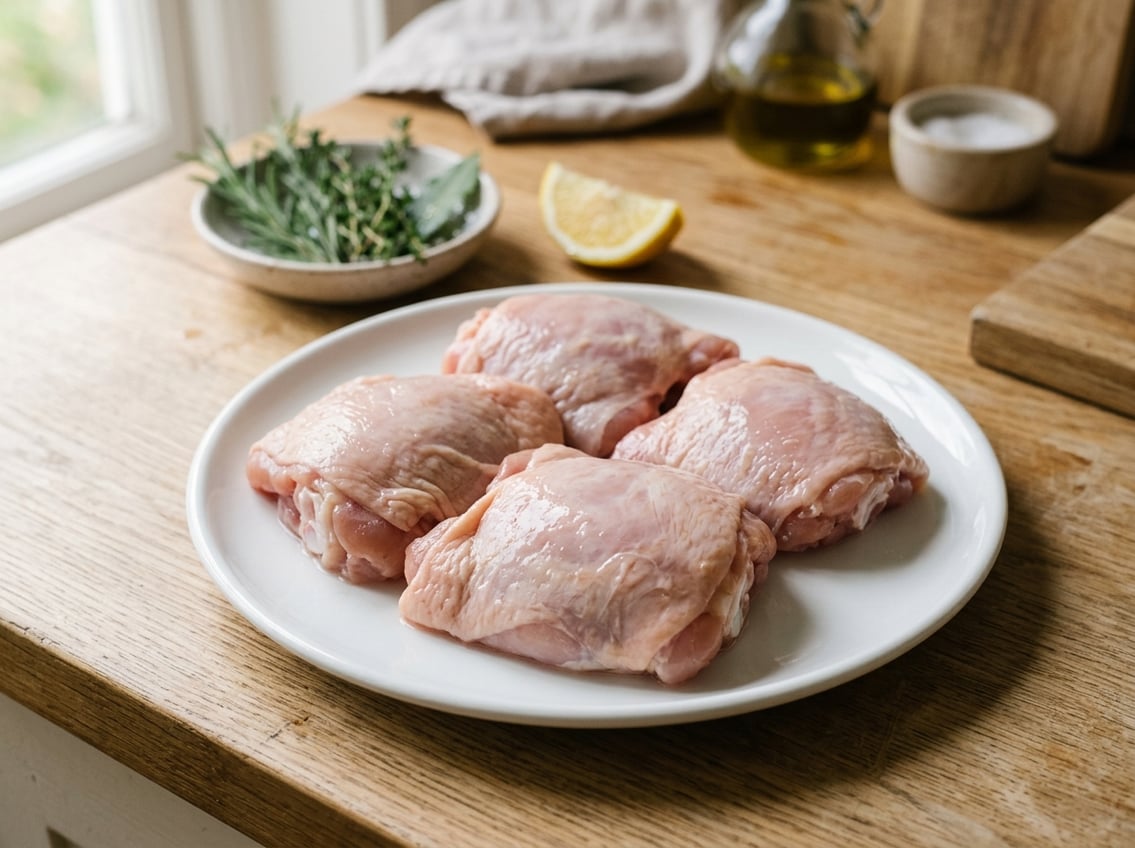
Fresh chicken thighs have a normal, faint scent. Sensory clues like color, texture, and packaging can confirm if there is a problem.
Typical Aromas of Fresh Chicken Thighs
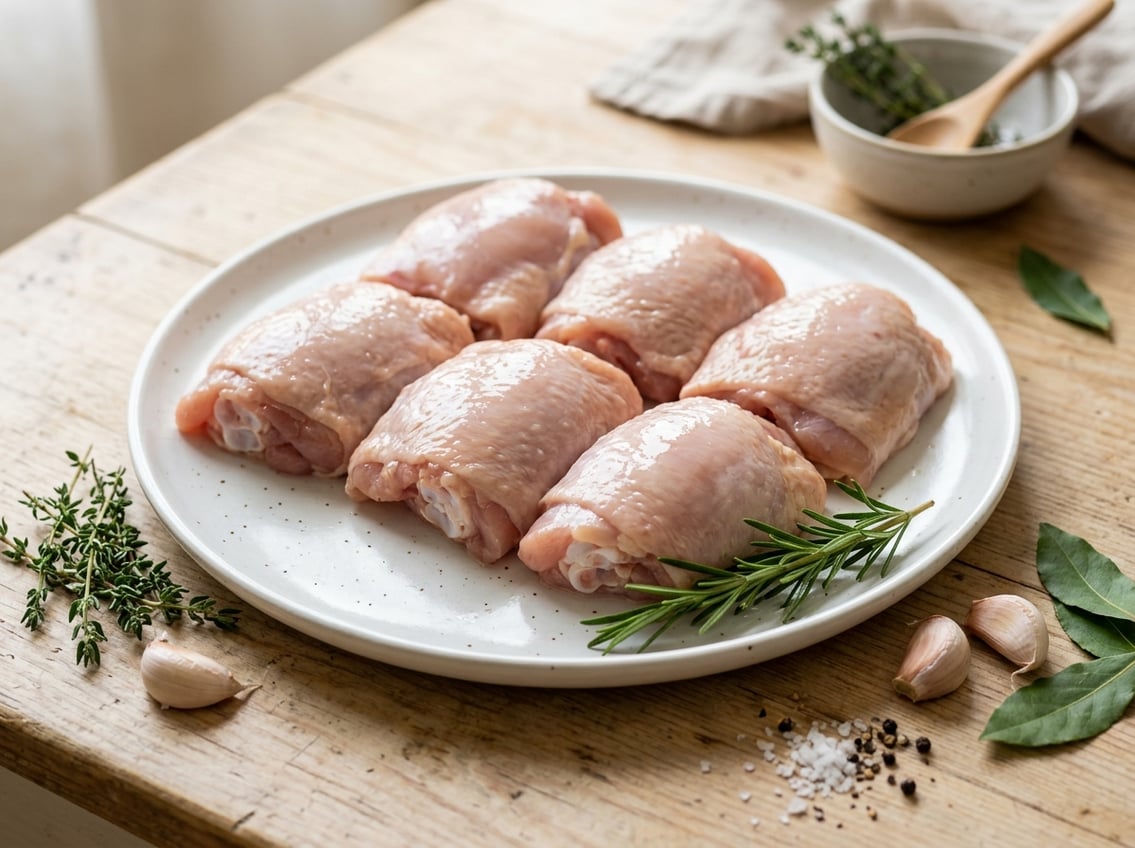
Fresh raw chicken thighs give off only a faint, clean scent. You should expect a mild meaty note without sharp, sour, or chemical odors.
Understanding Mild and Neutral Scents
When you sniff raw chicken thighs close to the package, you should notice a very light, almost neutral poultry smell. This scent can include faint meaty or slightly metallic notes from blood and myoglobin, but it should not be sour, ammonia-like, or rotten.
Vacuum-sealed thighs may have a confined “pack” odor, which goes away after a few minutes of airing. If a mild scent persists or becomes tangy, sour, or sulfurous, the chicken is no longer fresh and you should discard it.
Quick checklist:
- Mild, clean, slightly meaty — acceptable.
- Sour, vinegar-like, ammonia, or rotten-egg odors — throw it out.
- Persistent odor after airing — unsafe.
Differences Between Thigh and Breast Odors
Thighs smell stronger than breasts because they contain more fat and myoglobin. Fat carries aroma compounds, so thighs often present deeper, richer notes compared with the leaner, milder scent of breast meat.
Skin-on or bone-in thighs can smell more pronounced due to surface oils and retained moisture. Boneless skinless breasts are drier and usually smell almost neutral.
Packaging and storage also change odor. Thighs exposed to air or stored improperly oxidize fats faster and can develop off-odors sooner than vacuum-sealed breasts.
What to compare:
- Thighs: slightly richer, fattier, more pronounced.
- Breasts: milder, almost neutral.
- Any sulfurous, fishy, or sour aroma in thighs — a freshness warning.
Expected Scent After Cooking
Cooking transforms raw aromas into roasted, savory, and caramelized notes. Searing produces toasty, nutty smells from rendered fat and browned skin. Braising yields gentler, broth-like aromas as collagen breaks down.
If cooked thighs retain a raw, metallic, or unpleasant sour smell, they may have been spoiled before cooking. Burnt or overly charred meat gives acrid, bitter odors that indicate overcooking.
Safe-cooking reminder:
- Properly cooked thighs should smell savory and meaty.
- Persistent off-odors after cooking suggest preexisting spoilage; discard the meat.
Detecting Off-Putting or Spoiled Chicken Thigh Smells

Pay attention to strong chemical, sour, or sulfur-like odors. Match the smell to visual and tactile clues.
If any smell strikes you as sharp, persistent, or unusual, use other signs before deciding to cook or eat.
Sulfur, Ammonia, and Rotten Egg Odors
A rotten-egg or sulfur smell usually means bacteria have started breaking down the meat. If your raw chicken thighs emit a sulfurous or ammonia-like odor when you open the package, discard them.
These smells come from protein decomposition and bacterial byproducts. Rinsing or cooking will not remove them.
Smell the meat close but not directly in your face and note intensity. A mild poultry odor is normal; anything sharp, peppery, or chemical is not.
Sour and Vinegar-Like Scents
A sour, tangy, or vinegar-like smell signals spoilage from acid-producing bacteria. If you detect this odor while the chicken is raw or after partial cooking, check for other cues like color changes, slime, or swollen packaging.
Brief, faint acidity can occur in older but not yet dangerous meat, but strong sourness paired with stickiness is a red flag. When in doubt, throw it out.
Other Signs of Spoiled Chicken
Use multiple indicators rather than smell alone. Look for grayish or greenish discoloration, dullness, or dark spots on the meat surface.
Fresh thighs have a pinkish color with white fat. Deep color shifts usually accompany spoilage.
Feel the texture. Slimy, tacky, or sticky surfaces mean bacterial growth.
Inspect packaging for bulging, leaks, or excessive liquid. If you find mold, visible film, or an off taste after cooking, do not eat the chicken.
Visual and Tactile Freshness Checks
Look for clear signals: color, texture, and the state of the packaging and juices reveal whether thighs are fresh or starting to spoil.
Assessing Color and Texture
Check raw thighs for a consistent light pink color with white fat. Gray, green, or yellow tints indicate spoilage and you should discard the meat.
Small darkening at the surface can occur from air exposure but shouldn’t be widespread.
Feel the flesh through the package or after opening. Fresh thighs are moist and slightly springy. They should not be slimy, sticky, or tacky.
Sliminess is a strong sign of bacterial growth. If cooked thighs show unusual softness, excessive dryness, or mold, do not eat them.
Use a quick checklist:
- Color: light pink = good; gray/green/yellow = bad.
- Texture: moist & springy = good; slimy/sticky = bad.
- Surface: no fuzzy mold, no excessive dryness for cooked meat.
Packaging and Liquid Clues
Inspect the package before purchase and after opening. Bulging packages or torn vacuum seals let bacteria grow. Avoid packages that are swollen or leaking.
If a vacuum-sealed thigh smells sour immediately on opening, let it air for 20–30 minutes. Mild lactic acid odor from packaging can dissipate, but persistent sour or sulfur smells mean discard.
Look at the liquid in the package. Clear or slightly pink juices are normal. Thick, cloudy, or greenish liquid signals breakdown and bacterial activity.
If juices coat your fingers with a sticky residue after touching raw meat, throw it out.
Note dates. Use raw thighs within 1–2 days in the fridge or freeze to maintain safety and freshness.
Influences on Chicken Thigh Smell
How you store and handle the meat, the bird’s diet and age, and the packaging method all affect the scent. These factors determine whether the aroma stays faint and meaty or shifts toward sour, sulfurous, or chemical notes.
Role of Storage and Handling
Temperature controls the pace of odor change. If you keep thighs at or below 40°F (4°C), their faint, meaty scent stays stable for 1–2 days.
Higher temperatures let bacteria multiply and produce sour or ammonia-like smells quickly.
Repeated thawing and refreezing concentrates juices and speeds up breakdown, which can create metallic or stale odors.
Cross-contamination also alters smell. If thighs sit near strong-smelling foods or unclean surfaces, they can pick up off-odors.
Always store raw thighs on the bottom shelf in a sealed container to prevent drips and odor transfer.
Impact of Diet, Breed, and Age
What the bird ate influences aroma. Chickens fed higher-fat or certain grain diets often have thighs with a richer, slightly stronger scent.
Pasture-raised or older birds tend to have more developed muscle and fat, which can give a deeper, gamier note compared with young, factory-raised birds.
Breed and age affect dark meat vs. white meat odor differences. Thighs contain more myoglobin and intramuscular fat, so you should expect a modestly stronger, meaty smell than breast meat.
Natural variations remain subtle. Pronounced sour, sulfurous, or chemical odors indicate spoilage, not breed or diet.
Packaging-Related Odors
Packaging method changes the smell you detect on opening. Vacuum-sealed or modified-atmosphere packs can trap gases and concentrate the natural poultry aroma, sometimes producing a slightly acidic or “stale” smell when first opened.
Swollen or leaking packages suggest gas production from bacterial growth. If you smell ammonia, rotten-egg, or strong sour notes at opening, discard the thighs.
Plastic-wrapped trays allow more air contact and faster oxidation of fats, which can lead to rancid or cardboard-like off-odors over time.
Check for excess pooled liquid in packaging. Dark or cloudy juices plus any off-odor signal reduced chicken thigh freshness and a higher risk the meat is spoiled.
Safe Storage to Preserve Chicken Thigh Freshness
Keep raw thighs cold, sealed, and separated from ready-to-eat foods. Store or freeze them promptly to limit bacterial growth and preserve aroma and texture.
Refrigeration Best Practices
Store raw chicken thighs at 40°F (4°C) or below on the lowest fridge shelf to prevent drips onto other foods.
Leave them in original packaging if unopened. If opened, transfer to a leakproof container or heavy-duty zip-top bag and press out excess air.
Use the coldest part of your refrigerator, not the door. Check your fridge thermometer weekly.
Plan to cook or freeze raw thighs within 1–2 days of purchase. Keep cooked thighs no longer than 3–4 days refrigerated.
Avoid stacking packages. Give air space so cold air circulates.
Place a sheet pan or tray beneath packaged thighs to catch leaks. Clean spills immediately with hot, soapy water.
How to Freeze Chicken Thighs and Identify Quality After Thawing
Freeze thighs at 0°F (-18°C) or lower in portion-sized packs. Wrap tightly in plastic wrap or butcher paper, then place in a freezer bag or vacuum-seal.
Label each package with the date. Raw thighs keep best quality up to about 9 months.
Thaw in the refrigerator overnight for even defrosting. For faster thawing, use a sealed bag in cold water, changing the water every 30 minutes. Cook immediately after cold-water or microwave thaw.
Never thaw on the counter.
After thawing, check appearance and smell before cooking. Fresh-thawed thighs should look pink, feel moist (not slimy), and have only a faint, neutral raw-meat scent.
Discard any thighs with a sour, ammonia-like, or sulfurous odor, sticky or slimy texture, or gray/green discoloration.
How to Respond to Questionable Chicken Thigh Smells
Check the odor, look, and texture together. If the chicken has a strong sour, ammonia, or rotten-egg smell, or feels slimy, treat it as unsafe.
When to Discard Chicken
If the thighs give a persistent sour or ammonia-like odor, discard them immediately. These smells mean spoilage bacteria or protein breakdown that may not be destroyed by cooking.
Also throw away chicken that is tacky or slimy to the touch, or has greenish or gray discoloration.
Package swelling or leaking in vacuum-sealed or store-wrapped poultry also means you should discard it.
If you bought the chicken within a safe time window but it smells off after thawing, do not refreeze or cook it. Dispose of it and sanitize surfaces and utensils that touched the raw meat.
Reducing Mild or Harmless Off-Odors
A faint, slightly sweet or “meaty” smell is normal. Mild sulfur or eggy notes can appear from benign compounds and short-term storage.
If the odor is subtle and there are no slime, discoloration, or damaged packaging, you can try rinsing under cold water and patting dry before cooking.
Marinating with acidic ingredients like lemon, vinegar, or yogurt and using aromatic spices can reduce harmless off-odors. Use this only when the thighs show no spoilage signs.
If the smell strengthens after rinsing or marinating, discard the meat.
Before keeping or cooking, check smell (mild vs. sharp), texture (dry vs. slimy), color (pink vs. gray/green), and packaging integrity. If three of four checks pass, the thighs are likely fine.
Cooking and Food Safety Reminders
Cooking kills pathogens like Salmonella, but it does not make spoiled meat safe or palatable.
Cook chicken thighs to an internal temperature of 165°F (74°C) in the thickest part to ensure safety from bacteria.
Do not rely solely on smell to judge safety. Pathogens can exist without any odor.
Wash your hands and sanitize cutting boards. Keep raw poultry separate from ready-to-eat foods to prevent cross-contamination.


