The Rise of Bitter and Bright Flavors: Recipes with Citrus, Greens, Olives, and Briny Cheeses
Last updated: June 29, 2026
Restaurant menus across North America now feature 40% more dishes with bitter greens, citrus, and briny ingredients than they did three years ago. The Rise of Bitter and Bright Flavors: Recipes with Citrus, Greens, Olives, and Briny Cheeses represents a major shift away from sweet and savory comfort foods toward sharper, more complex taste profiles that wake up your palate and add sophistication to everyday cooking.
Key Takeaways
- Bitter and bright flavors combine sharp, slightly astringent tastes (from greens, citrus pith, olives) with acidic, fresh notes (from lemon juice, vinegar, briny cheeses)
- Growing popularity stems from health trends, Mediterranean diet influence, and desire for more complex, adult flavor profiles in 2026
- Balance is key: pair bitter ingredients with fat (olive oil, cheese), salt (olives, capers), and acid (citrus juice) to create harmony
- Best citrus choices include Meyer lemons, blood oranges, grapefruit, and preserved lemons for layered bitter-bright combinations
- Top greens that work well are arugula, radicchio, endive, kale, and dandelion greens
- Briny cheeses beyond feta include ricotta salata, halloumi, aged pecorino, and fresh mozzarella in brine
- Beginner-friendly when you start with mild greens (arugula) and gradually build complexity
- Common mistakes include under-salting, skipping fat, and overcooking greens until they turn musty
What Are Bitter and Bright Flavors in Cooking?
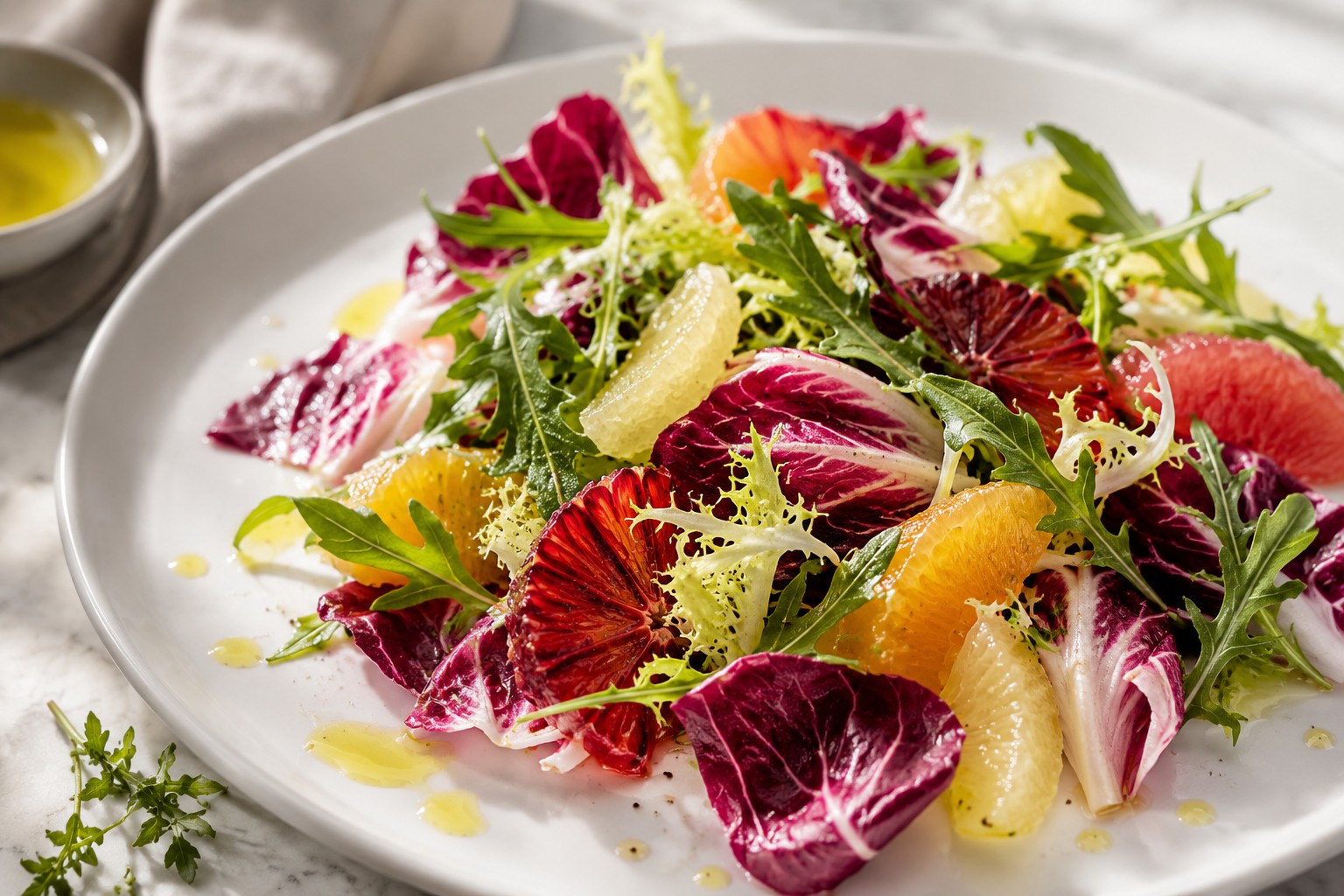
Bitter and bright flavors are two distinct taste profiles that work together to create complex, refreshing dishes. Bitter flavors come from compounds in foods like dark leafy greens (arugula, kale, radicchio), citrus pith, olives, coffee, and certain herbs, while bright flavors refer to acidic, tangy, and fresh notes from citrus juice, vinegar, fresh herbs, and pickled ingredients.
When combined thoughtfully, these flavors create balance. The sharpness of bitter ingredients gets softened by acidic brightness, while fat from olive oil or cheese rounds out both elements. This combination stimulates multiple taste receptors at once, making food taste more interesting and less one-dimensional.
Key characteristics of bitter flavors:
- Slightly astringent or sharp on the tongue
- Often found in dark green vegetables and citrus peel
- Can taste medicinal or unpleasant when too concentrated
- Become more palatable when balanced with salt and fat
Key characteristics of bright flavors:
- Acidic, tangy, or zesty taste profile
- Wake up your palate and cut through richness
- Come from citrus juice, vinegar, fresh herbs, and fermented foods
- Add freshness and prevent dishes from tasting heavy
Why Are Bitter Flavors Becoming More Popular Now?
Bitter flavors are gaining popularity in 2026 because taste preferences are maturing beyond sweet and salty comfort foods toward more sophisticated, health-conscious options. The Mediterranean diet’s continued influence, increased awareness of gut health benefits from bitter foods, and a cultural shift toward “grown-up” flavors all contribute to this trend.
Several factors drive this change. First, health-conscious eaters recognize that bitter greens contain beneficial compounds like antioxidants and fiber. Second, restaurant culture has normalized complex flavors through craft cocktails (think Aperol, Campari) and vegetable-forward menus. Third, younger generations raised on diverse cuisines are more adventurous with challenging flavors.
Main reasons for the bitter flavor trend:
- Mediterranean and Middle Eastern cuisine influence in mainstream cooking
- Health benefits associated with bitter greens (improved digestion, nutrient density)
- Reaction against overly sweet processed foods
- Craft cocktail culture normalizing bitter aperitifs
- Social media showcasing visually striking dishes with colorful bitter ingredients
Choose bitter flavors if you’re looking to reduce sugar intake, add more vegetables to your diet, or develop a more refined palate. They work especially well for adults who find sweet-heavy dishes cloying.
How to Balance Bitter and Bright Flavors in Recipes
Balancing bitter and bright flavors requires three key elements: fat, salt, and acid in proper proportions. Start with your bitter base (greens or olives), add fat (olive oil, cheese, nuts), incorporate salt (from cheese, olives, or sea salt), and finish with bright acid (citrus juice or vinegar) to tie everything together.
The golden ratio for most dishes: for every 4 cups of bitter greens, use 2-3 tablespoons of fat, 1-2 tablespoons of acid, and salt to taste. This creates harmony where no single element dominates.
Step-by-step balancing technique:
- Start with your bitter element (greens, olives, citrus peel)
- Add fat immediately (olive oil, cheese, avocado) to coat and mellow bitterness
- Season with salt to enhance all flavors and reduce perceived bitterness
- Finish with acid (lemon juice, vinegar) to brighten and lift the dish
- Taste and adjust by adding more of whichever element feels lacking
Common mistake: Adding acid before fat. This intensifies bitterness instead of balancing it. Always coat bitter ingredients with fat first, then add your bright acidic elements.
Decision rule: If a dish tastes too bitter, add more fat and salt before adding more acid. If it tastes flat or heavy, add more bright acidic ingredients. If it’s too sharp, add a pinch of sugar or honey to round it out.
Best Citrus Fruits for Bitter Bright Flavor Combinations
Meyer lemons, blood oranges, grapefruit, and preserved lemons are the top citrus choices for bitter-bright cooking because they offer both juice (bright) and pith or peel (bitter) in balanced proportions. Regular lemons work well too, but these specialty citrus varieties add extra complexity and visual appeal to dishes.
Top citrus options ranked by versatility:
- Meyer lemons – sweeter, less acidic, floral notes, thin pith
- Regular lemons – classic bright acid, moderate bitterness in peel
- Blood oranges – sweet-tart juice, beautiful color, mild bitterness
- Grapefruit – strong bitter-bright balance, works in savory dishes
- Preserved lemons – intense salty-bitter-bright flavor, North African staple
- Yuzu (if available) – complex floral-bitter notes, expensive but impactful
How to use each part:
- Juice provides bright acidity for dressings and finishing
- Zest adds aromatic oils without bitterness
- Pith and membrane contribute bitter notes (use sparingly)
- Segments offer texture and visual appeal in salads
Choose Meyer lemons for beginners because they’re less aggressively sour. Use grapefruit when you want pronounced bitterness that can stand up to strong cheeses and olives. Preserved lemons work best in Mediterranean and Middle Eastern recipes where their intense flavor won’t overwhelm other ingredients.
What Greens Work Well with Olives and Feta Cheese?
Arugula, radicchio, endive, baby kale, and dandelion greens pair exceptionally well with olives and feta because their bitter profiles complement the salty, briny flavors without competing. These greens have enough structure to hold up to bold ingredients and enough bitterness to create interesting contrast with creamy, salty cheese.
Best greens for bitter-bright combinations:
- Arugula – peppery, mild bitterness, tender, beginner-friendly
- Radicchio – crunchy, wine-red color, pronounced bitterness, beautiful presentation
- Endive – crisp, slightly bitter, boat-shaped leaves perfect for stuffing
- Baby kale – earthy, moderate bitterness, nutrient-dense, holds dressing well
- Dandelion greens – strong bitterness, best mixed with milder greens
- Watercress – peppery-bitter, delicate, adds freshness
Pairing strategy: Mix 60% mild greens (arugula, baby kale) with 40% strongly bitter greens (radicchio, endive) for balanced salads. This prevents overwhelming bitterness while maintaining complexity.
With feta specifically: Arugula and radicchio work best because their bitterness contrasts beautifully with feta’s creamy, tangy saltiness. The cheese’s fat content mellows the greens’ sharp edges.
With olives: Endive and baby kale are ideal because they’re sturdy enough to hold up to olives’ intense brine without wilting or tasting muddy.
Recipes Using Citrus, Greens, and Briny Cheese Together
Combining citrus, greens, and briny cheese creates balanced dishes where bitter, bright, salty, and creamy elements work in harmony. Classic combinations include arugula salad with lemon, feta, and olives; pasta with kale, preserved lemon, and ricotta salata; or grilled radicchio with blood orange and halloumi.
Simple Arugula Salad with Lemon and Feta (serves 4):
- 6 cups arugula
- 1/2 cup crumbled feta
- 1/4 cup pitted Kalamata olives, halved
- Juice of 1 lemon
- 3 tablespoons olive oil
- Salt and pepper to taste
Toss arugula with olive oil and salt first, then add lemon juice, feta, and olives. This order prevents the greens from wilting prematurely.
Pasta with Bitter Greens and Briny Cheese (serves 4):
- 12 oz pasta (orecchiette or penne)
- 4 cups chopped kale or radicchio
- 3 cloves garlic, minced
- 1/4 cup olive oil
- Zest and juice of 1 lemon
- 1/2 cup grated ricotta salata or pecorino
- 2 tablespoons capers
Cook pasta, reserve 1 cup pasta water. Sauté garlic in olive oil, add greens until wilted, toss with pasta, lemon, cheese, and capers. Add pasta water to create a light sauce. This technique is similar to methods used when keeping chicken breast from drying out – using reserved cooking liquid to maintain moisture.
Grilled Radicchio with Citrus and Halloumi:
- 2 heads radicchio, quartered
- 8 oz halloumi, sliced
- 1 blood orange, segmented
- Olive oil, salt, pepper
- Fresh mint
Brush radicchio with oil, grill until charred (3-4 minutes per side). Grill halloumi until golden. Arrange on platter with orange segments and mint. Drizzle with olive oil and orange juice.
Is Bitter Flavor Cooking Good for Beginners or Advanced Cooks?
Bitter flavor cooking is accessible to beginners when starting with mild ingredients like arugula and lemon, but mastering the balance requires practice and develops with experience. New cooks should begin with recipes that use pre-balanced combinations (like arugula-lemon-feta salads) before experimenting with strongly bitter ingredients like dandelion greens or grapefruit pith.
For beginners:
- Start with arugula, baby kale, and Meyer lemons
- Use recipes with specific measurements for acid and fat
- Avoid strongly bitter greens like dandelion or mustard greens initially
- Rely on briny cheeses (feta, ricotta salata) to add complexity without guesswork
For advanced cooks:
- Experiment with radicchio, endive, and preserved lemons
- Adjust balance by taste rather than strict measurements
- Incorporate multiple bitter elements in one dish
- Use techniques like grilling or roasting to transform bitterness
Skill progression: Begin with simple salads, move to pasta dishes with greens, then try grilled or roasted preparations that concentrate and caramelize bitter flavors. Each step builds confidence in balancing these challenging tastes.
The learning curve is gentle if you follow the fat-salt-acid framework consistently. Most beginners master basic bitter-bright combinations within 5-10 attempts.
Common Mistakes When Cooking with Bitter Greens
The most common mistakes when cooking with bitter greens are under-salting, using too little fat, overcooking until greens turn musty, and failing to balance bitterness with acid. These errors make bitter greens taste unpleasantly harsh instead of pleasantly complex.
Top mistakes and fixes:
Under-salting – Salt reduces perceived bitterness. Season greens generously, especially raw ones.
Skipping fat – Fat coats your tongue and mellows bitterness. Always dress greens with olive oil or pair with cheese.
Overcooking – Bitter greens turn sulfurous and musty when cooked too long. Sauté for 2-3 minutes maximum, or eat raw.
Adding acid too early – Acid can intensify bitterness if added before fat. Always coat with oil first.
Using only one bitter element – Mixing mild and strong greens creates better balance than using one type alone.
Ignoring texture – Wilted, soggy greens taste more bitter. Keep them crisp or just barely wilted.
Edge case: Some people have genetic variations that make them “supertasters” who perceive bitterness more intensely. If bitter greens consistently taste unbearable despite proper preparation, this may be why. In this case, stick with the mildest options (arugula, baby kale) and use extra fat and salt.
How to Make Bitter Greens Taste Less Bitter
To make bitter greens taste less bitter, massage them with salt and olive oil, blanch them briefly in boiling water, pair them with sweet elements like dried fruit, or cook them with garlic and fat. These techniques physically or chemically reduce bitter compounds or mask them with other strong flavors.
Most effective techniques:
Salt massage – Rub raw greens with coarse salt for 30 seconds, then rinse. This breaks down cell walls and reduces bitterness by 30-40%.
Blanching – Boil greens for 30-60 seconds, then shock in ice water. This removes water-soluble bitter compounds.
Add sweetness – Include dried cranberries, raisins, honey, or balsamic glaze to balance bitterness.
Cook with garlic and fat – Sauté greens in olive oil with plenty of garlic. The Maillard reaction creates new flavors that mask bitterness.
Mix with mild greens – Combine bitter greens with spinach, butter lettuce, or romaine at a 1:2 ratio.
Use younger leaves – Baby versions of bitter greens (baby kale, young arugula) contain fewer bitter compounds than mature leaves.
Quick fix: If a dish tastes too bitter after cooking, stir in a small amount (1/2 teaspoon) of honey or maple syrup. This won’t make it taste sweet but will round out the harsh edges.
What Cheeses Are Considered Briny Besides Feta?
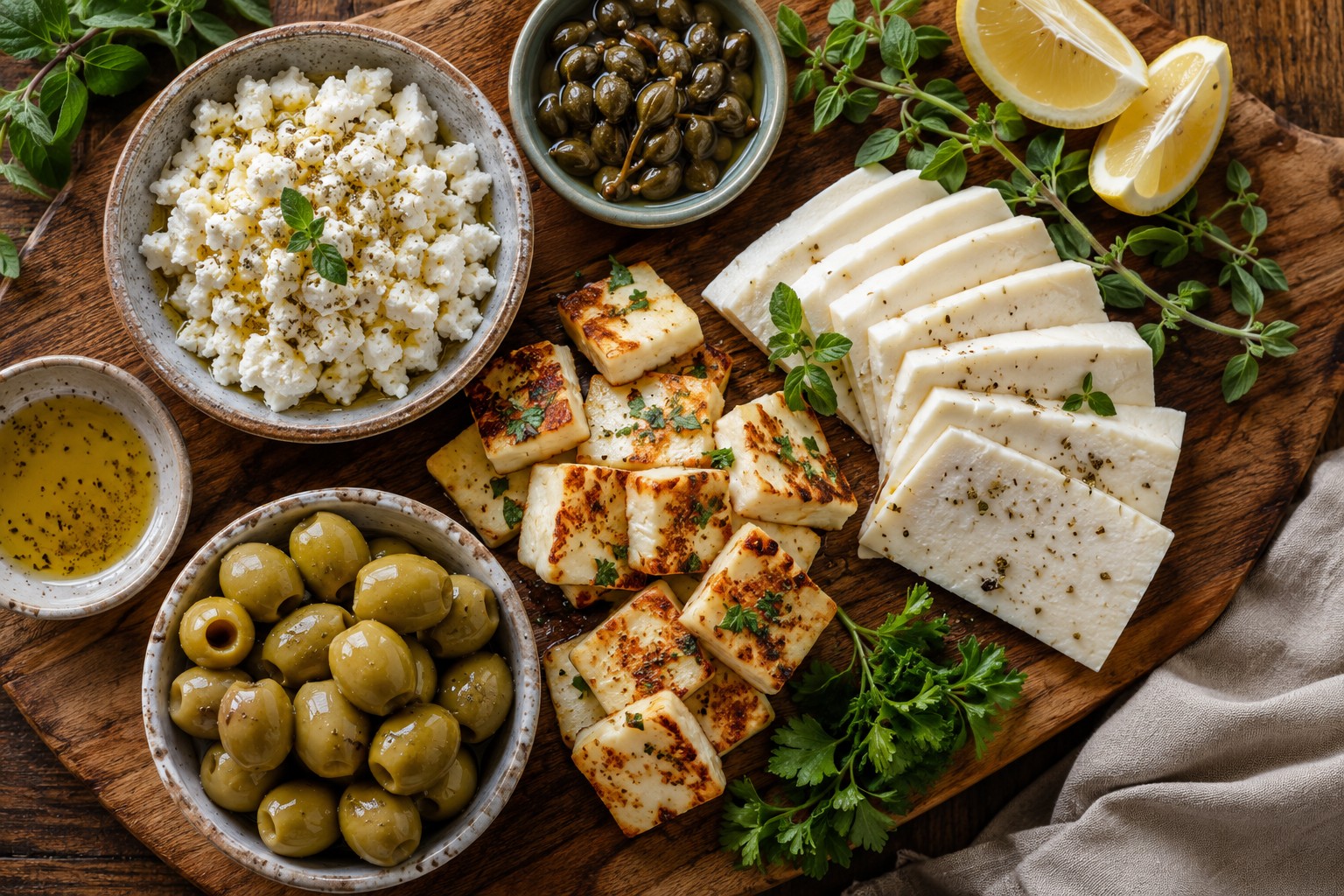
Briny cheeses beyond feta include ricotta salata, halloumi, fresh mozzarella stored in brine, aged pecorino, queso fresco, and Bulgarian white cheese. These cheeses are either stored in saltwater brine or have high salt content that creates a similar salty-tangy flavor profile that complements bitter and bright ingredients.
Top briny cheese options:
- Ricotta salata – pressed, salted ricotta, firm texture, mild brine flavor, grates well
- Halloumi – Cypriot cheese, squeaky texture, holds shape when grilled, very salty
- Fresh mozzarella in brine – mild, creamy, subtle brine flavor, best torn not sliced
- Aged pecorino – sheep’s milk, sharp and salty, similar to Parmesan but brinier
- Queso fresco – Mexican fresh cheese, crumbly, mild salt, doesn’t melt
- Bulgarian white cheese – similar to feta but creamier, often cow’s milk
- Manouri – Greek whey cheese, creamier than feta, less salty
Substitution guide:
- Replace feta with ricotta salata for milder dishes
- Use halloumi when you want cheese that can be grilled or fried
- Choose fresh mozzarella for creamier texture with less aggressive salt
- Pick aged pecorino when you want both brine flavor and sharp aged notes
Storage tip: Keep briny cheeses in their brine or make fresh brine (1 tablespoon salt per cup of water) to prevent them from drying out and losing their characteristic flavor.
Alternatives to Olives for Salty Briny Flavor
Capers, pickled vegetables, anchovies, preserved lemons, and sun-dried tomatoes in brine provide similar salty, briny flavors to olives and work well in bitter-bright recipes. These ingredients add the same umami-rich, fermented quality that balances bitter greens and bright citrus.
Best olive alternatives:
- Capers – small, intensely salty, floral notes, use 1 tablespoon capers per 1/4 cup olives
- Anchovies – umami-rich, dissolve into dishes, use 2-3 fillets per 1/4 cup olives
- Preserved lemons – salty-bitter-bright, North African flavor, use 1 tablespoon minced per 1/4 cup olives
- Pickled peppers – tangy-salty, add heat, use equal amounts
- Sun-dried tomatoes in brine – sweet-salty, chewy texture, use equal amounts
- Pickled onions – bright-salty, crunchy, add pink color
When to use each:
- Choose capers for delicate dishes where olive chunks would be too heavy
- Use anchovies when you want brine flavor without visible pieces (they melt into sauces)
- Pick preserved lemons for authentic Mediterranean flavor
- Select pickled vegetables when you want crunch and visual variety
Combination strategy: Mix two alternatives (like capers and sun-dried tomatoes) to create complexity similar to using multiple olive varieties.
Do Kids Like Bitter and Bright Flavors or Just Adults?
Children generally have more sensitive bitter taste receptors than adults and naturally prefer sweet and mild flavors, but they can learn to enjoy bitter and bright flavors through gradual exposure starting around age 8-10. Taste preferences develop with repeated exposure, and kids raised eating diverse cuisines accept bitter flavors more readily than those eating primarily sweet and salty foods.
Age-based preferences:
- Under 5 – Strong genetic aversion to bitterness (protective mechanism against toxins)
- Ages 5-10 – Beginning to accept mild bitter flavors if introduced gradually
- Ages 10-15 – Taste receptors mature, more openness to complex flavors
- 16+ – Adult-like taste preferences, can enjoy full bitter-bright spectrum
Why kids resist bitterness: Children have approximately 30% more taste buds than adults, making bitter flavors more intense. This biological sensitivity decreases with age as taste buds naturally diminish.
Developmental note: Kids who regularly eat vegetables, including slightly bitter ones, develop broader taste preferences and are more likely to enjoy bitter-bright combinations as teenagers and adults.
How to Introduce Bitter Flavors to Picky Eaters
Introduce bitter flavors to picky eaters gradually by starting with the mildest options (arugula, baby kale), mixing them with familiar sweet or creamy foods, and offering repeated exposure without pressure. The key is making bitter ingredients a regular but optional part of meals for 10-15 exposures before expecting acceptance.
Step-by-step introduction strategy:
- Start with mild greens – Begin with butter lettuce mixed with 10% arugula, gradually increasing the ratio
- Pair with favorites – Add small amounts of bitter greens to pasta, pizza, or dishes the person already loves
- Use fat and salt generously – Make bitter foods as palatable as possible with olive oil, cheese, and proper seasoning
- Add sweetness – Include dried fruit, honey, or sweet vegetables (roasted carrots) in the same dish
- Offer choice – Let picky eaters choose which bitter ingredient to try (arugula vs. kale)
- Model enjoyment – Eat and visibly enjoy bitter foods yourself without commenting on the picky eater’s choices
Exposure timeline:
- Weeks 1-2: Introduce visual exposure (bitter greens on the table)
- Weeks 3-4: Encourage touching and smelling
- Weeks 5-8: Offer tiny tastes with no pressure
- Weeks 9-12: Include small portions on their plate
- Month 4+: Gradually increase portion size
Common mistake: Forcing or pressuring picky eaters to eat bitter foods. This creates negative associations and delays acceptance. Research shows that pressure reduces willingness to try new foods by up to 50%.
Success marker: Acceptance means willingly eating a food, not necessarily loving it. Many people eat bitter greens for health benefits without finding them delicious, and that’s perfectly fine.
What Wines Pair with Bitter Citrus and Olive Dishes?
Crisp white wines with high acidity, such as Sauvignon Blanc, Vermentino, Assyrtiko, and dry Riesling, pair best with bitter citrus and olive dishes because their bright acidity matches the food’s flavor profile without competing. Avoid heavy, oaky wines that clash with bitterness and citrus acid.
Top wine pairings:
- Sauvignon Blanc – citrus notes, high acidity, herbaceous, classic pairing
- Vermentino – Mediterranean white, salty minerality, matches briny cheese
- Assyrtiko – Greek white, very high acid, lemon-lime notes, perfect with feta
- Dry Riesling – bright acidity, stone fruit, balances bitterness well
- Albariño – Spanish white, citrus and saline notes, pairs with olives
- Grüner Veltliner – Austrian white, peppery notes match arugula
For rosé lovers:
- Dry Provence rosé works beautifully with bitter-bright salads
- Choose bone-dry versions with high acidity
Red wine option:
- Light, acidic reds like Pinot Noir can work with grilled radicchio dishes
- Avoid tannic reds (Cabernet, Syrah) which taste metallic with citrus
Pairing principle: Match the wine’s acidity level to the dish’s brightness. Very citrusy dishes need very acidic wines. Dishes with more fat (lots of cheese, olive oil) can handle slightly rounder wines.
Non-alcoholic option: Sparkling water with lemon or grapefruit-based sparkling beverages provide similar palate-cleansing acidity without alcohol.
FAQ
What makes a flavor “bright” in cooking? Bright flavors are acidic, tangy, or zesty tastes that come from citrus juice, vinegar, fresh herbs, or fermented ingredients. They wake up your palate, cut through richness, and make food taste fresh and lively rather than heavy or flat.
Can you cook with bitter greens or should they always be raw? You can cook bitter greens, but keep cooking time short (2-3 minutes of sautéing) to prevent them from turning musty and sulfurous. Grilling or roasting also works well because caramelization adds sweetness that balances bitterness. Raw preparations work best for mild greens like arugula.
Why do some people hate bitter flavors more than others? Genetic variations in taste receptors, particularly the TAS2R38 gene, make some people “supertasters” who perceive bitterness 2-3 times more intensely than average. These individuals may never enjoy strongly bitter foods, and that’s a biological reality, not a preference they can easily change.
How much lemon juice should I use per serving of bitter greens? Use approximately 1-2 teaspoons of fresh lemon juice per cup of raw greens, or about 1 tablespoon per 4 cups for a full salad. Start with less and add more to taste, since lemon intensity varies by fruit and personal preference.
Is feta cheese healthy compared to other cheeses? Feta is relatively healthy, containing fewer calories and less fat than aged hard cheeses while providing protein, calcium, and probiotics. However, it’s high in sodium (about 300mg per ounce), so people watching salt intake should use it sparingly.
What’s the difference between ricotta and ricotta salata? Ricotta is fresh, soft, creamy cheese with mild flavor, while ricotta salata is pressed, salted, and aged for at least 3 months, resulting in a firm, crumbly texture and salty, tangy flavor similar to feta. They’re not interchangeable in recipes.
Can I use bottled lemon juice instead of fresh? Fresh lemon juice tastes significantly brighter and more complex than bottled versions, which often have a flat, one-dimensional flavor. For bitter-bright recipes where citrus is a star ingredient, fresh juice makes a noticeable difference worth the extra effort.
How do I store leftover bitter greens? Wrap unwashed bitter greens loosely in paper towels, place in a perforated plastic bag, and store in the crisper drawer. Wash only before using. Most bitter greens stay fresh 3-5 days, though delicate ones like arugula last only 2-3 days.
Are olives and capers the same thing? No, olives are fruits from olive trees, while capers are pickled flower buds from the caper bush. Both are brined and salty, but capers have a more intense, floral-tangy flavor and smaller size, making them better for dishes where you want brine flavor without chunks.
What’s the easiest bitter-bright recipe for someone who’s never tried this flavor combination? Start with a simple arugula salad: toss 4 cups arugula with 2 tablespoons olive oil, 1 tablespoon lemon juice, salt, pepper, 1/4 cup crumbled feta, and optional pine nuts. This classic combination demonstrates the bitter-bright-salty-creamy balance in its simplest form.
Can I meal prep dishes with bitter greens and citrus? Prep components separately and assemble before serving. Store washed, dried greens in containers with paper towels, keep dressing separate, and add citrus juice just before eating. Assembled salads with citrus juice wilt within 30 minutes and taste soggy.
Do bitter flavors have any health benefits? Bitter foods, particularly dark leafy greens, contain beneficial compounds including antioxidants, fiber, vitamins K and A, and phytonutrients. Some research suggests bitter flavors may stimulate digestion and support liver function, though more studies are needed to confirm specific health claims.
Conclusion
The Rise of Bitter and Bright Flavors: Recipes with Citrus, Greens, Olives, and Briny Cheeses reflects a broader shift toward more sophisticated, health-conscious eating in 2026. By understanding how to balance bitter greens with bright citrus, salty olives, and creamy briny cheeses, home cooks can create restaurant-quality dishes that are both nutritious and exciting to eat.
Start your bitter-bright cooking journey with simple combinations: arugula with lemon and feta, pasta with kale and ricotta salata, or grilled radicchio with blood orange. Master the fat-salt-acid framework, and you’ll be able to improvise confidently with whatever bitter greens and citrus you find at the market.
Your next steps:
- Buy one mild bitter green (arugula or baby kale) and one citrus fruit (Meyer lemon or regular lemon)
- Make the simple arugula salad recipe from this guide
- Experiment with adding one briny element (feta, olives, or capers)
- Gradually try more assertive bitter greens as your palate develops
- Share your creations with friends to normalize these flavors in your cooking community
The beauty of bitter and bright cooking is that it gets easier and more intuitive with practice. Each successful dish builds your confidence and expands your flavor vocabulary, making you a more versatile and skilled cook overall.
SEO Meta Title: Bitter & Bright Flavors: Citrus, Greens, Cheese Recipes


