
Is It Safe to Refreeze Chicken Thighs? Best Practices Explained
You can safely refreeze chicken thighs only if they never rose above refrigerator temperature while thawing and you follow a few simple handling steps. If the thighs thawed in the fridge and stayed at or below 40°F (4°C), you may refreeze them raw or cooked. If you thawed them in cold water or a microwave, cook them before freezing.
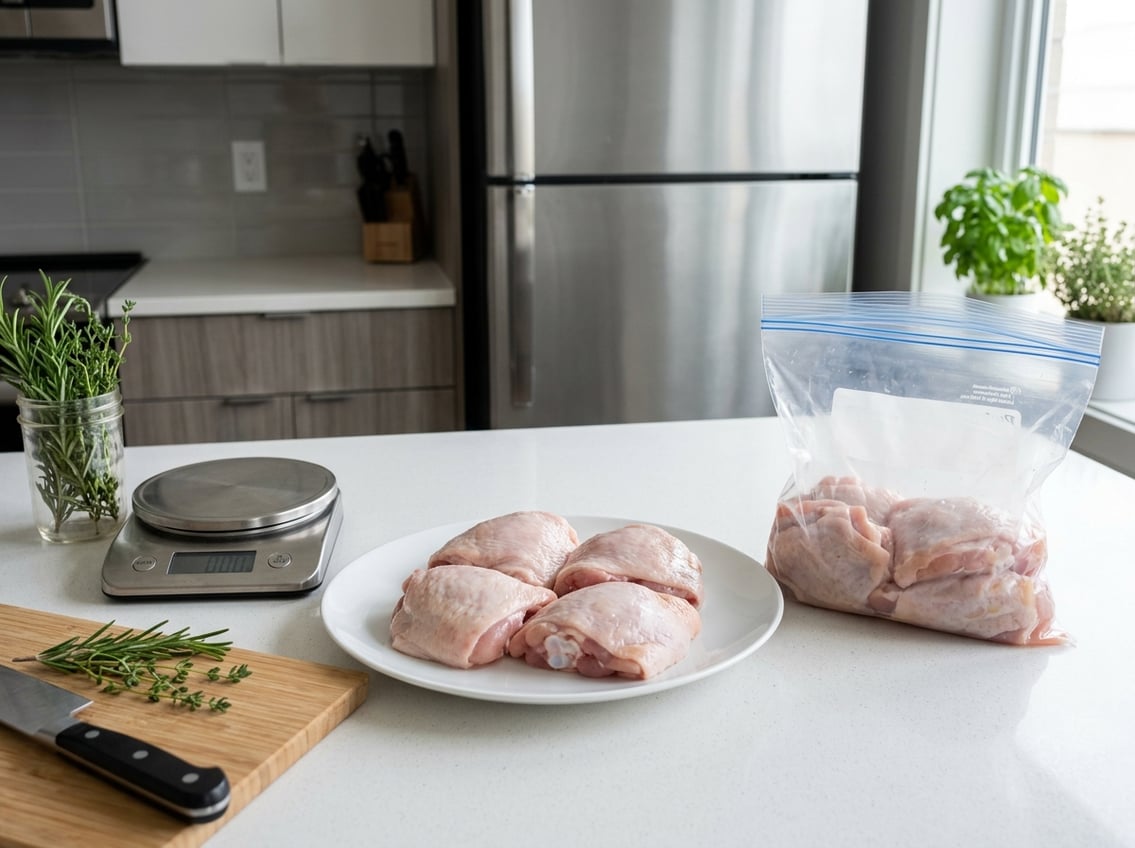
Choosing the right thawing method protects you from foodborne illness and helps you decide whether to freeze or cook now. Thawing method, timing, and packaging all affect safety and quality.
You can minimize texture loss and prevent freezer burn by following practical tips so your next meal still tastes good.
Understanding Food Safety and Refreezing Chicken Thighs
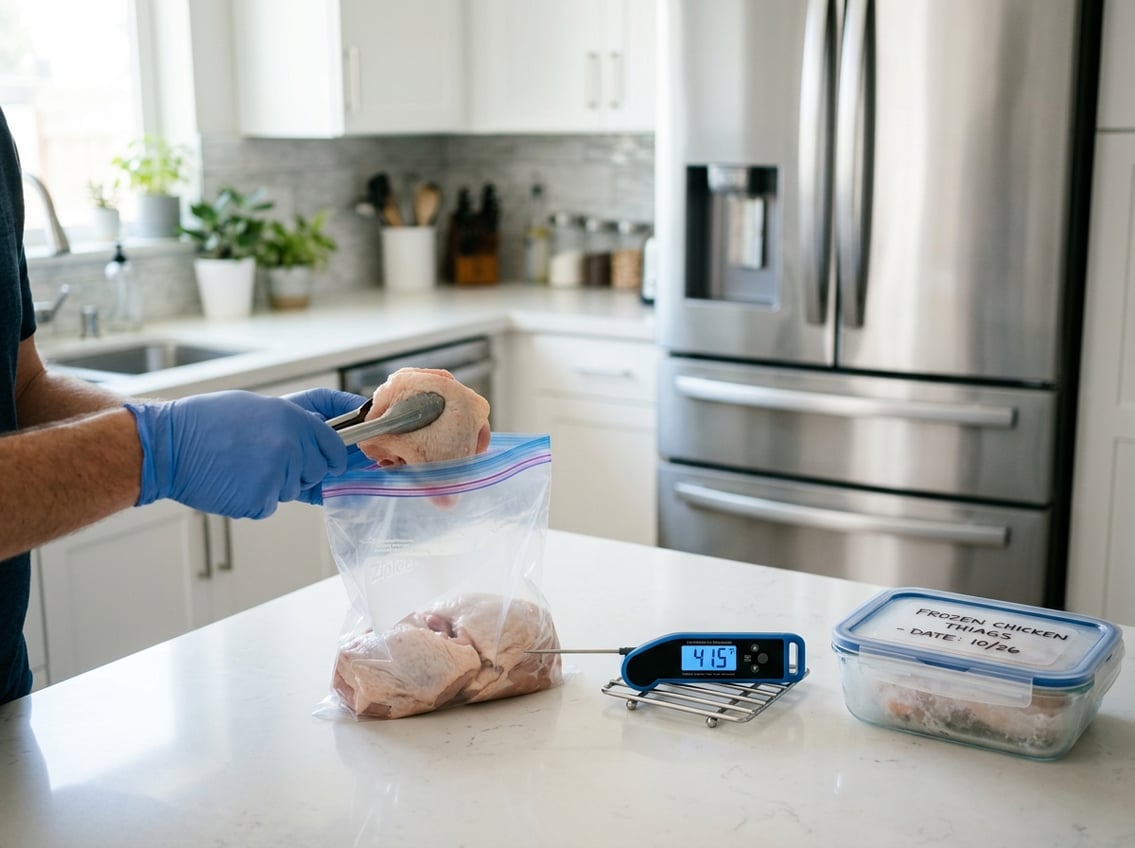
Freezing keeps chicken stable by slowing microbial activity and stopping spoilage at typical home freezer temperatures. Your thawing method and how long the chicken stays above refrigerator temperatures determine whether you can safely refreeze chicken thighs.
Why Freezing Preserves Safety
Freezing at 0°F (-18°C) or below halts the growth of most bacteria that cause foodborne illness. Freezing does not reliably kill pathogens like Salmonella or Campylobacter, so you must prevent those organisms from multiplying before you refreeze or cook the thighs.
If you thaw chicken thighs in the refrigerator at or below 40°F (4°C), bacterial growth remains minimal and you can safely refreeze raw thighs within 1–2 days. Thawing with cold water or a microwave raises temperature risk and requires you to cook the thighs before refreezing, because some surface warming can let bacteria multiply.
Airtight wrapping or vacuum sealing reduces air exposure and freezer burn, helping you maintain both safety and quality when refreezing chicken.
The Temperature Danger Zone
Bacteria multiply rapidly between 40–140°F (4–60°C). You must keep raw chicken thighs out of that zone to prevent pathogens from reaching unsafe levels.
If thawed chicken spends more than two hours in the danger zone (one hour above 90°F / 32°C), discard it. Never thaw on the countertop and avoid leaving packaged thighs in warm areas before cooking or refreezing.
Use a refrigerator thermometer and a food thermometer if you doubt temperatures. For cold-water thawing, keep water under 70°F and change it every 30 minutes to prevent warming into the danger zone.
How Refreezing Affects Bacterial Growth
Freezing does not reverse any bacterial growth that occurred while the chicken thawed. If bacteria grew during thawing, freezing only pauses their activity; thawing again will allow them to multiply.
If you thawed thighs properly in the fridge, refreezing raw chicken does not increase safety risk, though repeated freeze-thaw cycles degrade texture and juiciness. You can refreeze cooked chicken that was refrigerated within 3–4 days of cooking. Raw chicken refrozen after proper refrigeration is safe within 1–2 days of thawing.
Follow these practical steps:
- Thaw raw thighs only in the fridge if you plan to refreeze them raw.
- Cook thighs thawed by cold water or microwave before refreezing.
- Label packages with dates and use airtight packaging to limit quality loss after refreezing.
How Thawing Methods Impact Refreezing Safety
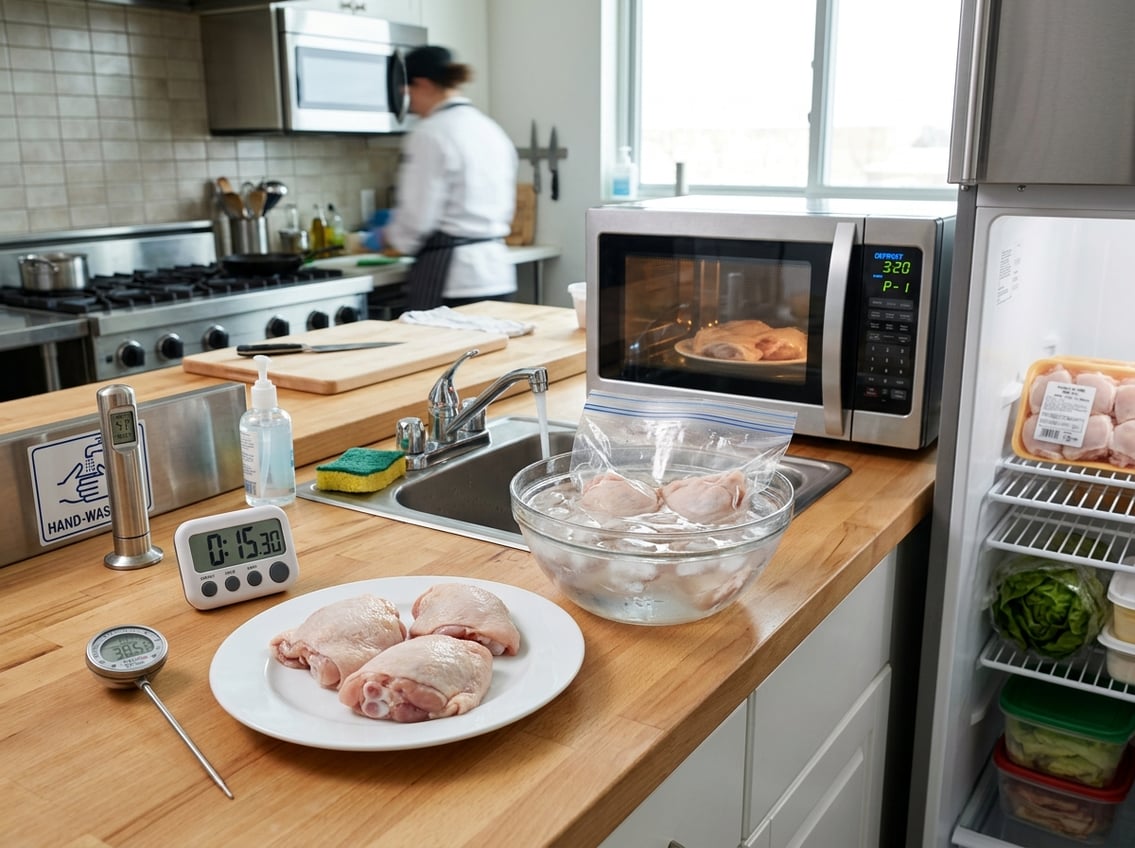
Thawing method determines whether you can safely refreeze chicken thighs and how much quality you’ll lose. Use methods that keep the meat below 40°F (4°C) or cook the thighs immediately if they warm above that threshold.
Refrigerator Thawing Procedures
Thaw chicken thighs on the bottom shelf of your refrigerator in a leak-proof container or sealed plastic bag. This keeps juices from contaminating other foods and maintains a safe temperature.
Plan for 24 hours per 1–2 pounds; small packages may thaw overnight. Once fully thawed in the fridge, you can refreeze the raw thighs within two days of initial thawing without increased food-safety risk.
If you partially cook the thighs, finish cooking them and then freeze the cooked product instead of refreezing raw partially cooked meat. Never refreeze thighs that have been out of refrigeration for more than two hours.
Cold Water Thawing Tips
Submerge sealed thighs in cold tap water, changing the water every 30 minutes to keep temperature low. Use a leak-proof bag and place the package in a bowl or sink.
You must cook thighs thawed by cold water immediately. Do not refreeze raw chicken thawed this way unless you cook it first.
If you decide to freeze after cooking, cool the cooked thighs to 40°F (4°C) within two hours and freeze promptly. Monitor water temperature and total thaw time.
If the water warms or if thighs have been above refrigerator temperature for over two hours, discard or cook them rather than refreeze raw.
Microwave Thawing Considerations
Microwave thawing uses rapid, uneven heating that can create warm spots where bacteria multiply. Use the microwave’s defrost setting and check frequently; rotate or flip thighs and stop when ice crystals remain to avoid partial cooking.
If any part of the thigh begins to cook during microwave thawing, cook the entire piece immediately. Do not refreeze raw thighs that were microwave-thawed without first cooking them.
After cooking fully to 165°F (74°C), you may refrigerate and then freeze cooked leftovers within four days. Keep microwave-thawed packages separate from ready-to-eat foods and clean surfaces and utensils after handling raw juices.
Guidelines for Refreezing Raw and Cooked Chicken Thighs
You can refreeze safely only when temperatures and handling stayed within safe limits. Follow specific steps for raw versus cooked thighs to reduce bacterial risk and minimize quality loss.
When It Is Safe to Refreeze Raw Chicken Thighs
You may refreeze raw chicken thighs only if they thawed entirely in your refrigerator and never rose above 40°F (4°C). If you used cold-water or microwave thawing, cook the thighs first; do not refreeze them raw after those methods.
Check the meat before refreezing: it should feel cold, not slimy, and have no off odor. Package tightly—use vacuum sealers or double-wrap in plastic wrap plus a heavy-duty freezer bag—to prevent freezer burn.
Label with the original purchase or freeze date and a new freeze date. Plan to use refrozen raw thighs within 3–9 months for best quality, with 3–4 months preferred in typical home freezers.
Steps for Refreezing Cooked Chicken Thighs
If your cooked chicken thighs thawed in the fridge, you can refreeze them, but only once after the original cook. Cool the cooked thighs to refrigerator temperature within two hours of cooking.
Pat pieces dry, portion into meal-sized servings, and wrap tightly. Flash-freeze individual pieces on a tray until firm, then transfer to airtight bags or containers.
Remove as much air as possible or vacuum-seal to limit ice crystals. Label each package with what it is, original cook date, and refreeze date.
When reheating later, bring internal temperature to 165°F (74°C). Do not refreeze cooked chicken that has already been reheated.
Quality Effects of Refreezing Chicken Thighs
Refreezing chicken thighs can change their texture, flavor, and usable storage time. Expect some moisture loss, a possible decline in taste, and an increased risk of freezer burn if you don’t package and freeze promptly.
Texture and Moisture Changes
When you freeze and thaw chicken thighs, ice crystals form inside muscle fibers and rupture cell walls. Each thaw cycle enlarges those crystals and increases moisture loss when you cook the meat.
Thawing in the refrigerator keeps juices mostly contained, so refreezing causes less damage than thawing in warm water or at room temperature. Fast, deep freezing (≤0°F / −18°C) reduces crystal size and helps preserve texture when you refreeze.
To limit dryness, remove excess air from packaging and freeze portions you’ll use in one go. Vacuum sealing or double-wrapping in heavy-duty freezer bags reduces ice crystal formation and slows freezer burn.
Impact on Flavor and Nutritional Value
Refreezing primarily affects flavor through moisture loss and oxidation of fats. You may notice a blander taste or slight off-notes, especially in older or poorly wrapped thighs.
Repeated freeze–thaw cycles accelerate oxidation of chicken fat, which can produce stale or cardboard-like flavors. Nutrient loss is minimal for macronutrients like protein and fat, but water-soluble vitamins (some B vitamins) can diminish slightly with repeated thawing and any liquid loss.
Cooking method also influences final flavor. Braising or using sauces can mask dryness and preserve perceived juiciness.
Prevent flavor decline by freezing at peak freshness, using airtight packaging, and minimizing the number of freeze–thaw cycles. Label packages with dates so you use older refrozen thighs sooner.
Shelf Life After Refreezing
Refrozen chicken thighs remain safe indefinitely at 0°F (−18°C), but quality drops with time. For best eating quality after refreezing, consume within 9–12 months if raw and vacuum-sealed. Expect 4 months for cooked refrozen thighs.
If you detect ice crystals inside the package or white, leathery patches on the surface, that indicates freezer burn. Freezer-burned areas are safe but dry and tasteless; you can trim them or use the meat in stews and heavily sauced dishes.
Always check thawed thighs for off odors, sticky or slimy surfaces, or discoloration before refreezing. Only refreeze raw thighs that were thawed in the refrigerator and that have not been at temperatures above 40°F (4°C) for extended periods.
Essential Storage Techniques to Prevent Freezer Burn
Use tight, moisture-blocking packaging and maintain a steady 0°F (-18°C) freezer to avoid freezer burn and preserve texture and flavor. Rewrap large packages into meal-sized portions and remove as much air as possible before freezing.
Packaging Strategies for Raw Chicken Thighs
Wrap each thigh individually to limit exposed surface area and make thawing only what you need easier. Pat thighs dry with paper towels, then wrap each piece in plastic wrap or waxed freezer paper.
Place wrapped thighs into heavy-duty, freezer-grade bags or vacuum-seal pouches. If you don’t have a vacuum sealer, use the water-displacement method: partially close the zipper, submerge the bag in a pot of water up to the seal, then finish sealing to push air out.
Label each bag with date and contents. Freeze flat on a sheet tray for faster, even freezing and to keep pieces separate.
Keep your freezer at 0°F (-18°C) and use older packages within 3–6 months for best quality. Beyond that, the chicken is safe but more likely to develop freezer burn.
Best Practices for Cooked Chicken Thighs
Cool cooked thighs to room temperature no longer than two hours, then refrigerate briefly to chill before freezing. This helps prevent condensation inside packaging, which contributes to ice crystals and freezer burn.
Portion cooked thighs into meal-sized servings and place in airtight, freezer-safe containers or heavy-duty bags. Press a piece of parchment or plastic wrap directly onto the surface of the chicken to reduce air contact before sealing.
Remove excess air from bags and leave minimal headspace in rigid containers. Label with date and reheating instructions.
Use cooked chicken within 2–3 months for optimal taste and texture. Thaw in the refrigerator overnight to preserve juiciness and avoid repeated refreezing, which increases the risk of freezer burn.
Common Mistakes and How to Avoid Them
Refreezing chicken thighs often fails because of timing errors or poor packaging. You can prevent bacterial growth and freezer burn by controlling thaw time and using airtight, protective wraps.
Timing Issues in Thawing and Refreezing
Leaving thawed thighs at room temperature is the biggest timing mistake. Bacteria multiply quickly above 40°F (4°C), so discard thighs that sat out more than two hours.
Only refreeze raw chicken that thawed in the refrigerator and stayed at 40°F or below. If you thawed in cold water or the microwave, cook the chicken immediately; do not refreeze raw pieces from those methods.
Cooked chicken can be refrozen, but only after it cools to refrigerator temperature and within three to four days of initial refrigeration. Avoid repeated thaw-refreeze cycles.
Each cycle increases moisture loss, texture damage, and risk of freezer burn. If you anticipate not using the whole package, divide portions before the first freeze so you only thaw what you will use.
Mistakes With Packaging and Air Exposure
Poor packaging causes freezer burn and off-flavors. Exposed surfaces develop ice crystals and dry patches that degrade texture and taste.
Use airtight methods. Vacuum sealing works best.
If you don’t have a vacuum sealer, wrap thighs tightly in plastic wrap, then in heavy-duty foil or place them in a labeled, freezer-grade zip-top bag. Press out as much air as possible before sealing.
For storage over two months, add an extra layer like freezer paper or overwrap to reduce air exchange.
Label each package with the date and portion size so you can track storage time. Avoid refreezing if packaging is torn or if you notice a strong off smell, slimy texture, or gray discoloration.
These signs mean the chicken spoiled and refreezing won’t make it safe.


