
How to Tell If Chicken Thighs Are Bad: Clear Signs and Storage Tips
You can tell if chicken thighs are bad by checking three simple things: color, smell, and texture. Look for gray, green, or yellow tints, a sour or sulfur-like odor, or a slimy, sticky surface. If you see any of these signs, throw the chicken away.
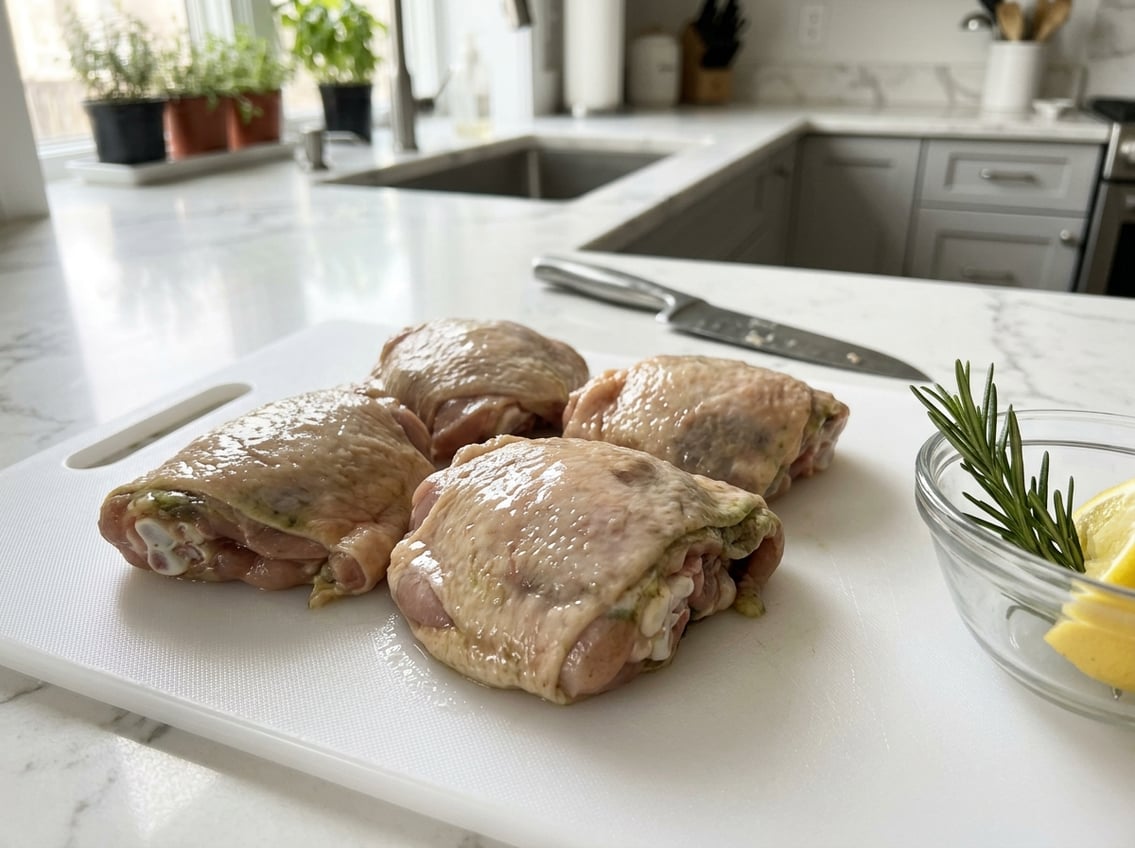
If the thighs show off colors, a foul smell, or a slimy texture, they are spoiled and not safe to eat.
This guide will help you check for spoilage, understand storage times, and handle chicken thighs safely.
Visual Signs of Spoilage
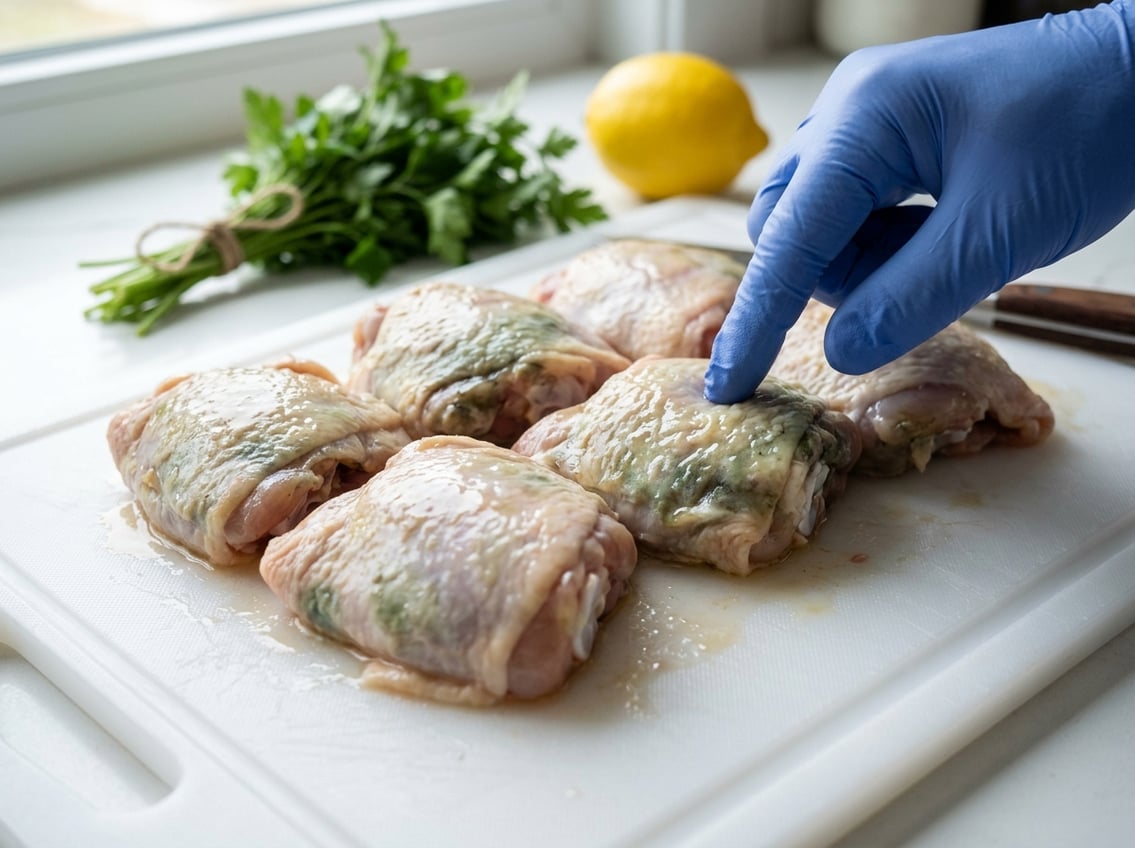
Check the chicken thigh’s color, surface, and packaging before touching or smelling it. Visual clues like gray patches or damaged seals can indicate spoilage.
Discoloration and Color Changes
Fresh raw chicken thighs look light pink with white fat. If you see gray, green, or yellow patches, bacteria or chemical changes have likely started and you should throw the thighs away.
A slight darkening of pink near bones can be normal after air exposure. Widespread dullness or large dark spots are not. If cooked thighs stay unnaturally pink after proper cooking, check the internal temperature or discard them if other signs of spoilage are present.
Use good light and compare pieces in the package. If most pieces show abnormal hues, assume the batch is no longer fresh.
Visible Mold and Unusual Surface Film
If you see fuzzy growth or mold spots on chicken thighs, throw them out. You cannot safely cut away mold on chicken.
A slimy, tacky, or glossy film that clings to your fingers after touching raw chicken signals spoilage. This film often comes with bacterial growth even if you do not notice a strong odor.
If the surface looks like dried mucus, has an iridescent sheen, or shows fuzzy colonies, bag the chicken for disposal. Do not rinse the chicken, as rinsing can spread bacteria.
Packaging Damage or Leaks
Check the package for punctures, swelling, or leaking liquid. If you find a leaking package or a blown vacuum seal, discard the chicken thighs.
Sticky or bloody liquid inside a package, especially if cloudy or separated, is not normal. This liquid can hold pathogens and means the chicken is no longer fresh.
Watch for visible ice crystals inside frozen packs that have thawed and refrozen. Discard frozen thighs with extensive freezer burn or broken packaging.
Smell and Odor Checks
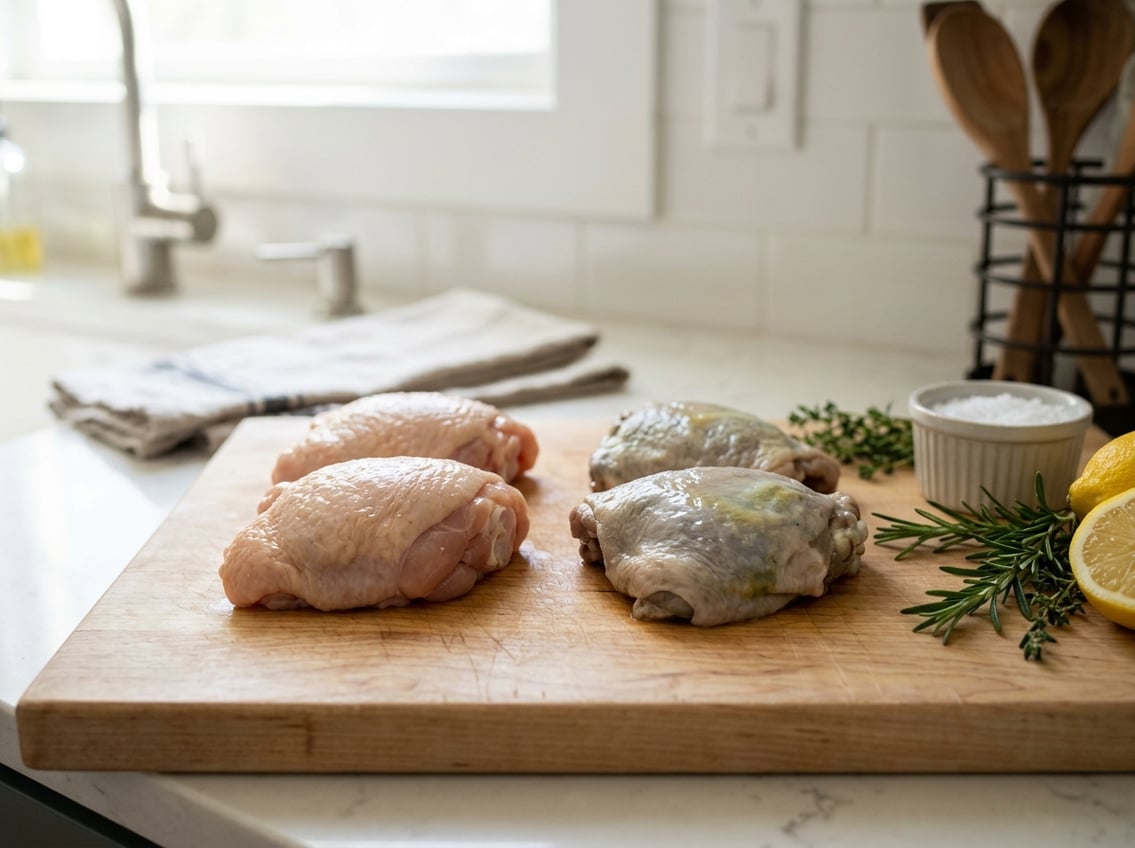
Smell gives a quick clue about whether chicken thighs are unsafe. Use your nose first, then check texture and color before cooking.
Recognizing Strong or Off-Putting Chicken Smell
A sharp, sour, or ammonia-like odor means the chicken is bad. Fresh raw chicken has little to no scent. If you notice sourness, sulfur, or a chemical smell, discard the thighs.
Smells that get stronger after opening the package, like a tangy or rotten-egg aroma, show bacterial breakdown. Do not try to cover up the odor with seasonings or cooking.
When checking packaged chicken, sniff near the seal. If you smell something strong as soon as you open it, throw the chicken away.
Differences Between Fresh and Bad Chicken Odors
Fresh chicken smells faint, neutral, or slightly sweet. You might notice a faint iron or raw-meat scent, but it should not linger.
Bad chicken often smells sour, like vinegar, or like rotten eggs. It can also have a putrid or chemical smell. These odors come from bacteria breaking down proteins and fats.
If you cannot trust your sense of smell, check for slimy texture, gray or green color, or an expired date. Do not taste to test—throw the chicken out.
Texture and Touch Assessment
Check the surface feel and firmness. Sliminess, stickiness, and abnormal softness are strong signs that chicken thighs have spoiled.
Use clean hands and good lighting when checking. Do not taste to test.
Identifying Slimy, Sticky, or Tacky Surfaces
If chicken thighs feel slimy, sticky, or tacky, bacteria have likely started to grow. Press lightly with a finger; fresh thighs feel moist and slightly slippery but should not leave residue.
Sliminess that coats your finger or a tacky film that does not wash off signals spoilage. Throw the chicken out.
Check packaging liquids too. Cloudy, thick, or smelly juices inside a sealed package often come with a slimy surface. Do not rinse slimy chicken.
Changes in Firmness and Consistency
Fresh chicken thighs feel firm and spring back when pressed. If the meat stays indented, feels mushy, or breaks down into a pulpy texture, it has likely spoiled.
Watch for soft spots or areas that feel spongy. Cooked thighs that turn jelly-like or become very dry and stringy also show spoilage.
Checking Dates and Storage Time
Check package dates and how long the thighs have been stored before you cook or freeze them. Pay attention to the date on the label and the actual time in your fridge or freezer.
Sell-By and Use-By Dates
The “sell-by” date helps stores manage inventory but is not a safety deadline for you. The “use-by” or “best if used by” date shows peak quality.
You can usually use raw chicken thighs up to 1–2 days after the use-by date if they have stayed refrigerated at 40°F (4°C) or below. If there is no use-by date, note the pack date or write the purchase date on the carton.
Discard raw chicken that has been in the fridge more than 2 days. Eat cooked thighs within 3–4 days.
If you notice sliminess, a sour or sulfur odor, or gray or green color, throw the chicken away even if the date is good.
Safe Refrigerator and Freezer Durations
Store raw chicken thighs in the coldest part of the fridge, on a lower shelf in a sealed container. Keep raw thighs no longer than 1–2 days in the refrigerator. Cooked thighs last 3–4 days.
Freeze thighs if you will not use them within those times. Wrap tightly in freezer wrap or use vacuum sealing and label with the date.
Frozen chicken thighs stay safe for a long time, but quality is best for up to 6–9 months. Thaw in the fridge, under cold running water, or in the microwave and cook right after thawing.
Storage Best Practices for Chicken Thighs
Keep raw chicken thighs cold, airtight, and separated from ready-to-eat foods. Refrigerate at 40°F (4°C) or below and freeze at 0°F (-18°C) or colder.
Preventing Freezer Burn
Freezer burn happens when air dries out the meat. Remove as much air as possible before freezing. Use a vacuum sealer or squeeze air out of freezer bags.
Lay thighs flat in a single layer to freeze quickly, then stack once solid. Label each package with the freeze date.
Use frozen chicken thighs within 6–9 months for best texture. Avoid repeated thawing and refreezing. If you see dry, gray patches after thawing, trim those areas or discard if odor or texture is off.
Proper Packaging and Container Tips
Use packaging that blocks air and moisture. Wrap each thigh or small group in plastic wrap, then place in a freezer bag or airtight container.
For long storage, double-wrap with plastic wrap and foil or use a sealed freezer bag. For the fridge, keep raw chicken thighs in their original packaging if using within 1–2 days.
Place the package on a tray or in a sealed container on the bottom shelf to catch leaks. Always wash hands and clean surfaces after handling raw poultry.
Freezing and Refreezing Chicken Thighs Safely
Pack chicken thighs properly, keep your freezer at 0°F (-18°C) or below, and avoid thawing at room temperature. Handle raw chicken thighs with clean hands and surfaces.
How to Freeze Chicken Thighs
Portion raw chicken thighs into meal-sized amounts so you only thaw what you need. Pat pieces dry, then wrap each thigh tightly in plastic wrap or place in freezer bags.
Remove as much air as possible. Use a vacuum sealer if you have one. Label each package with the date.
Use within 4–6 months for best texture. Place packages flat in the coldest part of the freezer. Keep raw chicken away from ready-to-eat foods.
Guidelines for Refreezing Chicken Thighs
You can refreeze raw chicken thighs only if they stayed at refrigerator temperature (40°F/4°C) or below after thawing. If you thawed in cold water or the microwave, cook the chicken before refreezing.
Expect some moisture and texture loss each freeze-thaw cycle. For safety and quality, limit refreezing to one extra freeze.
Always check for spoilage signs—off odor, slimy feel, or discoloration—and discard if any appear. When refreezing cooked chicken thighs, cool them to 40°F (4°C) within two hours and package airtight before freezing.
Thawing Techniques That Preserve Quality
Thaw raw chicken thighs in the refrigerator on a tray to catch liquids. Allow 12–24 hours depending on portion size.
For faster thawing, submerge sealed chicken in cold water and change the water every 30 minutes. Cook immediately after thawing and do not refreeze raw meat thawed this way.
Microwave thawing is only for immediate cooking. When cooking from frozen, add about 50% more cooking time and use a thermometer to confirm an internal temperature of 165°F (74°C).
Foodborne Risks Linked to Spoiled Chicken
Spoiled chicken thighs can hold harmful bacteria and toxins that cause sudden, severe illness. Treat any chicken with off smells, slimy texture, or odd color as a contamination risk and throw it away.
Bacteria Like Campylobacter and Food Poisoning Risk
Raw poultry often contains bacteria like Campylobacter and Salmonella. If chicken thighs are stored too long or kept at unsafe temperatures, bacteria multiply and can cause symptoms within 1–3 days after eating.
Symptoms include diarrhea, fever, abdominal cramps, nausea, and vomiting. Dehydration is common, especially in children, older adults, and people with weakened immune systems.
Proper cooking to 165°F (74°C) kills these bacteria, but cross-contamination or eating chicken that already produced toxins can still make you sick.
Why Never Taste Suspect Chicken
Tasting chicken to check freshness is dangerous because bacteria and toxins on spoiled chicken don’t always change the flavor noticeably.
Even a small bite can expose you to enough Campylobacter or toxins to cause acute foodborne illness.
Treat suspect chicken as a biohazard. Discard it in a sealed bag.
Clean surfaces with hot, soapy water. Sanitize utensils and your hands thoroughly.
If you develop vomiting, high fever, bloody diarrhea, or signs of dehydration after eating questionable chicken, seek medical care promptly. Tell your healthcare provider about possible poultry exposure.


