
How Long Does It Take to Cook Chicken Thighs Boneless: Expert Guide for Baking and Cooking Methods
Bake boneless chicken thighs at 425°F for about 20–25 minutes, or until the thickest part reaches 165°F. If you prefer lower heat, 350°F will take closer to 30–40 minutes.
Higher heat shortens time and crisps edges.
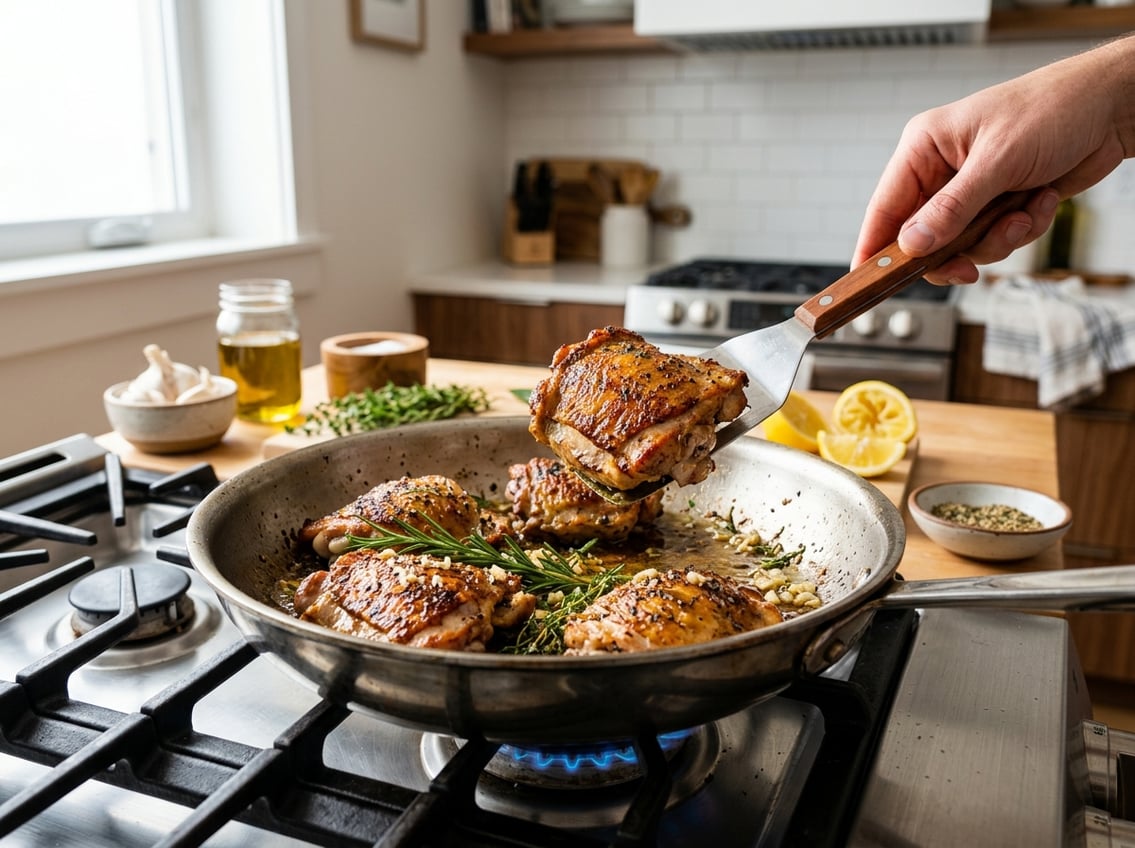
This guide covers oven timing and temperature, compares boneless and bone-in thighs, and explains baking, stovetop, and air-fryer options. You’ll also find quick tips on marinades, seasoning, serving, and storing so your boneless chicken thighs come out tender and flavorful.
Oven Baking Times and Temperature Essentials
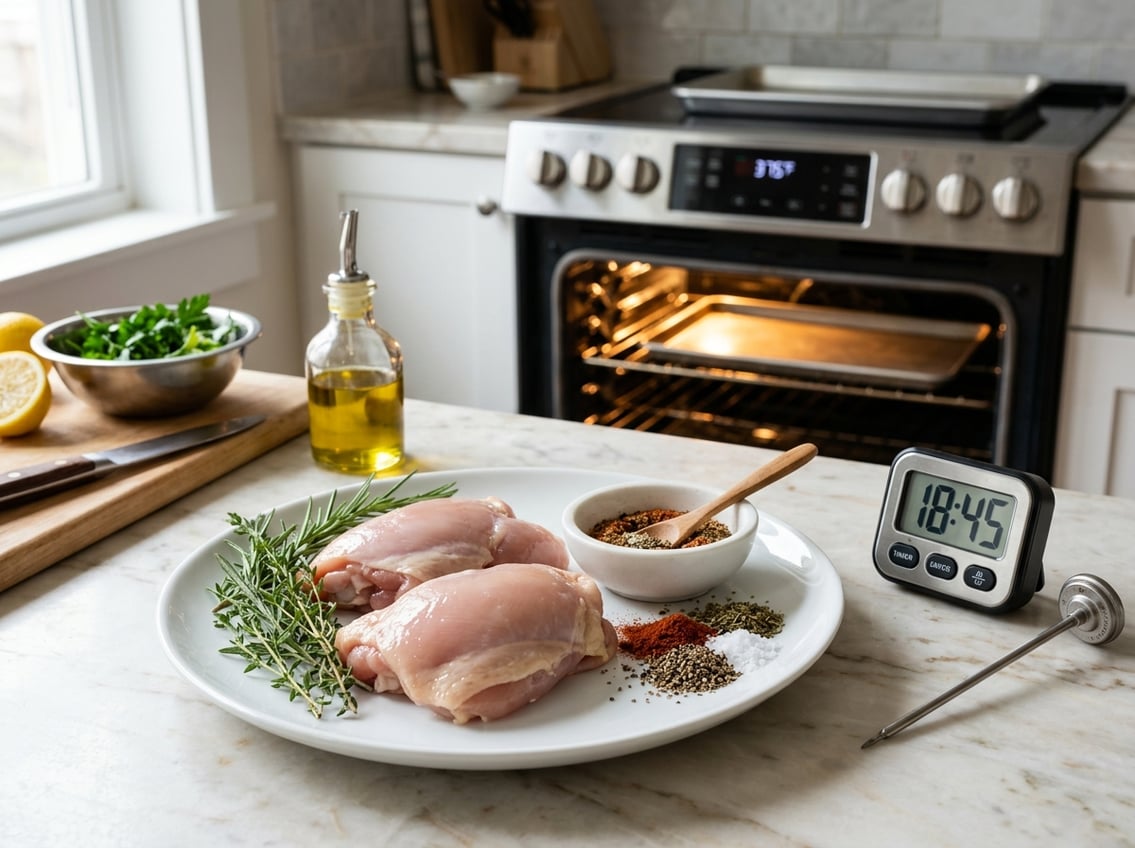
Learn the best oven temperatures to keep boneless chicken thighs juicy. Check doneness with an internal thermometer, and adjust time for different sizes and thicknesses.
Follow specific temps and timing to bake chicken thighs reliably every time.
Optimal Oven Temperatures for Juicy Results
Set your oven between 375°F and 425°F depending on your goal. Bake at 375°F for gentler cooking that keeps thighs tender and reduces risk of drying.
Expect about 25–30 minutes for average 4–6 oz boneless chicken thighs. Use 400–425°F when you want a crisped exterior and shorter cook time, usually 20–25 minutes.
For even cooking, place thighs on a rimmed baking sheet or in a shallow pan with a wire rack. Pat thighs dry and lightly oil the surface to promote browning.
If you use a marinade or wet rub, reduce oven temperature slightly or add 2–4 minutes to prevent exterior charring.
How to Check Doneness and Internal Temperature
Use an instant-read thermometer in the thickest part of the thigh, avoiding bone. The USDA recommends 165°F (74°C) as the minimum safe internal temperature for chicken.
Many chefs remove thighs at 160–162°F and rest them 5–10 minutes to reach safe temp while preserving juiciness. If you don’t have a thermometer, check that juices run clear and the meat is opaque, but this method is less reliable.
When resting, tent loosely with foil. Carryover cooking raises temperature 3–5°F.
Check temperature in multiple pieces if baking a batch, since size variation affects doneness.
Cooking Time Adjustments by Size and Thickness
Increase or decrease baking time based on weight and thickness. Thin, flattened boneless thighs (about 1/2 inch) take 12–18 minutes at 425°F.
Standard 4–6 oz thighs about 3/4–1 inch thick take 20–30 minutes at 400°F. Larger thighs over 8 oz can need 30–40 minutes at 375–400°F.
If pieces vary, group similar sizes on the same pan to finish uniformly. Frozen boneless thighs require extra time—plan for at least 50–60 minutes at 375°F, or thaw before baking for best texture.
Use a thermometer to check final doneness instead of relying on clock time alone.
Comparing Boneless vs. Bone-In Chicken Thighs
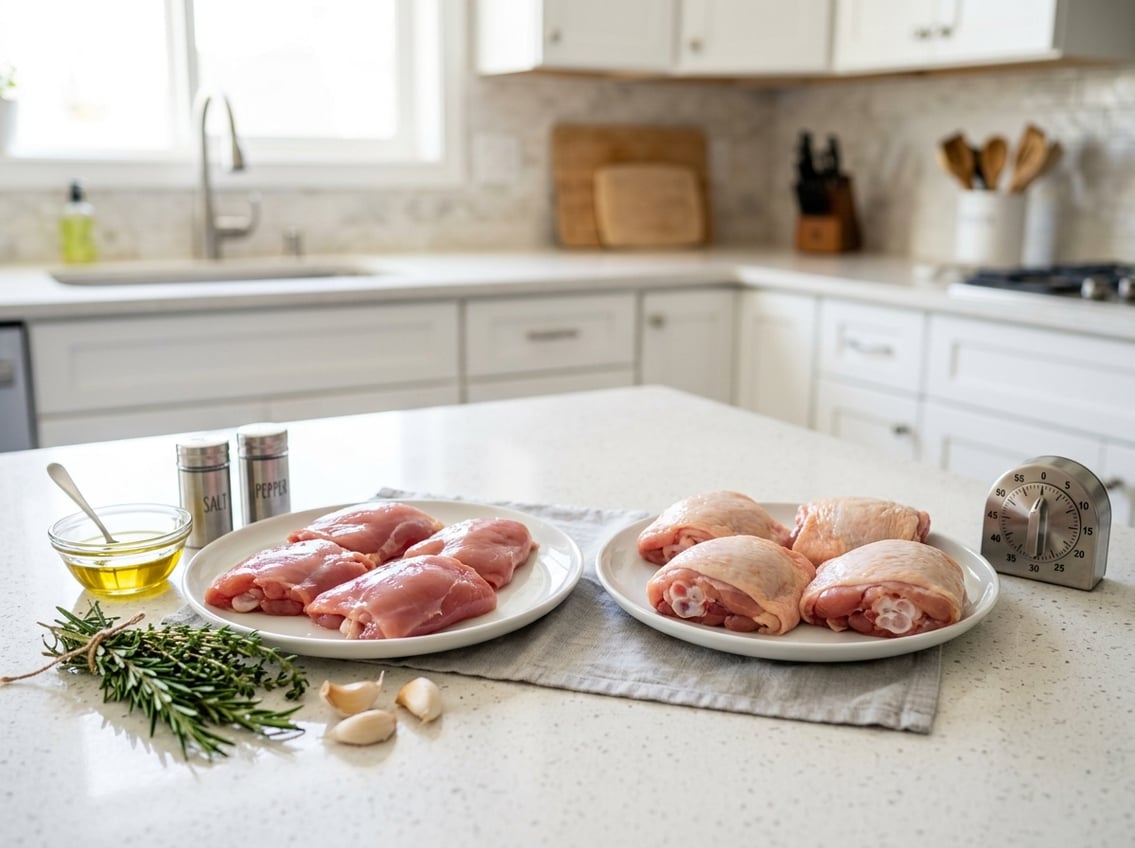
Boneless and bone-in thighs differ in cooking time, heat transfer, and eating quality. Your choice affects how long you cook them, how you season, and the final juiciness and tenderness.
Differences in Cooking Times
Boneless chicken thighs heat through faster because meat density is uniform and there’s no bone to slow heat penetration. Expect boneless thighs to finish in about 12–20 minutes at 400°F in the oven, or 6–8 minutes per side on a medium-hot grill.
Bone-in chicken thighs typically take 5–15 minutes longer under the same conditions. The bone increases overall mass, so internal temperature rises more slowly.
Check doneness with a probe thermometer: target 165°F at the thickest part, avoiding contact with the bone. If cooking mixed batches, place bone-in pieces at the cooler edge of the pan or remove boneless earlier.
Flavor and Texture Variations
Bone-in chicken thighs often deliver deeper, more concentrated flavor. The bone and surrounding connective tissue release collagen and juices during cooking, which improves mouthfeel and richness.
Boneless thighs cook more evenly and develop a consistent crust when seared or grilled. They also absorb marinades more quickly because the surface area is fully exposed.
If you cook low and slow, bone-in yields more gelatinous, succulent results. For quick pan-searing or stir-fry, boneless gives tender, uniform pieces with faster turnaround.
When to Choose Boneless or Bone-In
Choose boneless chicken thighs for speed, uniform slices, or easy weeknight meals. They require less cook time and simpler carving.
Pick bone-in chicken thighs when flavor and juiciness matter most, such as braises or roast dinners. The bone helps protect meat from drying and improves texture.
If you cook both together, separate them on the sheet pan or pull boneless earlier. Use a thermometer to ensure each piece reaches 165°F.
Step-by-Step Guide to Perfect Baked Boneless Chicken Thighs
Prep, season, and arrange boneless chicken thighs so they cook evenly and finish juicy with a lightly browned surface. Follow the right temps, seasoning ratios, and spacing to hit 165°F reliably.
Preparation and Seasoning Tips
Pat each boneless chicken thigh dry with paper towels. Moisture prevents browning and can make the meat steam instead of roast.
Trim visible fat or connective tissue so pieces lie flat and cook uniformly. Season with 1 teaspoon kosher salt and 1/2 teaspoon freshly ground black pepper per pound of thighs.
Add 1 tablespoon olive oil per pound to help the exterior brown. For extra flavor, mix in minced garlic, smoked paprika, and dried thyme into the oil before rubbing onto the meat.
If you plan to marinate, do it in the refrigerator for 30 minutes to 4 hours. Avoid more than 8 hours with acidic marinades to prevent mushy texture.
Let chilled thighs sit 10–15 minutes at room temperature before baking so they cook more evenly.
Arranging Thighs for Even Cooking
Use a rimmed baking sheet or an 8–9 inch baking dish. A sheet pan gives better air circulation for browning.
Lay thighs in a single layer with at least 1/2 inch between pieces. Crowding traps steam and extends cook time.
Place the pan in the center of a preheated oven at 425°F. This temperature yields a browned exterior in about 18–22 minutes for average-sized boneless thighs.
Insert an instant-read thermometer into the thickest part and remove at 165°F. If pieces vary in size, start checking at 15 minutes and pull smaller ones earlier.
Let the thighs rest 5–10 minutes tented loosely with foil after baking. Resting evens internal juices and makes slicing or shredding easier.
Stovetop, Air Fryer, and Other Quick Cooking Methods
Choose the right method for the texture and finish you want. Sear for a crust, air fry for an even golden exterior, or use pressure/slow cooking for hands-off convenience.
Focus on temperature, timing, and resting to hit 165°F safely while keeping thighs juicy.
Stovetop Searing Techniques
Sear boneless chicken thighs in a heavy skillet over high heat to develop a deep brown crust. Pat thighs dry, season with salt and pepper, and add oil.
Place thighs presentation-side down and don’t move them for 4–6 minutes. After the first side browns, flip and reduce heat to medium-low to finish cooking without burning.
Cook until the thickest part reaches 165°F. Typical total time is 8–10 minutes for 4–5 oz thighs.
Rest 5 minutes before slicing to let juices redistribute. For extra flavor, baste with butter and garlic during the last 1–2 minutes.
Use a meat thermometer to avoid guesswork.
Air Fryer Timing and Tips
Air fry boneless chicken thighs at 375–380°F for 15–18 minutes, flipping once halfway through for even browning. Lightly brush or spray both sides with oil and season.
Arrange thighs in a single layer with space between pieces so air can circulate. Thicker thighs may need 18–20 minutes; check internal temperature at the thickest spot.
For crispier edges, finish with a 2–3 minute blast at 400°F. Cook in batches if needed to maintain consistent timing and texture.
Slow Cooker and Instant Pot Variations
Use a slow cooker for 3–4 hours on high or 6–7 hours on low when braising boneless chicken thighs in sauce or broth. Slow cooking yields very tender, shred-ready meat but won’t produce a crust unless you sear first.
With an Instant Pot, brown thighs on Sauté for 2–3 minutes per side, then pressure-cook on high for 5–8 minutes with a quick or short natural release.
This method preserves moisture and speeds the process compared with braising in the oven. Sear before or after cooking if you want color and texture.
Always verify the center reaches 165°F and rest briefly before serving.
Marinating, Seasoning, and Sauce Inspiration
Use bold, savory rubs or acid-forward marinades to boost flavor and tenderness. Pair finishing sauces or glazes that complement your cooking method to keep boneless chicken thighs juicy and well-balanced.
Simple Spice Rubs for Bold Flavor
A dry rub gives you crisp edges when you bake or sear chicken thighs. Mix kosher salt, black pepper, smoked paprika, garlic powder, and a pinch of brown sugar for a basic, well-rounded profile.
Pat the thighs dry before applying the rub so it adheres and forms a crust during cooking. For bolder notes, swap smoked paprika for chili powder and add cumin and oregano for a Tex-Mex vibe.
For an herby roast, use thyme, rosemary, lemon zest, and fennel seed. Apply rubs at least 15 minutes before cooking; for deeper flavor, refrigerate up to 2 hours.
Rubs don’t tenderize, so pair with a short marinade if you want both texture and crust.
Best Marinades for Tender Results
Marinades that combine acid, oil, and aromatics tenderize and flavor boneless chicken thighs effectively. Use 1 part acid (lemon juice, rice vinegar, or yogurt), 2 parts oil, and aromatics like minced garlic, Dijon, and a teaspoon of honey for balance.
Marinate 30 minutes to 8 hours. Thirty to sixty minutes changes surface flavor, while 4–8 hours improves tenderness without making meat mushy.
For quick weeknight cooking, a soy sauce–based marinade with honey, ginger, and garlic gives umami and caramelization when you grill or broil. For baking, choose milder acids to keep the meat moist at 425°F for 20–30 minutes depending on thigh size.
Always discard used marinade or boil it before using as a sauce.
Sauce and Glaze Pairings
Choose a finishing sauce that matches your cooking method. When you grill, brush on a honey-soy glaze in the last few minutes to avoid burning and encourage sticky caramelization.
For oven-baked thighs, spoon a chimichurri or lemon-caper butter over the rested meat to add freshness and acidity. For pan-seared thighs, deglaze with white wine or chicken stock, add Dijon and a pat of butter for a quick pan sauce.
BBQ sauce and spicy buffalo pair well with longer-cook preparations; add them near the end so sugars don’t char. Keep sauces separate if you plan leftovers and reheat gently to preserve texture and flavor.
Serving Ideas and Storage Advice
Use cooked boneless chicken thighs as a quick protein for several meals. Store leftovers promptly to maintain safety and texture.
Plan portions, cool quickly, and reheat gently to preserve juiciness.
Meal Prep Tips and Leftover Storage
Portion cooked boneless chicken thighs into 3–4 oz servings for meal prep. This makes breakfasts, lunches, or dinners predictable and calorie-friendly.
Slice or shred cooled thighs before packing. This helps them reheat evenly and blend better into salads, grain bowls, or tacos.
Pack thighs in shallow airtight containers or heavy-duty zip-top bags. Refrigerate within two hours of cooking and use within 3–4 days.
For longer storage, freeze individual portions flat in bags for up to 3 months. Label with the date and cooking method, such as baked or pan-seared.
Thaw portions overnight in the fridge or use your microwave’s defrost setting. To reheat, place them in a 325°F oven for 10–15 minutes or warm in a covered skillet over low heat until the internal temperature reaches 165°F.
Add a splash of broth or sauce to keep the chicken from drying out. Avoid using high heat, which can make thighs tough.
Side Dishes That Shine with Chicken Thighs
Boneless chicken thighs pair well with starchy sides that soak up juices. Try roasted fingerling potatoes tossed with rosemary and olive oil.
A simple lemon-garlic rice absorbs pan drippings from baked chicken thighs. For vegetables, roast broccoli or Brussels sprouts at 425°F until caramelized.
Sauté spinach with garlic and a squeeze of lemon for brightness. Grain salads like farro with herbs and toasted almonds complement the rich flavor of thighs and keep well for leftovers.
For a lighter plate, build a bowl with mixed greens, cucumber, cherry tomatoes, quinoa, and sliced warm thighs dressed with a yogurt-tahini or vinaigrette. Serve thighs over mashed potatoes or polenta topped with pan sauce or tomato-based braise for a saucy option.
Trusted Resources and Recipe Inspiration
Use Food Network when you want tested timings and clear visual guides for both boneless and bone-in thighs. Their recipes often list oven temperatures and finishing tips to help you nail internal temperature without overcooking.
Explore recipe collections labeled baked chicken thighs for simple weeknight options. You’ll find variations with herbs, sauces, or crisp-skin techniques that adapt to different cook times and oven settings.
Check culinary sites and apps for step-by-step photos and user reviews. Compare a basic chicken thighs recipe against ratings and comments to see how long others needed for similar-sized pieces.
Look at brand channels like OWN for lifestyle-leaning dinners and inspiration on serving and sides. Their recipes sometimes pair techniques and presentation ideas that keep meals approachable.
Keep a digital thermometer handy and follow trusted sources for final internal temp guidance (165°F). Adjust time for thickness, single-layer baking, or covered pans so your results stay juicy and safe.
Quick checklist:
- Consult Food Network for tested timings and visuals.
- Search “baked chicken thighs” for easy variations.
- Read user comments on recipes to spot timing adjustments.
- Use a thermometer and follow trusted temp guidance.


