
Why Chicken Breast With Rib Meat Explained
The phrase why chicken breast with rib meat appears on packages because the product is not only breast muscle. The package includes a small amount of meat that stays attached near the ribs during processing.
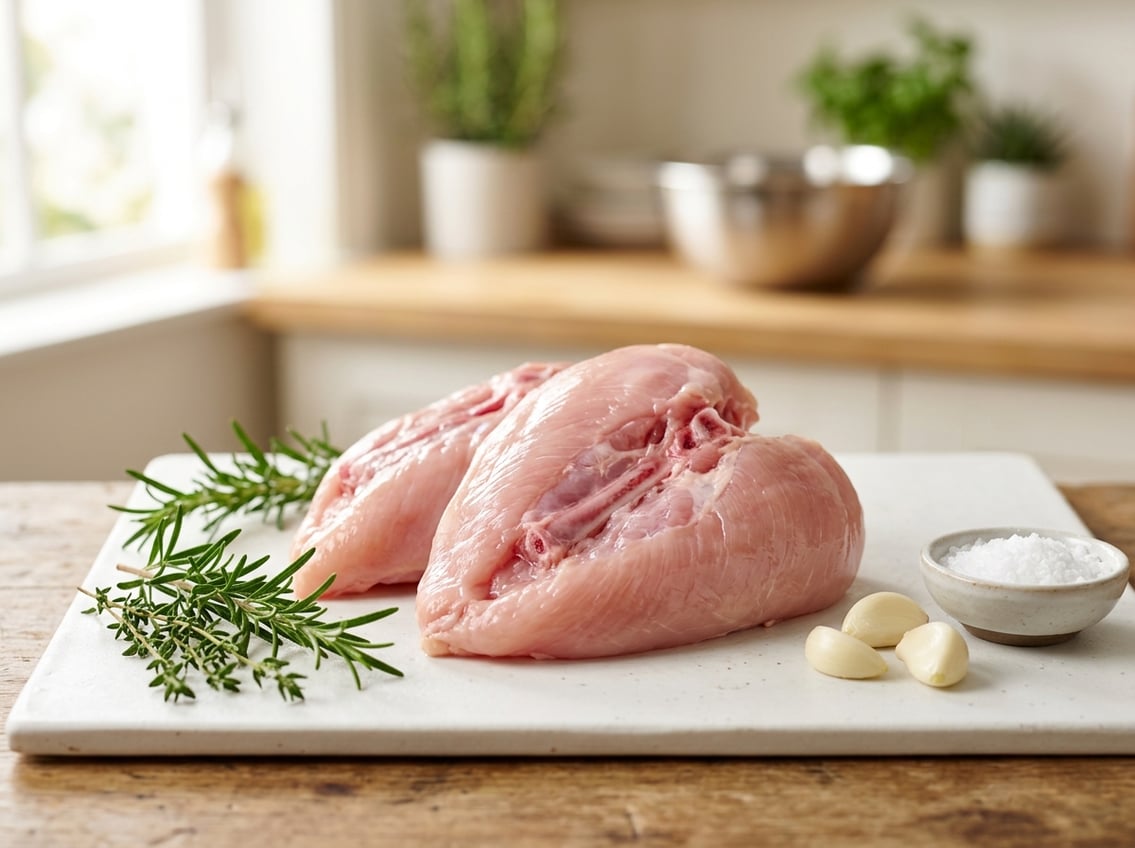
That label usually means you are buying a chicken breast cut with a bit more flavor and moisture than a plain boneless, skinless breast. The difference is usually small, but it can matter if you care about taste, fat, or how you plan to cook it.
For most shoppers, the key point is simple. The breast is still mainly lean chicken breast.
The rib meat is an attached portion from the breast-rib area. It changes the cut a little, not completely.
What the Label Means
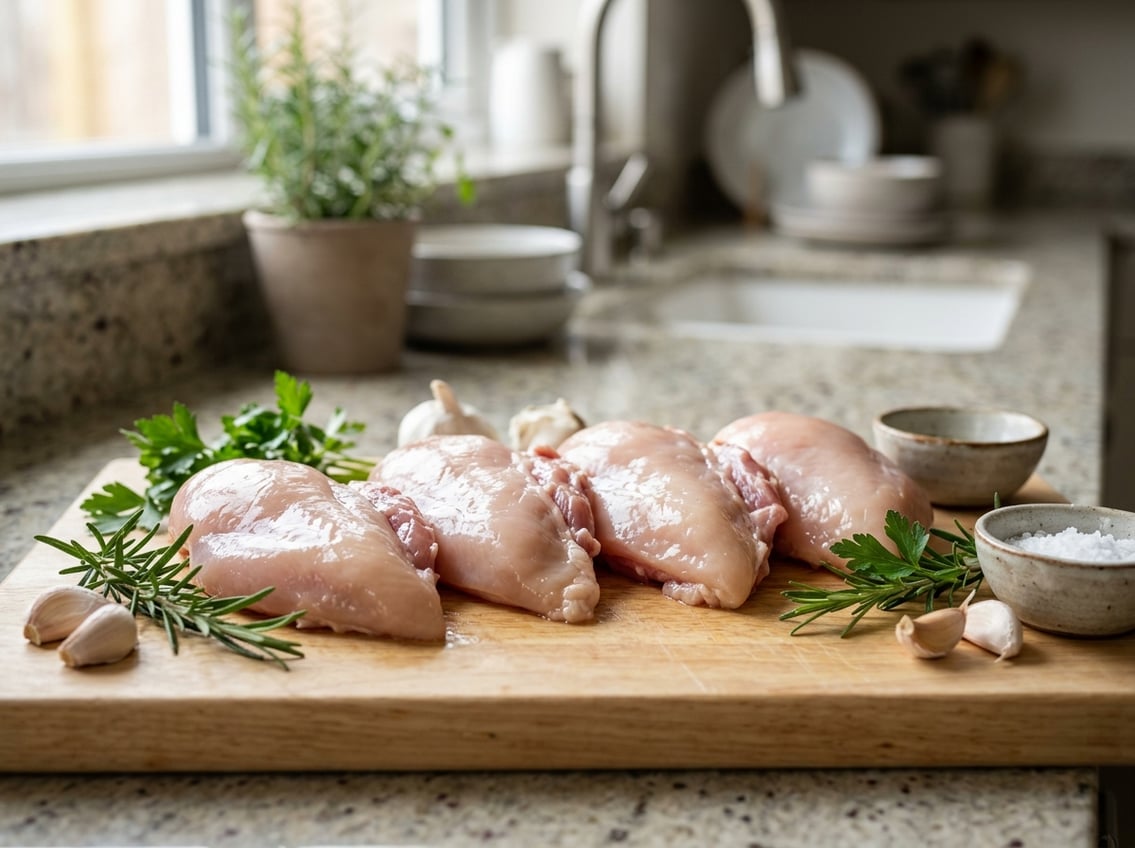
The label tells you that the package includes chicken breast plus some meat from the rib area. According to Chef’s Resource, processors often leave that extra piece attached to the breastbone area during processing.
This label does not mean the product is fake or heavily altered. The cut just includes a little more of the bird than a standard trimmed breast.
Where Rib Meat Comes From on the Chicken
Rib meat comes from the area where the breast meets the ribs. It is part of the muscle tissue close to the bone, so processors often leave it attached when they separate the breast from the carcass.
You may see it as a small flap or strip attached to the breast. In some packages, it is easy to spot, while in others it blends into the shape of the breast.
How It Differs From Boneless Skinless Breast
Boneless, skinless breast is trimmed more tightly. Chicken breast with rib meat keeps a bit more of the natural attachment from the rib area, so it usually has a slightly different look, texture, and fat level.
The breast itself is still the main cut. The difference is in how much extra tissue remains attached and how much trimming processors have done.
Why Processors Leave It Attached
Processors leave rib meat attached for practical reasons. They can improve yield, reduce waste, and keep more of the bird in a sellable form.
Leaving rib meat on may also add a little flavor and moisture. That is one reason the product shows up in many prepared foods and value packs.
What It Means for Quality, Flavor, and Nutrition
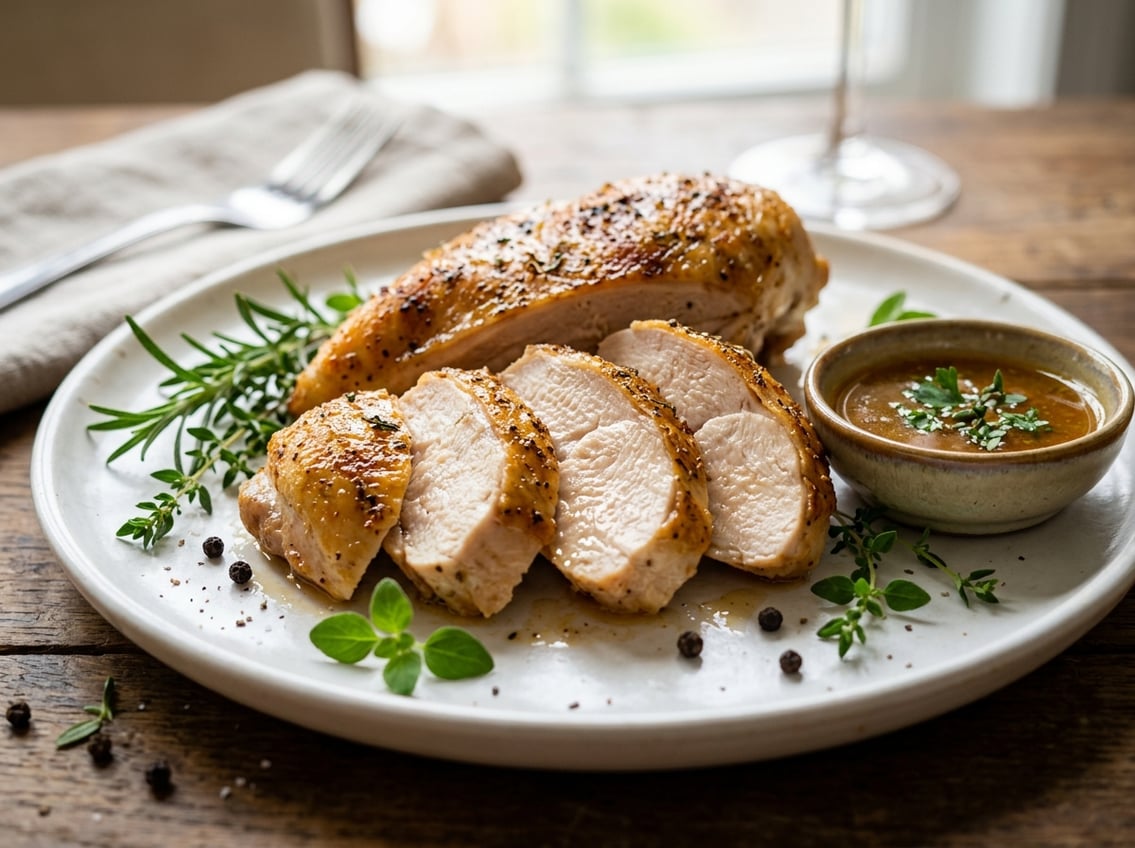
The label affects more than the cut name. It can change how the chicken tastes, how it feels when cooked, and how the nutrition panel looks.
Does It Mean Lower Quality
Chicken breast with rib meat is not automatically lower quality than plain breast. It is just a different trim level.
Some shoppers prefer a fully trimmed breast. Others do not mind the attached rib meat if the price or flavor works better for them.
How Taste and Texture Compare
Rib meat in chicken often tastes a little richer than breast meat alone. According to Chef’s Resource, that extra meat can add flavor and help the breast stay a bit juicier.
The texture may also seem slightly different near the attached portion. The main breast stays mild and lean, while the rib area can feel a little darker or more tender.
Nutrition, Fat, and Calories at a Glance
Chicken breast with rib meat usually has a bit more fat and a few more calories than fully trimmed breast. The difference is often small, but it can matter if you track macros or keep a close eye on fat intake.
A plain boneless, skinless breast is still the leanest common choice. If you want the exact numbers, read the nutrition label and compare brands side by side.
How to Buy, Trim, and Cook It
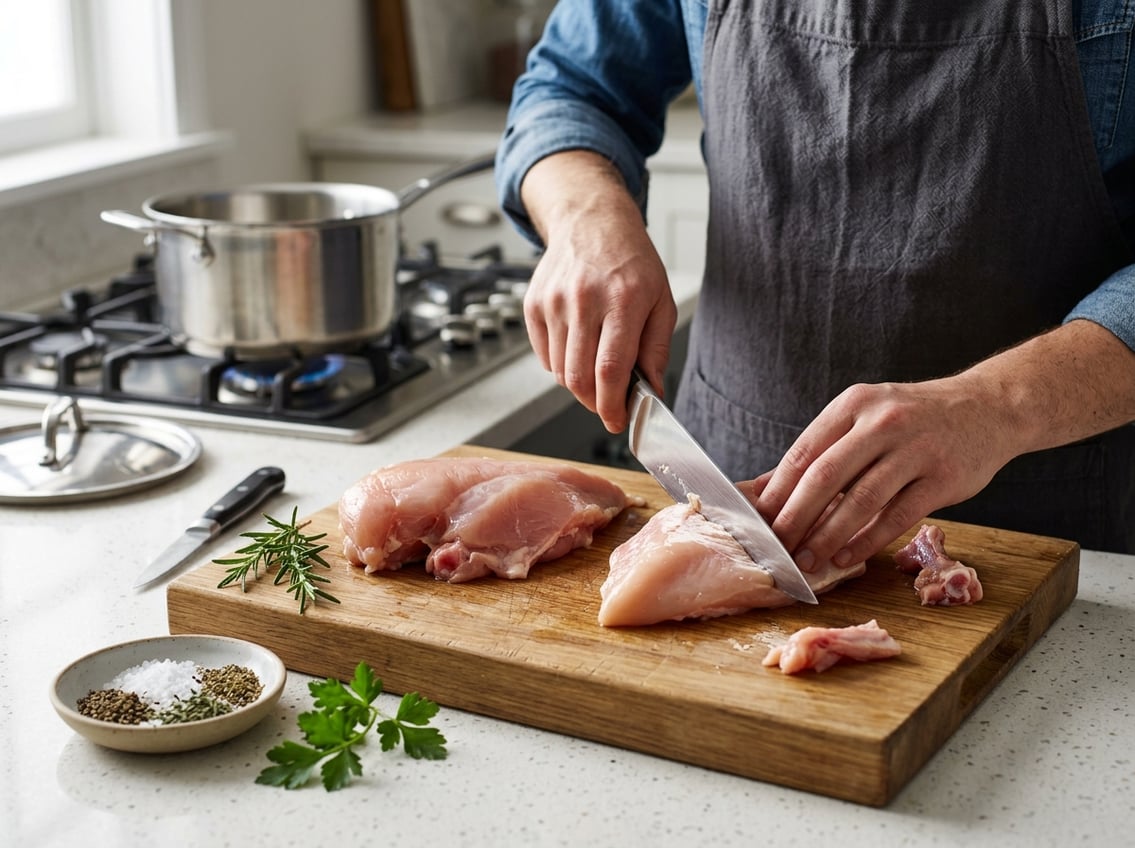
You can buy and use this cut like other raw chicken breasts. The main difference is that you may want to inspect the package more closely and decide whether to keep the rib meat attached.
How to Identify It in the Package
Look for wording such as “chicken breast with rib meat” or “breast with rib meat” on the label. You may also see a small attached section near the underside of the breast.
If the package looks less uniform than boneless, skinless breast, that is another clue. The meat may still be trimmed well, so the label is the clearest guide.
When to Leave It On or Remove It
Leave it on if you want a little more flavor and do not mind a slightly less uniform shape. Remove it if you want a cleaner presentation or need very even pieces for a recipe.
You can trim it off with a sharp knife if needed. The cut is simple, and you do not need special tools.
Best Cooking Tips and Safe Internal Temperature
Chicken breast with rib meat cooks much like any other breast. Keep the heat moderate so the outside does not dry out before the inside is done.
Use a food thermometer and cook chicken to 165°F, the safe internal temperature. Let it rest a few minutes after cooking before slicing for extra juiciness.


