
Where to Buy Boneless Skin-On Chicken Thighs: A Complete Guide
You can usually find boneless skin-on chicken thighs at grocery chains, local butcher shops, warehouse clubs, and online delivery services. Each option balances price, convenience, and quality differently.
If you want convenience and consistent availability, check your local grocery or warehouse club. For higher quality or custom cuts, visit a butcher or order from a specialty online meat service.
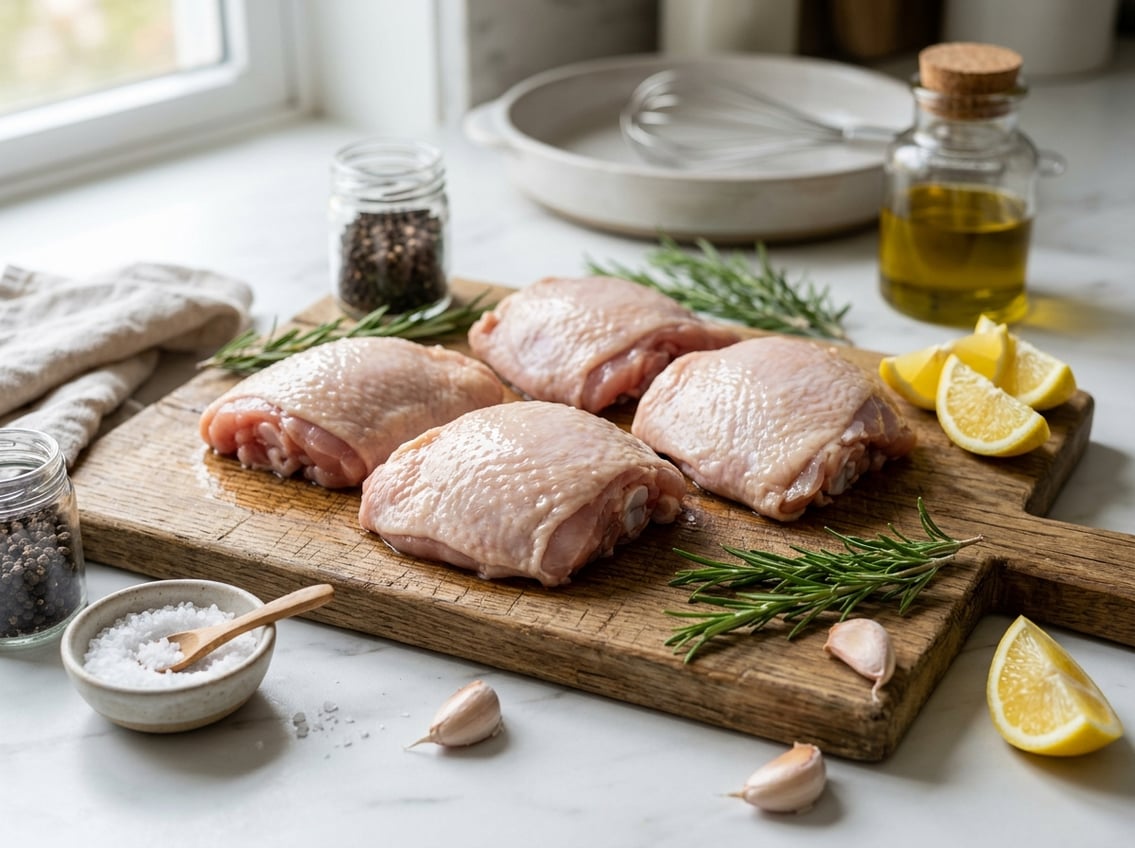
This guide shows where to buy boneless skin-on chicken thighs, how to compare options, and how to spot fresh, high-quality pieces. You’ll find tips on ordering online, storing and freezing thighs, and a few quick cooking uses.
Best Places to Purchase Boneless Skin-On Chicken Thighs
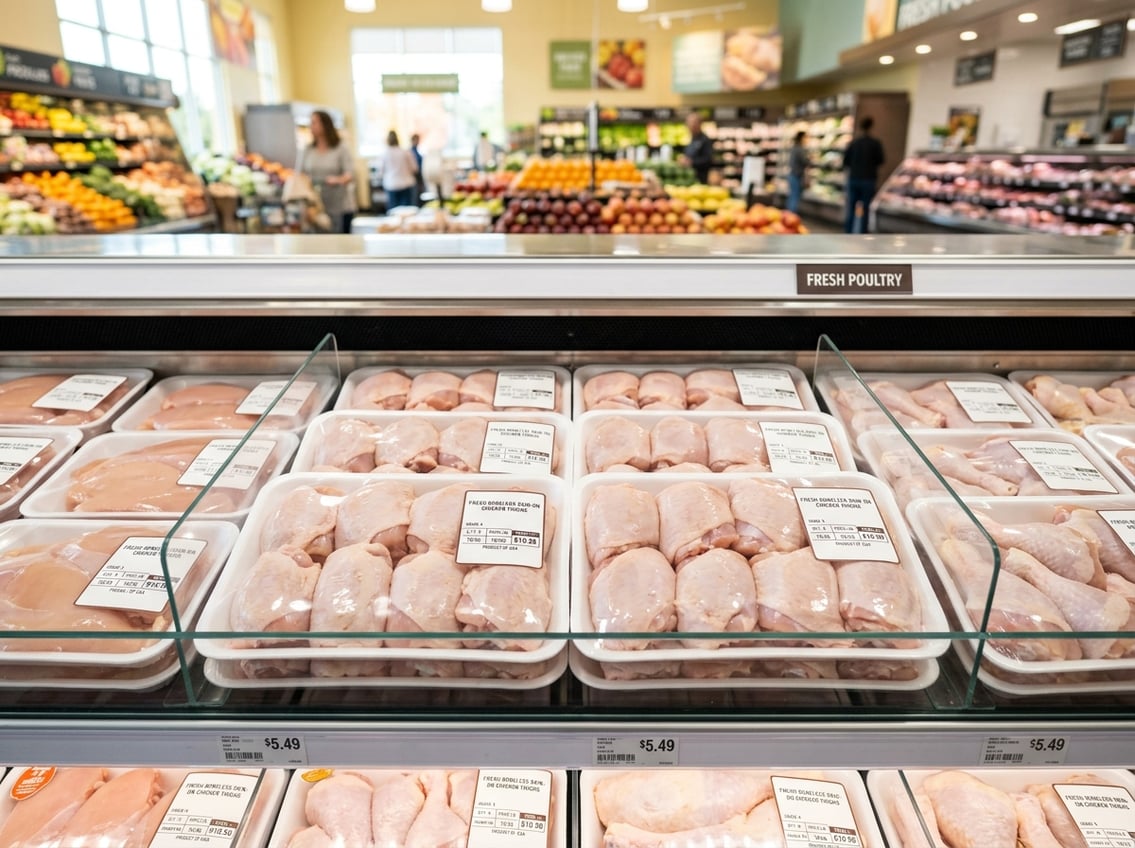
You’ll want sources that balance consistent availability, price, and quality. The three options below cover routine shopping, higher-quality cuts, and bulk buying for meal prep.
Major Supermarket Chains
Supermarkets like Kroger, Safeway, Publix, Wegmans, and Whole Foods typically carry boneless skin-on chicken thighs in the refrigerated meat case. Look for labeled packs that specify “boneless, skin-on” or ask the meat counter; availability can vary by store and region.
Check package dates—“sell by” or “use by”—and inspect color and smell. Fresh chicken thighs should be pinkish and not slimy.
If you want organic or antibiotic-free options, Whole Foods and many regional chains offer those varieties under brand labels.
Use store apps or websites to confirm stock and prices before you go. Many chains offer curbside pickup or delivery through their online grocery service, which can save time if you need a specific cut for a recipe.
Specialty Butcher Shops
Local butcher shops give you control over cut, trim level, and freshness. You can ask the butcher to cut bone-in thighs into boneless skin-on pieces or remove excess fat while keeping the skin intact.
Butchers often source from smaller farms or regional suppliers. You’ll find options such as pasture-raised or heritage birds that supermarkets might not carry.
Prices are usually higher, but the meat quality and traceability improve.
Building a relationship with a butcher lets you place orders ahead of big cooking days and request specific pack sizes. If you care about provenance or want hands-on advice for cooking fresh chicken thighs, visit a butcher.
Warehouse Clubs and Bulk Stores
Costco and Sam’s Club sell boneless skin-on chicken thighs in larger packs designed for families and meal preppers. Expect multi-pound trays or vacuum-sealed bulk bags that offer lower per-pound pricing.
Bulk packs are economical but require ample freezer space. Always check that packaging seals are intact and that the product is labeled clearly as “boneless, skin-on.”
For long-term storage, portion and refreeze within recommended timelines to preserve freshness.
Warehouse clubs sometimes stock national brands and occasionally higher-quality or organic bulk options. If you cook frequently or plan meals ahead, buying bulk from these stores can significantly lower your cost per serving.
Online Options and Delivery Services
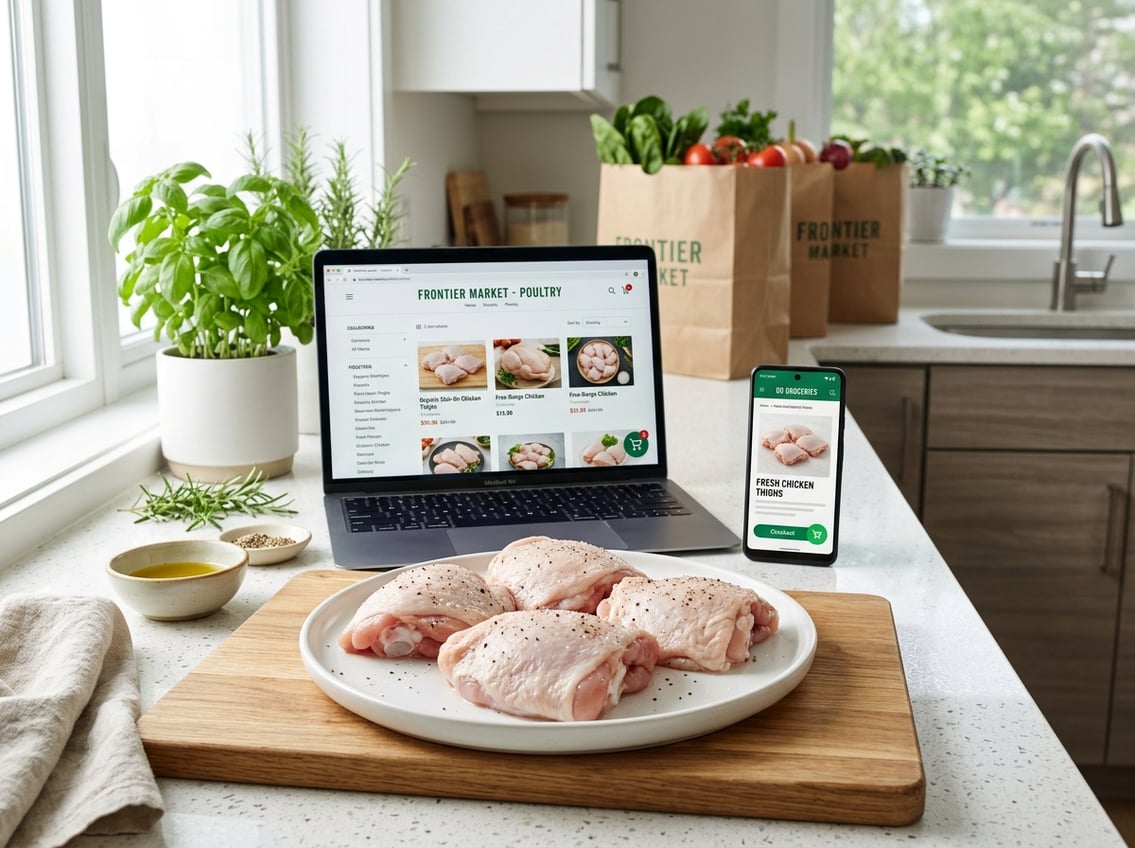
Order boneless skin-on chicken thighs from specialized meat sellers, grocery delivery apps, or directly from farms and branded producers. Each option differs in price, packaging (fresh or frozen), and delivery speed.
Pick the service that matches your budget and timing.
Online Meat Retailers
Online meat retailers such as ButcherBox and Crowd Cow focus on meat quality and sourcing. They list whether thighs are boneless skin-on, pasture-raised, or antibiotic-free, and provide weight ranges and packaging details.
Shipping uses insulated boxes and dry or wet ice to keep chicken products safe for 24–48 hours. Expect higher per-pound prices than retail, but you gain consistent sourcing and clear labeling.
Check lead times and frozen vs. fresh options before ordering. Look for thawing instructions and internal-temperature guidance on product pages.
Grocery Delivery Platforms
Platforms like Instacart, Amazon Fresh, Walmart Grocery, and supermarket chains sell boneless skin-on chicken thighs for fast delivery or pickup. You’ll find branded and store-brand options—Perdue, Tyson, Great Value, and others—in single packs or bulk sizes.
Delivery windows range from 30 minutes to next-day slots. Use filters to select “boneless” and “skin-on” and inspect product photos and descriptions for ice-glazed or individually frozen labeling.
Prices are often lower than specialty shops, but inventory depends on local store stock.
Always confirm substitution policies and minimum order fees. For same-day needs, choose stores that mark items as “in stock” and opt for contactless cold-chain handling where available.
Direct From Producers
Buy directly from producers—local farms, co-ops, or brands’ online stores—to get boneless skin-on chicken thighs from known sources. Producers commonly sell in fixed weight packs, with options for organic, pasture-raised, or conventional chicken.
Direct purchases often include sourcing info and farm practices. You may get larger packs that require freezer space.
Expect longer lead times and shipping costs to cover refrigerated transport. Some producers offer pickup at farmstands or scheduled community delivery points to reduce shipping expenses.
If you prioritize transparency over lowest price, buy direct and verify certifications on the product page before completing your order.
Comparing Boneless Skin-On vs. Bone-In Cuts
Choose between convenience, cooking behavior, and price when picking boneless skin-on chicken thighs or bone-in, skin-on chicken thighs. Focus on how the processing changes texture and shelf options, and how cost differences affect your shopping.
Differences in Processing
Butchers remove the bone from boneless skin-on chicken thighs while keeping the skin intact. This requires additional labor and yields irregular shapes that cook faster and more evenly in high-heat methods like pan-searing or broiling.
These thighs take less time to reach safe internal temperature than bone-in thighs, so watch for overcooking.
Bone-in chicken thighs keep the femur and joint cartilage. The bone moderates heat flow and slows cooking, which gives more forgiving results for roasting, braising, or low-and-slow methods.
The presence of bone also retains moisture and adds subtle flavor to the meat during long cooks.
Processing affects packaging and shelf life. Boneless cuts are often vacuum-packed or tray-sealed and may be sold pre-marinated. Bone-in thighs are more commonly sold fresh on tray packs or as whole birds.
Cost Considerations
You’ll usually pay more per pound for boneless skin-on chicken thighs because deboning requires labor and yields less sellable meat by weight. Bone-in chicken thighs present a better cost-per-serving value and often come in larger family packs.
Boneless pieces give you consistent portion sizes, which helps when you need exact servings. Bone-in thighs have the weight of the bone included in price, so your edible meat per pound is lower even if the purchase price is smaller.
Boneless skin-on thighs save time in the kitchen and may reduce waste if you prefer no-bone eating. Bone-in thighs can produce stock or braising liquid from the bones, which adds culinary value that can offset the lower upfront price.
Recognizing Quality and Freshness When Shopping
Focus on color, smell, texture, and label details. Check packaging dates, sell-by or use-by dates, and any added solutions or marinades before you buy.
What to Look for in Fresh Chicken Thighs
Look for a uniform pale pink color with no gray or green tints in both boneless skin-on and bone-in skin-on chicken thighs. The skin should appear intact and slightly glossy, not dry or slimy.
Press the meat gently—fresh thighs spring back and feel firm. Avoid packages with excessive liquid pooling, which often means the product has been frozen and thawed or is aging.
Smell the meat if possible; it should have a very mild, neutral scent. A sour or sulfurous odor indicates spoilage.
For bone-in cuts, examine the bone ends. They should not be discolored or have dark marrow exposure.
Prefer air-chilled or minimally processed thighs when you can. They tend to have less water retention and better texture than tray-packed products.
Packaging and Label Information
Read the label for pack date, sell-by or use-by date, and whether the product contains a “solution” (salt, broth, or other additives). Solutions increase weight and change cooking behavior, so choose “no added solution” if you want plain chicken.
Check for terms like “air-chilled,” “organic,” “antibiotic-free,” or specific certifications. These describe farming or processing practices but don’t guarantee freshness, so use them alongside sensory checks.
Inspect packaging integrity. Vacuum-sealed or tightly overwrapped trays with intact seals prevent contamination.
For frozen chicken products, confirm the package shows “kept frozen” and has no large ice crystals, which indicate thaw-refreeze cycles.
When buying from a butcher or market, ask when the thighs were cut and whether they’re from whole birds. Bone-in skin-on pieces often last a bit longer refrigerated than boneless cuts because the bone and skin slow moisture loss.
Storing and Freezing Chicken Thighs
Keep raw thighs cold, sealed, and separated from ready-to-eat foods. Freeze thighs that you won’t use within 1–2 days to preserve quality and food safety.
How to Properly Store Fresh Chicken Thighs
Store raw boneless skin-on chicken thighs on the lowest refrigerator shelf to prevent drips onto other foods. Keep them in their original packaging if unopened.
If opened, transfer to an airtight container or resealable bag and press out excess air. Use raw thighs within 1–2 days of purchase for best quality.
Label the container with the purchase date so you track freshness easily.
When storing cooked chicken products, refrigerate within two hours of cooking. Keep cooked thighs in shallow containers to cool faster and use within 3–4 days.
Always check for off-odors, sliminess, or discoloration before use. Discard if any appear.
Tips for Freezing Boneless Skin-On Thighs
Freeze boneless skin-on chicken thighs as soon as possible if you won’t eat them within 48 hours. For best results, freeze individual pieces on a baking sheet until solid, then transfer to heavy-duty freezer bags or vacuum-seal bags to prevent freezer burn.
Squeeze out excess air and add a label with the date and contents.
Store frozen thighs at 0°F (-18°C) or below. Properly wrapped boneless skin-on chicken thighs keep best quality for up to 6–9 months.
To thaw, move thighs to the refrigerator for 12–24 hours or use a cold-water bath (sealed bag, change water every 30 minutes) if you need them sooner. Never thaw at room temperature.
Popular Uses and Cooking Tips
Boneless skin-on chicken thighs give you crispy skin and juicy meat while cooking faster than bone-in thighs. You can sear for texture, roast for hands-off cooking, or braise when you want tender meat that holds flavor.
Best Cooking Methods for Boneless Skin-On Thighs
Pan-searing yields the crispiest skin. Pat thighs dry, season, and start skin-side down in a preheated skillet over medium-high heat.
Press gently for even contact, then finish in the oven at 425°F (220°C) for 8–12 minutes until the internal temperature reaches 165°F (74°C).
Roasting works well for batches and even cooking. Arrange skin-side up on a rimmed sheet, use a light oil and salt, and roast at 425°F to render fat and brown the skin.
Turn once only if needed.
Braising suits recipes where you want the skin to soften and the meat to absorb sauce. Brown thighs first, then simmer in stock, wine, or tomato-based sauce at low heat until tender.
Grilling adds smoke and quick char. Use direct heat for 4–6 minutes per side, watching for flare-ups from the skin fat.
For any method, rest the meat 5 minutes before slicing.
Adapting Recipes With Different Chicken Cuts
If a recipe calls for bone-in thighs but you use boneless skin-on thighs, reduce cooking time by 15–25%. Check the temperature in the thickest part.
Bone-in cuts retain heat and may need longer roasting or braising to reach doneness.
When you swap in skinless thighs or breasts, consider moisture and flavor differences. Add 1–2 tablespoons of oil or butter per pound and marinate for 30–120 minutes to make up for the lost fat and flavor from the missing skin.
If you replace boneless skin-on with bone-in thighs, increase oven time and use a probe thermometer to avoid overcooking the exterior.
For even results, sear bone-in pieces first to develop color. Finish cooking at a lower oven temperature to ensure the meat cooks through without drying out.


